

La Fontana dei Quattro Fiumi del Bernini
Al centro di Piazza Navona si staglia contro il cielo l’obelisco della Fontana dei Quattro Fiumi del Bernini, proprio davanti alla chiesa di Sant’Angese in Agone del Borromini.
La Fontana, realizzata fra il luglio del 1648 e il 1651, su commissione di papa Innocenzo X Pamphilij.

I quattro fiumi, raffiguranti i quattro continenti, avevano un altro significato ben preciso ovvero il trionfo della chiesa su tutto il mondo. Al centro della roccia in travertino su cui si adagiano i fiumi, svetta il grande obelisco. Si tratta di una copia romana di un obelisco egizio, preso dal Circo di Massenzio.
I Quattro Fiumi
Le quattro grandi sculture in marmo bianco sono sedute con pose fra loro contrastanti sulla scogliera in travertino. Sono le personificazioni dei quattro grandi fiumi dei diversi continenti: il Nilo, il Danubio, il Gange e il Rio de la Plata.
Il Bernini progettò i fiumi ispirandosi alla statuaria antica non senza variazioni tipicamente barocche. Lo scoglio centrale fu scolpito da Giovan Maria Franchi nel 1648 mentre il Nilo fu realizzato materialmente da Giacomo Antonio Fancelli nel 1650 mentre è in atto di scoprirsi il volto. Un gesto questo che rievoca le sue sorgenti allora segrete.

Il Gange, il fiume simbolo del continente Asiatico, è di Claude Poussin e tiene in mano un grande remo, in riferimento alle sue acque navigabili.
Il Danubio di Antonio Raggi indica uno dei due stemmi papali della famiglia Pamphili mentre a Francesco Baratta toccò scolpire il Rio de la Plata nel 1651 mentre tiene un sacco di monete d’argento, in riferimento al colore delle sue acque e al suo nome Plata che in Spagnolo significa per l’appunto argento.

Nella vasca che raccoglie le acque si nota la presenza isolata di un delfino e di un serpente a bocca aperta. Non sono altro che uno stratagemma per inghiottire e smaltire le acque.
La leggenda
Che fra il Bernini e il Borromini non corresse buon sangue è cosa nota.
Si narra che il Bernini progettò di proposito il Rio de la Plata con il braccio alzato per evitare di vedere la chiesa di Sant’Agnese, progetto del Borromini. Una leggenda appunto perché la fontana era già terminata quando venne avviata la costruzione di Sant’Agnese.

Il sempre vostro Michelangelo Buonarroti per il momento vi saluta dandovi appuntamento ai prossimi post e sui social.
Bernini’s Fountain of the Four Rivers
In the center of Piazza Navona the obelisk of Bernini’s Fountain of the Four Rivers stands out against the sky, right in front of Borromini’s church of Sant’Angese in Agone. The Fountain, built between July 1648 and 1651, commissioned by Pope Innocenzo X Pamphilij.
The four rivers, representing the four continents, had another very specific meaning, namely the triumph of the church over the whole world. At the center of the travertine rock on which the rivers lie, stands the great obelisk. It is a Roman copy of an Egyptian obelisk, taken from the Circus of Maxentius.
The Four Rivers
The four large white marble sculptures are seated in contrasting poses on the travertine cliff. They are the personifications of the four great rivers of the different continents: the Nile, the Danube, the Ganges and the Rio de la Plata.
Bernini designed the rivers taking inspiration from ancient statuary, not without typically baroque variations. The central rock was sculpted by Giovan Maria Franchi in 1648 while the Nile was materially built by Giacomo Antonio Fancelli in 1650 while his face is being uncovered. A gesture that recalls its then secret sources.
The four rivers, representing the four continents, had another very specific meaning, namely the triumph of the church over the whole world. At the center of the travertine rock on which the rivers lie, stands the great obelisk. It is a Roman copy of an Egyptian obelisk, taken from the Circus of Maxentius.
The Four Rivers
The four large white marble sculptures are seated in contrasting poses on the travertine cliff. They are the personifications of the four great rivers of the different continents: the Nile, the Danube, the Ganges and the Rio de la Plata.
Bernini designed the rivers taking inspiration from ancient statuary, not without typically baroque variations. The central rock was sculpted by Giovan Maria Franchi in 1648 while the Nile was materially built by Giacomo Antonio Fancelli in 1650 while his face is being uncovered. A gesture that recalls its then secret sources.
In the basin that collects the waters, the isolated presence of a dolphin and an open-mouthed snake can be seen. They are nothing more than a ploy to swallow and dispose of the waters.
The legend
It is well known that between Bernini and Borromini there was no good blood. It is said that Bernini designed the Rio de la Plata on purpose with his arm raised to avoid seeing the church of Sant’Agnese, designed by Borromini. A legend precisely because the fountain was already finished when the construction of Sant’Agnese was started.
Always yours Michelangelo Buonarroti and his stories

Sostienici – Support Us
Se questo blog ti piace e ti appassiona, puoi aiutarci a farlo crescere sempre più sostenendoci in modo concreto condividendo i post, seguendo le pagine social e con un contributo che ci aiuta ad andare avanti con il nostro lavoro di divulgazione. . ENGLISH: If you like and are passionate about this blog, you can help us make it grow more and more by supporting us in a concrete way by sharing posts, following social pages and with a contribution that helps us to move forward with our dissemination work.
5,00 €
ULTIMI ARTICOLI
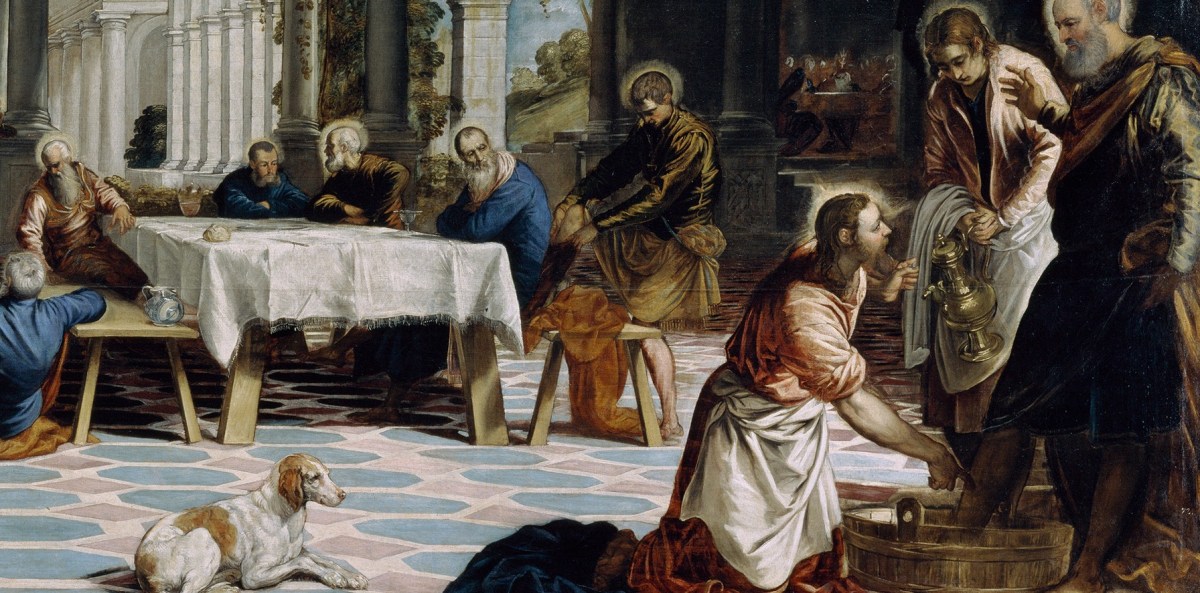
La Lavanda dei Piedi di Tintoretto: Il Capolavoro Veneziano al Prado
🇮🇹Tra i capolavori più affascinanti del Rinascimento veneziano, “La Lavanda dei Piedi” di Jacopo Tintoretto rappresenta un perfetto equilibrio tra spiritualità, innovazione compositiva e straordinaria forza narrativa… 🇬🇧Among the most fascinating masterpieces of the Venetian Renaissance, Jacopo Tintoretto’s “The Washing of the Feet” represents a perfect balance between spirituality, compositional innovation, and extraordinary narrative force…
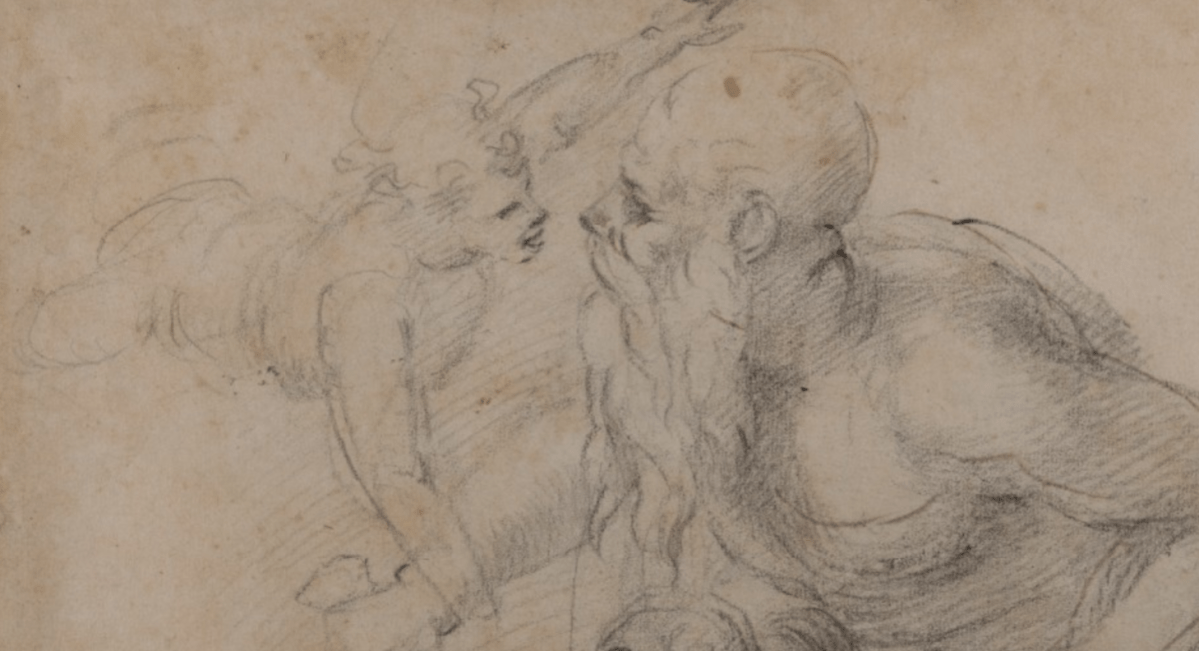
Il Sacrificio di Isacco e quel momento tra la vita e la morte
🇮🇹Oggi voglio raccontarvi alcuni dettagli sul mio disegno del Sacrificio di Isacco, conservato oggi a Casa Buonarroti. Su quel foglio volli tracciare il momento preciso in cui la paura fa spazio al miracolo… 🇬🇧Today I want to tell you some details about my drawing of the Sacrifice of Isaac, now preserved at Casa Buonarroti. On…
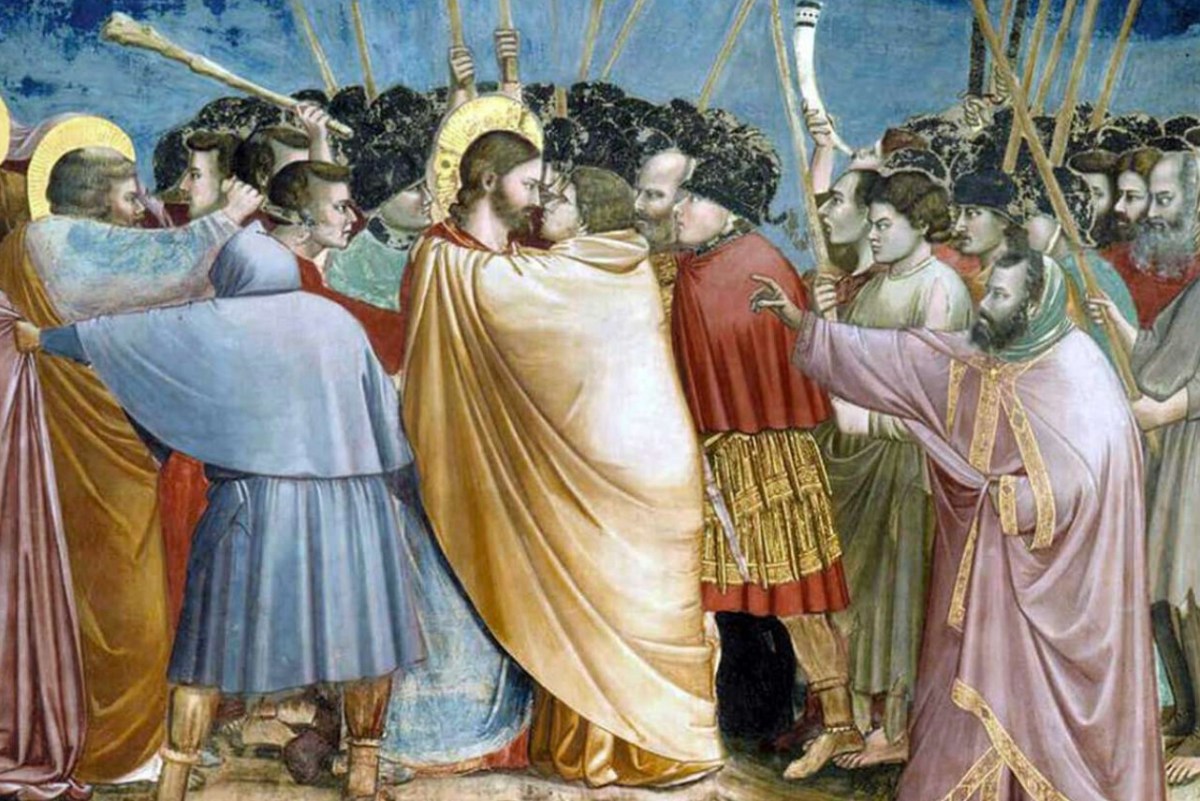
Mercoledì Santo: il giorno del tradimento di Giuda affrescato da Giotto
🇮🇹Il Mercoledì Santo è il giorno del silenzio, della riflessione e del tradimento. È il momento in cui Giuda sceglie di vendere Gesù per trenta denari, segnando uno dei passaggi più dolorosi della Settimana Santa…. 🇬🇧Holy Wednesday is a day of silence, reflection, and betrayal. ✝It is the moment when Judas chooses to sell Jesus…
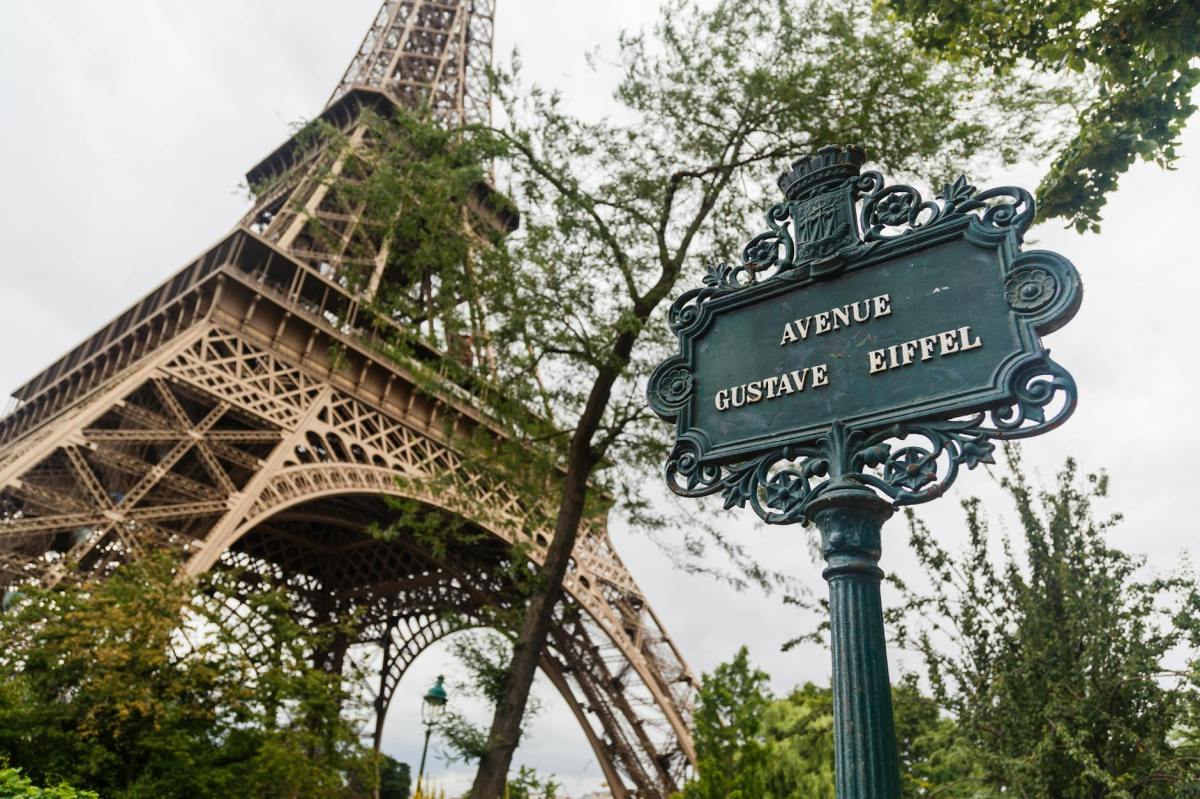
31 marzo 1889: inaugurata la Torre Eiffel tra critiche feroci e un destino inaspettato
🇮🇹Il 31 marzo 1889 segna una data destinata a cambiare per sempre il volto di Parigi e dell’immaginario collettivo globale: viene inaugurata la Torre Eiffel, l’opera più audace e discussa del suo tempo… 🇬🇧March 31, 1889 marks a date destined to change the face of Paris and the global collective imagination forever: the Eiffel Tower,…
Si è verificato un problema. Aggiorna la pagina e/o riprova in seguito.
Condividi:


Questo sono io





sostienici

Sostienici – Support Us
Se questo blog ti piace e ti appassiona, puoi aiutarci a farlo crescere sempre più sostenendoci in modo concreto condividendo i post, seguendo le pagine social e con un contributo che ci aiuta ad andare avanti con il nostro lavoro di divulgazione. . ENGLISH: If you like and are passionate about this blog, you can help us make it grow more and more by supporting us in a concrete way by sharing posts, following social pages and with a contribution that helps us to move forward with our dissemination work.
€10,00


1 commento »