

La mano che disegna la mano
Oggi voglio proporvi un mio disegno che forse ancora non conoscete ma molto particolare: la mano che disegna la mano.
Si tratta di un disegno molto particolare che tracciai con una penna d’oca con inchiostro marrone su carta e oggi appartiene alle collezioni del Louvre. La cosa curiosa è che disegnai la mia mano sinistra appoggiata sul foglio mentre con la sinistra la realizzavo.
Non contento disegnai pure la destra nell’atto di tratteggiare l’ombra dell’altro arto.

Sapete, questo disegno era molto conosciuto e apprezzato nel Settecento, quando apparteneva alla Collezione Crozart. Nel corso dei secoli successivi il foglio fu stato attribuito a diversi altri artisti. Il primo a dubitare che fosse opera mia fu Chennevières nel suo Abecedario, attribuendolo per altro ad Annibale Caracci.
Gli studi assai approfonditi di Charles del Tolnay invece fecero tornare gli studiosi sui propri passi riconsiderando il fatto fosse sul serio un mio lavoro. Le forme spigolose e un po’ appiattite delle dita sono una sorta di marchio di fabbrica del mio periodo che va dal 1512 al 1533 all’incirca. Osservate ad esempio le mani dei Prigioni del Louvre oppure quelle di Giuliano de’ Medici nella Sagrestia Nuova a Firenze e ve ne renderete conto.
Il sempre vostro Michelangelo Buonarroti e i suoi racconti

Sostienici – Support Us
Se questo blog ti piace e ti appassiona, puoi aiutarci a farlo crescere sempre più sostenendoci in modo concreto condividendo i post, seguendo le pagine social e con un contributo che ci aiuta ad andare avanti con il nostro lavoro di divulgazione. . ENGLISH: If you like and are passionate about this blog, you can help us make it grow more and more by supporting us in a concrete way by sharing posts, following social pages and with a contribution that helps us to move forward with our dissemination work.
5,00 €
The hand that draws the hand
Today I want to offer you a drawing of mine that you may not yet know but very particular: the hand that draws the hand.
It is a very particular drawing that I traced with a goose pen with brown ink on paper and today belongs to the collections of the Louvre. The curious thing is that I drew my left hand resting on the sheet while I made it with my left.
Not happy, I also drew the right hand in the act of outlining the shadow of the other limb.
You know, this drawing was very well known and appreciated in the eighteenth century, when it belonged to the Crozart Collection. Over the following centuries the sheet was attributed to several other artists. The first to doubt that it was my work was Chennevières in his Abecedario, attributing it to Annibale Caracci.
The very thorough studies of Charles del Tolnay instead made scholars retrace their steps, reconsidering the fact that it was seriously my work. The angular and slightly flattened shapes of the fingers are a sort of trademark of my period from 1512 to 1533 approximately. For example, look at the hands of the Prisons of the Louvre or those of Giuliano de ‘Medici in the New Sacristy in Florence and you will realize it.
Always yours Michelangelo Buonarroti and his stories
ULTIMI ARTICOLI
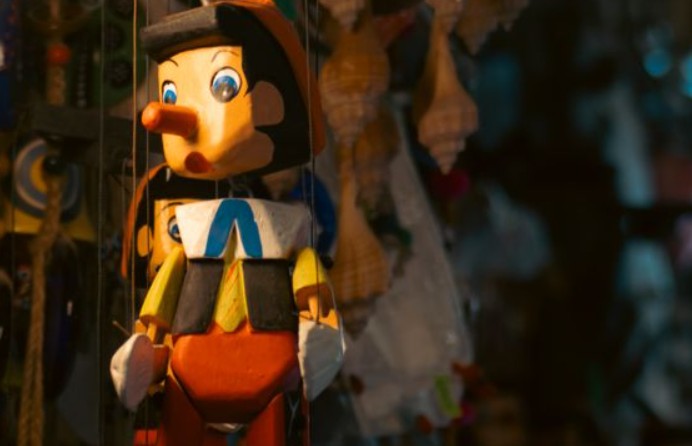
26 ottobre 1890: muore Carlo Collodi, lo scrittore toscano che inventò Pinocchio
Il 26 ottobre 1890 moriva a Firenze Carlo Collodi, autore di Pinocchio. Dalla prima pubblicazione nel 1881 al successo mondiale del burattino…
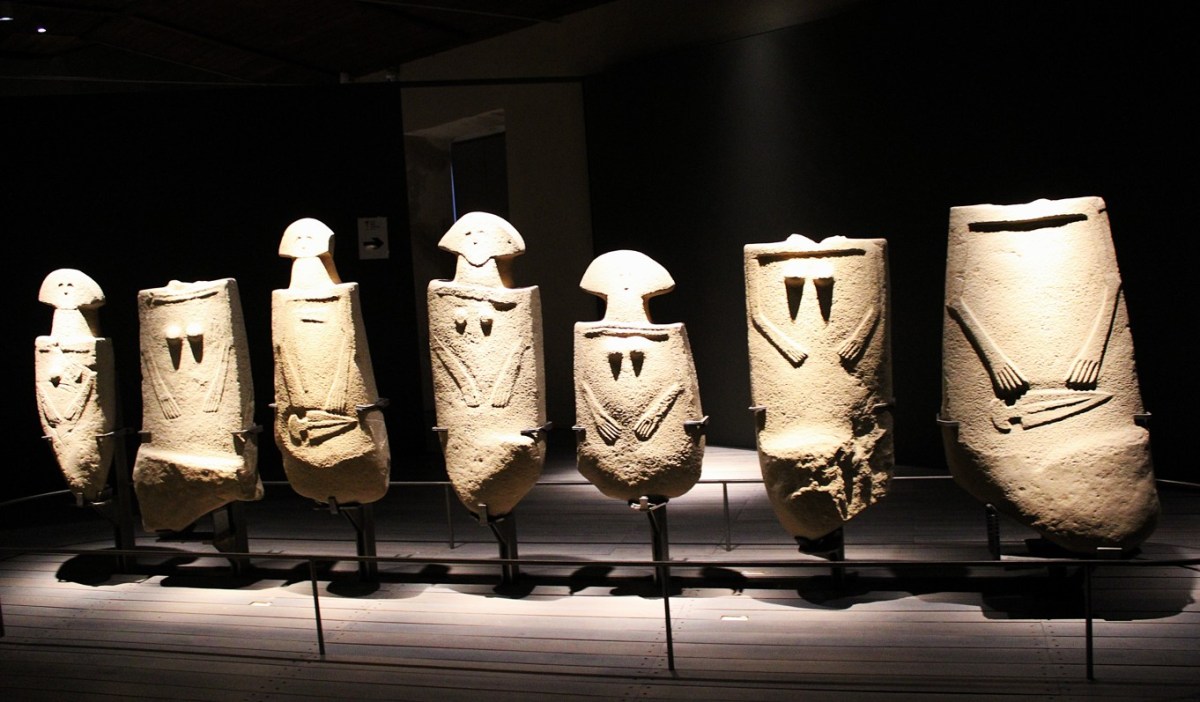
I musei meno conosciuti della Toscana che meritano una visita: 10 province, 10 luoghi da scoprire
🇮🇹Dalle statue stele della Lunigiana alle antiche botteghe artigiane, passando per case-museo, collezioni insolite e testimonianze della vita quotidiana: ecco dieci musei da visitare in Toscana, uno per ogni provincia, per scoprire un patrimonio artistico e culturale che va ben oltre le mete più famose… 🇬🇧From the stele statues of Lunigiana to ancient artisan workshops—not…
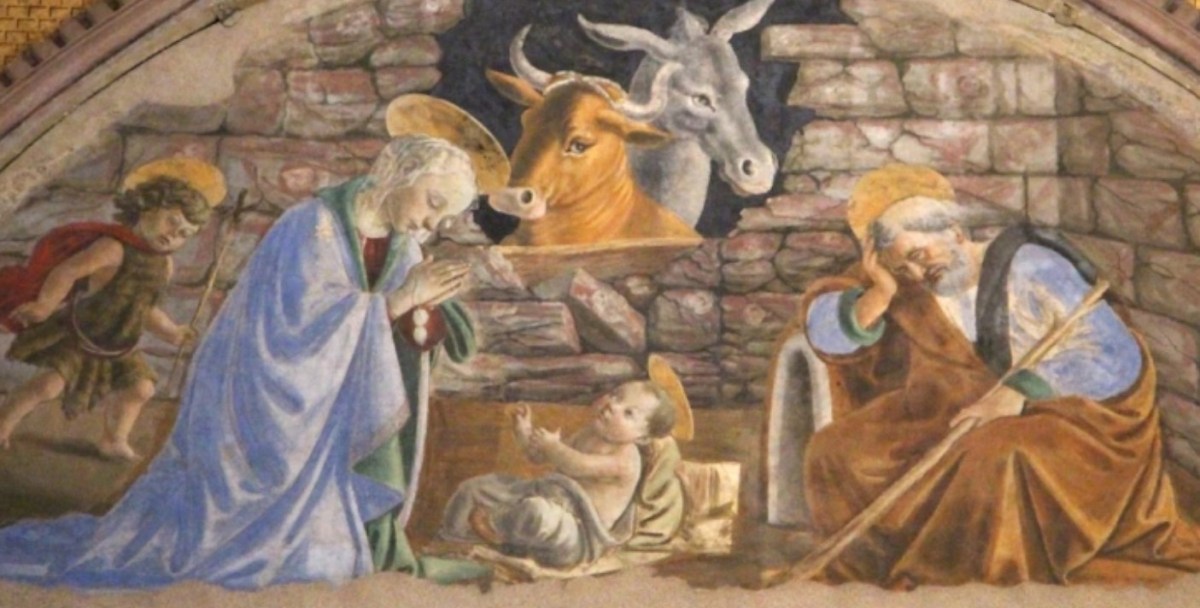
Perché il bue e l’asino sono accanto a Gesù Bambino? La storia dietro una tradizione secolare
🇮🇹Perché il bue e l’asinello sono accanto a Gesù Bambino nel presepe? Scopri le origini bibliche, il significato simbolico e la storia nell’arte… 🇬🇧Why are the ox and the donkey beside Baby Jesus in the nativity scene? Discover their biblical origins, symbolic meaning, and history in art…
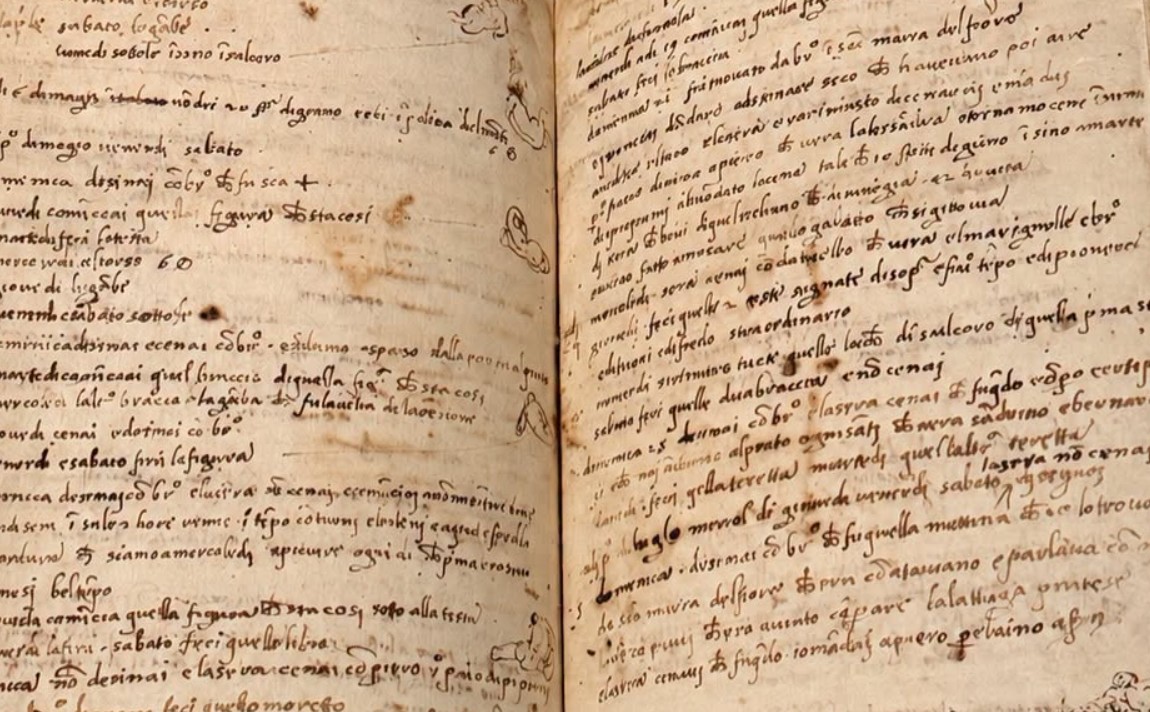
Pontormo, il diario segreto del pittore: malattie, pasti e piccoli disegni che raccontano la sua vita
🇮🇹Il diario di Pontormo: malattie, pasti, amicizie e piccoli disegni raccontano la vita privata del pittore e il lavoro perduto a San Lorenzo… 🇬🇧Pontormo’s diary—with its accounts of illnesses, meals, friendships, and small sketches—reveals the painter’s private life and his lost work at San Lorenzo…
Si è verificato un problema. Aggiorna la pagina e/o riprova in seguito.
Condividi:


Questo sono io




sostienici

Sostienici – Support Us
Se questo blog ti piace e ti appassiona, puoi aiutarci a farlo crescere sempre più sostenendoci in modo concreto condividendo i post, seguendo le pagine social e con un contributo che ci aiuta ad andare avanti con il nostro lavoro di divulgazione. . ENGLISH: If you like and are passionate about this blog, you can help us make it grow more and more by supporting us in a concrete way by sharing posts, following social pages and with a contribution that helps us to move forward with our dissemination work.
€10,00


