

Le storie raccontate dai medaglioni bronzei
Nella volta della Cappella Sistina affrescai dei grandi medaglioni bronzei istoriati, trattenuti a stento dagli ignudi. Non sono tutti uguali: alcuni hanno un diametro di 130 mentre altri raggiungono i 140 centimetri di diametro.
Per simulare l’effetto del bronzo adoperai la terra bruciata di Siena, l’ocra, il tratteggio a tempera nera per le zone in ombra e oro zecchino per le lumeggiature, steso a secco.

Cosa istoriai sopra questi grandi medaglioni?
Rappresentai alcune delle storie tratte dalla Bibbia più significative, legate direttamente ai grandi riquadri affrescati come l’uccisione di Abner da parte di Joab, il Sacrificio di Isacco e la morte di Assalone.
Assalone era figlio di re Davide, il terzo genito per la precisione. Tentò di prendere il regno dalle mani del padre e le sue gesta vengono raccontate nel secondo libro di Samuele.

Ammazzò suo fratello maggiore che aveva abusato di Tamar, sua sorella e scappò a gambe levate da Gerusalemme. Si auto proclamò re di Hebron e tornò a Gerusalemme cacciando il padre dal trono. Un giorno Assalone rimase col suo mulo impigliato fra i rami di una pianta e il capo dell’esercito di re Davide lo uccise.
Fra questi dieci medaglioni uno solo non è istoriato. Perché? Scopritelo voi.
Il sempre vostro Michelangelo Buonarroti con i suoi racconti
The stories told by the bronze medallions
If you look carefully, in the vault of the Sistine Chapel, there are also large frescoed medallions barely held by naked men. They are not all the same if you notice: some have a diameter of 130 and others of 140 centimeters.
To simulate the effect of the bronze I used the burnt earth of Siena, the ocher, the black tempera hatching for the shaded areas and the pure gold for the highlights, laid out dry.
What’s on these big medallions? Some of the most significant biblical stories directly linked to the large frescoed panels.
For example you can admire Joab’s killing of Abner, the Sacrifice of Isaac and the death of Assalone.

Assalone was the son of King David, the third son to be precise. He tried to take the kingdom from his father’s hands and his deeds are told in the second book of Samuel. He killed his older brother who had abused Tamar, his sister, and ran away from Jerusalem. He proclaimed himself king of Hebron and tormented Jerusalem, driving his father from the throne. One day Assalone remained with his mule entangled in the branches of a plant and the head of the army of King David killed him.
Look carefully, among these ten medallions one is not historiated. Why? Find out for yourself.
Your always Michelangelo Buonarroti

Sostienici – Support Us
Se questo blog ti piace e ti appassiona, puoi aiutarci a farlo crescere sempre più sostenendoci in modo concreto condividendo i post, seguendo le pagine social e con un contributo che ci aiuta ad andare avanti con il nostro lavoro di divulgazione. . ENGLISH: If you like and are passionate about this blog, you can help us make it grow more and more by supporting us in a concrete way by sharing posts, following social pages and with a contribution that helps us to move forward with our dissemination work.
5,00 €
ULTIMI ARTICOLI
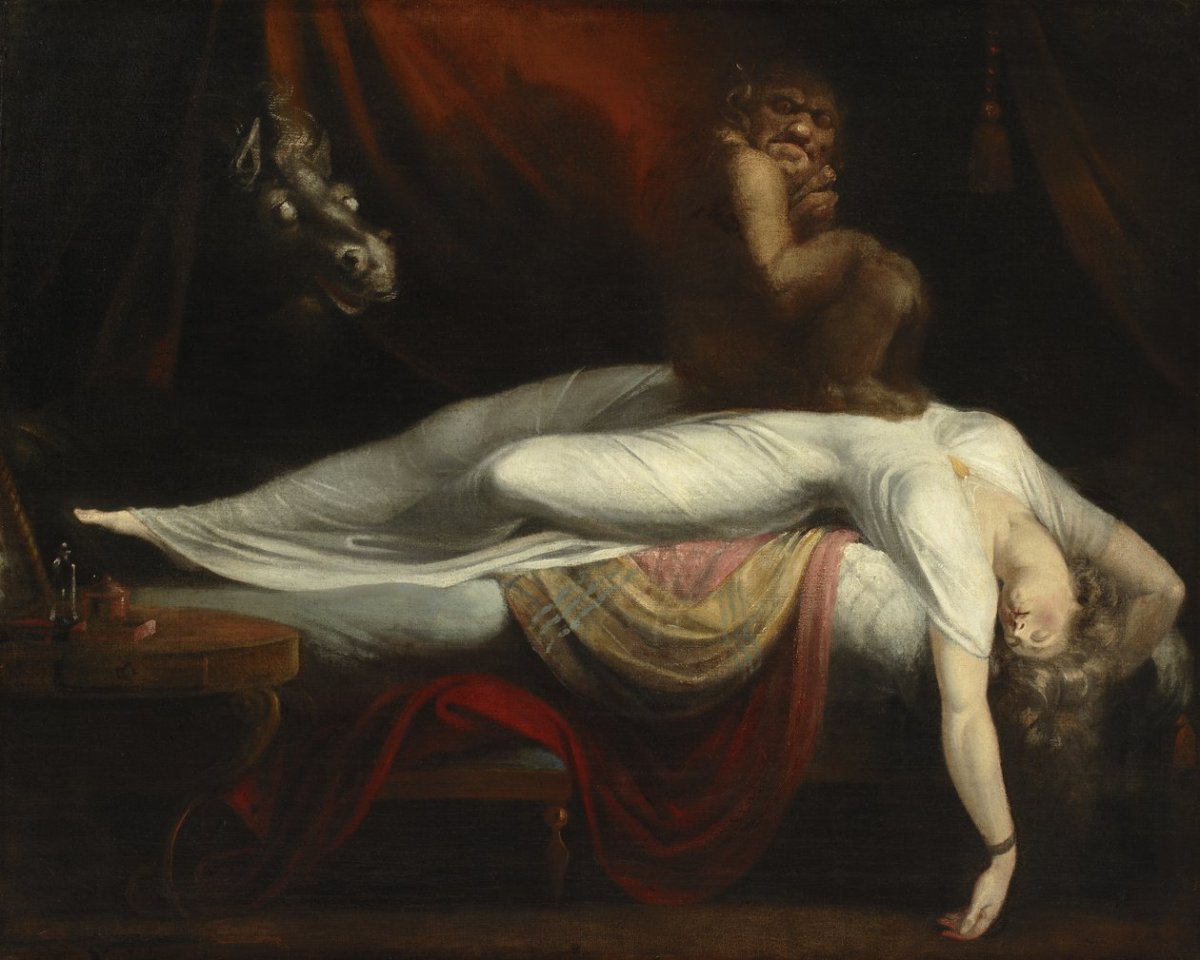
Halloween nell’arte: le 10 opere più spaventose di sempre, tra mostri, demoni e incubi
🇮🇹Halloween nell’arte: 10 opere spaventose tra mostri, demoni, incubi e scene macabre. Da Goya a Bosch, da Caravaggio a Munch: scopri i dipinti più inquietanti… 🇬🇧Halloween in Art: 10 chilling works featuring monsters, demons, nightmares, and macabre scenes. From Goya to Bosch, from Caravaggio to Munch—discover the most unsettling paintings…
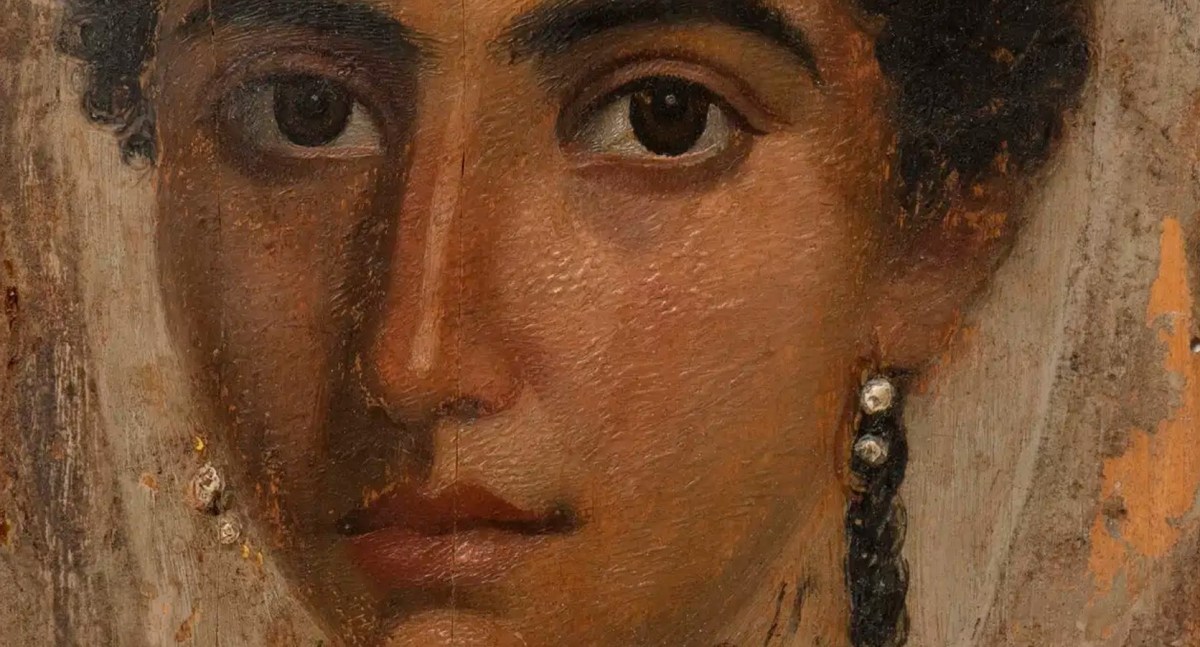
I volti del Fayum arrivano a Roma: oltre 110 opere raccontano il potere del ritratto nell’antico Egitto
🇮🇹Dal 5 novembre 2026 al 2 maggio 2027, all’Ara Pacis di Roma quasi 50 ritratti del Fayum e oltre 110 opere raccontano l’arte dell’Egitto romano… 🇬🇧From November 5, 2026, to May 2, 2027, at the Ara Pacis in Rome, nearly 50 Fayum portraits and over 110 other works explore the art of Roman Egypt…
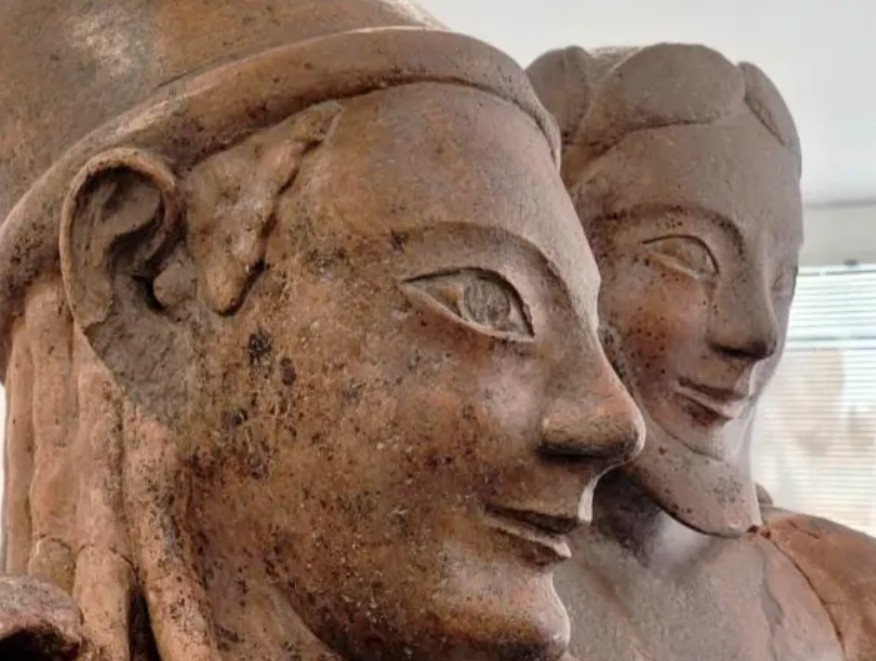
Sarcofago degli Sposi, concluso il restauro a Villa Giulia: quando torna in mostra
🇮🇹Concluso il restauro del Sarcofago degli Sposi al Museo Etrusco di Villa Giulia. L’opera etrusca del VI secolo a.C. tornerà presto in esposizione… 🇬🇧the restoration of the Sarcophagus of the Spouses at the Villa Giulia Etruscan Museum has been completed. This 6th-century BC Etruscan work will soon be back on display…
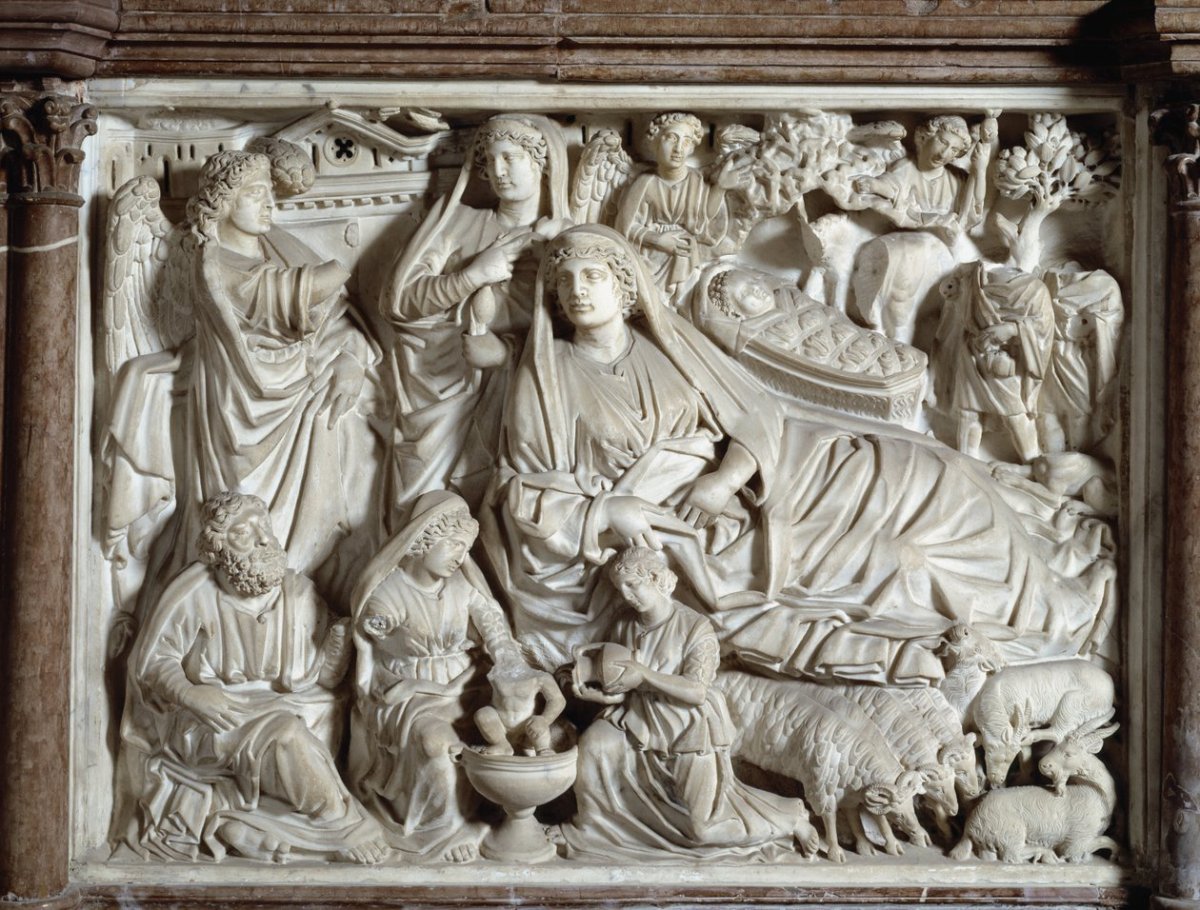
La Natività di Nicola Pisano con la capretta che si gratta
🇮🇹Una capra che si gratta un orecchio, Maria distesa dopo il parto e una mangiatoia che sembra anticipare una bara. Nel pulpito del Battistero di Pisa, Nicola Pisano racconta la nascita di Cristo con una ricchezza di particolari e una forza espressiva che ancora oggi sorprendono… 🇬🇧A goat scratching its ear, Mary reclining after giving…
Si è verificato un problema. Aggiorna la pagina e/o riprova in seguito.
Condividi:


Questo sono io





sostienici

Sostienici – Support Us
Se questo blog ti piace e ti appassiona, puoi aiutarci a farlo crescere sempre più sostenendoci in modo concreto condividendo i post, seguendo le pagine social e con un contributo che ci aiuta ad andare avanti con il nostro lavoro di divulgazione. . ENGLISH: If you like and are passionate about this blog, you can help us make it grow more and more by supporting us in a concrete way by sharing posts, following social pages and with a contribution that helps us to move forward with our dissemination work.
€10,00


1 commento »