

Giovedì Santo: l’Ultima Cena di Allori che pochi conoscono a Firenze
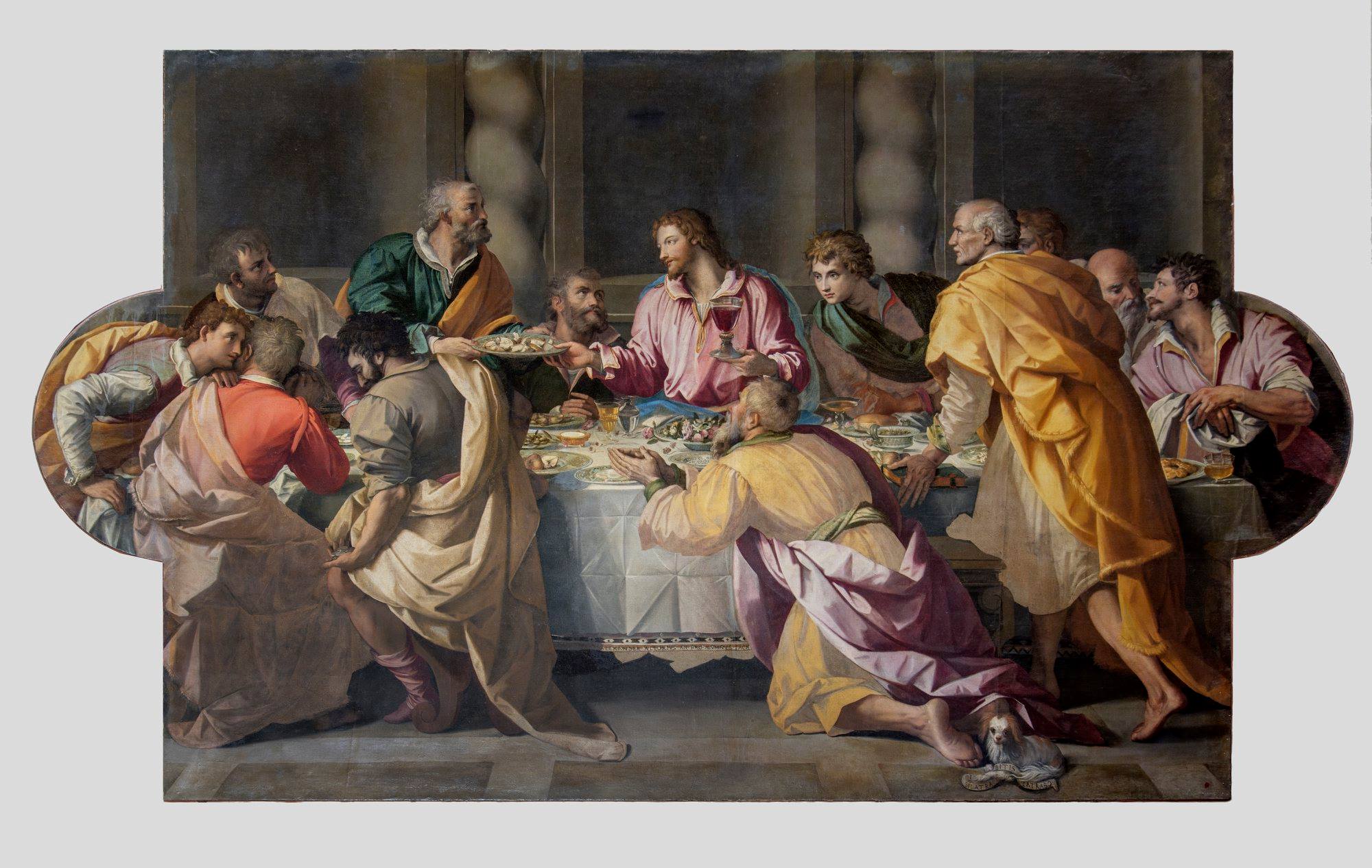
Nel cuore di Museo di Santa Maria Novella, a Firenze, si conserva una delle interpretazioni più affascinanti e meno note dell’Ultima Cena: quella realizzata da Alessandro Allori nel 1584.
In occasione del Giovedì Santo, quest’opera offre una lettura intensa e profondamente spirituale del momento che precede la Passione.
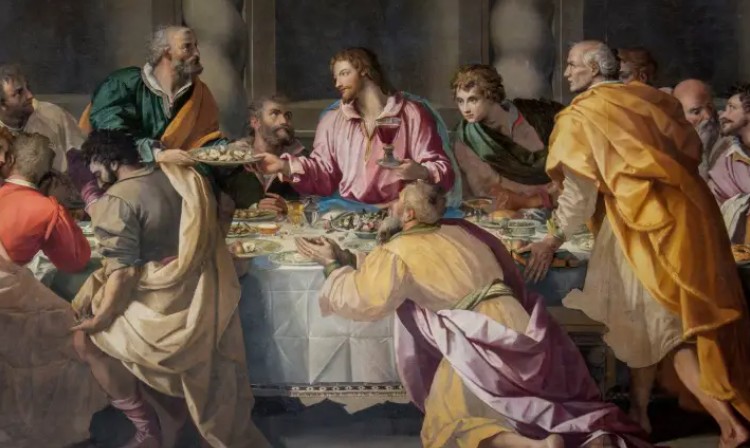
Un cenacolo rinascimentale tra tradizione e teatralità
L’Ultima Cena di Alessandro Allori si inserisce nella lunga tradizione dei cenacoli conventuali fiorentini, ambienti destinati alla meditazione dei monaci durante i pasti. Allori guarda chiaramente al modello di Andrea del Sarto, reinterpretandolo però in chiave manierista, con una maggiore enfasi scenografica e cromatica.
Ciò che colpisce immediatamente è la struttura compositiva: la scena appare quasi “incorniciata” da un elemento architettonico che sembra voler accogliere gli apostoli ai margini, come se lo spazio pittorico si espandesse per includere lo spettatore stesso. È un invito implicito a partecipare, a entrare nel mistero.
Il Giovedì Santo tra tradimento ed eucaristia
L’opera affronta due nuclei tematici centrali della narrazione evangelica: l’annuncio del tradimento e l’istituzione dell’eucaristia. Da un lato si percepisce la tensione tra gli apostoli, colti in reazioni diverse, tra stupore, dubbio e inquietudine. Dall’altro, la figura di Cristo domina la scena con una calma solenne, centro spirituale e simbolico dell’intera composizione.
Questo doppio registro rende il dipinto particolarmente adatto alla riflessione del Giovedì Santo, momento liturgico che celebra proprio l’Ultima Cena come atto fondativo della comunione cristiana.
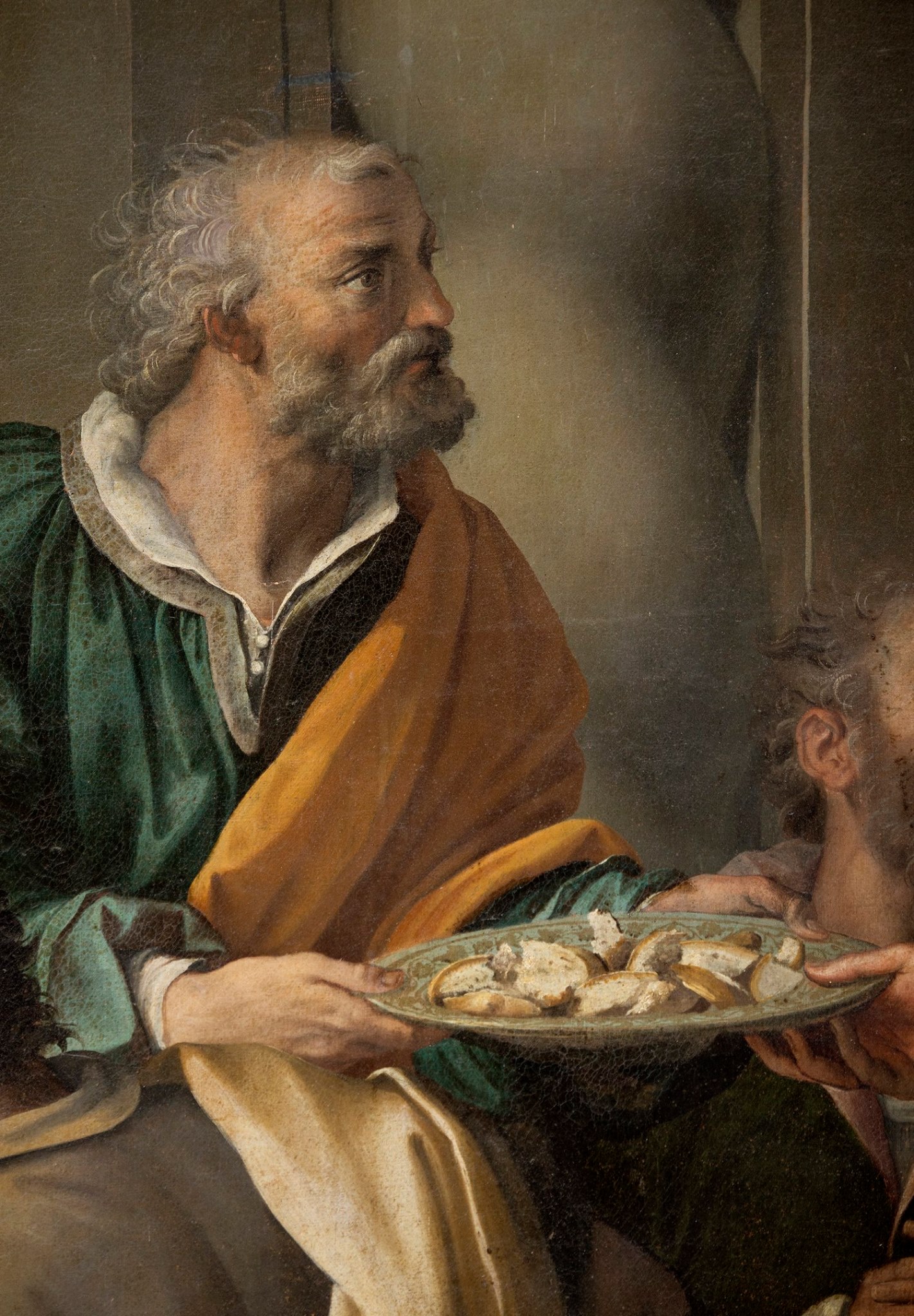
Colore, dettagli e simbolismo: il trionfo manierista
Allori costruisce un vero e proprio spettacolo visivo. I colori accesi delle vesti, la ricchezza del banchetto, la cura minuziosa dei dettagli trasformano la scena in un trionfo pittorico. Ogni elemento è pensato per catturare lo sguardo e guidarlo verso il significato più profondo.
Il lusso della tavola non è solo decorativo, ma simbolico: rimanda all’abbondanza spirituale del sacramento e al valore della condivisione.
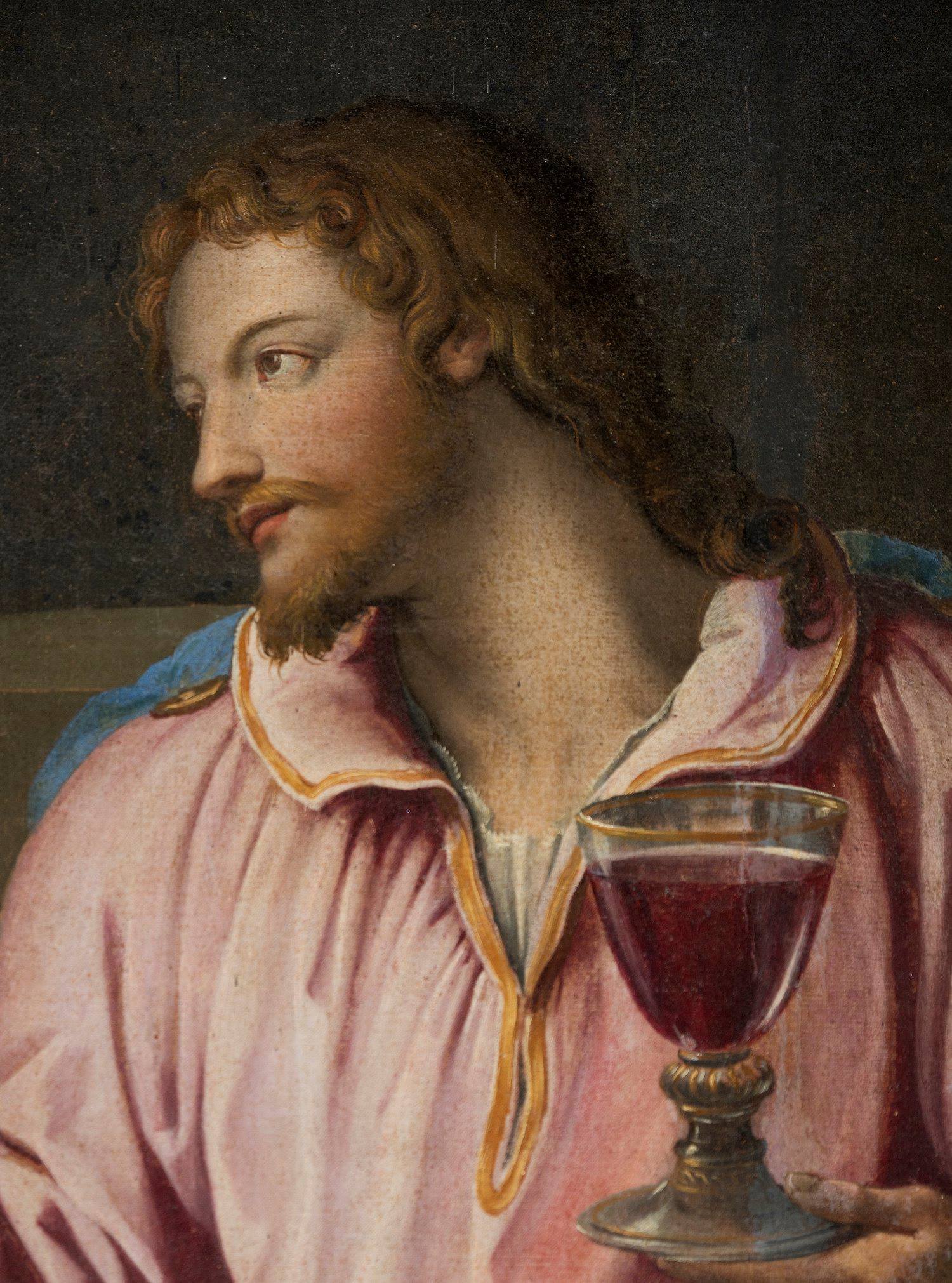
Le posture degli apostoli, invece, raccontano un’umanità viva, concreta, attraversata da emozioni contrastanti.
Per il momento il sempre vostro Michelangelo Buonarroti vi saluta dandovi appuntamento ai prossimi post e sui social.
Maundy Thursday: Allori’s Little-Known Last Supper in Florence
In the heart of the Santa Maria Novella Museum in Florence, one of the most fascinating and lesser-known interpretations of the Last Supper is preserved: the one created by Alessandro Allori in 1584. On the occasion of Maundy Thursday, this work offers an intense and profoundly spiritual interpretation of the moment preceding the Passion.
A Renaissance cenacle between tradition and theatricality
Alessandro Allori’s Last Supper is part of the long tradition of Florentine convent cenacles, spaces intended for monks’ meditation during meals. Allori clearly draws on Andrea del Sarto’s model, reinterpreting it in a Mannerist style, with a greater emphasis on scenography and color.
What is immediately striking is the compositional structure: the scene appears almost “framed” by an architectural element that seems to embrace the apostles on the margins, as if the pictorial space were expanding to include the viewer himself. It is an implicit invitation to participate, to enter into the mystery.
Maundy Thursday between Betrayal and the Eucharist
The work addresses two central themes of the Gospel narrative: the announcement of the betrayal and the institution of the Eucharist. On the one hand, we perceive the tension between the apostles, captured in their different reactions, ranging from amazement, doubt, and anxiety. On the other, the figure of Christ dominates the scene with solemn calm, the spiritual and symbolic center of the entire composition.
This dual register makes the painting particularly suited to reflecting on Maundy Thursday, a liturgical moment that celebrates the Last Supper as the founding act of Christian communion.
Color, detail, and symbolism: the triumph of Mannerism
Allori creates a true visual spectacle. The bright colors of the robes, the richness of the banquet, and the meticulous attention to detail transform the scene into a pictorial triumph. Each element is designed to capture the gaze and guide it toward the deeper meaning.
The luxury of the table is not merely decorative, but symbolic: it evokes the spiritual abundance of the sacrament and the value of sharing.
The postures of the apostles, however, speak of a living, concrete humanity, pervaded by contrasting emotions.
For now, yours truly, Michelangelo Buonarroti bids you farewell, inviting you to join him in future posts and on social media.

Sostienici – Support Us
Se questo blog ti piace e ti appassiona, puoi aiutarci a farlo crescere sempre più sostenendoci in modo concreto condividendo i post, seguendo le pagine social e con un contributo che ci aiuta ad andare avanti con il nostro lavoro di divulgazione. . ENGLISH: If you like and are passionate about this blog, you can help us make it grow more and more by supporting us in a concrete way by sharing posts, following social pages and with a contribution that helps us to move forward with our dissemination work.
10,00 €
Condividi:


Questo sono io





sostienici

Sostienici – Support Us
Se questo blog ti piace e ti appassiona, puoi aiutarci a farlo crescere sempre più sostenendoci in modo concreto condividendo i post, seguendo le pagine social e con un contributo che ci aiuta ad andare avanti con il nostro lavoro di divulgazione. . ENGLISH: If you like and are passionate about this blog, you can help us make it grow more and more by supporting us in a concrete way by sharing posts, following social pages and with a contribution that helps us to move forward with our dissemination work.
€10,00


