

Il Cristo Risorto di Salvator Rosa: il capolavoro pasquale del Musée Condé
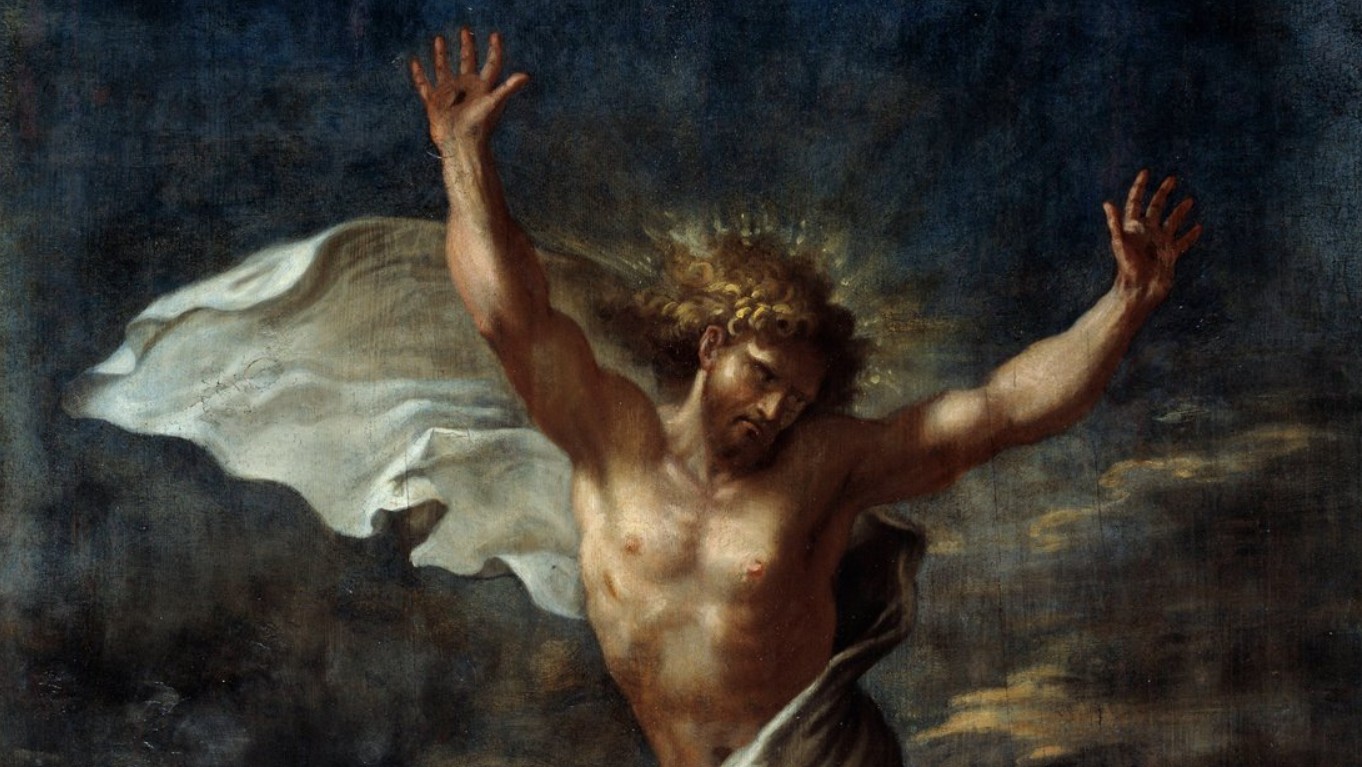
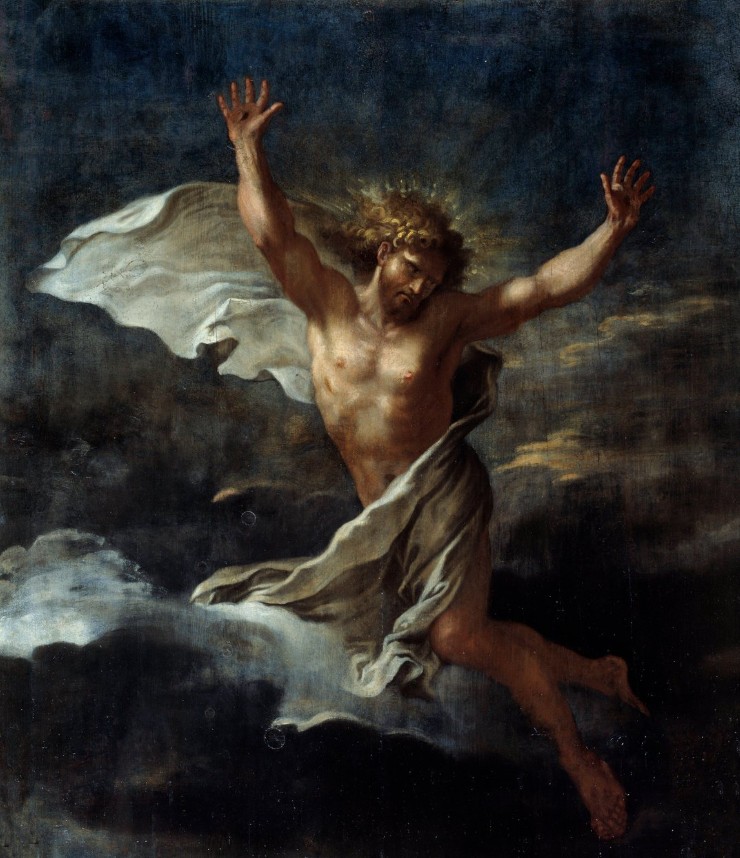
Nel panorama dell’arte barocca, poche opere riescono a trasmettere con la stessa intensità il significato della Pasqua quanto il Cristo Risorto di Salvator Rosa. Conservato presso il Musée Condé, all’interno dello splendido complesso di Chantilly, il dipinto rappresenta una visione profonda e drammatica della resurrezione.
In un periodo come quello pasquale, in cui il tema della rinascita torna centrale, quest’opera emerge come un’immagine di straordinaria forza visiva e spirituale, lontana dalle rappresentazioni più convenzionali.
Salvator Rosa e la sua visione anticonvenzionale del sacro
Artista inquieto e fuori dagli schemi, Salvator Rosa fu una delle personalità più originali del Seicento italiano. La sua produzione si distingue per un linguaggio espressivo intenso, spesso caratterizzato da atmosfere oscure e da una forte carica emotiva.
Nel Cristo Risorto, questa sensibilità si traduce in una rappresentazione che supera l’idealizzazione tradizionale. Cristo non è una figura distante e perfetta, ma appare come una presenza viva, concreta, quasi tangibile.
La committenza dell’opera: un contesto ancora affascinante
Uno degli aspetti più interessanti del Cristo Risorto riguarda la sua committenza, che si inserisce nel vivace contesto culturale e religioso del Seicento. Sebbene non tutte le informazioni siano pienamente documentate, l’opera è generalmente collegata a un ambiente colto e aristocratico, probabilmente legato a committenze private piuttosto che a grandi istituzioni ecclesiastiche.
Questa origine contribuisce a spiegare il carattere intimo e meditativo del dipinto. A differenza delle grandi pale d’altare destinate al culto pubblico, il Cristo Risorto di Salvator Rosa sembra concepito per una fruizione più raccolta, quasi personale, in cui lo spettatore è chiamato a confrontarsi direttamente con il mistero della resurrezione.
Analisi del Cristo Risorto: luce, movimento e dramma
Osservando l’opera conservata al Musée Condé, si percepisce immediatamente una tensione dinamica che attraversa tutta la composizione. Il corpo di Cristo emerge con energia, come se stesse ancora compiendo il gesto della resurrezione.
La luce gioca un ruolo fondamentale, creando forti contrasti chiaroscurali che modellano la figura e ne amplificano la presenza scenica. Non si tratta di una luce rassicurante, ma di un’illuminazione che accentua il mistero e la drammaticità della scena.
Anche l’espressione del volto contribuisce a questa lettura: Cristo appare potente, ma non distante dal dolore umano, in un equilibrio sottile tra trionfo e memoria della sofferenza.
Tra umanità e trascendenza
Nel Cristo Risorto di Salvator Rosa, la resurrezione non è rappresentata come un momento puramente glorioso, ma come una trasformazione complessa. L’artista sembra suggerire una continuità tra la morte e la vita, rendendo il passaggio meno netto e più carico di implicazioni esistenziali.
Questa interpretazione rende l’opera particolarmente attuale, perché invita a riflettere sulla rinascita non solo in senso religioso, ma anche umano. La figura di Cristo diventa così simbolo di resilienza e di trasformazione, temi che risuonano fortemente anche nel presente.
Per il momento il sempre vostro Michelangelo Buonarroti vi saluta dandovi appuntamento ai prossimi post e sui social.
Salvator Rosa’s Risen Christ: the Musée Condé’s Easter Masterpiece
In the panorama of Baroque art, few works convey the meaning of Easter with the same intensity as Salvator Rosa’s Risen Christ. Housed at the Musée Condé, within the splendid Chantilly complex, the painting represents a profound and dramatic vision of the resurrection.
In a period like Easter, when the theme of rebirth once again takes center stage, this work emerges as an image of extraordinary visual and spiritual power, far removed from more conventional representations.
Salvator Rosa and his unconventional vision of the sacred
A restless and unconventional artist, Salvator Rosa was one of the most original figures of seventeenth-century Italy. His work is distinguished by an intense expressive language, often characterized by dark atmospheres and a strong emotional charge.
In the Risen Christ, this sensitivity translates into a representation that transcends traditional idealization. Christ is not a distant, perfect figure, but appears as a living, concrete, almost tangible presence.
The Patronage of the Work: A Still Fascinating Context
One of the most interesting aspects of the Risen Christ concerns its patronage, which was part of the vibrant cultural and religious context of the 17th century. Although not all information is fully documented, the work is generally associated with a cultured and aristocratic milieu, likely linked to private patrons rather than large ecclesiastical institutions.
This origin helps explain the intimate and meditative nature of the painting. Unlike large altarpieces intended for public worship, Salvator Rosa’s Risen Christ seems conceived for a more intimate, almost personal experience, in which the viewer is called to engage directly with the mystery of the resurrection.
Analysis of the Risen Christ: Light, Movement, and Drama
Looking at the work preserved at the Musée Condé, one immediately perceives a dynamic tension that permeates the entire composition. Christ’s body emerges with energy, as if still performing the act of resurrection.
Light plays a fundamental role, creating strong chiaroscuro contrasts that shape the figure and amplify its presence. It is not a reassuring light, but one that accentuates the mystery and drama of the scene.
The expression on his face also contributes to this interpretation: Christ appears powerful, yet not distant from human pain, in a subtle balance between triumph and the memory of suffering.
Between humanity and transcendence
In Salvator Rosa’s Risen Christ, the resurrection is not depicted as a purely glorious moment, but as a complex transformation. The artist seems to suggest a continuity between death and life, making the transition less clear-cut and more charged with existential implications.
This interpretation makes the work particularly timely, as it invites us to reflect on rebirth not only in a religious sense, but also in a human one. The figure of Christ thus becomes a symbol of resilience and transformation, themes that resonate strongly even today.
For now, yours truly, Michelangelo Buonarroti bids you farewell and looks forward to seeing you in future posts and on social media.

Sostienici – Support Us
Se questo blog ti piace e ti appassiona, puoi aiutarci a farlo crescere sempre più sostenendoci in modo concreto condividendo i post, seguendo le pagine social e con un contributo che ci aiuta ad andare avanti con il nostro lavoro di divulgazione. . ENGLISH: If you like and are passionate about this blog, you can help us make it grow more and more by supporting us in a concrete way by sharing posts, following social pages and with a contribution that helps us to move forward with our dissemination work.
10,00 €
Condividi:


Questo sono io





sostienici

Sostienici – Support Us
Se questo blog ti piace e ti appassiona, puoi aiutarci a farlo crescere sempre più sostenendoci in modo concreto condividendo i post, seguendo le pagine social e con un contributo che ci aiuta ad andare avanti con il nostro lavoro di divulgazione. . ENGLISH: If you like and are passionate about this blog, you can help us make it grow more and more by supporting us in a concrete way by sharing posts, following social pages and with a contribution that helps us to move forward with our dissemination work.
€10,00


