

Perché tutti fotografano i dipinti ma nessuno li guarda più?
Mi dicono che, nei templi dell’arte del vostro secolo, le persone non entrano più per vedere le opere, ma per catturarle dentro piccole lastre luminose che tengono tra le mani. Dicono che alzano questi strumenti che chiamate smartphone davanti ai dipinti, li imprigionano in un istante, e subito si allontanano, come se l’opera fosse stata consumata, come un frutto mangiato in fretta che non lascia traccia, né in bocca né nell’animo.
Quando guardate davvero?
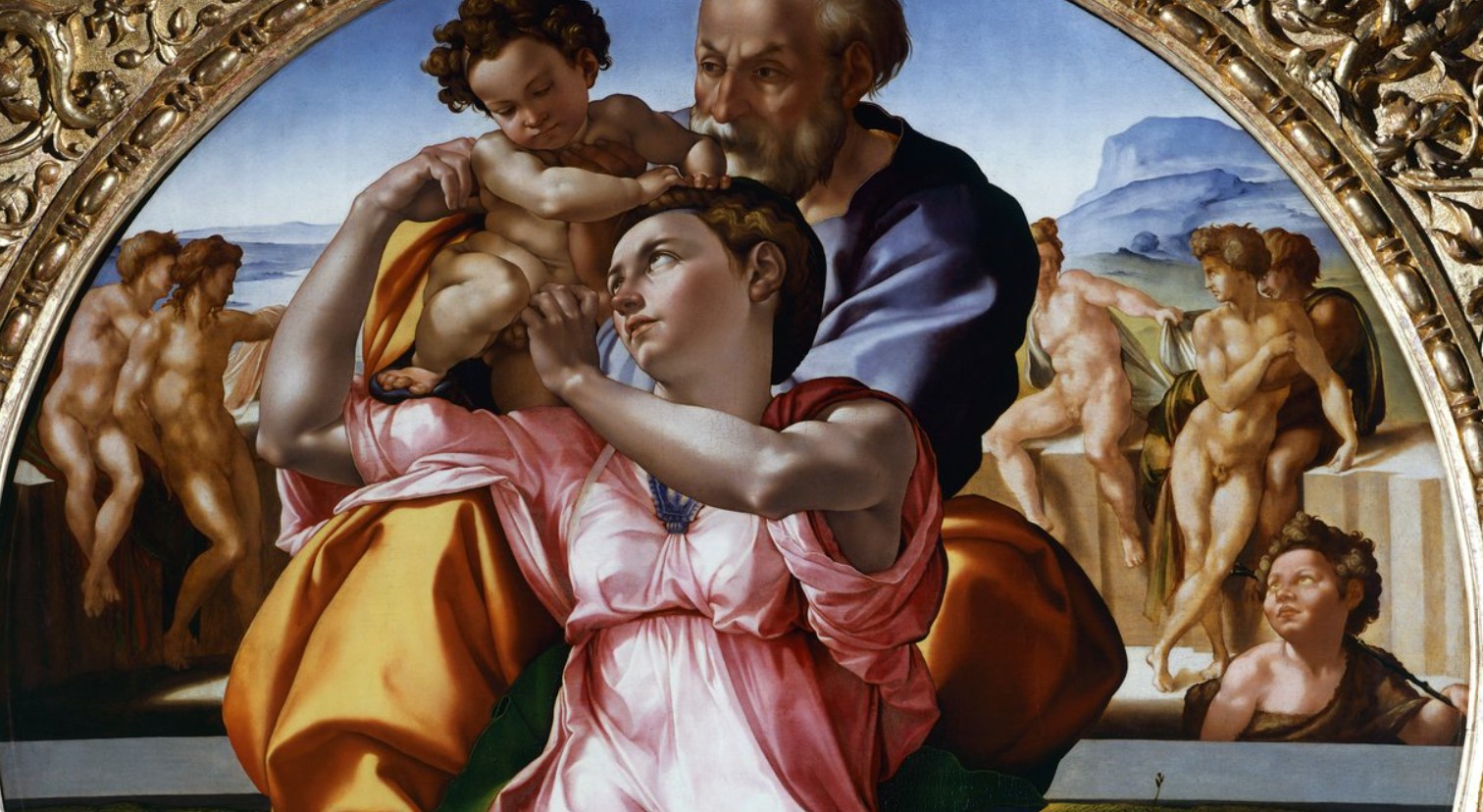
L’opera non è fatta per essere presa, ma per essere vissuta
Quando un artista lavora alla pietra o al colore, non pensa allo sguardo distratto. Non lavora per un’occhiata veloce, né per un passaggio frettoloso. Ogni colpo di scalpello, ogni velatura di pigmento, ogni linea è fatta per chi sa fermarsi.
Un dipinto non è un trofeo da portare via, né una prova di presenza. Non esiste per dire “io ero qui”. Esiste per dire: “fermati, guarda, e cambia”.
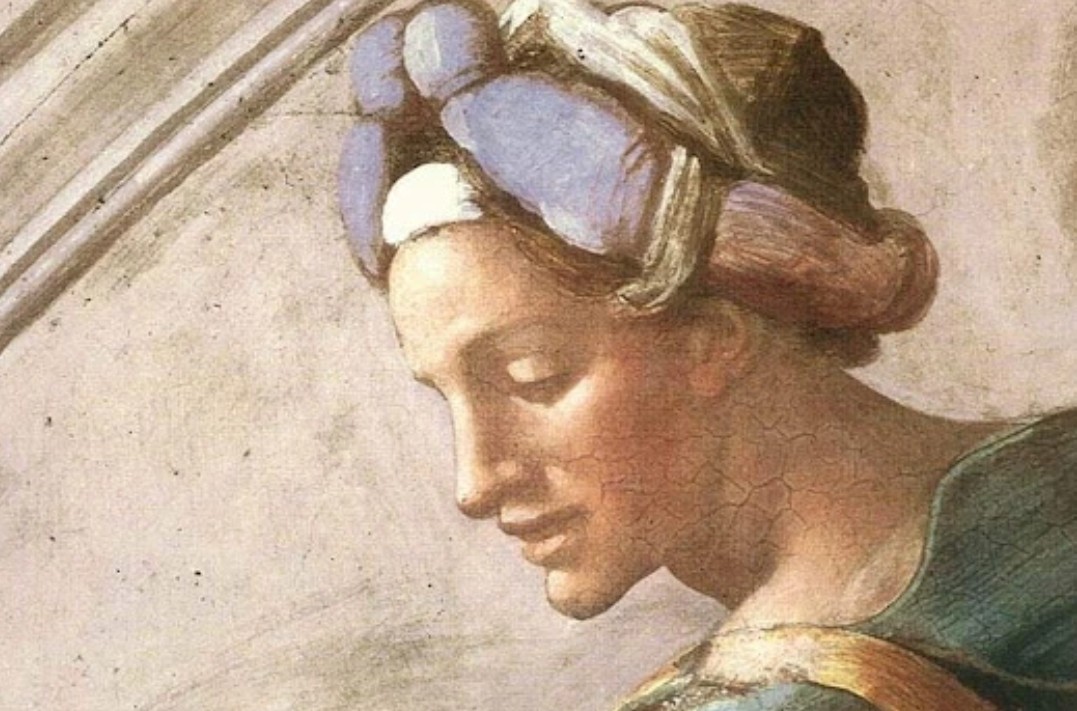
Se l’osservatore non si concede il tempo di ascoltare ciò che l’opera racconta, allora l’opera resta muta. Non perché sia vuota, ma perché nessuno le presta orecchio.
Lo sguardo frettoloso è nemico della bellezza
Nel mio tempo, un affresco si osservava alla luce che entrava dalle finestre. Il sole si muoveva, e con esso cambiavano le ombre, i colori, le pieghe dei corpi. Un’opera non era mai identica a se stessa: viveva insieme al giorno.
Voi, invece, pare vogliate tutto in un solo istante. Un lampo, uno scatto, un’immagine chiusa dentro uno schermo. Ma ciò che è vivo non può essere rinchiuso in una superficie piatta.
La bellezza ha bisogno di tempo. Ha bisogno di silenzio. Ha bisogno di uno sguardo che non fugga dopo pochi battiti del cuore.
L’arte non è uno sfondo per la vostra immagine
Mi raccontano che molti si pongono davanti ai dipinti non per vederli, ma per essere visti insieme a essi. Il volto dell’osservatore diventa più importante del volto dipinto. L’opera non è più il centro: è lo scenario.
È come se qualcuno entrasse in una chiesa non per pregare, ma per dimostrare di esserci stato. L’edificio sacro diventa una decorazione, un pretesto, un fondale.
Ma l’arte non è fatta per servire l’uomo. È fatta per metterlo alla prova, per interrogarlo, per costringerlo a guardarsi dentro.
Più immagini, meno visione
Voi vivete in un tempo colmo di immagini. Ovunque vi volgiate, ci sono figure, colori, luci, volti. Eppure, pare che non abbiate più il tempo per nessuna di esse.

È come trovarsi in un giardino pieno di fiori e correre senza mai fermarsi ad annusarli. Alla fine del giorno, si ricorderà il cammino, non i fiori. Così accade anche nei musei: si esce con molte immagini nelle tasche, ma con pochi ricordi nell’anima.
L’atto più difficile: restare fermi
Se potessi parlare a chi entra oggi in una sala piena di dipinti, direi solo questo: sceglietene uno. Uno soltanto. E restate.
Non per un istante, non per il tempo di un’immagine, ma per il tempo di un pensiero. Guardate le mani, gli occhi, le pieghe delle vesti, le ombre che si raccolgono negli angoli. Guardate finché l’opera non comincia a parlare.
L’immagine resterà con voi, non dentro un congegno, ma nella memoria, dove nessun vetro può rifletterla e nessuna batteria può esaurirla.
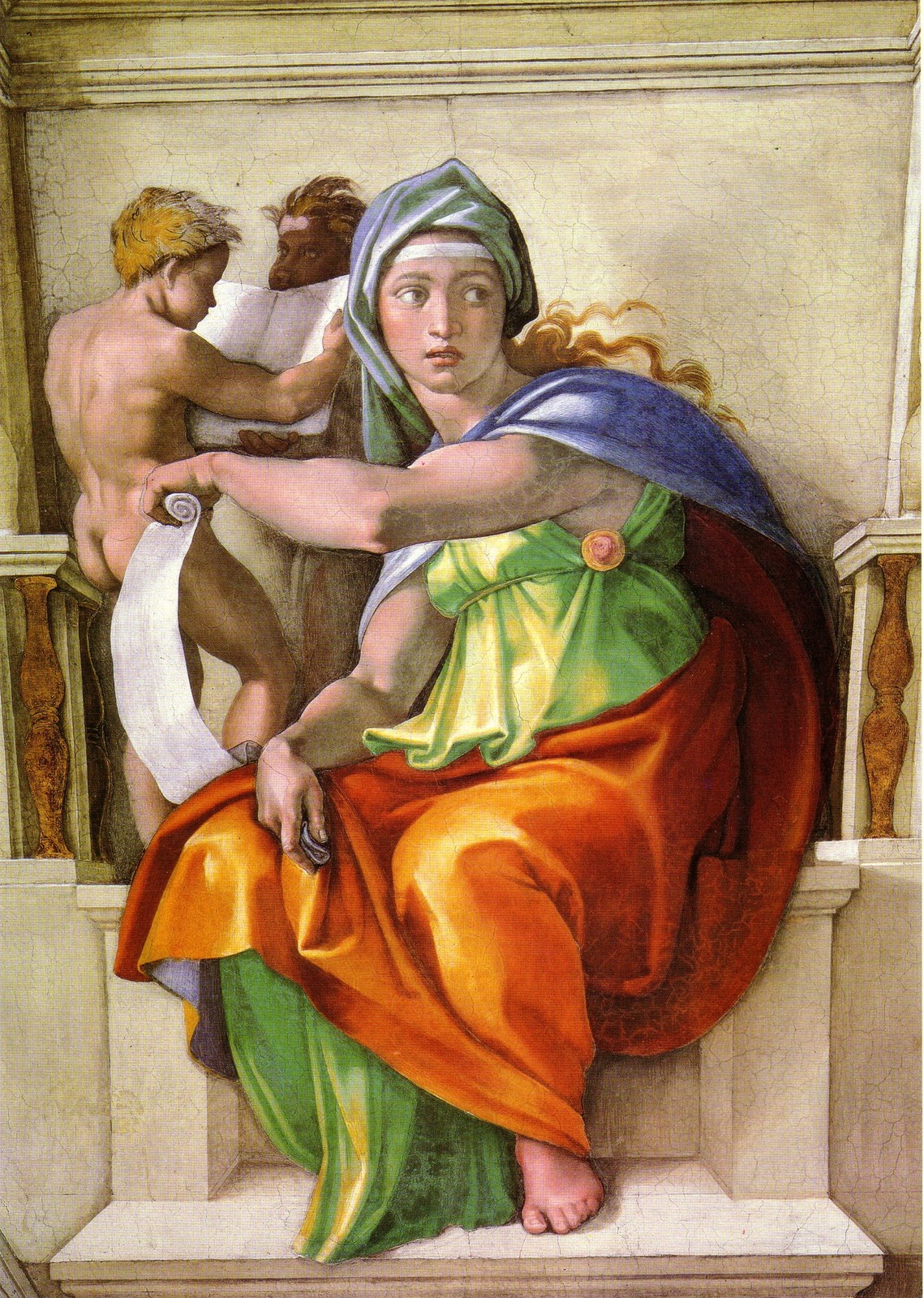
Forse, in quel momento, l’arte tornerà a essere ciò che è sempre stata: un incontro tra due silenzi, quello dell’opera e quello di chi la guarda. E in mezzo, un pensiero che nasce.
Per il momento il sempre vostro Michelangelo Buonarroti vi saluta dandovi appuntamento ai prossimi post e sui social.

Why does everyone photograph paintings but no one looks at them anymore?
They tell me that, in the art temples of your century, people no longer enter to see the works, but to capture them on small, luminous plates held in their hands. They say they raise these devices you call smartphones in front of the paintings, capture them in an instant, and then immediately move away, as if the work had been consumed, like a hastily eaten fruit that leaves no trace, neither in the mouth nor in the soul.
If this is true, I ask myself: when do you really look?
The work is not made to be taken, but to be experienced
When an artist works on stone or paint, he doesn’t think about the distracted gaze. He doesn’t work for a quick glance, nor for a hasty passage. Every stroke of the chisel, every glaze of pigment, every line is made for those who know how to pause.
A painting is not a trophy to be taken away, nor proof of presence. It doesn’t exist to say “I was here.” It exists to say: “Stop, look, and change.”
If the observer doesn’t take the time to listen to what the work says, then the work remains silent. Not because it’s empty, but because no one is listening.
A hasty gaze is the enemy of beauty.
In my time, a fresco was observed by the light that entered through the windows. The sun moved, and with it the shadows, the colors, the folds of the bodies changed. A work was never identical to itself: it lived alongside the day.
You, on the other hand, seem to want everything in a single instant. A flash, a click, an image enclosed within a screen. But what is alive cannot be enclosed within a flat surface.
Beauty needs time. It needs silence. It needs a gaze that doesn’t flee after a few heartbeats.
Art is not a backdrop for your image
They tell me that many stand before paintings not to see them, but to be seen along with them. The viewer’s face becomes more important than the painted face. The work is no longer the center: it is the setting.
It’s as if someone entered a church not to pray, but to demonstrate having been there. The sacred building becomes a decoration, a pretext, a backdrop.
But art is not meant to serve man. It is meant to test him, to question him, to force him to look within.
More images, less vision
You live in a time filled with images. Everywhere you turn, there are figures, colors, lights, faces. Yet, it seems you no longer have time for any of them.
It’s like finding yourself in a garden full of flowers and running without ever stopping to smell them. At the end of the day, you will remember the path, not the flowers. This also happens in museums: you leave with many images in your pockets, but few memories in your soul.
The most difficult thing: standing still
If I could speak to someone who enters a room full of paintings today, I would say only this: choose one. Just one. And stay.
Not for an instant, not for the time of an image, but for the time of a thought. Look at the hands, the eyes, the folds of the clothes, the shadows gathering in the corners. Look until the work begins to speak.
The image will stay with you, not inside a device, but in your memory, where no glass can reflect it and no battery can drain it.
Perhaps, in that moment, art will return to what it has always been: an encounter between two silences, that of the work and that of the viewer. And in between, a thought arises.
For now, yours truly, Michelangelo Buonarroti bids you farewell, saying we’ll see you in future posts and on social media.

Sostienici – Support Us
Se questo blog ti piace e ti appassiona, puoi aiutarci a farlo crescere sempre più sostenendoci in modo concreto condividendo i post, seguendo le pagine social e con un contributo che ci aiuta ad andare avanti con il nostro lavoro di divulgazione. . ENGLISH: If you like and are passionate about this blog, you can help us make it grow more and more by supporting us in a concrete way by sharing posts, following social pages and with a contribution that helps us to move forward with our dissemination work.
10,00 €
Condividi:


Questo sono io





sostienici

Sostienici – Support Us
Se questo blog ti piace e ti appassiona, puoi aiutarci a farlo crescere sempre più sostenendoci in modo concreto condividendo i post, seguendo le pagine social e con un contributo che ci aiuta ad andare avanti con il nostro lavoro di divulgazione. . ENGLISH: If you like and are passionate about this blog, you can help us make it grow more and more by supporting us in a concrete way by sharing posts, following social pages and with a contribution that helps us to move forward with our dissemination work.
€10,00


Sintesi verarnente centrata e molto esaustiva infatti fotografa perfettamente scysate il gioco di parole, una fruizione di massa, patologica e svuotata di ogi senso esperienziale
Portando l’io al centro dell’interazione, inteso come io sono io, ed il resto e’ sfondo.
il buon vecchio Walter Benjamin, che gia’ in tempi non sospetti scriveva:, il saggio:
(L’opera d’arte tempo della ripoducibilita’ tecnica), vedendo cio’ si rivoltera’ nella tomba..
siamo davveto in un’era post umana, in cui la tecologia ha preso il sppravvento su tutto.
"Mi piace"Piace a 1 persona
Togliere il superfluo e rimanere con l’essenziale forse aiuterebbe a guardarci un po’ più attorno senza il filtro delle tecnologie
"Mi piace""Mi piace"
Se l’arte prima non la si studia a lungo e si impara a conoscerla, a leggerla, a capirla c’è ben poco da guardare … o fotografare, fa lo stesso.
"Mi piace""Mi piace"
Non sono d’accordo. Certo lo studio è importante ma non è accessibile solo agli eruditi, ci mancherebbe altro. Il mio alter ego ha portato le sue bimbe fin da piccole nei musei e le assicuro che già a tre anni le ho viste emozionarsi e rimanere affascinate da capolavori ma anche da opere meno note
"Mi piace""Mi piace"
… perché lei era entusiasta e le ha predisposte, anche con piccoli e apparentemente insignificanti comportamenti a casa, ma quanti crede trasmettano la stessa cosa ai figli?
"Mi piace""Mi piace"
Può essere. I bambini hanno mille risorse e idee, lasciargli spazio per pensare, sperimentare, provare e pure fallire fa la differenza ma si può fare lontano dai dispositivi elettronici he tutto standardizzano e rendono sbagliato ciò che non rispetta le leggi di mercato
"Mi piace""Mi piace"