
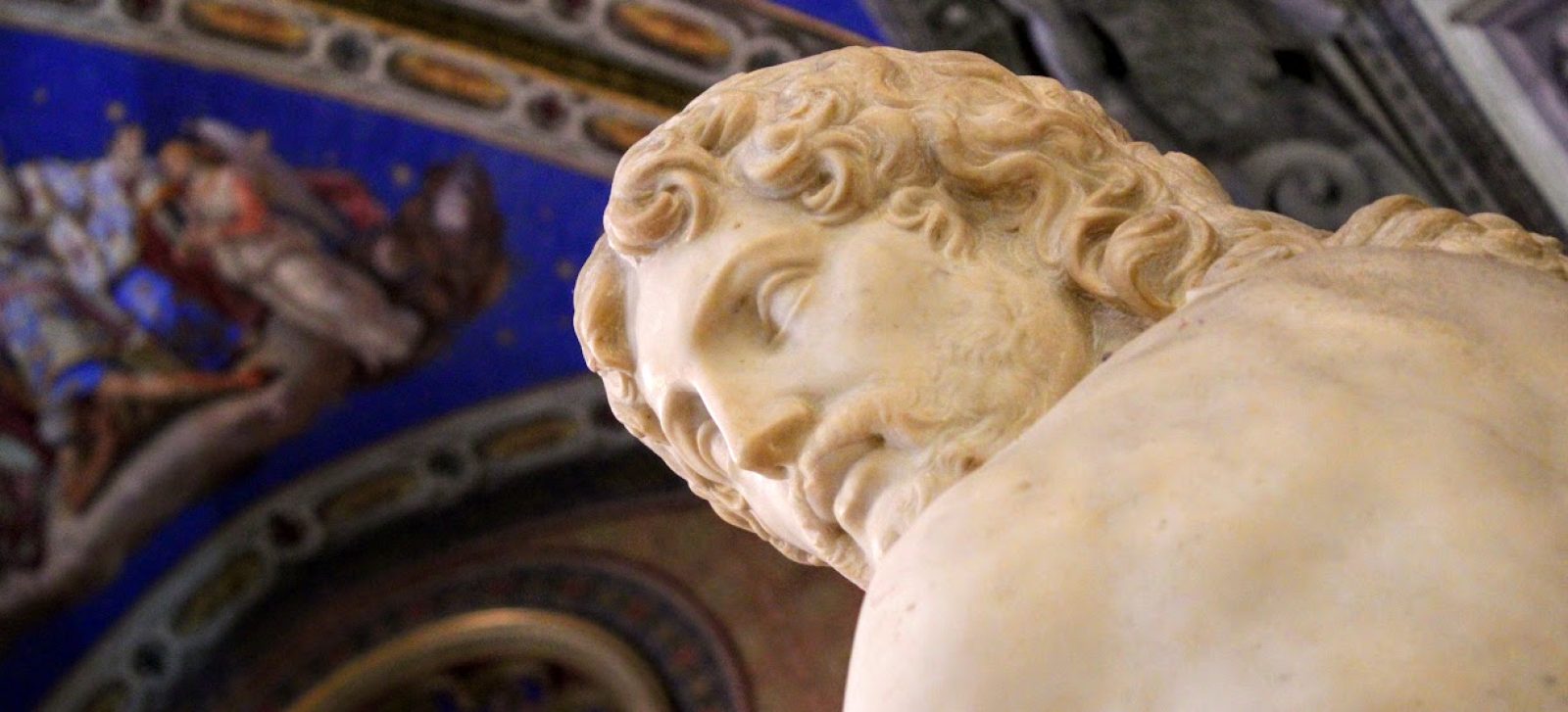
1° novembre 1757: il giorno di Ognissanti nasce Antonio Canova
Era un giorno come oggi, il 1° novembre del 1757, quando venne al mondo lo scultore Antonio Canova. E chi l’avrebbe mai detto che quel bimbo appena venuto alla luce crescendo sarebbe divenuto uno dei più grandi scultori di sempre?
Scrisse Antonio d’Este: “Antonio Canova vide la luce in Possagno, diocesi di Treviso, nello Stato Veneto, sull’ entrare del novembre del 1757. Il padre fu Pietro, la madre Angela Zardo, nata in Crespano”.
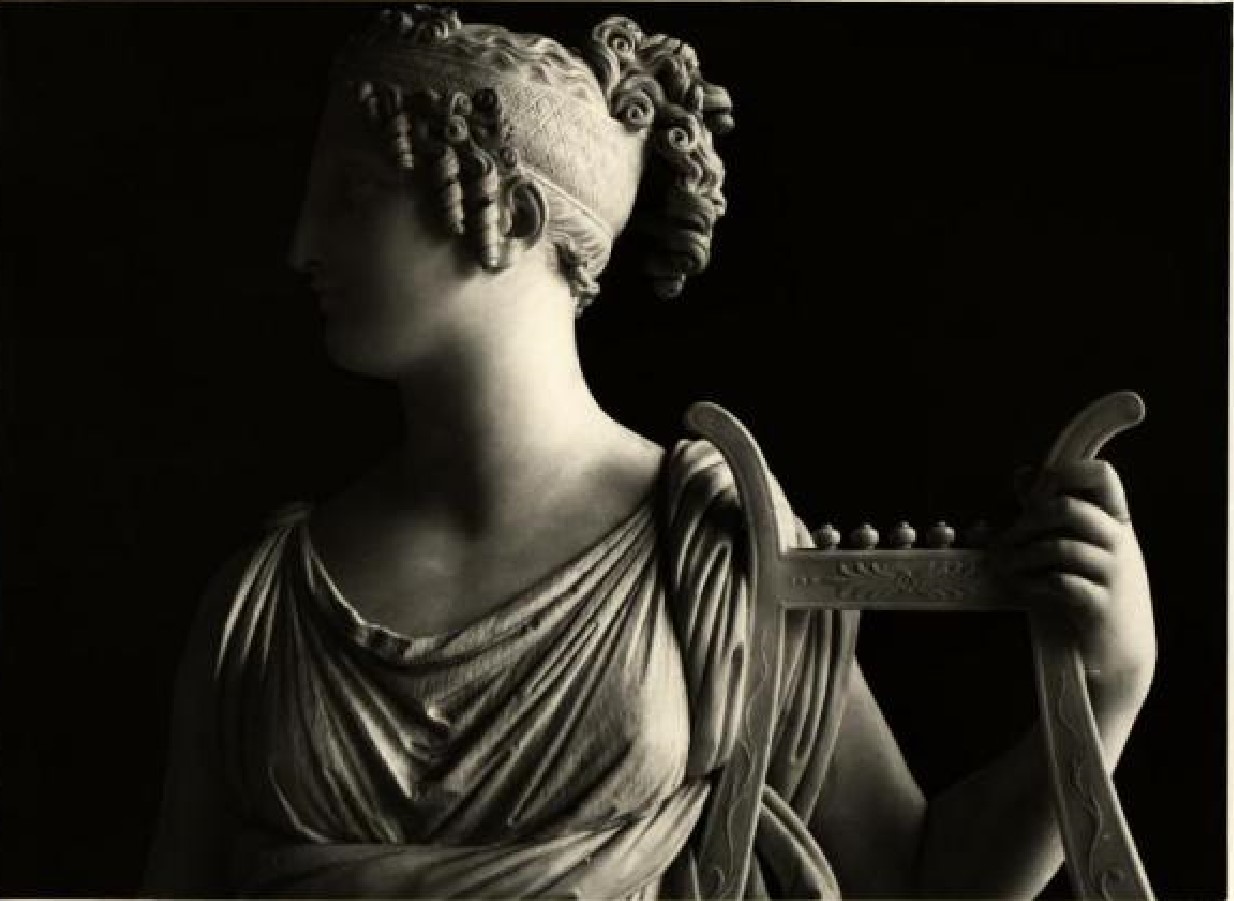
Rimasto orfano del padre Pietro, scalpellino e architetto a soli tre anni, fu affidato al nonno paterno, Pasino Canova, anch’egli un abile scalpellino e capomastro. Dal nonno apprese le basi del mestiere e mostrò subito un talento eccezionale per la scultura.
Nel 1768 Canova si recò a Venezia per il suo apprendistato, entrando nella bottega di Giuseppe Bernardi, detto il Torretti. Frequentò la Pubblica Accademia del Nudo, dove realizzò le prime opere che gli diedero fama immediata, come il gruppo scultoreo di Dedalo e Icaro.
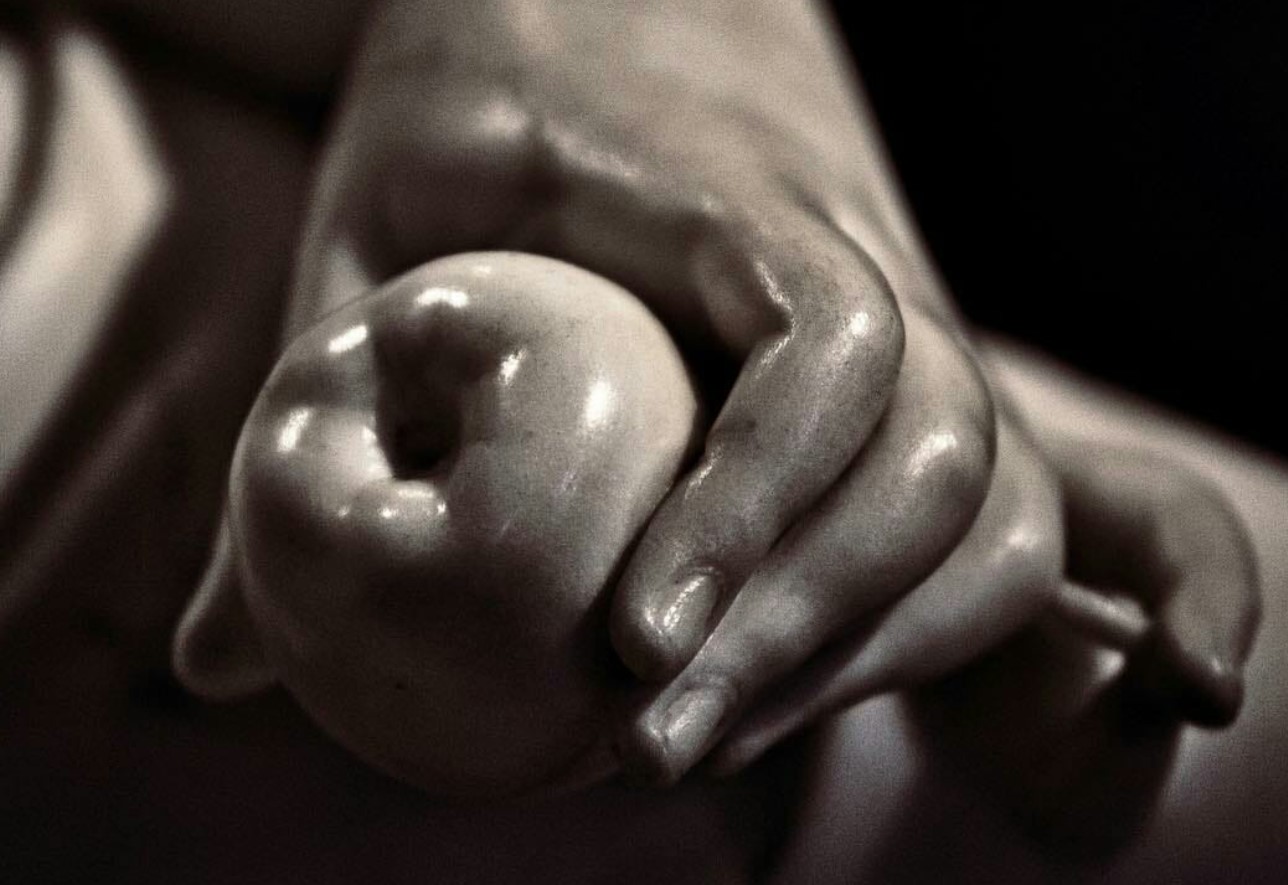
Nel 1779 si trasferì a Roma, l’epicentro dell’arte classica, grazie a una pensione concessagli dal Senato Veneto. Lì ebbe modo di studiare l’arte antica, l’Apollo del Belvedere, le sculture Capitoline e altre opere antiche.
Il suo metodo di scolpire era rigoroso. Partiva da disegni, passava per modelli in argilla e gesso, fino alla scultura finale in marmo, con la celebre finitura delle superfici per ottenere un effetto accomunabile a quello della carne.
A Roma si stabilì definitivamente nel 1781. In questo periodo produsse capolavori che lo consacrarono come il “Nuovo Fidia” quali il Teseo sul Minotauro, Amore e Psiche giacenti ed Ercole e Lica.

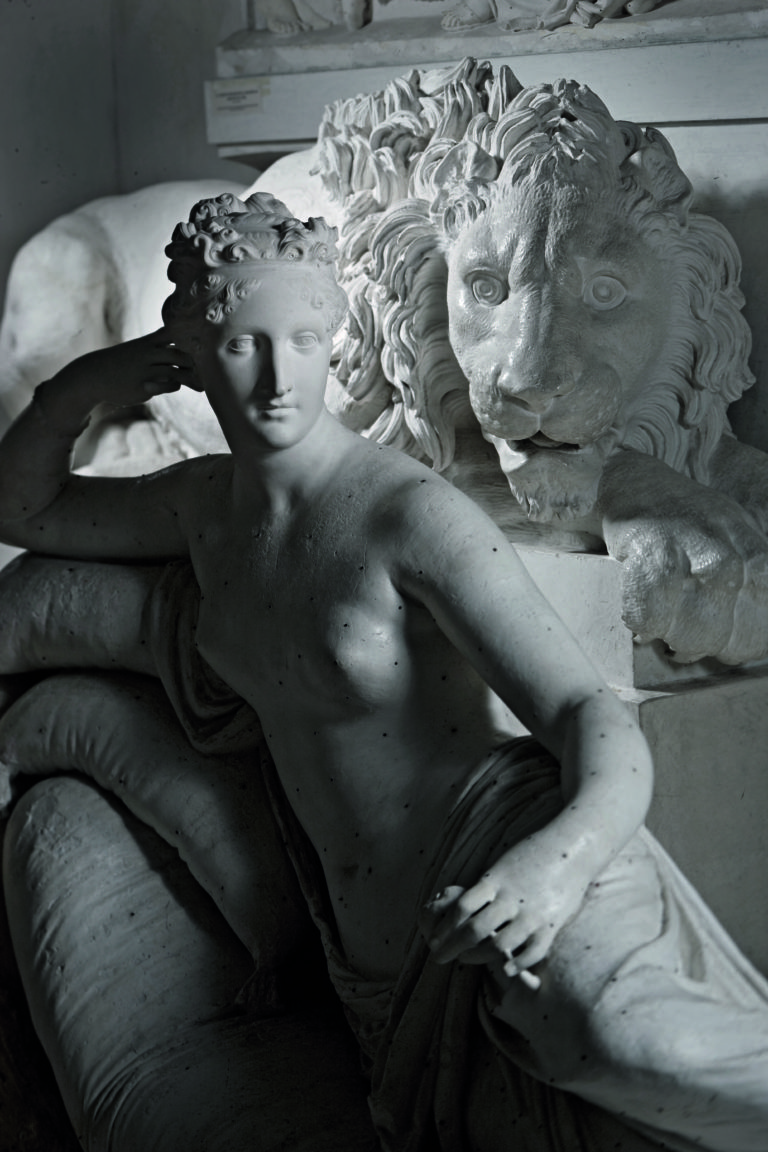
All’inizio del XIX secolo, con l’ascesa di Napoleone, Canova divenne l’artista ufficiale del regime. Realizzò numerosi ritratti, tra cui la celebre Paolina Borghese come Venere Vincitrice , ritraendo la sorella di Napoleone in una posa sensuale ma idealizzata.
Dopo la caduta di Napoleone, nel 1815, Canova fu inviato a Parigi da Papa Pio VII con l’incarico di riportare in Italia le opere d’arte che erano state saccheggiate durante le campagne napoleoniche. Riuscì a recuperare tanti capolavori anche se alla Francia ne rimasero fin troppi.
Antonio Canova morì a Venezia il 13 ottobre 1822 e le sue spoglie furono poi tumulate nel Tempio Canoviano a Possagno, un edificio da lui stesso progettato.
Per il momento il sempre vostro Michelangelo Buonarroti vi saluta dandovi appuntamenti ai prossimi post e sui social.
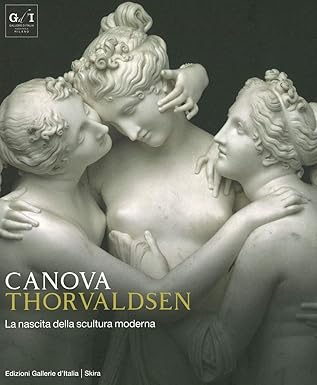
November 1, 1757: Antonio Canova was born on All Saints’ Day
It was a day like today, November 1, 1757, when the sculptor Antonio Canova was born. And who would have ever thought that this newborn child would grow up to become one of the greatest sculptors of all time?
Antonio d’Este wrote: “Antonio Canova was born in Possagno, in the diocese of Treviso, in the Veneto region, at the beginning of November 1757. His father was Pietro, his mother Angela Zardo, born in Crespano.”
Once he lost his father Pietro, a stonemason and architect, at just three years old, he was entrusted to his paternal grandfather, Pasino Canova, also a skilled stonemason and master builder. From his grandfather, he learned the basics of the trade and immediately demonstrated an exceptional talent for sculpture.
In 1768, Canova went to Venice for his apprenticeship, joining the workshop of Giuseppe Bernardi, known as Torretti. He attended the Public Academy of the Nude, where he created the first works that brought him immediate fame, such as the sculptural group of Daedalus and Icarus.
In 1779, he moved to Rome, the epicenter of classical art, thanks to a pension granted to him by the Venetian Senate. There, he studied ancient art, the Apollo Belvedere, the Capitoline sculptures, and other ancient works.
His sculpting method was rigorous. He began with drawings, followed by clay and plaster models, and finally finished the marble sculpture, with his famous surface finishing to achieve a flesh-like effect.
He settled permanently in Rome in 1781. During this period, he produced masterpieces that established him as the “New Phidias,” such as Theseus and the Minotaur, Cupid and Psyche, and Hercules and Lichas.
At the beginning of the 19th century, with the rise of Napoleon, Canova became the regime’s official artist. He created numerous portraits, including the famous Pauline Borghese as Venus Victrix, portraying Napoleon’s sister in a sensual yet idealized pose.
After Napoleon’s fall in 1815, Canova was sent to Paris by Pope Pius VII with the task of bringing back to Italy the works of art that had been looted during Napoleon’s campaigns. He managed to recover many masterpieces, although France retained far too many.
Antonio Canova died in Venice on October 13, 1822, and his remains were later interred in the Canova Temple in Possagno, a building he himself designed.
For now, yours truly, Michelangelo Buonarroti bids farewell and invites you to see him in future posts and on social media.

Sostienici – Support Us
Se questo blog ti piace e ti appassiona, puoi aiutarci a farlo crescere sempre più sostenendoci in modo concreto condividendo i post, seguendo le pagine social e con un contributo che ci aiuta ad andare avanti con il nostro lavoro di divulgazione. . ENGLISH: If you like and are passionate about this blog, you can help us make it grow more and more by supporting us in a concrete way by sharing posts, following social pages and with a contribution that helps us to move forward with our dissemination work.
10,00 €
Condividi:


Questo sono io





sostienici

Sostienici – Support Us
Se questo blog ti piace e ti appassiona, puoi aiutarci a farlo crescere sempre più sostenendoci in modo concreto condividendo i post, seguendo le pagine social e con un contributo che ci aiuta ad andare avanti con il nostro lavoro di divulgazione. . ENGLISH: If you like and are passionate about this blog, you can help us make it grow more and more by supporting us in a concrete way by sharing posts, following social pages and with a contribution that helps us to move forward with our dissemination work.
€10,00


