

Meraviglia e Spiritualità: la mostra ‘Splendor Lucis’ di Eva Antulov a Roma
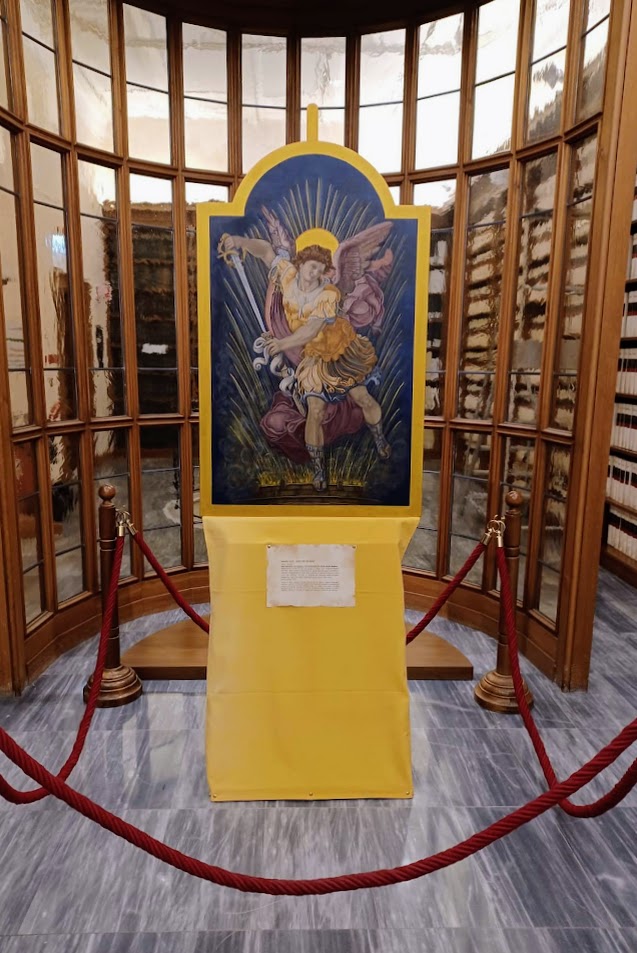
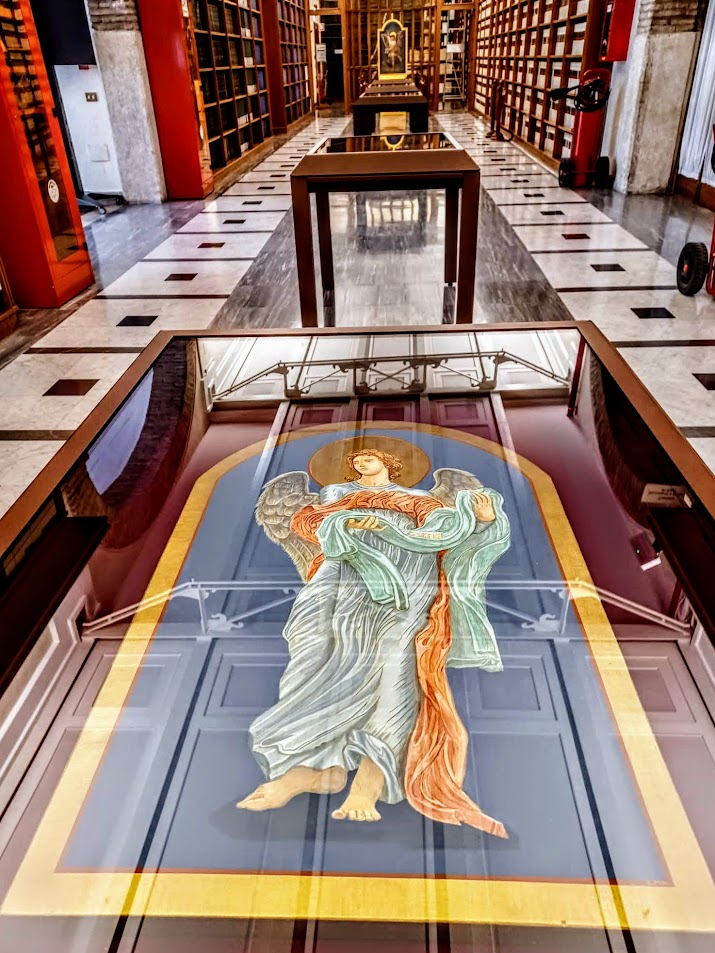
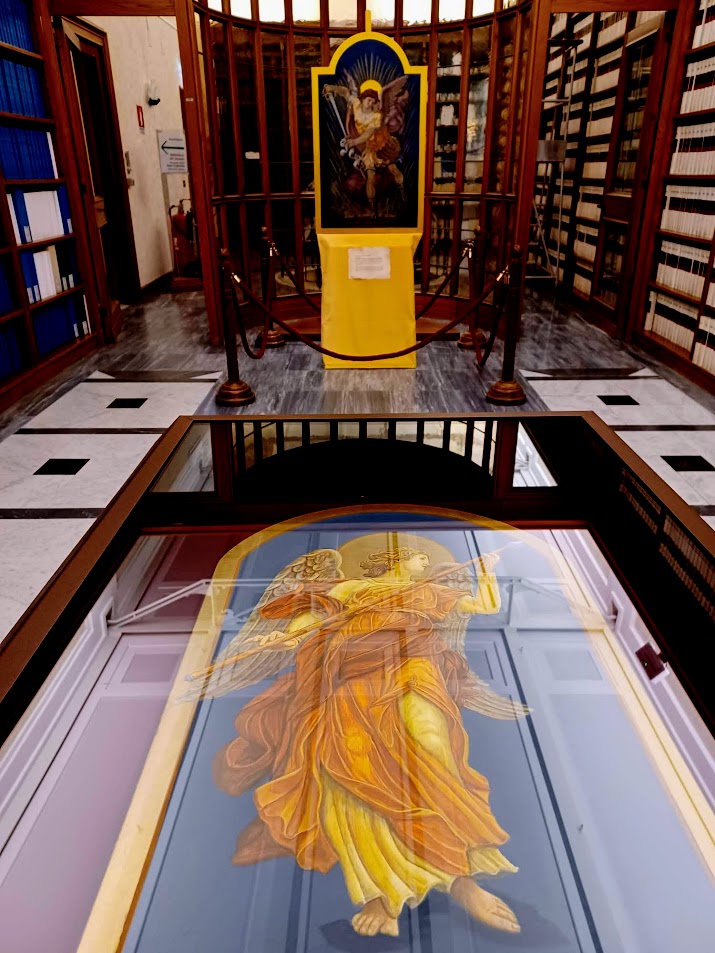
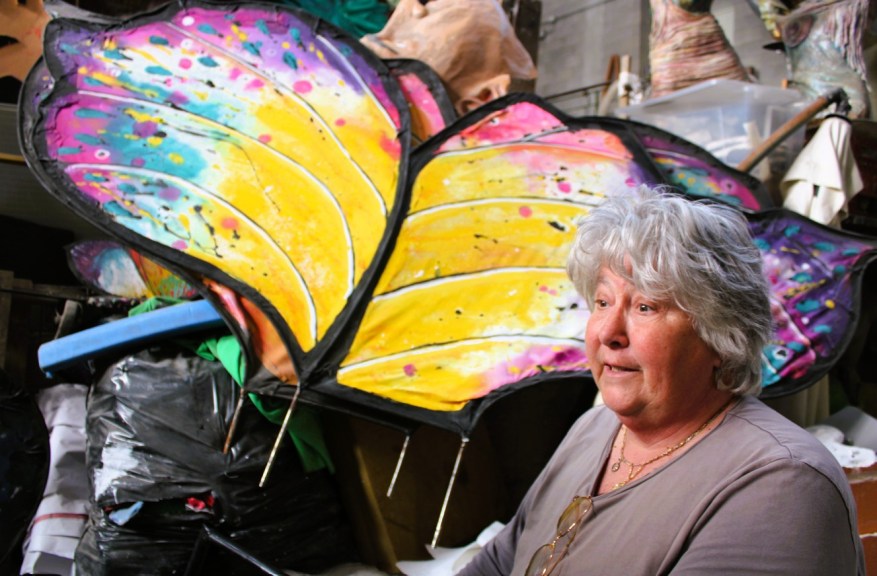
A Roma, nella Biblioteca della Camera dei Deputati, è in coso la mostra ‘Splendor Lucis – Angeli della Girandola di Castel Sant’Angelo’ con le icone realizzate dall’artista Eva Antulov.
L’esposizione mette in luce degli Angeli con la nota Girandola la cui rievocazione storica è andata in scena anche questo 29 giugno grazie all’ingegno di Giuseppe Passeri a Castel Sant’Angelo.
La mostra propone lo storico evento dei fuochi d’artificio che nel corso dei secoli ha destato l’interesse di tanti artisti, poeti e architetti come Gian Lorenzo Bernini, Virginio Vespignani, Johann Wolfgang von Goethe, Charles Dickens e tanti altri, ma più di tutti il mio d’interesse.
Il suo significato religioso affonda le sue radici in un episodio miracoloso accaduto nel lontano 590, quando a causa della peste che stava decimando la popolazione romana, papa San Gregorio Magno volle organizzare una processione attraverso la città sorreggendo l’Icona della Madonna con Gesù Bambino dipinta da San Luca e oggi nota come Salus Populi Romani, custodita nella Basilica Papale di Santa Maria Maggiore.
Quando la processione arrivò dinanzi al Mausoleo dell’Imperatore Adriano, Papa Gregorio e tutti i fedeli videro apparire sulla cima del monumento l’Arcangelo Michele che, rinfoderando la spada, indicò la fine della peste. Da allora il Mausoleo si legò al culto angelico e fu rinominato “Castel Sant’Angelo”.
L’esposizione si fonda su questi due eventi: l’apparizione di San Michele Arcangelo e la storica Girandola che vuole ricordare con la sua potenza pirotecnica il luminoso miracolo della visione celeste.
San Michele Arcangelo appare così come si vede dipinto nell’icona centrale della mostra, solo molto più bello, molto più luminoso, molto più angelo e molto più portatore e riflesso della luce di Dio, dello splendore della luce. E Giuseppe Passeri con la Girandola cerca di rievocare questo sacro momento del passato con potenti fasci di luce pirotecnici e scenografici, quasi come se dal bagliore dei fuochi d’artificio dovesse uscire da un momento all’altro di nuovo San Michele per benedire tutti i presenti.
Il percorso delle Icone degli Angeli porta il visitatore verso lo “splendore della luce”: la luminosità strabiliante dell’Angelo apparso, San Michele, e allo stesso tempo alla luminosità simbolica del meraviglioso fuoco d’artificio della Girandola.
“Le mie icone si basano sulla mistica e solo in parte sulla tecnica delle icone tradizionali bizantine. Le icone sono, infatti, un mezzo di spiritualità – afferma l’artista Eva Antulov – In confronto alle immagini sacre dell’occidente, le icone d’oriente rappresentano qualcosa in più. E questo da sempre mi ha affascinato.
Secondo la fede ortodossa, le icone non sono semplicemente un’immagine che raffigura una persona sacra o un aspetto di rivelazione di Dio. Sono mediatori che stabiliscono un contatto con il sacro stesso. Sono una forma di rivelazione divina. Sono considerati “finestre sul Divino”, attraverso le quali i credenti possono vedere più di quanto l’occhio umano possa vedere.
Rendere visibile il non visibile. Questa è una frase che ricorre molto spesso nelle mie riflessioni sulle icone dipinte, è come un filo rosso che collega tutte insieme, i tutti i sensi, cioè nel senso reale, spirituale e trascendentale”.
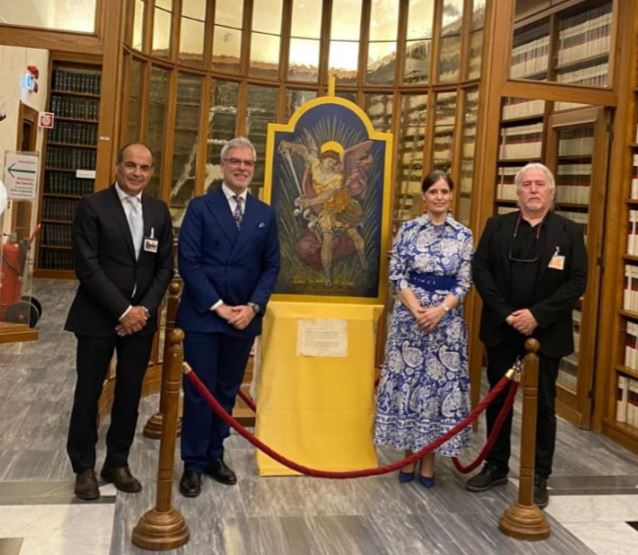
La mostra è a ingresso libero e rimarrà aperta fino al 4 luglio dalle ore 10 fino alle 18, dal lunedì al venerdì.
Biblioteca della Camera dei Deputati “Nilde lotti”. Palazzo del Seminario – Via del Seminario 76, Roma.
Per il momento il sempre vostro Michelangelo Buonarroti vi saluta dandovi appuntamento ai prossimi post e sui social.
Splendor Lucis: the Angels of the Girandola of Castel Sant’Angelo in Rome
In Rome, in the Library of the Chamber of Deputies, the exhibition ‘Splendor Lucis – Angels of the Girandola of Castel Sant’Angelo’ is underway with icons created by the artist Eva Antulov.
The exhibition expresses the connection of the Angels with the famous Girandola whose historical re-enactment was staged again this year on June 29 thanks to the ingenuity of Giuseppe Passeri at Castel Sant’Angelo.
The exhibition presents the historic event of fireworks that over the centuries has aroused the interest of many artists, poets and architects such as Gian Lorenzo Bernini, Virginio Vespignani, Johann Wolfgang von Goethe, Charles Dickens and many others, but most of all my interest.
Its religious significance has its roots in a miraculous episode that occurred way back in 590, when, due to the plague that was decimating the Roman population, Pope Saint Gregory the Great wanted to organize a procession through the city holding the Icon of the Madonna with Baby Jesus painted by Saint Luke and today known as Salus Populi Romani, kept in the Papal Basilica of Santa Maria Maggiore.
When the procession arrived in front of the Mausoleum of Emperor Hadrian, Pope Gregory and all the faithful saw the Archangel Michael appear on the top of the monument and, sheathing his sword, indicated the end of the plague. Since then, the Mausoleum was linked to the cult of angels and was renamed “Castel Sant’Angelo”.
The exhibition is based on these two events: the apparition of Saint Michael the Archangel and the historic Girandola that wants to remember with its pyrotechnic power the luminous miracle of the celestial vision.
Saint Michael the Archangel appears as he is painted in the central icon of the exhibition, only much more beautiful, much brighter, much more of an angel and much more the bearer and reflection of God’s light, of the splendor of light. And Giuseppe Passeri with the Girandola tries to recall this sacred moment of the past with powerful pyrotechnic and scenographic beams of light, almost as if from the glow of the fireworks Saint Michael were to emerge again at any moment to bless all those present.
The path of the Icons of the Angels leads the visitor towards the “splendor of light”: the astonishing brightness of the Angel who appeared, Saint Michael, and at the same time to the symbolic brightness of the wonderful firework of the Girandola.
“My icons are based on mysticism and only partly on the technique of traditional Byzantine icons. Icons are, in fact, a means of spirituality,” says artist Eva Antulov. “In comparison to the sacred images of the West, Eastern icons represent something more. And this has always fascinated me.
According to the Orthodox faith, icons are not simply an image depicting a sacred person or an aspect of God’s revelation. They are mediators that establish contact with the sacred itself. They are a form of divine revelation. They are considered “windows to the Divine,” through which believers can see more than the human eye can see.
Making the invisible visible. This is a phrase that recurs very often in my reflections on painted icons, it is like a red thread that connects them all together, all the senses, that is, in the real, spiritual and transcendental sense.”
The exhibition is free to enter and will remain open until July 4th from 10 am to 6 pm, from Monday to Friday.
Library of the Chamber of Deputies “Nilde Lotti”. Palazzo del Seminario – Via del Seminario 76, Rome.
For the moment, yours ever Michelangelo Buonarroti bids you farewell, making an appointment with you in the next posts and on social media.
Articoli
Condividi:


Questo sono io





sostienici

Sostienici – Support Us
Se questo blog ti piace e ti appassiona, puoi aiutarci a farlo crescere sempre più sostenendoci in modo concreto condividendo i post, seguendo le pagine social e con un contributo che ci aiuta ad andare avanti con il nostro lavoro di divulgazione. . ENGLISH: If you like and are passionate about this blog, you can help us make it grow more and more by supporting us in a concrete way by sharing posts, following social pages and with a contribution that helps us to move forward with our dissemination work.
€10,00


