
L’Ipogeo dei Cristallini nel Rione Sanità a Napoli: unico al mondo
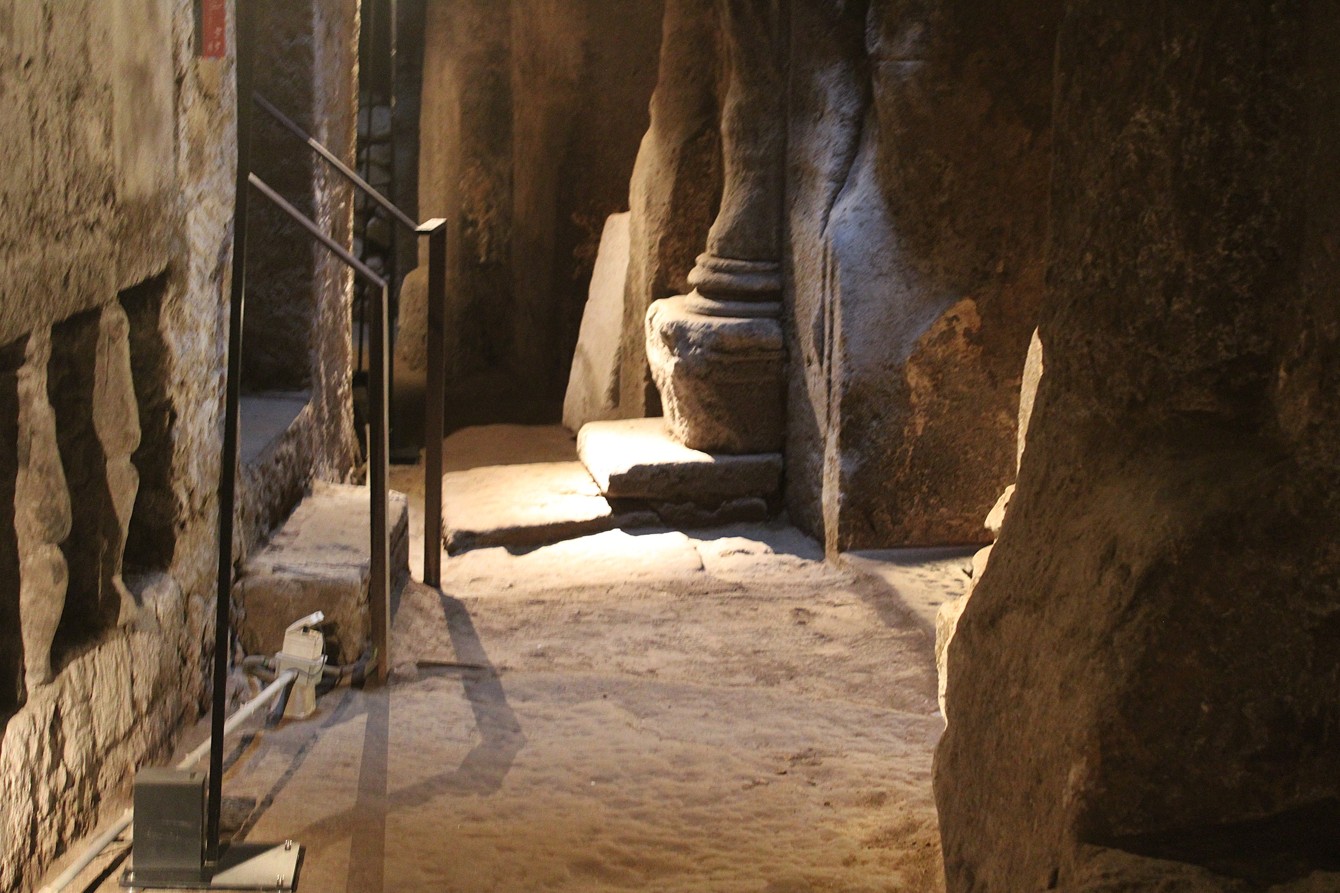
Immaginatevi di scendere undici metri sotto il piano di calpestio per ritrovarvi all’improvviso nel cuore della Magna Grecia, tra le coloratissime sculture delle divinità e colonne scanalate scolpite nel tufo.
Siamo a Napoli, nel Rione Sanità, dove al di sotto del Palazzo di Donato, il barone Giovanni di Donato rinvenne durante dei lavori di scavo quattro camere sepolcrali risalenti al periodo compreso tra il IV e il III secolo a.C..
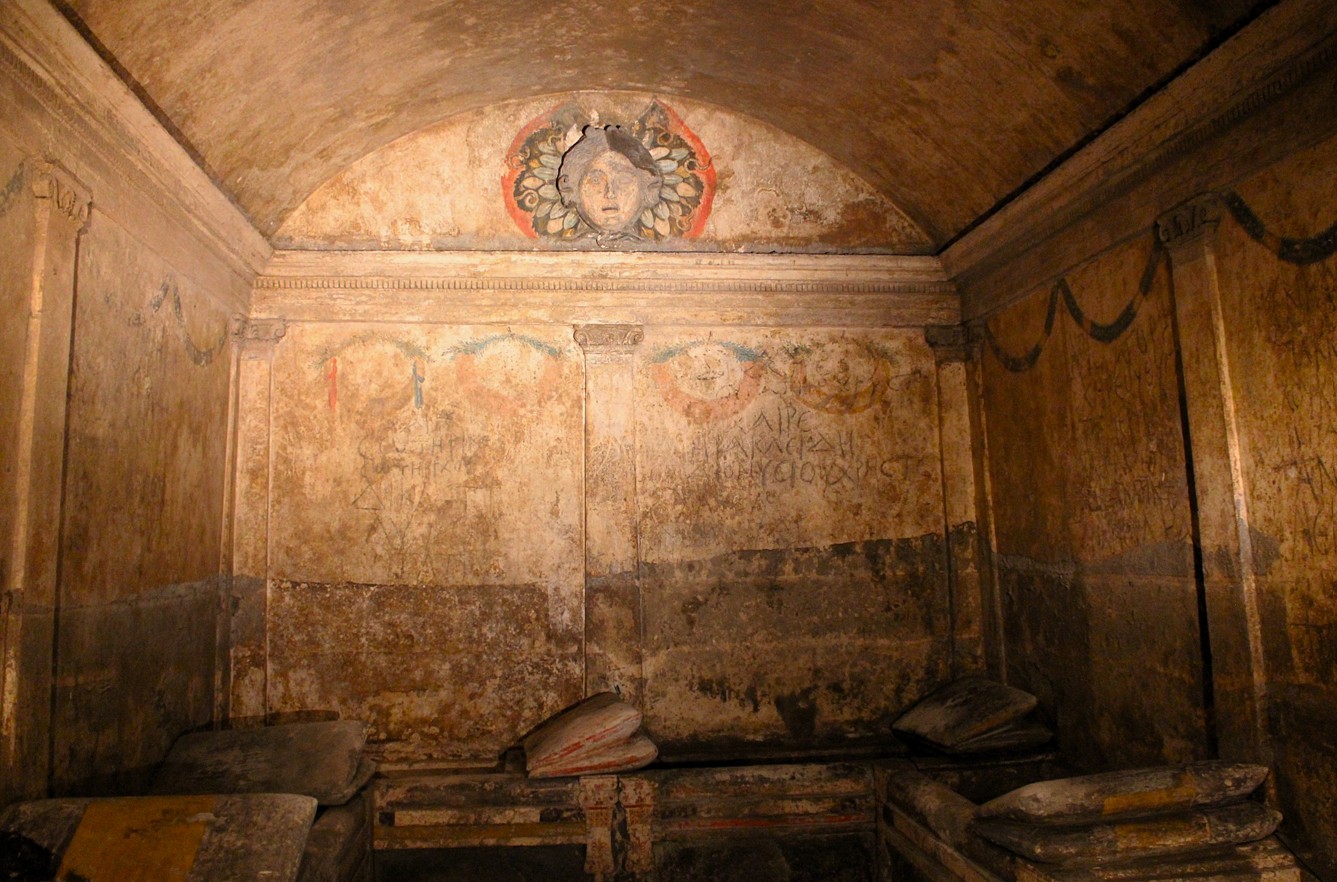
È una sorprendente testimonianza della Neapolis greca ancora ricca di pitture parietali realizzate con colori vivaci, decori e stucchi. Tanti i resti dei defunti al momento non presenti in loco perché in fase di studio e i vasi rinvenuti, molti dei quali custoditi al Museo Archeologico di Napoli.
L’Ipogeo dei Cristallini e l’apertura del sito archeologico al pubblico
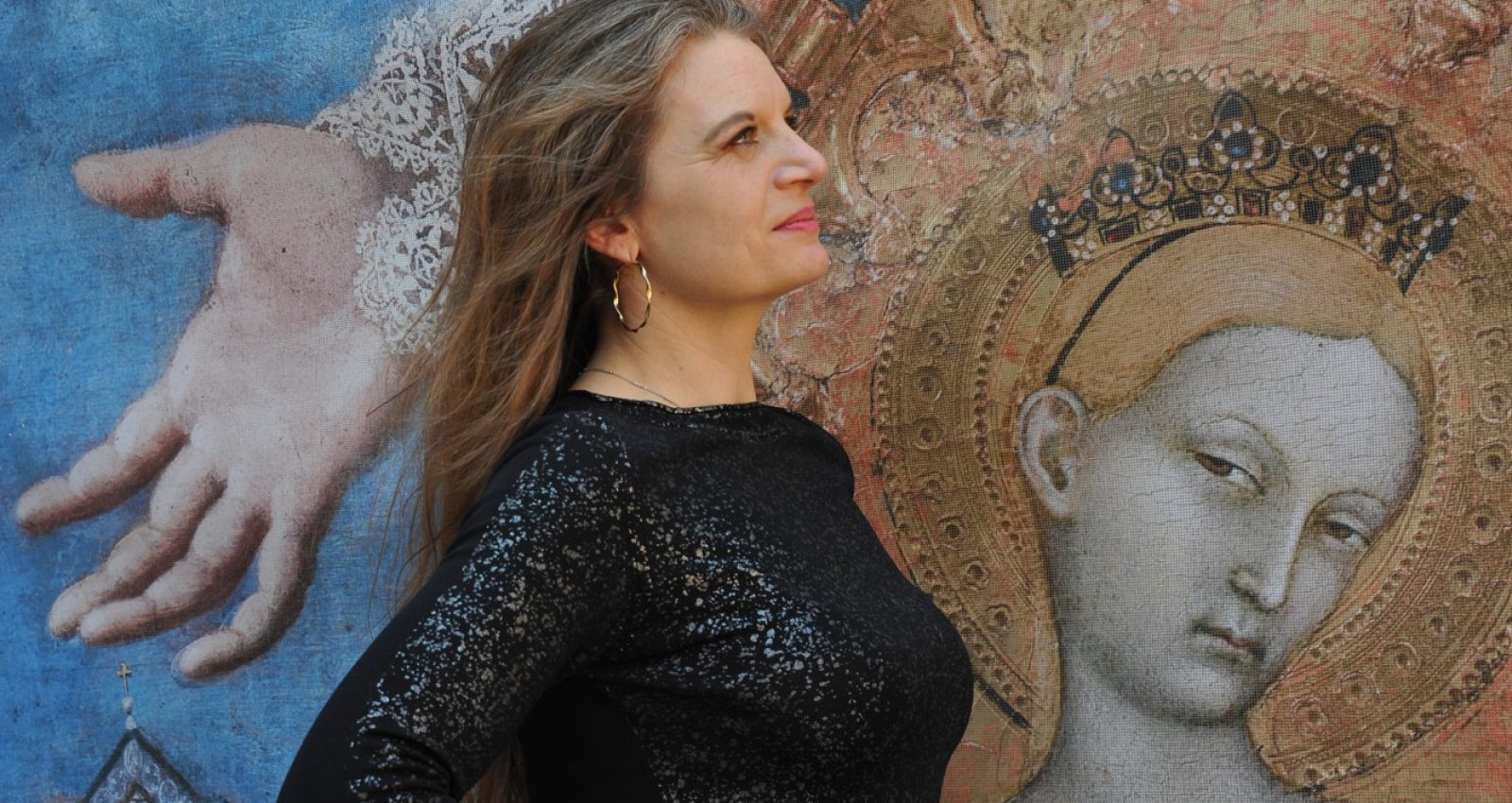
L’Ipogeo dei Cristallini è rimasto inaccessibile al pubblico per anni e anni, fino a quando è stato ereditato dalla famiglia Martuscelli. Alessandra Calise Martuscelli, direttrice e proprietaria dell’Ipogeo dei Cristallini mi parla di come è riuscita a rendere fruibile al pubblico questo scrigno archeologico preziosissimo a partire dal 24 giugno del 2022.
Le brillano gli occhi mentre racconta dell’evolversi dei fatti che le hanno permesso di aprire alla città e al mondo l’ipogeo funerario ellenico.
Aveva lasciato Napoli da tempo, viveva a Milano conducendo una vita agiata ma Napoli le mancava come l’aria. Voleva fare qualcosa di concreto per una città che sentiva richiamarla come una calamita. In tanti, soprattutto dall’estero, le chiedevano di poter entrare nell’Ipogeo di cui conoscevano l’esistenza. luogo denso di storia e di arte.
Ha fatto le valige riempiendole con la sua tenacia e i suoi sogni sapendo che li avrebbe concretizzati, senza ancora avere idea del come poterlo fare. Rendere fruibile a tutti l’ipogeo, patrimonio dell’umanità, era il suo obiettivo.
Mi tornano in mente le parole scritte da Paulo Coelho nelll’Alchimista: “Quando desideri qualcosa tutto l’universo cospira affinché tu realizzi il tuo desiderio”.
Una serie di eventi concatenati le hanno consentito di ricevere il primo finanziamento per dare il via ai restauri coordinati dalla sovrintendenza.
Storia e peculiarità dell’Ipogeo dei Cristallini
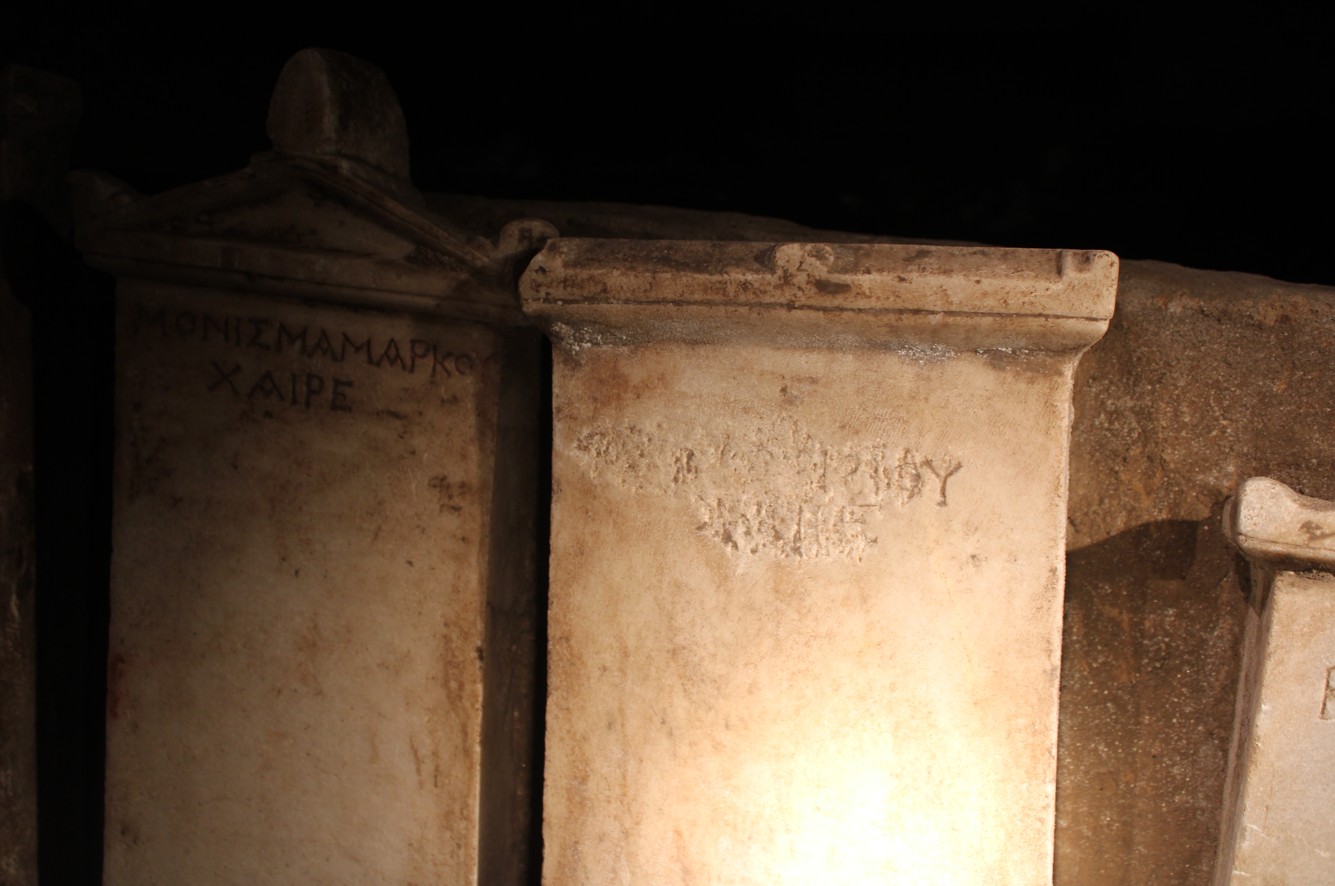
La storia dell’Ipogeo dei Cristallini ha origini remote e risale a più di 2300 anni fa. L’area dei Vergini situata all’interno del quartiere Sanità, a partire dal Quarto secolo a.C. fu destinata a necropoli con l’escavazione nel tufo di tombe a camera e successivamente con la realizzazione delle grandi catacombe paleocristiane. I greci che abitavano nell’antica Neapolis facente parte della Magna Grecia, si premurarono di realizzare ipogei funerari dove far riposare i propri defunti proprio come l’Ipogeo dei Cristallini, ubicato al civico 133 di Via dei Cristallini.
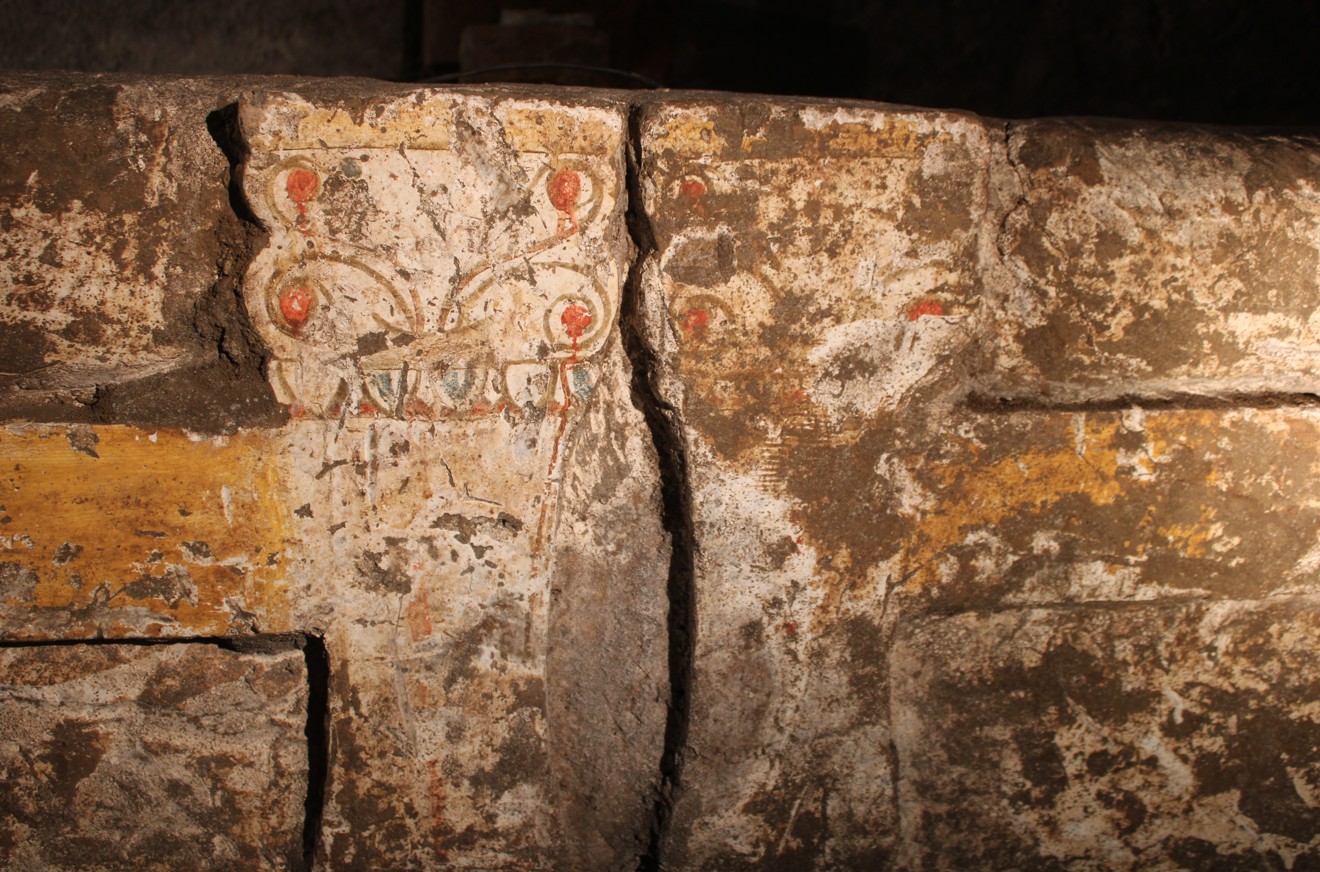
Le quattro camere sepolcrali costituiscono un patrimonio incredibile di pittura e architettura ellenica molto ben conservato. In origine la parte superiore dedicata al culto dei morti era a cielo aperto: è stata infatti la stratificazione di quella che viene denominata ‘lava dei Vergini’, corrente pluviale di detriti e fango proveniente da Capodimonte, a seppellire ogni cosa secolo dopo secolo. L’ambiente anossico nel quale a lungo sono rimasti i colori originali delle pitture, hanno probabilmente contribuito alla loro conservazione, nonostante l’elevato tasso di umidità dell’aria.
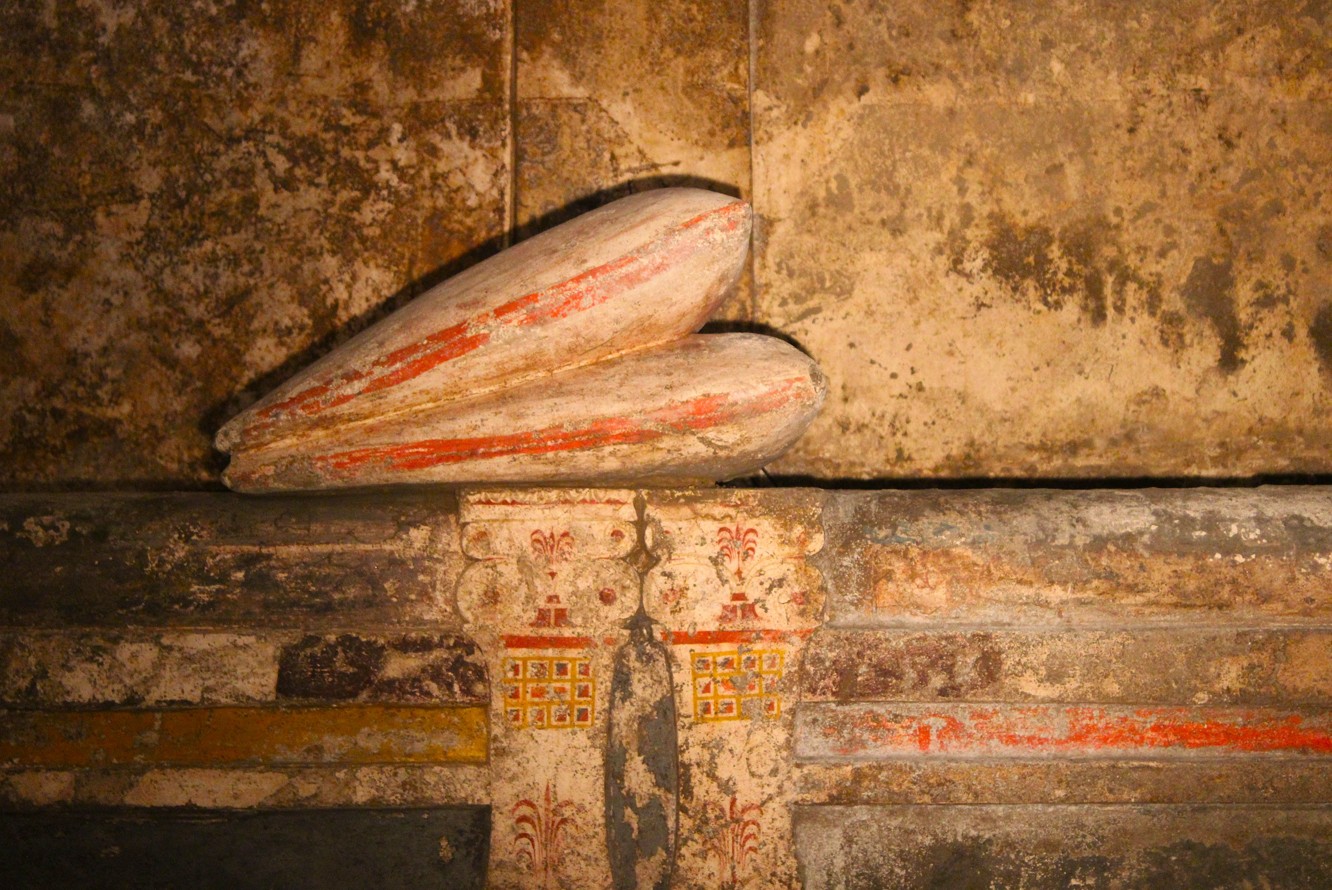
Le quattro tombe sono tutte formate da due camere sovrapposte: quella superiore era destinata al culto dei morti perpetrato dai vivi mentre quella inferiore raggiungibile da una scala, era occupata da tre letti sepolcrali su entrambi i lati lunghi e due su un solo lato corto per un totale di otto sepolcri.
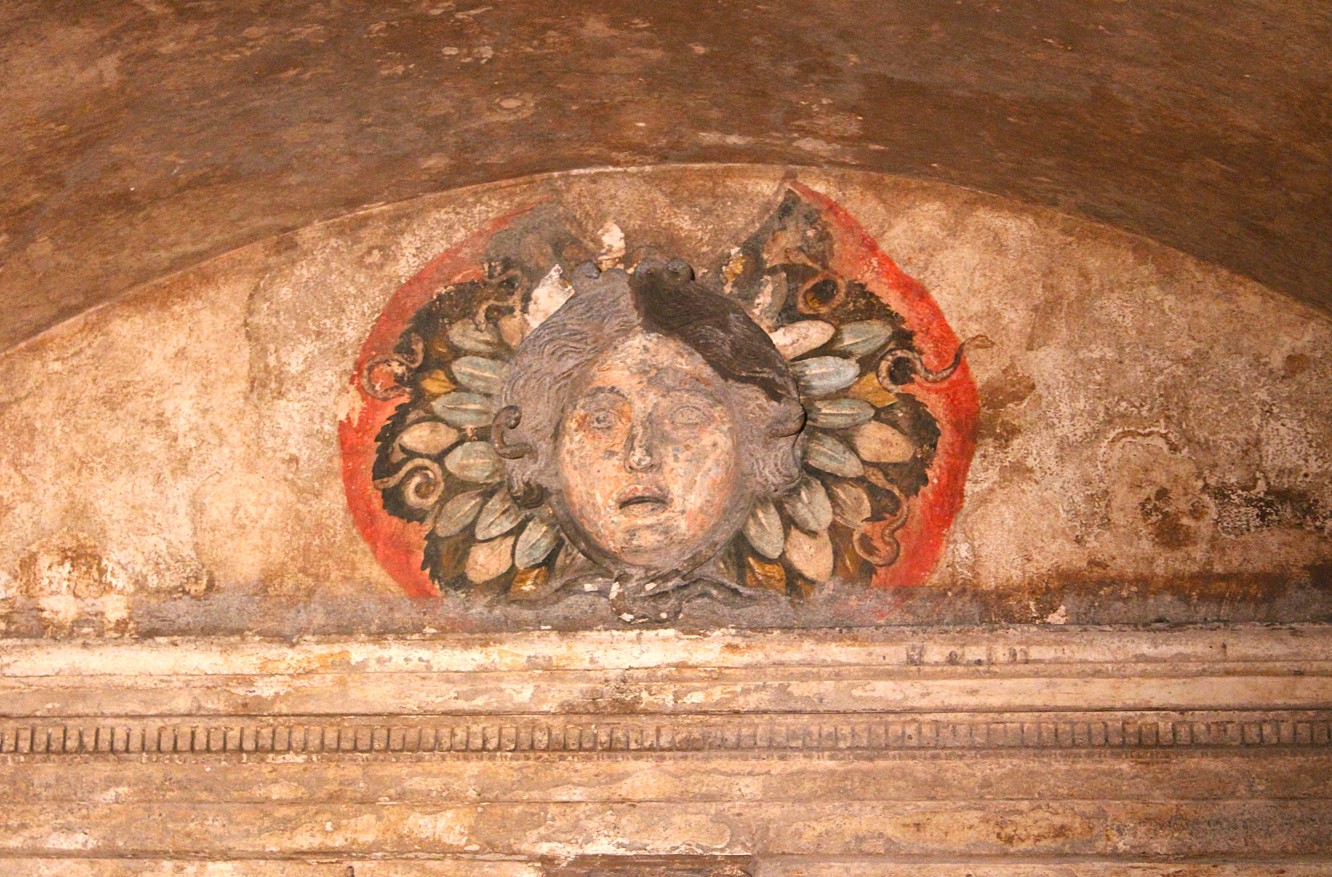
Senza dubbio l’ambiente più spettacolare è la camera sepolcrale C, dominata dall’alto dalla testa di Medusa policroma decorata con foglie, serpi intrecciate e la bocca semi dischiusa quasi fosse una scultura del Bernini che lascia intravedere i denti.
Sono rarissime le testimonianze di pittura greca giunte fino ai nostri tempi ma nell’ipogeo ce ne sono diverse che mostrano quale grado di finitezza avessero raggiunto i pittori ellenici.
Ci sono il preziosissimo blu egizio, il giallo ocra, il rosso carminio e l’utilizzo delle terre verdi stese a pennello oltre 2300 anni fa e ancora ben visibili.
La Fondazione Ipogeo dei Cristallini e la rinascita del Rione Sanità
Alessandra Calise assieme al marito Giampiero Martuscelli hanno creato la Fondazione Ipogeo dei Cristallini: ente no profit che dedica corpo e anima al coinvolgimento di tutta la comunità per la salvaguardia del patrimonio culturale, materiale e immateriale del rione Sanità. Un progetto importante che negli ultimi anni ha contribuito in modo significativo a migliorare la qualità di vita in una zona che fino agli inizi del duemila era una delle più difficili e complicate di tutta Napoli. La Fondazione, oltre ad occuparsi della salvaguardia e alla promozione del sito archeologico, elargisce a titolo gratuito importanti corsi di formazione per chi vive alla Sanità e si impegna attivamente sul territorio per promuovere la cultura della legalità.
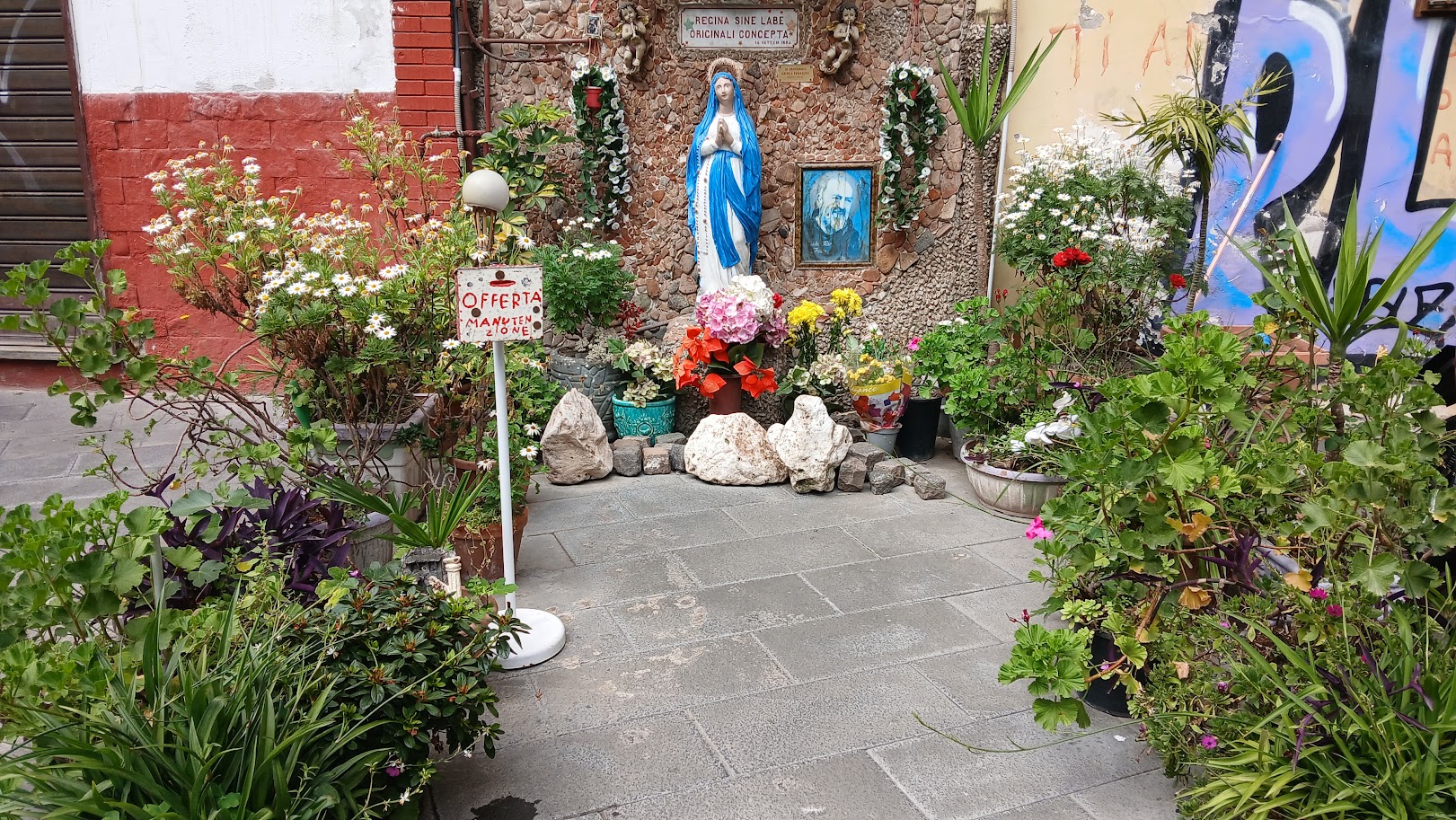
Sulla scia della tempra di padre Antonio Lofreddo, parroco della Basilica di Santa Maria della Sanità, il Rione Sanità ha avviato un processo di riqualificazione importante da ogni punto di vista che ancora, grazie al cielo, non si è fermato.
Tuffarsi nelle stradine brulicanti di vita del rione è un po’ come ritrovarsi nel cuore di una capitale latinoamericana: stessa verve, stessi colori intensi e medesima attitudine delle persone che ancora mettono da parte le più moderne tecnologie per scegliere la frutta migliore toccandola con mano sui banchi a bordo strada o si prendono il tempo di fermarsi a parlare davanti a un caffè.
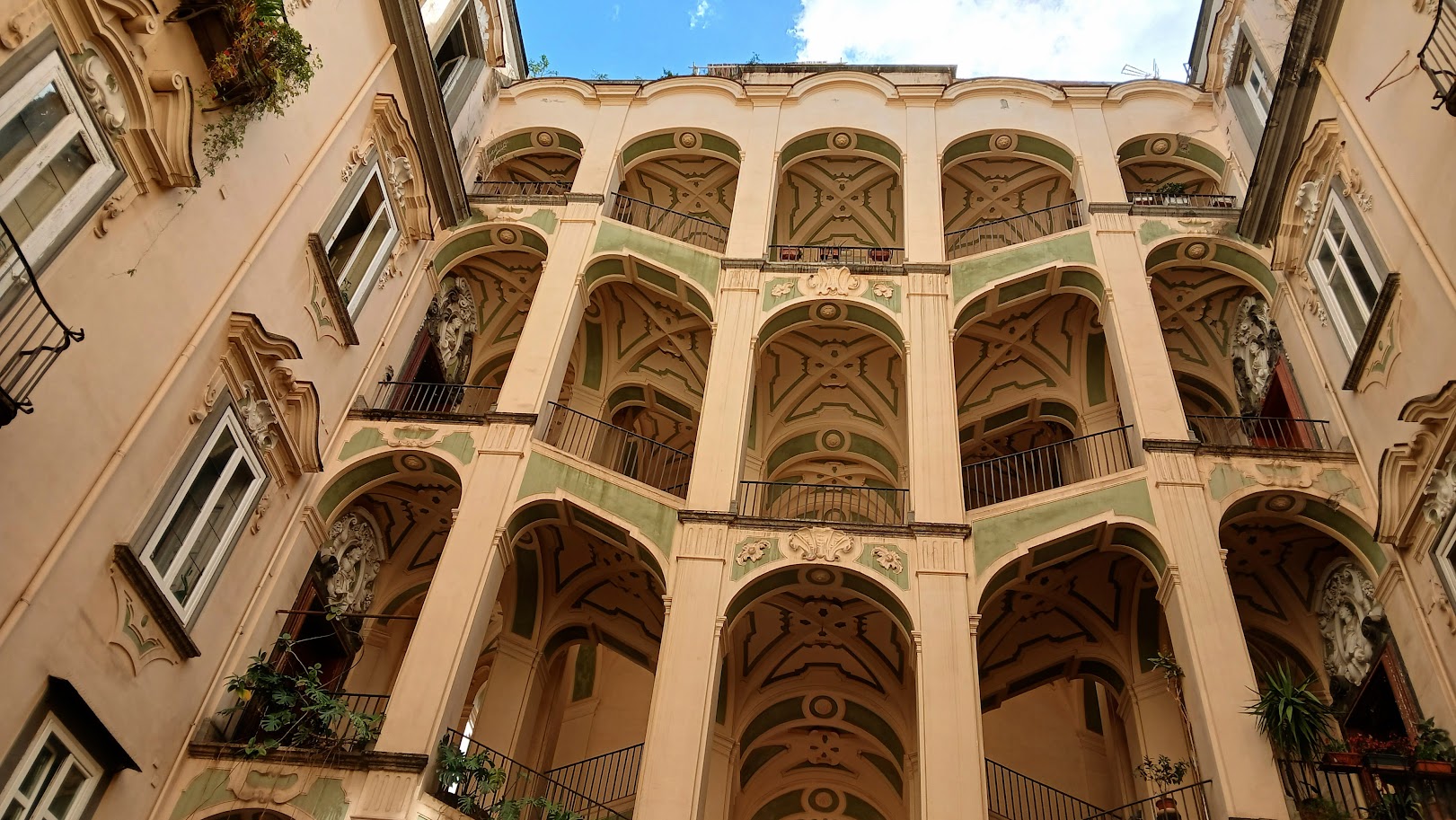
Dovete sapere che fino a qualche anno fa nemmeno i taxi entravano nel quartiere tanto era considerato zona difficile e pericolosa mentre oggi è frequentata da visitatori che arrivano da ogni angolo del mondo per poter visitare luoghi affascinanti e ricchi di storia proprio come l’Ipogeo dei Cristallini e magari fermarsi a dormire nella preziosa gest house Casa d’Anna e aver modo di gustare l’oramai celebre ‘fiocco di neve’, il pasticcino creato da Ciro Poppella, titolare dell’omonima pasticceria.
Nel 2017 la pasticceria Poppella è stata oggetto di una stesa: contro le sue vetrine sono stati esplosi 5 colpi di pistola alle 7.30 del mattino, orario in cui le strade erano piene di genitori che accompagnavano bambini a scuola.
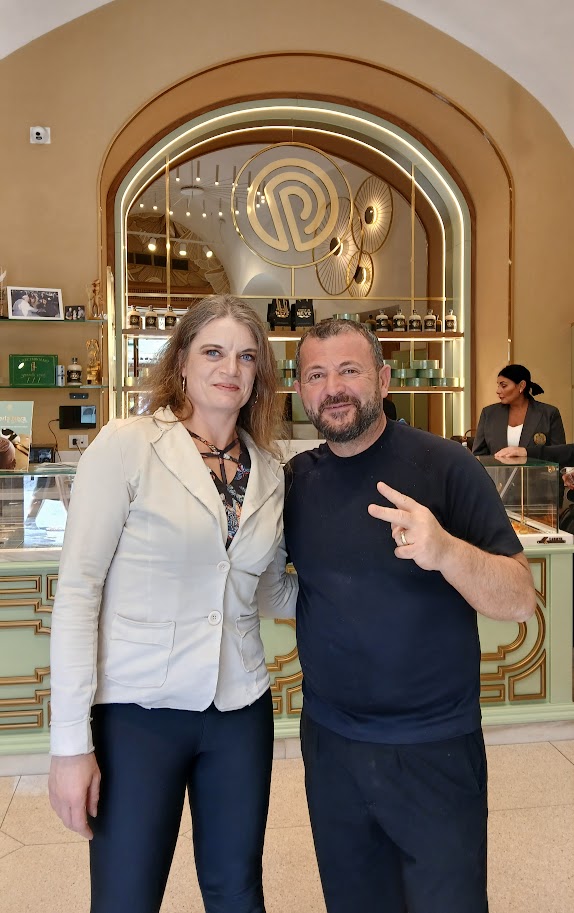
Oggi la Sanità è uno dei quartieri più visitati di Napoli e i turisti di tutto il mondo camminano in quello che fino a pochi anni fa era un quartiere in cui la gente di Posillipo o del Vomero non entrava.
Casa d’Anna
Alessandra Calise, direttrice dell’Ipogeo dei Cristallini, è vulcanica. Ha mille idee in testa e riesce a trovare il modo e soprattutto la forza di metterle in pratica tutte per dare respiro e bellezza al Rione Sanità.
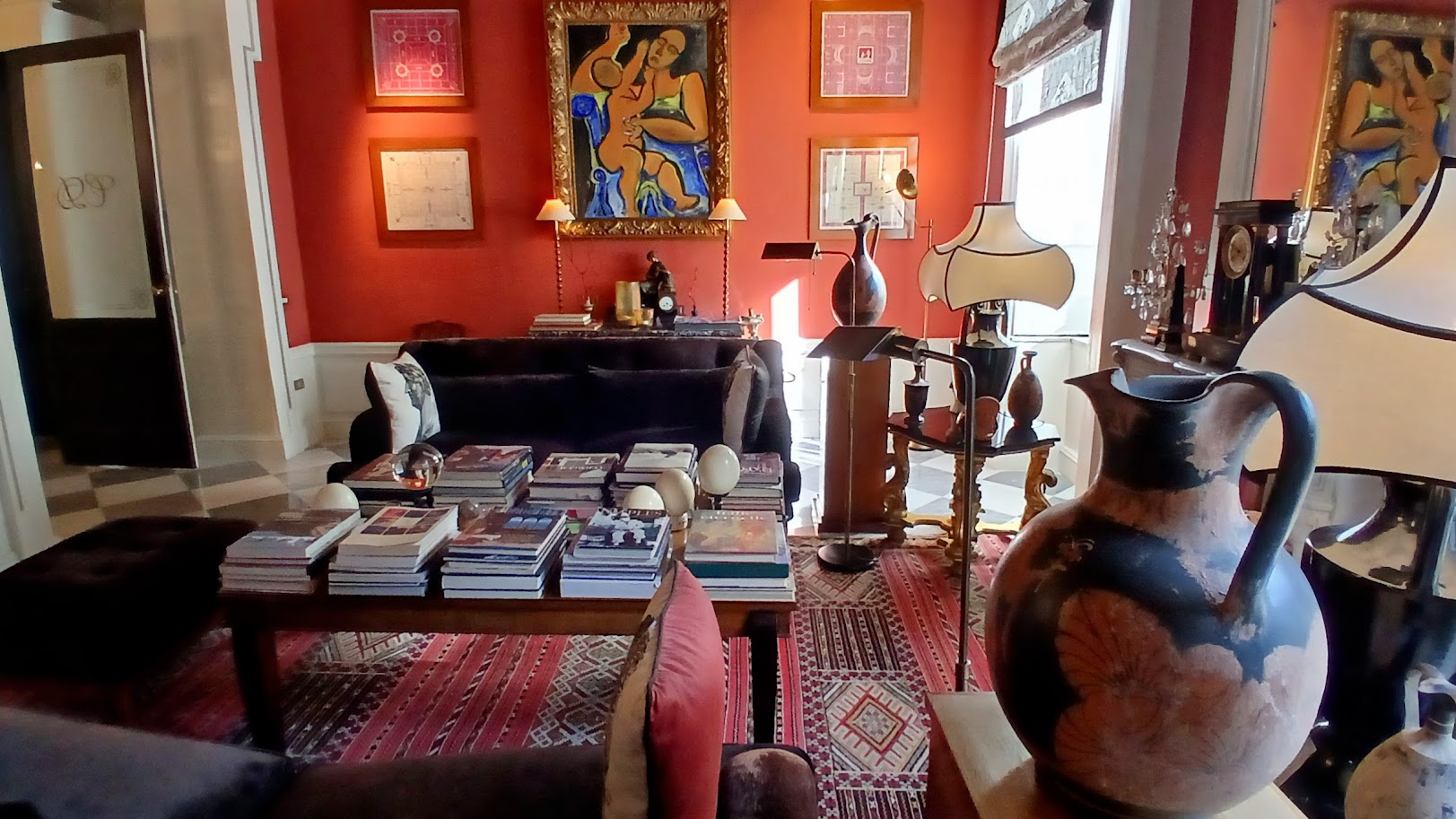
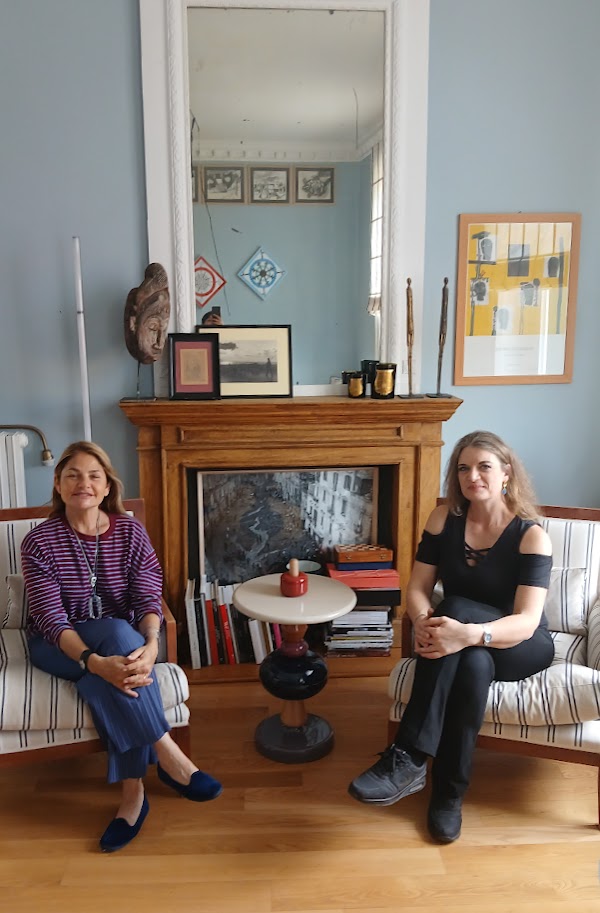
A poca distanza dal sito archeologico mi ha accolto nella sua raffinatissima guest house Casa D’Anna ai Cristallini, da lei gestita con un amore che va ben oltre le semplici regole dell’accoglienza. Ubicata all’interno di un palazzo risalente ai primi anni del Cinquecento, la guest house offre un rifugio silenzioso e arredato con preziosi oggetti d’antiquariato che si affaccia su via dei Cristallini.
In origine Casa d’Anna apparteneva a Davide D’Anna e Ken McTaggart che lo hanno arredato con la collaborazione di Pierre Vercoustre.
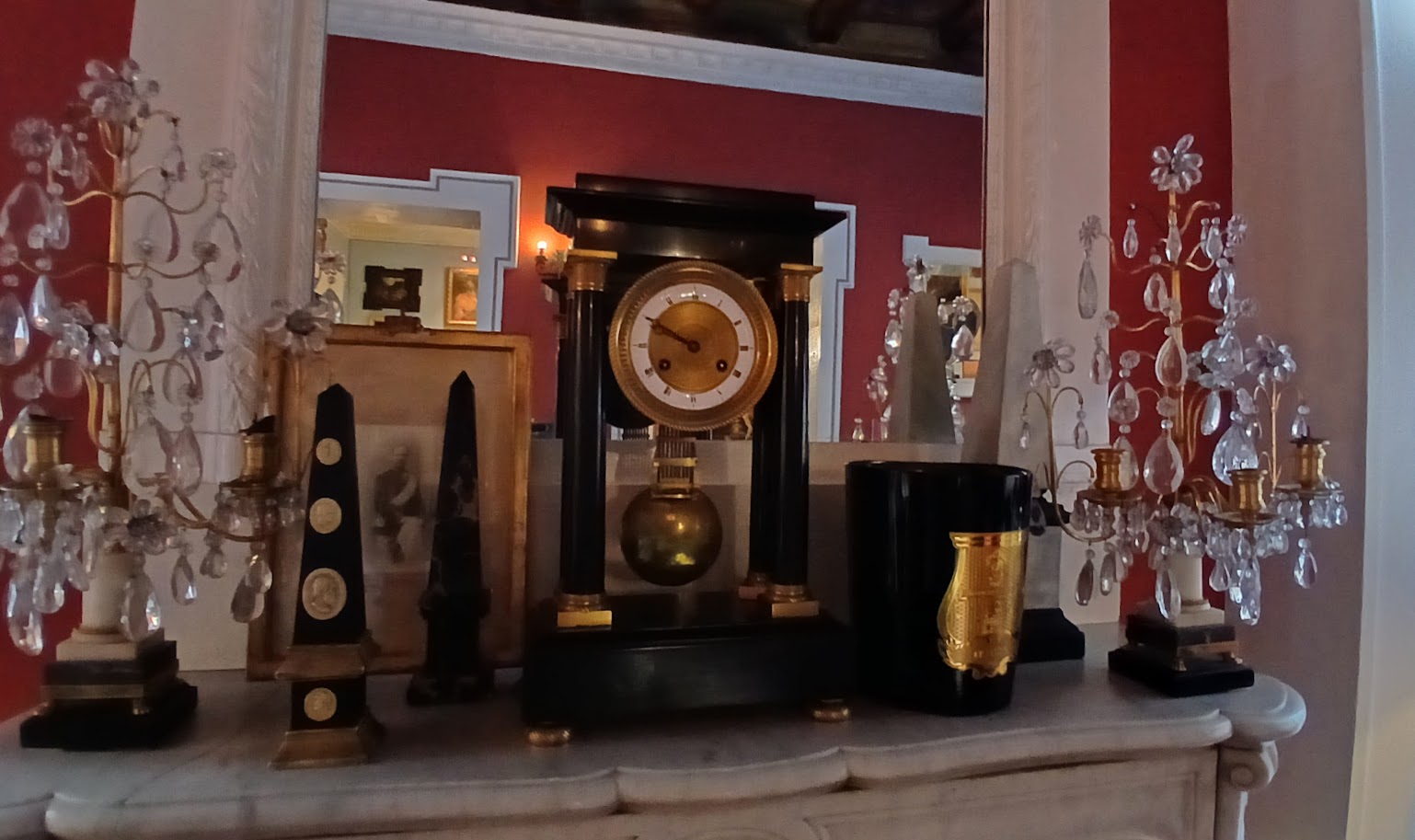
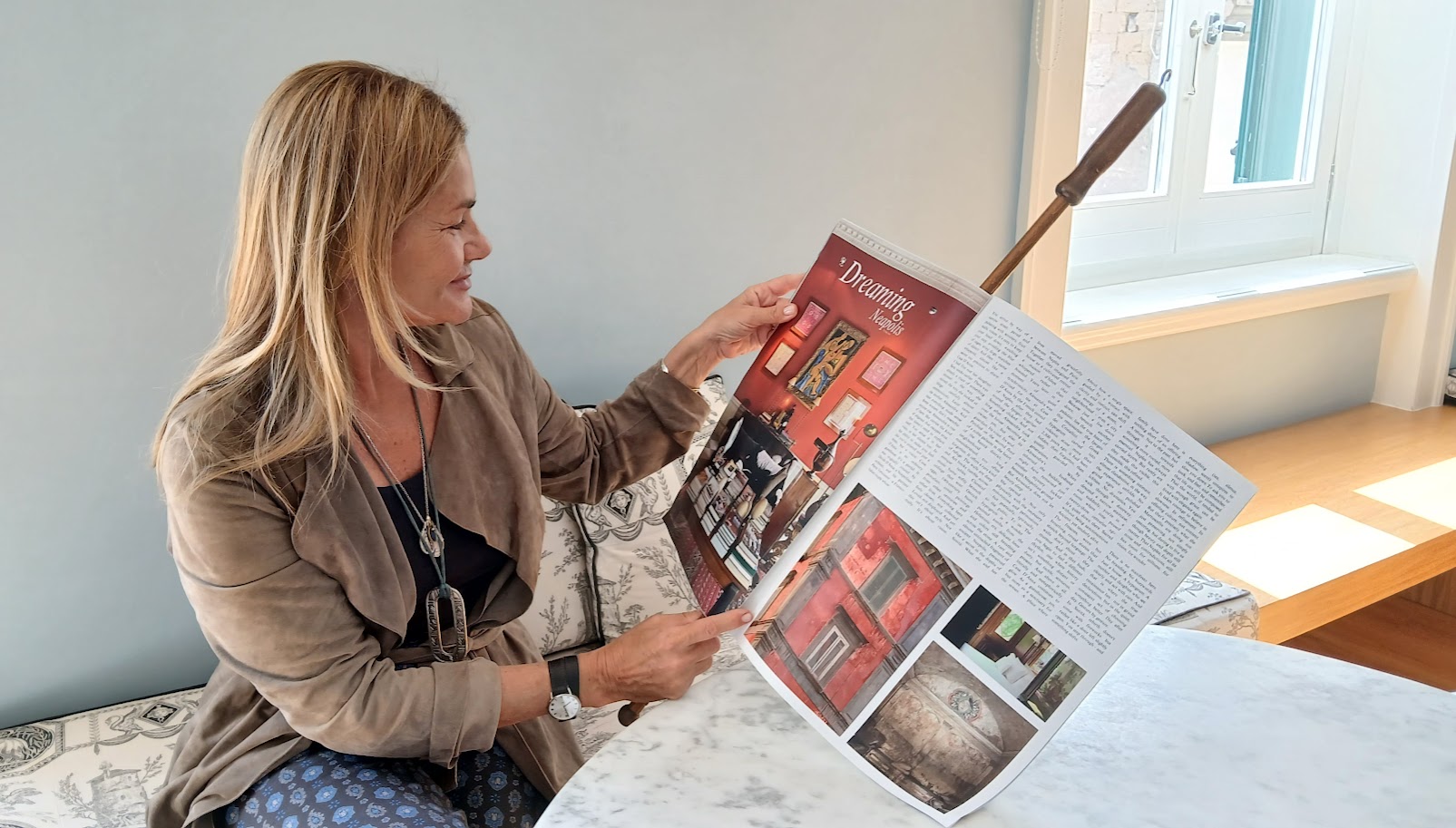
Tanti i libri di arte e architettura disposti sui tavoli che raccontano soprattutto Napoli, le sue ville storiche e le opere custodite nei suoi musei più celebri.
Nella mia due giorni partenopea, ospite della dottoressa Alessandra Calise, mi sono perdutamente innamorata della sua forza e del suo sguardo amorevole indirizzato verso ogni persona che incontra, di Napoli, del Rione Sanità, dei suoi colori e odori, della sua rinascita e dell‘Ipogeo dei Cristallini, non solo come sito archeologico ma come parte integrante della rinascita di un intero quartiere.
Ammaliato da Napoli spero con tutto il cuore di poter presto tornare per poter apprezzare meraviglie che ancora non ho avuto modo di vedere.
Il sempre vostro Michelangelo Buonarroti per il momento vi saluta dandovi appuntamento ai prossimi post e sui social.
The Hypogeum of the Crystallines in the Sanità District in Naples: unique in the world
Imagine going down eleven meters below the floor level to suddenly find yourself in the heart of Magna Graecia, among the colorful sculptures of the deities and fluted columns carved in the tuff.
We are in Naples, in the Sanità District, where under the Palazzo di Donato, Baron Giovanni di Donato discovered during excavation work four burial chambers dating back to the period between the 4th and 3rd centuries BC.
It is a surprising testimony of the Greek Neapolis still rich in wall paintings made with bright colors, decorations and stucco. Many of the remains of the deceased are currently not present on site because they are being studied and the vases found, many of which are kept at the Archaeological Museum of Naples.
The Hypogeum of the Crystals: opening to the public
The Hypogeum of the Crystals remained inaccessible to the public for years and years, until it was inherited by the Martuscelli family. Alessandra Calise Martuscelli, director and owner of the Hypogeum of the Crystals, tells me how she managed to make this invaluable archaeological treasure chest accessible to the public starting from June 24, 2022.
Her eyes shine as she tells of the evolution of the events that allowed her to open the Hellenic funerary hypogeum to the city and the world.
She had left Naples some time ago, she lived in Milan leading a comfortable life but she missed Naples like air. She wanted to do something concrete for a city that felt calling her like a magnet. Many, especially from abroad, asked her to enter the Hypogeum whose existence they knew. a place full of history and art.
She packed her bags, filling them with her tenacity and her dreams, knowing that she would make them come true, without yet having any idea how to do it. Making the hypogeum, a world heritage site, accessible to all was her goal.
The words written by Paulo Coelho in The Alchemist come to mind: “When you desire something, the whole universe conspires to make your desire come true”.
A series of linked events allowed her to receive the first funding to start the restoration work coordinated by the superintendency.
History and peculiarities of the Ipogeo dei Cristallini
The history of the Ipogeo dei Cristallini has remote origins and dates back to more than 2,300 years ago. The area of the Vergini located within the Sanità district, starting from the fourth century BC, was used as a necropolis with the excavation of chamber tombs in the tuff and subsequently with the construction of the large early Christian catacombs. The Greeks who lived in ancient Neapolis, part of Magna Graecia, took care to create funerary hypogea where their deceased could rest, just like the Hypogeum of the Crystals, located at number 133 of Via dei Cristallini.
The four burial chambers constitute an incredible heritage of Hellenic painting and architecture, very well preserved. Originally, the upper part dedicated to the cult of the dead was open to the sky: it was in fact the stratification of what is called the ‘lava of the Virgins’, a rain stream of debris and mud from Capodimonte, that buried everything century after century. The anoxic environment in which the original colors of the paintings remained for a long time, probably contributed to their preservation, despite the high humidity level in the air.
The four tombs are all made up of two superimposed chambers: the upper one was intended for the cult of the dead perpetrated by the living while the lower one reached by a staircase, was occupied by three burial beds on both long sides and two on one short side for a total of eight tombs.
Without a doubt the most spectacular room is burial chamber C, dominated from above by the polychrome head of Medusa decorated with leaves, intertwined snakes and the half-open mouth almost as if it were a sculpture by Bernini that allows a glimpse of the teeth.
There are very few testimonies of Greek painting that have survived to our times but in the hypogeum there are several that show the degree of refinement achieved by the Hellenic painters.
There is the very precious Egyptian blue, yellow ochre, carmine red and the use of green earths applied with a brush over 2300 years ago and still clearly visible.
The Ipogeo dei Cristallini Foundation and the rebirth of the Rione Sanità
Alessandra Calise and her husband Giampiero Martuscelli created the Ipogeo dei Cristallini Foundation: a non-profit organization that dedicates body and soul to involving the entire community in the protection of the cultural, material and immaterial heritage of the Sanità district. An important project that in recent years has contributed significantly to improving the quality of life in an area that until the early 2000s was one of the most difficult and complicated in all of Naples. The Foundation, in addition to dealing with the protection and promotion of the archaeological site, provides important training courses free of charge for those who live in Sanità and is actively involved in the area to promote the culture of legality.
In the wake of the mettle of Father Antonio Lofreddo, parish priest of the Basilica of Santa Maria della Sanità, the Rione Sanità has started a process of redevelopment that is important from every point of view and that, thank goodness, has not stopped yet. Diving into the bustling streets of the neighborhood is a bit like finding yourself in the heart of a Latin American capital: same verve, same intense colors and same attitude of the people who still put aside the most modern technologies to choose the best fruit by touching it with their hands on the stalls on the side of the road or take the time to stop and talk over a coffee.
You should know that until a few years ago not even taxis entered the neighborhood so much was it considered a difficult and dangerous area while today it is frequented by visitors who come from every corner of the world to visit fascinating places rich in history just like the Ipogeo dei Cristallini and maybe stop to sleep in the precious gest house Casa d’Anna and have the opportunity to taste the now famous ‘fiocco di neve’, the pastry created by Ciro Poppella, owner of the pastry shop of the same name.
In 2017, the Poppella pastry shop was the target of a raid: 5 gunshots were fired at its windows at 7:30 in the morning, a time when the streets were full of parents taking their children to school.
Today, Sanità is one of the most visited neighborhoods in Naples and tourists from all over the world walk through what until a few years ago was a neighborhood where people from Posillipo or Vomero did not enter.
Casa d’Anna
Alessandra Calise, director of the Ipogeo dei Cristallini, is volcanic. She has a thousand ideas in her head and manages to find the way and above all the strength to put them all into practice to give breath and beauty to the Rione Sanità.
A short distance from the archaeological site, she welcomed me into her very refined guest house Casa D’Anna ai Cristallini, which she manages with a love that goes far beyond the simple rules of hospitality. Located inside a building dating back to the early 16th century, the guest house offers a quiet refuge furnished with precious antiques that overlooks Via dei Cristallini.
Casa d’Anna originally belonged to Davide D’Anna and Ken McTaggart who furnished it with the collaboration of Pierre Vercoustre.
Many books on art and architecture arranged on the tables that tell mainly about Naples, its historic villas and the works kept in its most famous museums.
During my two-day stay in Naples, as a guest of Dr. Alessandra Calise, I fell madly in love with her strength and her gaze in love directed towards every person she meets, with Naples, the Rione Sanità, its colors and smells, its rebirth and the Ipogeo dei Cristallini, not only as an archaeological site but as an integral part of the rebirth of an entire neighborhood.
Enchanted by Naples, I hope with all my heart to be able to return soon to appreciate wonders that I have not yet had the opportunity to see.
Yours ever Michelangelo Buonarroti bids you farewell for the moment, making an appointment to see you in the next posts and on social media.

Sostienici – Support Us
Se questo blog ti piace e ti appassiona, puoi aiutarci a farlo crescere sempre più sostenendoci in modo concreto condividendo i post, seguendo le pagine social e con un contributo che ci aiuta ad andare avanti con il nostro lavoro di divulgazione. . ENGLISH: If you like and are passionate about this blog, you can help us make it grow more and more by supporting us in a concrete way by sharing posts, following social pages and with a contribution that helps us to move forward with our dissemination work.
10,00 €

Condividi:


Questo sono io





sostienici

Sostienici – Support Us
Se questo blog ti piace e ti appassiona, puoi aiutarci a farlo crescere sempre più sostenendoci in modo concreto condividendo i post, seguendo le pagine social e con un contributo che ci aiuta ad andare avanti con il nostro lavoro di divulgazione. . ENGLISH: If you like and are passionate about this blog, you can help us make it grow more and more by supporting us in a concrete way by sharing posts, following social pages and with a contribution that helps us to move forward with our dissemination work.
€10,00


