
Conclave: tutto quello che bisogna sapere
Purtroppo Papa Francesco sta passando un brutto momento e, per quanto gli auguro di riprendersi al più presto, la situazione non è delle migliori.
E’ inevitabile iniziare a pensare cosa potrebbe accadere al momento della dipartita del pontefice in carica. La morte del Papa deve essere accertata in via ufficiale dal camerlengo ovvero Kevin Joseph Farrell, nominato cardinale alla direzione della Camera Apostolica da Papa Francesco nel 2019.
Al momento sostituisce il papa e, in caso di morte o dimissioni, assumerà il governo provvisorio della Chiesa per le questioni amministrative.

L’inizio del Conclave
Dal momento in cui la Sede Apostolica diventa vacante, si devono attendere minimo 15 giorni affinché i cardinali aventi diritto al voto per l’elezione papale, arrivino in Vaticano da altre parti del mondo. Nel caso in cui i cardinali elettori siano tutti presenti prima di tale termine, può esserne anticipato l’inizio.
Invece, se per ragioni gravi alcuni cardinali siano obbligati a ritardare il loro arrivo in Vaticano, si possono attendere massimo venti giorni dall’inizio della Sede Vacante prima dell’inizio del Conclave.

Accenni storici del Conclave
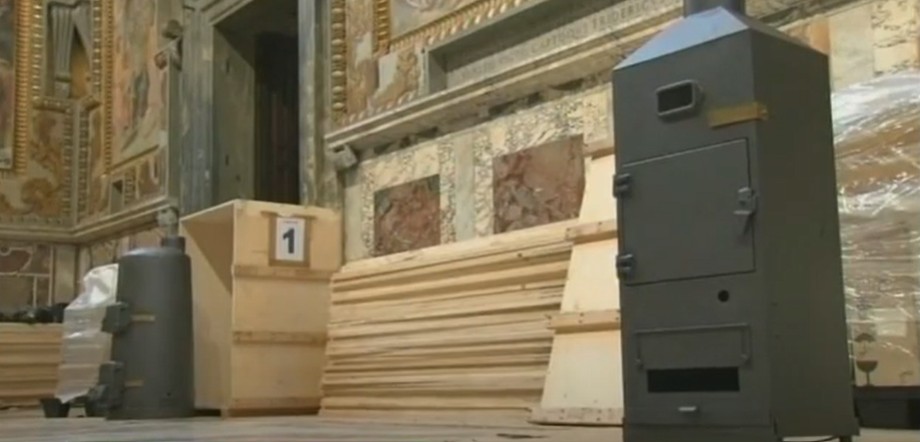
Il termine Conclave deriva dalle due parole in latino cum clave, ovvero ‘chiuso con la chiave’ che indica il fatto che la Cappella in cui i cardinali elettori si riuniscono sia chiusa a chiave.
Fu un evento storico risalente al 1270 che diede il nome Conclave all’elezione del papa.
Gli abitanti di Viterbo, allora sede papale, sfiancati da anni di indecisioni dell’elezione del nuovo pontefice da parte dei cardinali, chiusero i prelati a chiave nella sala grande del palazzo papale e provvidero a smantellare parte del tetto. In questo modo li costrinsero a decidere in fretta chi sarebbe stato il nuovo papa, che in quel caso fu Gregorio X.
Conclavi sempre più brevi
Non è dato sapere quanto durerà il prossimo conclave ma la storia più recente ci racconta che l’elezione del pontefice sta avvenendo in tempi ridotti rispetto al passato.
L’elezione papale più breve è stata quella in cui fu eletto Joseph Ratzinger nel 2005 in solo due giorni con soli quattro scrutini.
L’elezione nel 1978 di Giovanni Paolo II, durò 3 giorni con 8 scrutini.

Cosa accade nei giorni che precedono il Conclave
Al momento il Sacro Collegio conta 256 membri, di cui 141 con diritto di voto in caso di conclave.
Le procedure per l’elezione papale sono cambiate nel corso dei secoli. Nei giorni che procedono il momento del conclave, si svolgono congregazioni generali. Sono del6el riunioni fatte tra cardinali già presenti a Roma in cui si iniziano a definire i preparativi per il conclave, nonché a decidere la data dell’inizio dello stesso.
E’ il cardinale decano convocare i cardinali elettori e invitarli a raggiungere la Città del Vaticano per il conclave. Dal 2005, i cardinali elettori alloggiano in Santa Marta e vengono poi portati direttamente nella Cappella Paolina (tappa che precede il conclave in Sistina) da appositi pullman disposti dalla Santa Sede.
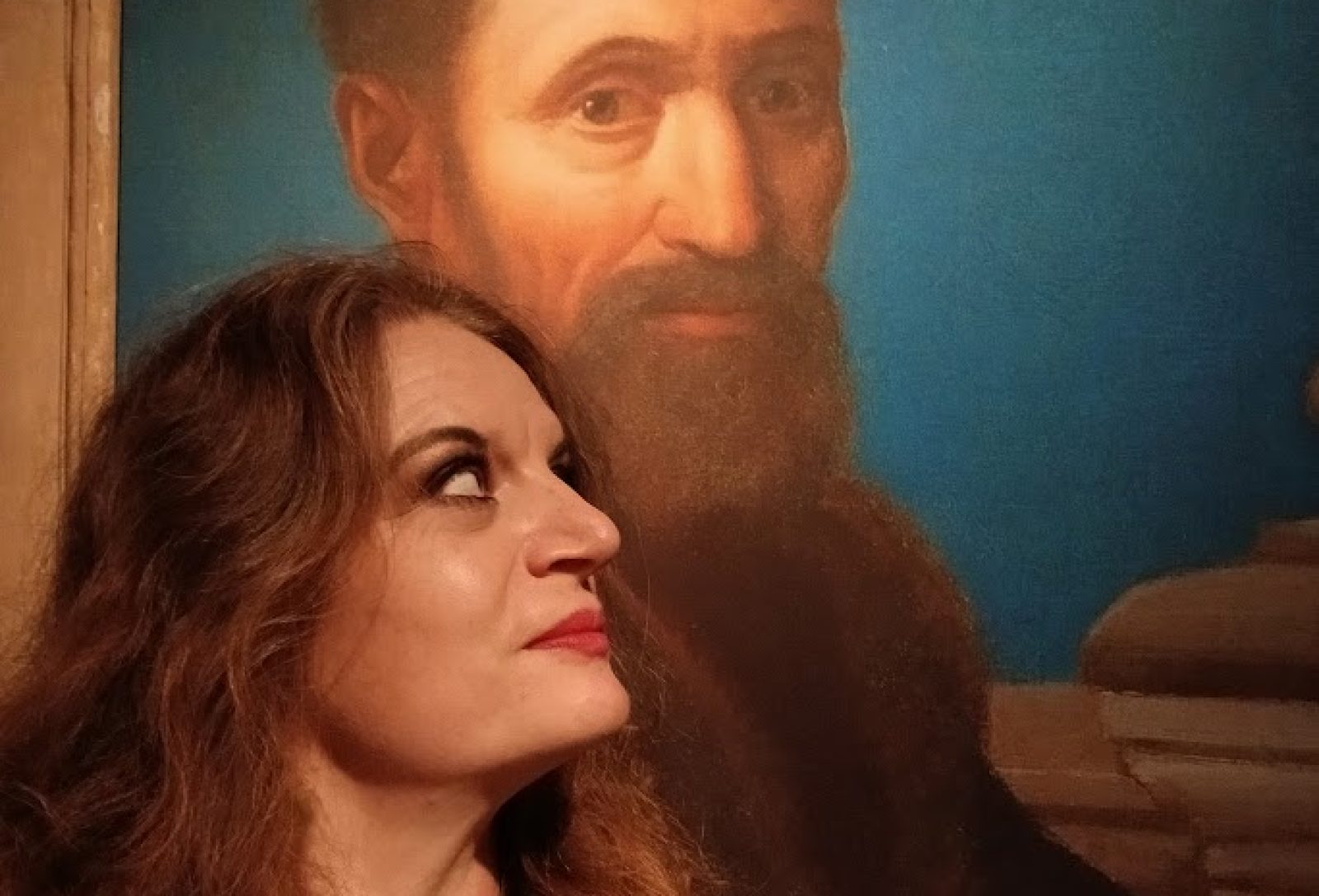
Per il momento il sempre vostro Michelangelo Buonarroti vi saluta dandovi appuntamento ai prossimi post e sui social.
Conclave: everything you need to know
Unfortunately, Pope Francis is going through a bad time and, although I hope he recovers as soon as possible, the situation is not the best.
It is inevitable at this time to start thinking about what could happen when the pontiff in office passes away. The death of the Pope must be officially certified by the camerlengo, Kevin Joseph Farrell, appointed cardinal to direct the Apostolic Chamber by Pope Francis in 2019.
At the moment he replaces the pope and, in the event of death or resignation, will assume the provisional government of the Church for administrative matters.
The start of the Conclave
From the moment the Apostolic See becomes vacant, a minimum of 15 days must be waited for the cardinals entitled to vote for the papal election to arrive in the Vatican from other parts of the world. In the event that all the cardinal electors are present before this deadline, the start of the Conclave can be brought forward.
Instead, if for serious reasons some cardinals are forced to delay their arrival in the Vatican, they can wait a maximum of twenty days from the beginning of the Sede Vacante before the start of the Conclave.
Historical notes on the Conclave
The term Conclave derives from the two Latin words cum clave, or ‘locked with a key’ which indicates the fact that the Chapel in which the cardinal electors meet is locked.
It was a historical event dating back to 1270 that gave the name Conclave to the election of the pope. The inhabitants of Viterbo, then the papal seat, exhausted by years of indecision in the election of the new pontiff by the cardinals, locked the prelates in the great hall of the papal palace and proceeded to dismantle part of the roof. In this way they forced them to decide quickly who would be the new pope, who in that case was Gregory X.
Conclaves increasingly shorter
It is not known how long the next conclave will last but the most recent history tells us that the election of the pontiff is taking place in a shorter time than in the past. The shortest papal election was that which made Joseph Ratzinger pope in 2005 in just two days with only four ballots.
The election of John Paul II in 1978 lasted 3 days with 8 ballots.
What happens in the days preceding the Conclave
The Sacred College currently has 256 members, of which 141 have the right to vote in the event of a conclave.
The procedures for the papal election have changed over the centuries. In the days preceding the moment of the conclave, general congregations are held. These are meetings held between cardinals already present in Rome in which preparations for the conclave are begun, as well as deciding the date of its beginning.
It is the cardinal dean who summons the cardinal electors and invites them to reach the Vatican City for the conclave. Since 2005, the cardinal electors have been staying in Santa Marta and are then taken directly to the Pauline Chapel (a stop that precedes the conclave in the Sistine Chapel) by special buses arranged by the Holy See.
For the moment, your ever Michelangelo Buonarroti bids you farewell, making an appointment with you in the next posts and on social media.

Sostienici – Support Us
Se questo blog ti piace e ti appassiona, puoi aiutarci a farlo crescere sempre più sostenendoci in modo concreto condividendo i post, seguendo le pagine social e con un contributo che ci aiuta ad andare avanti con il nostro lavoro di divulgazione. . ENGLISH: If you like and are passionate about this blog, you can help us make it grow more and more by supporting us in a concrete way by sharing posts, following social pages and with a contribution that helps us to move forward with our dissemination work.
10,00 €
Condividi:


Questo sono io





sostienici

Sostienici – Support Us
Se questo blog ti piace e ti appassiona, puoi aiutarci a farlo crescere sempre più sostenendoci in modo concreto condividendo i post, seguendo le pagine social e con un contributo che ci aiuta ad andare avanti con il nostro lavoro di divulgazione. . ENGLISH: If you like and are passionate about this blog, you can help us make it grow more and more by supporting us in a concrete way by sharing posts, following social pages and with a contribution that helps us to move forward with our dissemination work.
€10,00


1 commento »