
Il colossale Cavallo di Canova verrà restaurato
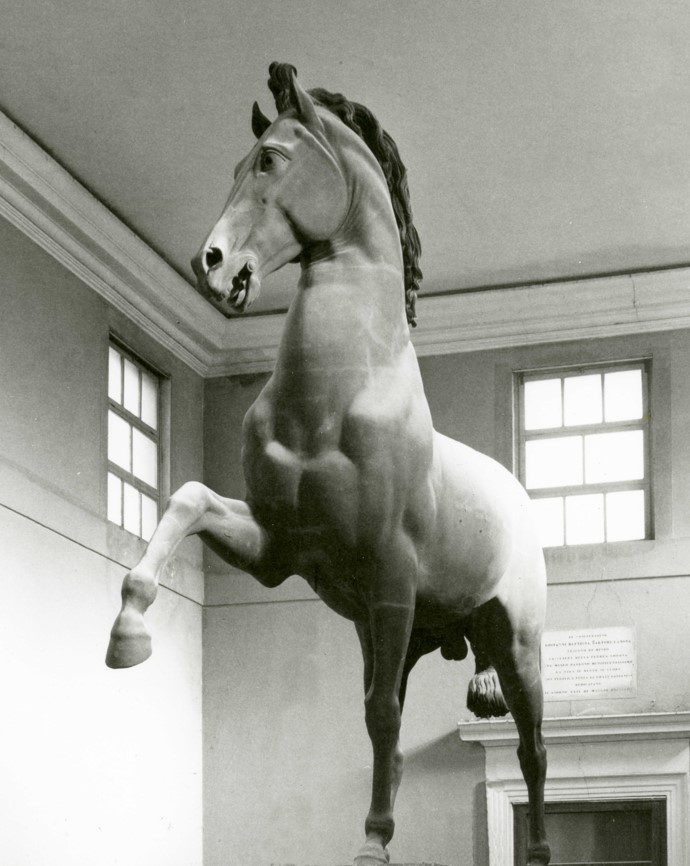
Dopo più di cinquant’anni di assenza, il modello in gesso del Cavallo colossale di Antonio Canova tornerà a essere esposto nelle sale del Museo Civico di Bassano del Grappa, grazie a un significativo e atteso progetto di restauro.
L’opera fu una delle ultime imprese dello scultore di Possagno ed è un modello unico al mondo per imponenza ed eccezionalità.
L’intervento di restauro non solo permetterà di rendere fruibile un capolavoro di inestimabile valore artistico, ma rappresenta anche un importante passo per la conservazione del patrimonio culturale italiano.6
Il progetto è reso possibile grazie al supporto del Comune, dei Musei Civici e di partner rinomati come Intesa Sanpaolo e il Venice in Peril Fund, che si sono uniti per garantire che quest’opera torni a brillare nel suo ambiente di origine.
Il sindaco di Bassano ha espresso grande soddisfazione per il recupero di questa preziosa opera d’arte, evidenziando l’importanza storica e culturale del Cavallo di Canova per l’arte italiana.
La storia del Cavallo di Canova
Il Cavallo colossale fu realizzato da Canova tra il 1819 e il 1821 come modello per una scultura equestre in bronzo commissionata dal re di Napoli Ferdinando I di Borbone, e venne completato per la sola parte dell’animale alla sopraggiunta morte dello scultore, nell’ottobre del 1822.
L’imponente opera si caratterizza per la dimensione colossale e la coloritura superficiale a finto bronzo, stesa per volere dello stesso Canova.
Dopo la morte dello scultore, il Cavallo colossale in gesso, rimasto nello studio romano di via delle Colonnette assieme al modello per il monumento equestre a Carlo III di Borbone, fu donato da Giambattista Sartori Canova al museo di Bassano del Grappa, insieme a molte altre opere del fratello.
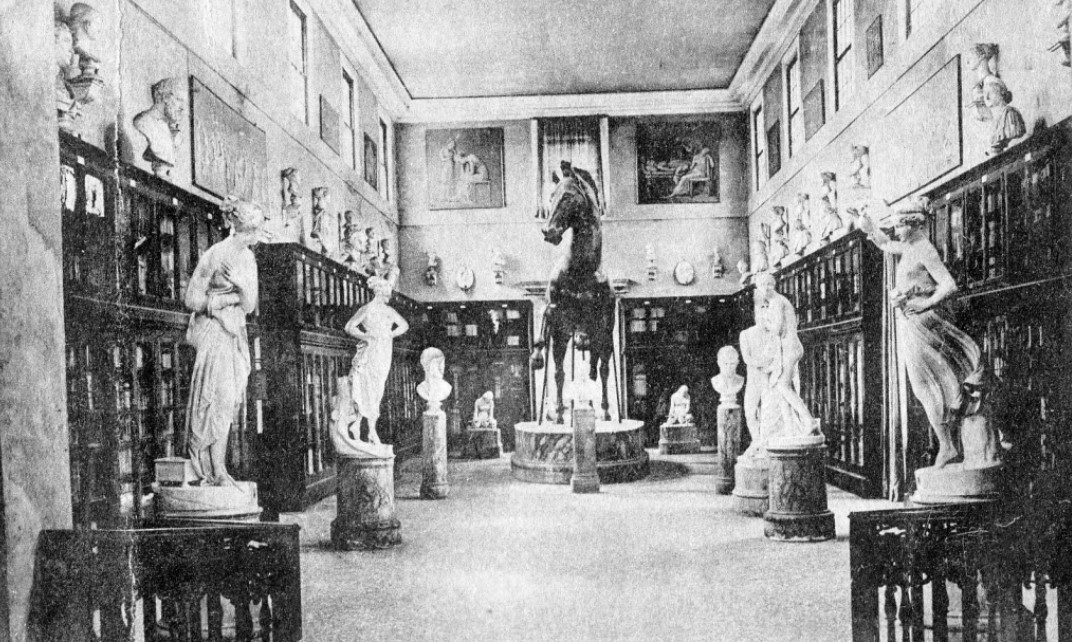
Cavallo prese presto posto nel salone canoviano, in dialogo con il Cavallo con il condottiero, modello per il monumento a Carlo III, collocato nel salone nord. Quest’ultimo andò quasi completamente perduto in seguito al bombardamento che colpì il museo il 24 aprile 1945.
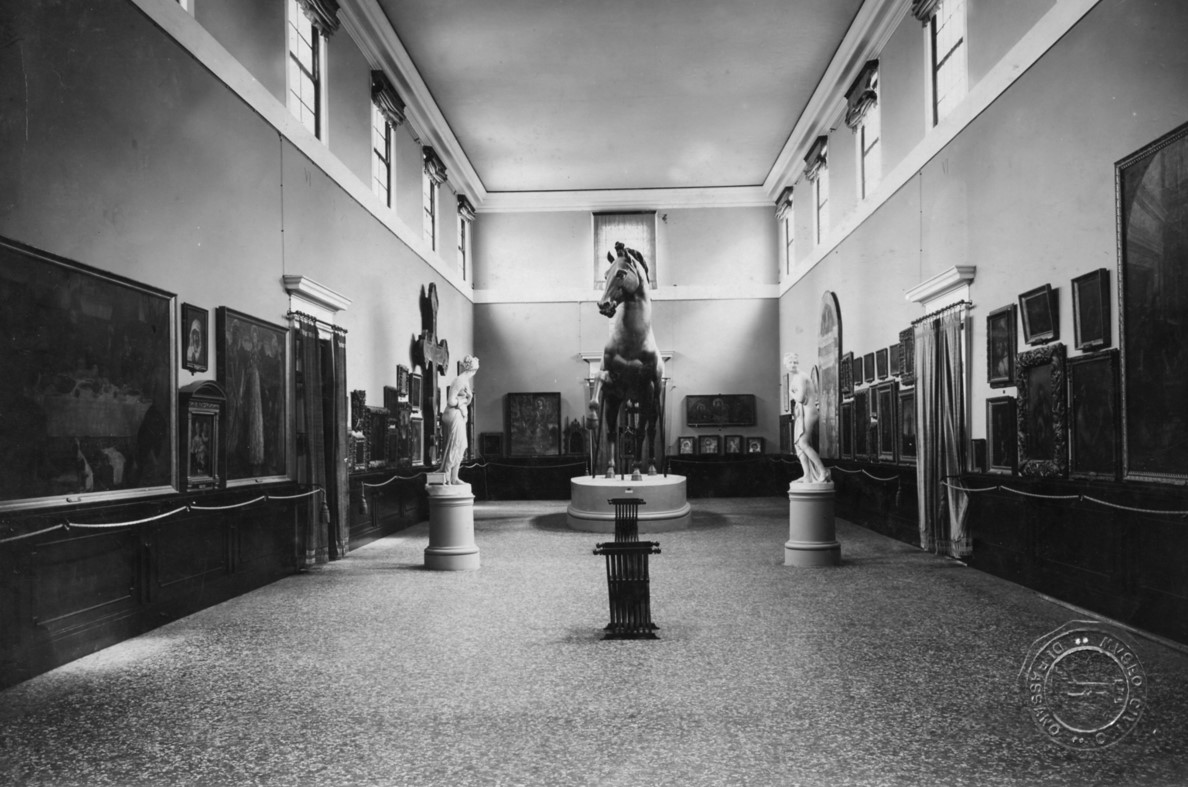
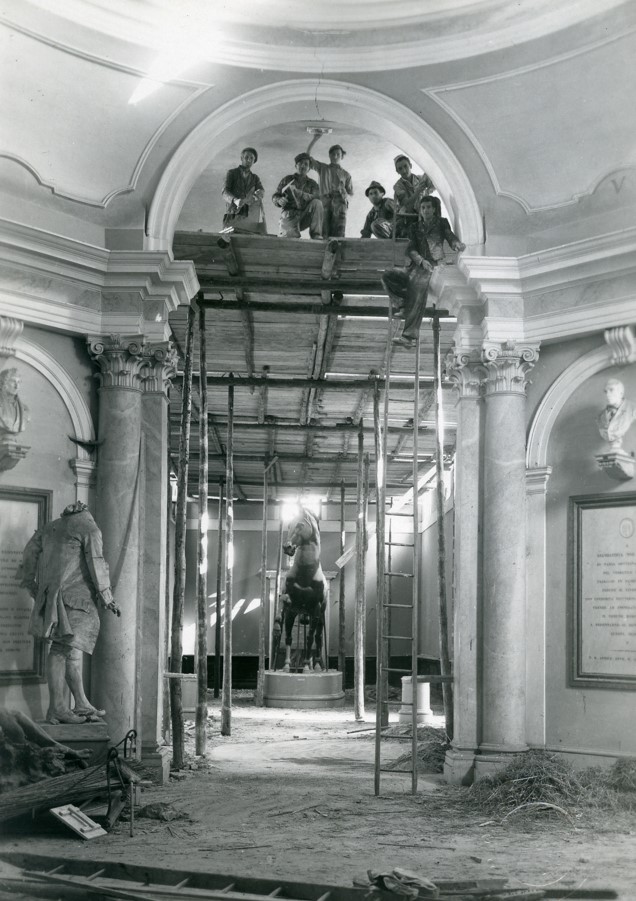
Il Cavallo colossale, invece, rimase illeso e restò nel salone sud fino alla fine degli anni Sessanta quando, in vista di alcuni lavori strutturali alla sala, l’allora direttore Bruno Passamani decise di trasferire l’opera nei depositi, facendola sezionare in varie parti, con l’idea di ricollocarla in seguito in una posizione più adeguata.
Questo proposito è rimasto disatteso e i numerosi frammenti vennero spostati più volte nel corso degli anni in diversi depositi, danneggiandosi ulteriormente. Solo la testa è stata preservata e mantenuta nel percorso espositivo del museo, a memoria dell’eccezionale valore storico-artistico dell’opera.
Il restauro
Il progetto di restauro prevede un intervento che include il consolidamento, la pulitura accurata dell’opera e la creazione di una nuova struttura di sostegno, progettata per garantire la stabilità e la sicurezza dell’opera a lungo termine.
Inoltre, il Venice in Peril Fund contribuirà non solo al restauro fisico, ma anche alla documentazione completa del processo, offrendo una trasparenza senza precedenti.
La diretta streaming del restauro
Un aspetto innovativo di questo progetto è l’intenzione di coinvolgere la comunità e gli appassionati d’arte attraverso la possibilità di seguire i lavori di restauro tramite dirette streaming cliccando direttamente QUA.
Questa iniziativa non solo aumenta la consapevolezza riguardo l’importanza del patrimonio culturale, ma contribuisce anche a educare il pubblico sulle tecniche di restauro e sulla storia dell’arte.
Il coinvolgimento attivo permette a chiunque di sentirsi parte del processo di recupero, creando un legame emotivo tra l’opera e la comunità.
Questo progetto di restauro, quindi, non rappresenta solo un intervento fisico su un’opera d’arte, ma è anche un’azione simbolica che afferma l’importanza della conservazione del patrimonio culturale italiano.
Con il ritorno del Cavallo colossale al Museo Civico di Bassano del Grappa, si riporta alla luce un pezzo fondamentale della storia dell’arte, permettendo alle nuove generazioni di apprezzarne la grandezza, la bellezza e la rilevanza storica. Inoltre, il Cavallo diventa così un simbolo di speranza e di rinascita culturale, sottolineando il fatto che la cura e la passione per l’arte possono superare il tempo e le difficoltà, preservando il nostro passato per il futuro.
Per il momento il sempre vostro Michelangelo Buonarroti vi saluta dandovi appuntamento ai prossimi post e sui socia.
Canova’s Colossal Horse Will Be Restored
After more than fifty years of absence, the plaster model of Antonio Canova’s Colossal Horse will once again be exhibited in the rooms of the Civic Museum of Bassano del Grappa, thanks to a significant and long-awaited restoration project.
The work was one of the last undertakings of the sculptor from Possagno and is a model unique in the world for its grandeur and exceptionality.
The restoration project will not only make a masterpiece of inestimable artistic value accessible, but also represents an important step towards the conservation of Italy’s cultural heritage.6
The project is made possible thanks to the support of the Municipality, the Civic Museums and renowned partners such as Intesa Sanpaolo and the Venice in Peril Fund, who have joined together to ensure that this work shines again in its original setting.
The mayor of Bassano expressed great satisfaction for the recovery of this precious work of art, highlighting the historical and cultural importance of Canova’s Horse for Italian art.
The history of Canova’s Horse
The Colossal Horse was created by Canova between 1819 and 1821 as a model for a bronze equestrian sculpture commissioned by the King of Naples Ferdinand I of Bourbon, and was completed for the animal part only upon the sculptor’s death in October 1822.
The imposing work is characterized by its colossal size and the faux bronze surface coloring, applied at the request of Canova himself.
After the sculptor’s death, the Colossal Horse in plaster, which remained in the Roman studio in Via delle Colonnette together with the model for the equestrian monument to Charles III of Bourbon, was donated by Giambattista Sartori Canova to the museum of Bassano del Grappa, together with many other works by his brother.
The Horse soon took its place in the Canova hall, in dialogue with the Horse with the Conductor, model for the monument to Charles III, located in the north hall. The latter was almost completely lost following the bombing that hit the museum on April 24, 1945.
The Colossal Horse, however, remained unharmed and remained in the south hall until the end of the 1960s when, in view of some structural work on the hall, the then director Bruno Passamani decided to transfer the work to the storage rooms, having it sectioned into various parts, with the idea of later relocating it to a more suitable position.
This plan was not fulfilled and the numerous fragments were moved several times over the years to different storage rooms, further damaging themselves. Only the head was preserved and kept in the museum’s exhibition itinerary, in memory of the exceptional historical and artistic value of the work.
The restoration
The restoration project involves an intervention that includes consolidation, thorough cleaning of the work and the creation of a new support structure, designed to guarantee the stability and safety of the work in the long term.
Furthermore, the Venice in Peril Fund will contribute not only to the physical restoration, but also to the complete documentation of the process, offering unprecedented transparency.
Live streaming of the restoration
An innovative aspect of this project is the intention to involve the community and art lovers through the possibility of following the restoration work via live streaming by clicking directly HERE.
This initiative not only raises awareness about the importance of cultural heritage, but also contributes to educating the public about restoration techniques and art history.
Active involvement allows everyone to feel part of the recovery process, creating an emotional bond between the work and the community.
This restoration project, therefore, is not only a physical intervention on a work of art, but is also a symbolic action that affirms the importance of preserving Italy’s cultural heritage.
With the return of the Colossal Horse to the Museo Civico in Bassano del Grappa, a fundamental piece of art history is brought to light, allowing new generations to appreciate its grandeur, beauty and historical relevance. Furthermore, the Horse thus becomes a symbol of hope and cultural rebirth, underlining the fact that care and passion for art can overcome time and difficulties, preserving our past for the future.
For the moment, yours ever Michelangelo Buonarroti bids you farewell, making an appointment with you in the next posts and on social media.

Sostienici – Support Us
Se questo blog ti piace e ti appassiona, puoi aiutarci a farlo crescere sempre più sostenendoci in modo concreto condividendo i post, seguendo le pagine social e con un contributo che ci aiuta ad andare avanti con il nostro lavoro di divulgazione. . ENGLISH: If you like and are passionate about this blog, you can help us make it grow more and more by supporting us in a concrete way by sharing posts, following social pages and with a contribution that helps us to move forward with our dissemination work.
10,00 €
Condividi:


Questo sono io





sostienici

Sostienici – Support Us
Se questo blog ti piace e ti appassiona, puoi aiutarci a farlo crescere sempre più sostenendoci in modo concreto condividendo i post, seguendo le pagine social e con un contributo che ci aiuta ad andare avanti con il nostro lavoro di divulgazione. . ENGLISH: If you like and are passionate about this blog, you can help us make it grow more and more by supporting us in a concrete way by sharing posts, following social pages and with a contribution that helps us to move forward with our dissemination work.
€10,00


