

Giubileo 2025: esposizione delle Icone in Sant’Agnese in Agone, a Roma
A una settimana dall’apertura del Giubileo2025, domani 16 dicembre aprirà i battenti ai visitatori la mostra “Icone di speranza. Il cammino della fede nei Musei Vaticani”, curata da Anna Pizzamano e Pietro Beresh del Reparto per l’Arte bizantino-medievale dei Musei Vaticani.
Il percorso espositivo dedicato alle icone d’Oriente è stato allestito nella Chiesa di Sant’Agnese in Agone a Roma e rimarrà aperto fino al 16 febbraio 2025.
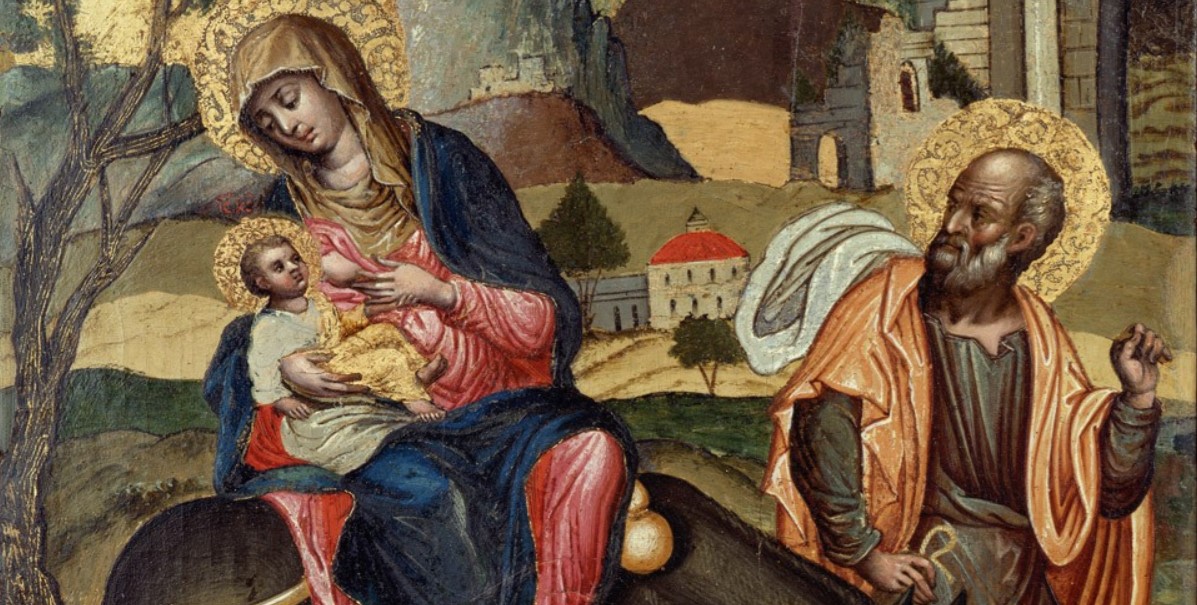
L’iniziativa si inserisce nel percorso culturale verso l’Anno Santo e accompagnerà temporalmente e spiritualmente l’apertura del ventisettesimo Giubileo ordinario della storia ed il secondo nel Pontificato di Papa Francesco.
La chiesa barocca che si affaccia su Piazza Navona, accoglierà nella Sagrestia del Borromini, l’esposizione di alcune rare icone bizantine provenienti dai Musei Vaticani.
Sono diciotto le opere selezionate dai curatori realizzate nell’area dell’Europa orientale cristiana: Grecia, Bulgaria, Ucraina, Russia, Macedonia, come spiega la direttrice dei Musei Vaticani Barbara Jatta: “Le abbiamo chiamate icone di speranza, in linea con il motto del Giubileo, proprio perché siano veicolo di pace e di fratellanza, come è dimostrato dalla commistione di stili. Metterle tutte insieme equivale a dire che siamo tutti portatori di uno stesso messaggio. Si tratta per la maggior parte di dipinti da poco restaurati grazie all’impegno dei maestri del Laboratorio Dipinti e Materiali lignei e del Laboratorio Metalli e Ceramiche, supportati dalle indagini condotte dal Gabinetto di Ricerche Scientifiche applicate ai Beni Culturali dei Musei Vaticani”.

Questa particolare tipologia di manufatto di arte sacra, dipinto come forma di preghiera e destinato alla devozione personale o al culto pubblico, è profondamente radicato nella storia della cristianità e nella tradizione bizantina.
Le icone, allora come oggi, venivano benedette, incensate, venerate e dunque hanno un legame con la liturgia molto forte.
Le opere esposte sono state realizzate dall’inizio del Quattrocento fino al Ventesimo secolo in materiali differenti: dalla tempera su tavola alle tecniche ad olio o miste, per non parlare delle
pregiate coperture metalliche arricchite con smalti e pietre preziose.
La mostra sarà visitabile tutti i giorni dalle ore 9.00 alle ore 19.00, con ingresso gratuito.
Per il momento il sempre vostro Michelangelo Buonarroti vi saluta dandovi appuntamento ai prossimi post e sui social.
Jubilee 2025: exhibition of Icons in Sant’Agnese in Agone, in Rome
A week after the opening of Jubilee2025, tomorrow, December 16, the exhibition “Icons of Hope. The path of faith in the Vatican Museums”, curated by Anna Pizzamano and Pietro Beresh of the Department for Byzantine-Medieval Art of the Vatican Museums, will open its doors to visitors.
The exhibition itinerary dedicated to the icons of the East has been set up in the Church of Sant’Agnese in Agone in Rome and will remain open until February 16, 2025.
The initiative is part of the cultural journey towards the Holy Year and will accompany, temporally and spiritually, the opening of the twenty-seventh ordinary Jubilee in history and the second in the Pontificate of Pope Francis.
The baroque church overlooking Piazza Navona will host, in the Borromini Sacristy, the exhibition of some rare Byzantine icons from the Vatican Museums.
There are eighteen works selected by the curators made in the area of Christian Eastern Europe: Greece, Bulgaria, Ukraine, Russia, Macedonia, as the director of the Vatican Museums Barbara Jatta explains: “We called them icons of hope, in line with the motto of the Jubilee, precisely because they are a vehicle of peace and brotherhood, as demonstrated by the mixture of styles. Putting them all together is equivalent to saying that we are all bearers of the same message. Most of them are paintings recently restored thanks to the commitment of the masters of the Paintings and Wooden Materials Laboratory and the Metals and Ceramics Laboratory, supported by the investigations conducted by the Cabinet of Scientific Research applied to the Cultural Heritage of the Vatican Museums”.
This particular type of sacred art artefact, painted as a form of prayer and intended for personal devotion or public worship, is deeply rooted in the history of Christianity and in the Byzantine tradition.
Icons, then as now, were blessed, incensed, venerated and therefore have a very strong connection with the liturgy.
The works on display were created from the beginning of the fifteenth century to the twentieth century in different materials: from tempera on wood to oil or mixed techniques, not to mention the precious metal coverings enriched with enamels and precious stones.
The exhibition will be open every day from 9:00 to 19:00, with free admission.
For the moment, the ever-your Michelangelo Buonarroti bids you farewell, making an appointment with you in the next posts and on social media.

Sostienici – Support Us
Se questo blog ti piace e ti appassiona, puoi aiutarci a farlo crescere sempre più sostenendoci in modo concreto condividendo i post, seguendo le pagine social e con un contributo che ci aiuta ad andare avanti con il nostro lavoro di divulgazione. . ENGLISH: If you like and are passionate about this blog, you can help us make it grow more and more by supporting us in a concrete way by sharing posts, following social pages and with a contribution that helps us to move forward with our dissemination work.
10,00 €
Condividi:


Questo sono io





sostienici

Sostienici – Support Us
Se questo blog ti piace e ti appassiona, puoi aiutarci a farlo crescere sempre più sostenendoci in modo concreto condividendo i post, seguendo le pagine social e con un contributo che ci aiuta ad andare avanti con il nostro lavoro di divulgazione. . ENGLISH: If you like and are passionate about this blog, you can help us make it grow more and more by supporting us in a concrete way by sharing posts, following social pages and with a contribution that helps us to move forward with our dissemination work.
€10,00


