
La Scultura del giorno: Geremia di Lombardo
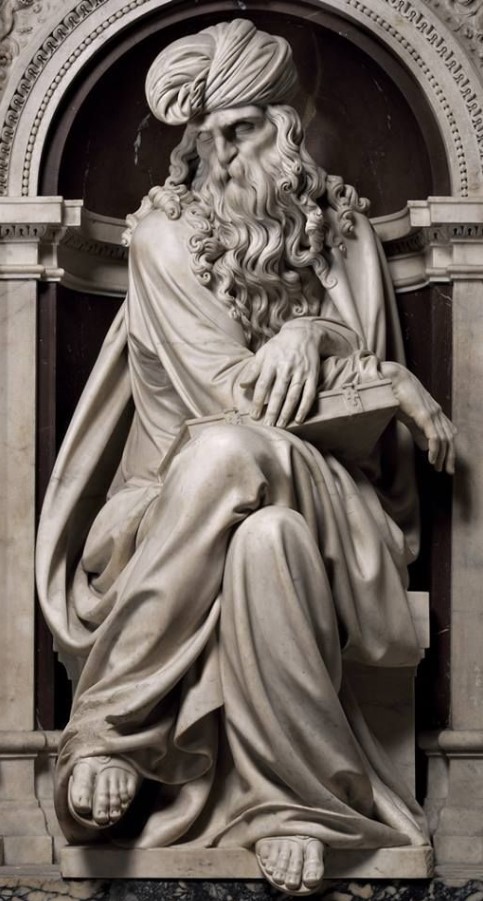
La scultura del giorno che vi propongo oggi è Geremia, opera di Aurelio Lombardo realizzata tra il 1540 e il 1542 per il grande complesso monumentale della Santa Casa di Loreto.
Aurelio Lombardo nacque probabilmente a Venezia attorno al 1501. Di lui si sa ben poco. Adriana Vairà fu sua madre mentre Antonio Lombardo scultore, il padre.
Ebbe due fratelli scultori a loro volta: Girolamo e Ludovico.

Della sua formazione artistica non sono arrivate fino ai nostri giorni informazioni certe ma è ipotizzabile pensare che fu il padre a insegnargli i primi rudimenti della scultura, portandolo con se a Ferrara mentre lavorava come scultore di corte.
Aurelio Lombardo figura nei libri contabili della Santa Casa di Loreto, registrato il 31 dicembre del 1539 come “don Aurelio heremita scultor”.
Lavorò al grandioso progetto fino al 1558 con i fratelli Ludovico e Girolamo.

In quel periodo scolpì il profeta Geremia, la prima opera riconducibile documentariamente all’artista quarantenne. Sebbene oggi sia quasi sconosciuto ai più, se al tempo si conquistò l’onore di metter mano a una simile opera evidentemente era assai stimato dai contemporanei.
Osservando la scultura del profeta con il turbante in testa e la fluente barba che sembra quasi una prosecuzione naturale della folta capigliatura, ci si rende conto che la maestria del modellato di Lombardo fu degna di nota.

Vedendo Geremia, non si può fare a meno di pensare al mio Mosè. Lo avrà sicuramente visto dal vero o attraverso riproduzioni.
Sebbene Lombardo prese spunto dall’opera mia, seppe reinterpretarla con arguzia e con uno stile personale.
La posa con le gambe incrociate del profeta, l’espressione attristata dai pensieri che gli passano per la mente e quelle mani incrociate sopra il libro delle profezie sono un pezzo di bravura straordinario.
Per il momento il sempre vostro Michelangelo Buonarroti vi saluta dandovi appuntamento ai prossimi post e sui socia. ©Tutti i diritti sono riservati
Sculpture of the day: Geremia by Lombardo
The sculpture of the day that I propose to you today is Geremia, a work by Aurelio Lombardo created between 1540 and 1542 for the large monumental complex of the Holy House of Loreto.
Aurelio Lombardo was probably born in Venice around 1501. Very little is known about him. Adriana Vairà was his mother while Antonio Lombardo, a sculptor, was his father.
He had two brothers who were also sculptors: Girolamo and Ludovico.
No certain information has reached us about his artistic training, but it is conceivable that it was his father who taught him the first rudiments of sculpture, taking him with him to Ferrara while he worked as a court sculptor.
Aurelio Lombardo appears in the account books of the Holy House of Loreto, registered on December 31, 1539 as “don Aurelio heremita scultor”.
He worked on the grandiose project until 1558 with his brothers Ludovico and Girolamo.
During that period he sculpted the prophet Jeremiah, the first work that can be documented as being attributable to the forty-year-old artist. Although he is almost unknown to most people today, if at the time he earned the honor of tackling such a work, he was evidently highly esteemed by his contemporaries.
Observing the sculpture of the prophet with his turban in brim and his flowing beard that almost seems like a natural continuation of his thick hair, one realizes that Lombardo’s mastery of modeling was worthy of note.
He had probably had the opportunity to see, in person or through reproductions, my Moses in Rome. Although Lombardo took inspiration from my work, he was able to reinterpret it with wit and his own style.
The pose with the prophet’s legs crossed, the expression saddened by the thoughts that pass through his mind and those hands crossed over the book of prophecies are a piece of extraordinary skill.
For the moment, yours ever Michelangelo Buonarroti bids you farewell, making an appointment for the next posts and on social media. ©All rights reserved

Sostienici – Support Us
Se questo blog ti piace e ti appassiona, puoi aiutarci a farlo crescere sempre più sostenendoci in modo concreto condividendo i post, seguendo le pagine social e con un contributo che ci aiuta ad andare avanti con il nostro lavoro di divulgazione. . ENGLISH: If you like and are passionate about this blog, you can help us make it grow more and more by supporting us in a concrete way by sharing posts, following social pages and with a contribution that helps us to move forward with our dissemination work.
10,00 €
-
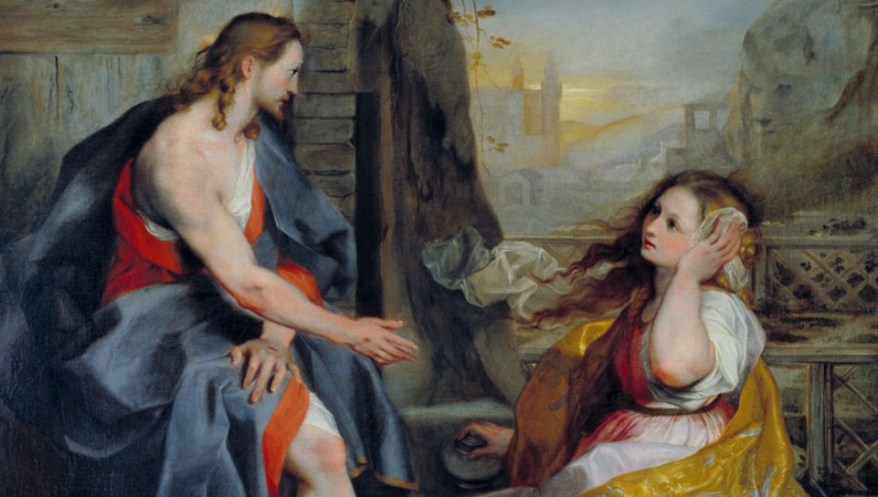
Noli me tangere di Federico Barocci: il capolavoro agli Uffizi che racconta l’incontro più emozionante dopo la Resurrezione
🇮🇹Nel Noli me tangere di Federico Barocci Maria Maddalena riconosce Cristo risorto e prova a toccarlo. Ma lui la ferma… 🇬🇧In Federico Barocci’s Noli Me Tangere, Mary Magdalene recognizes the risen Christ and tries to touch him. But he stops her…
-
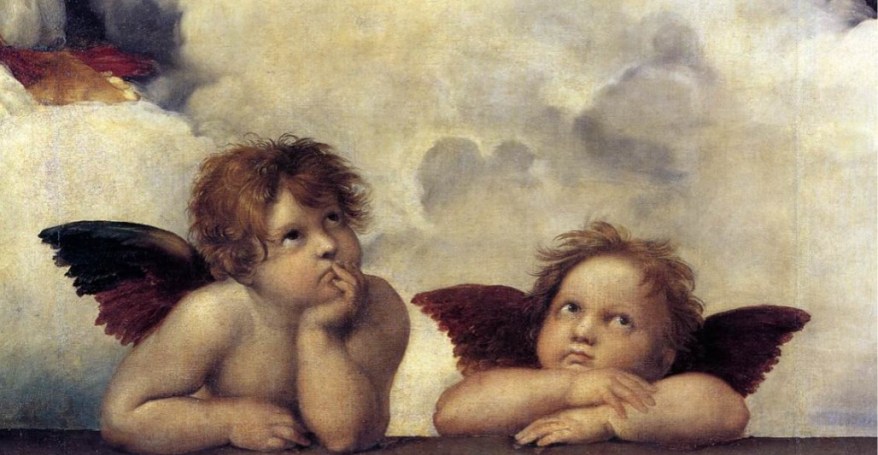
6 aprile 1520: la morte di Raffaello Sanzio e la nascita di un mito immortale
🇮🇹“Qui giace Raffaello: da lui, quando visse, la natura temette d’essere vinta, ora che egli è morto, teme di morire”. Il 6 aprile 1520 Raffaello morì a soli 37 anni… 🇬🇧“Here lies Raphael: when he lived, nature feared to be conquered by him, now that he is dead, she fears to die.” On April 6,…
-
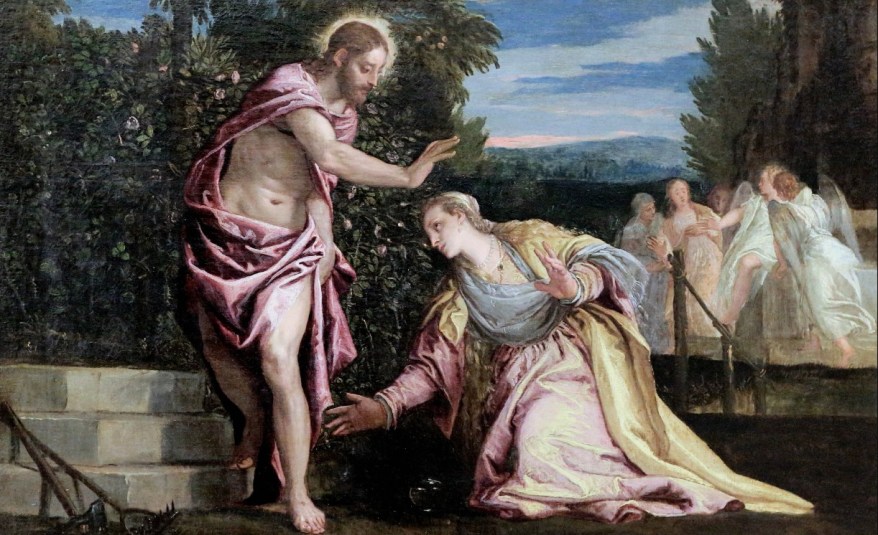
Pasquetta, tra spiritualità e arte: il significato del Lunedì dell’Angelo e i capolavori del “Noli me tangere”
🇮🇹Il Lunedì dell’Angelo racchiude uno dei momenti più intensi del Vangelo: l’incontro tra Gesù risorto e Maria Maddalena, raccontato nel celebre “Noli me tangere”. Un episodio che nei secoli ha ispirato artisti straordinari, dando vita a opere cariche di emozione, spiritualità e bellezza. .. 🇬🇧Easter Monday encompasses one of the most intense moments in the…
Condividi:


Questo sono io





sostienici

Sostienici – Support Us
Se questo blog ti piace e ti appassiona, puoi aiutarci a farlo crescere sempre più sostenendoci in modo concreto condividendo i post, seguendo le pagine social e con un contributo che ci aiuta ad andare avanti con il nostro lavoro di divulgazione. . ENGLISH: If you like and are passionate about this blog, you can help us make it grow more and more by supporting us in a concrete way by sharing posts, following social pages and with a contribution that helps us to move forward with our dissemination work.
€10,00


sono rimasta sbalordita, capelli, barba, turbante…che dettagli stupefacenti, sono virtuosismi incredibili
"Mi piace"Piace a 1 persona
è bellissima ma è un peccato sia poco nota
"Mi piace"Piace a 1 persona
infatti, come tanti altri bei tesori che restano in ombra. Grazie a te che illumini i loro sipari!
"Mi piace"Piace a 1 persona
Grazie Daniela, sempre gentilissima :-*
"Mi piace"Piace a 1 persona