

Michelangelo scultore: la prima e l’ultima volta in cui mi firmai così
Iniziai a firmare le mie lettere come Michelangelo Scultore molto presto.
La prima firma di questo tipo arrivata fino ai vostri giorni è quella che apposi in calce alla missiva che scrissi al mi babbo da Roma, il 1 luglio del 1497.
Continuai a firmarmi Michelangelo Scultore anche quando ero impegnato a lavorare agli affreschi della volta della Sistina.

Scultore lo ero nel profondo dell’animo e anche quando dipingevo, continuavo a pensare in modo tridimensionale, come se con il pennello stessi dando forma a una figura in marmo.
La polvere di marmo m’era penetrata sotto pelle, ne avevo ingerito chissà quanta e oramai la pietra era divenuta una mia estensione. Faceva parte di me.
L’ultima volta in cui volli siglare una lettera con la firma Michelangelo Scultore risale al 1526, scrivendo a Giovan Francesco Fattucci.
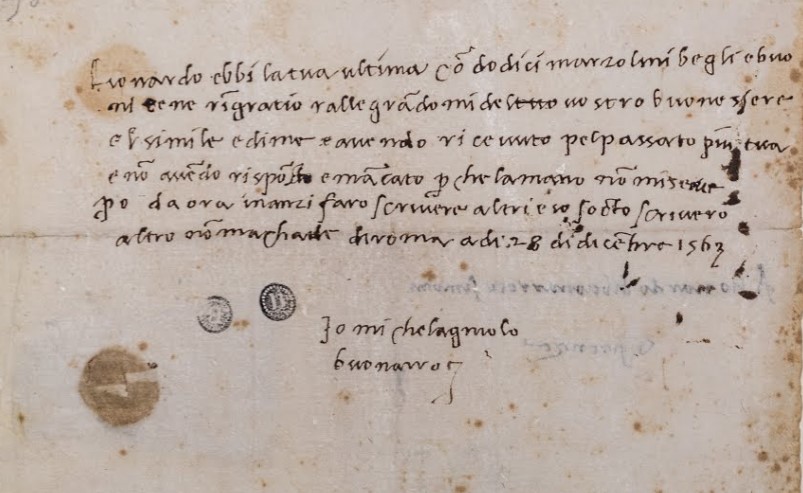
La cosa singolare è che dopo quella data chiesi espressamente a chi inviavo lettere di non appellarmi più come ‘Michelangelo scultore’. La prima volta che accadde fu in una missiva indirizzata al mi nipote Lionardo del 1543 e successivamente il 2 maggio del 1548, sempre in una lettera che inviai a Lionardo.
Per il momento il sempre vostro Michelangelo Buonarroti vi saluta dandovi appuntamento ai prossimi post e sui social.
© All rights reserved
Michelangelo Sculptor: The First and Last Time I Signed Myself That Way
I started signing my letters as Michelangelo Sculptor very early on.
The first signature of this type that has reached your days is the one I placed at the bottom of the letter I wrote to my father from Rome, on July 1, 1497.
I continued to sign myself Michelangelo Sculptor even when I was busy working on the frescoes on the Sistine Chapel ceiling.
I was a sculptor deep down in my soul and even when I painted, I continued to think in a three-dimensional way, as if I were giving shape to a marble figure with my brush.
The marble dust had penetrated my skin, I had ingested who knows how much of it and by now the stone had become an extension of me. It was part of me.
The last time I wanted to sign a letter with the signature Michelangelo Sculptor dates back to 1526, writing to Giovan Francesco Fattucci.
The strange thing is that after that date I expressly asked those I sent letters to no longer call me ‘Michelangelo the sculptor’. The first time this happened was in a letter addressed to my nephew Lionardo in 1543 and then on May 2, 1548, again in a letter I sent to Lionardo.
For the moment, yours truly Michelangelo Buonarroti bids you farewell and will see you in the next posts and on social media.
© All rights reserved
Sostienici – Support Us
Se questo blog ti piace e ti appassiona, puoi aiutarci a farlo crescere sempre più sostenendoci in modo concreto condividendo i post, seguendo le pagine social e con un contributo che ci aiuta ad andare avanti con il nostro lavoro di divulgazione. . ENGLISH: If you like and are passionate about this blog, you can help us make it grow more and more by supporting us in a concrete way by sharing posts, following social pages and with a contribution that helps us to move forward with our dissemination work.
10,00 €
-
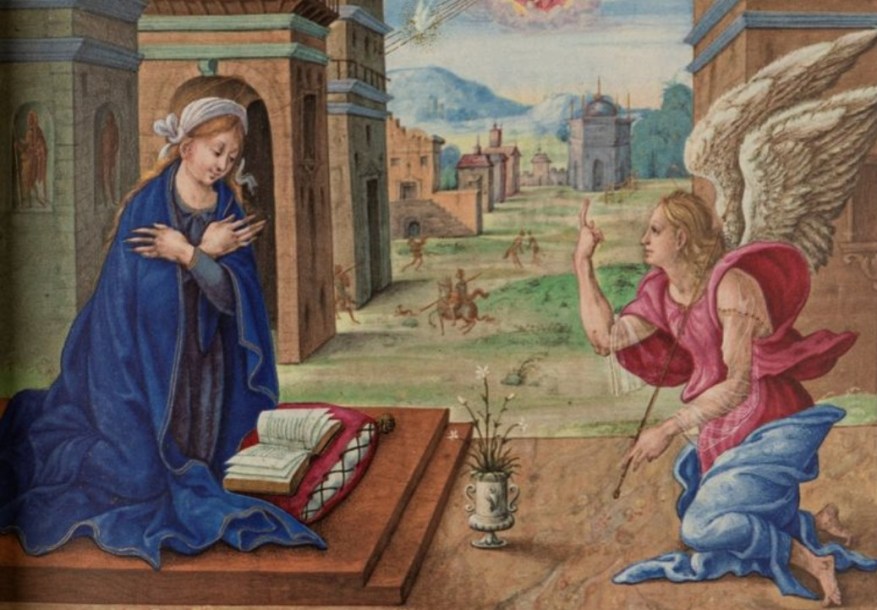
Il Libro d’Ore di Ferrante d’Aragona diventa patrimonio dello Stato: un tesoro rinascimentale da un milione di euro
🇮🇹Il Libro d’Ore di Ferrante d’Aragona entra nel patrimonio dello Stato grazie a una donazione. Capolavoro miniato del Rinascimento, sarà custodito a Napoli… 🇬🇧The Book of Hours of Ferrante of Aragon has become part of the State’s heritage, thanks to a donation. An illuminated masterpiece of the Renaissance, it will be housed in Naples…
-
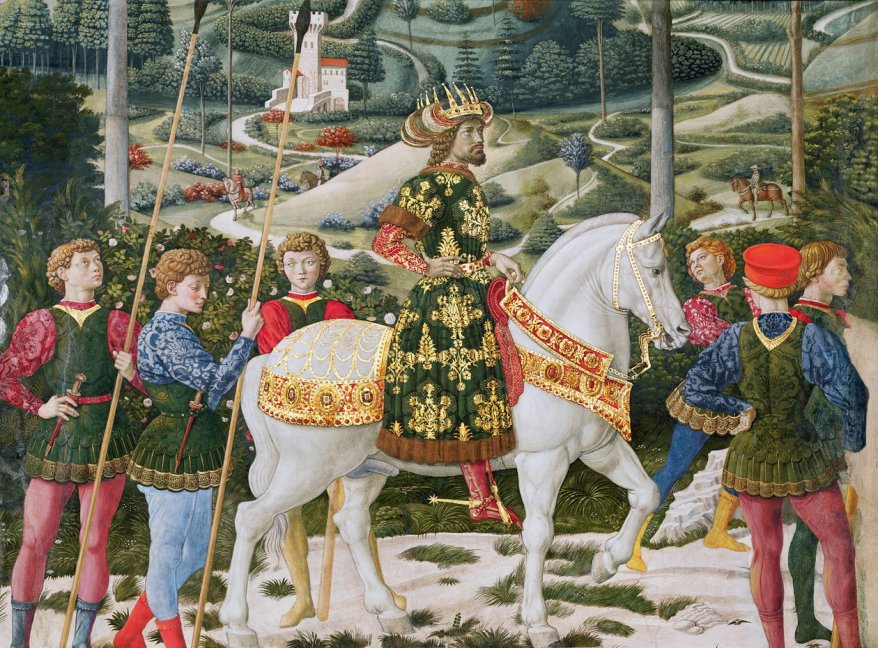
Come si festeggiava il Natale nel Rinascimento? Banchetti, doni e tradizioni raccontati dai dipinti
🇮🇹Come si festeggiava il Natale nel Rinascimento? Dai banchetti nelle dimore signorili al ceppo con i doni per i bambini, scopri le antiche tradizioni natalizie attraverso l’arte… 🇬🇧How was Christmas celebrated during the Renaissance? From banquets in noble residences to the Yule log and gifts for children, discover ancient Christmas traditions through art.
-
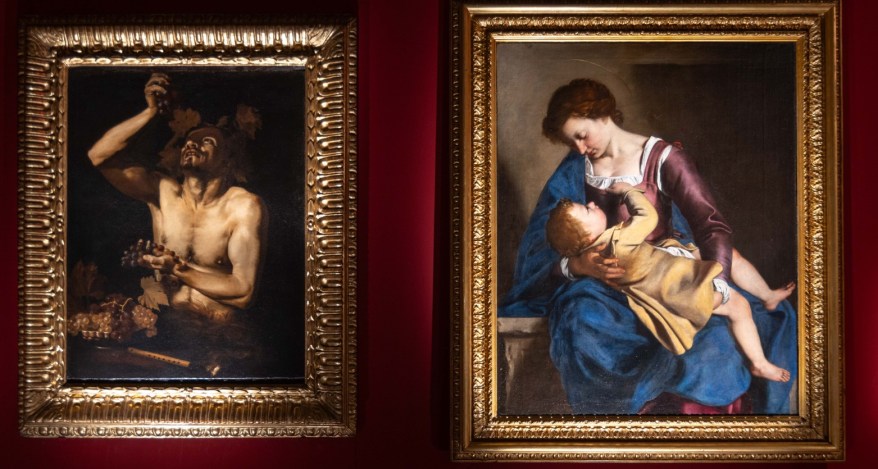
Il Barocco conquista Cuneo: Bernini, Artemisia Gentileschi e Rubens in mostra con 25 capolavori da Roma
🇮🇹Bernini, Artemisia Gentileschi e Rubens a Cuneo: 25 capolavori da Palazzo Barberini e Galleria Corsini nella mostra gratuita Il Secolo del Barocco… 🇬🇧Bernini, Artemisia Gentileschi, and Rubens in Cuneo: 25 masterpieces from Palazzo Barberini and Galleria Corsini featured in the free exhibition The Century of the Baroque…
Condividi:


Questo sono io



sostienici

Sostienici – Support Us
Se questo blog ti piace e ti appassiona, puoi aiutarci a farlo crescere sempre più sostenendoci in modo concreto condividendo i post, seguendo le pagine social e con un contributo che ci aiuta ad andare avanti con il nostro lavoro di divulgazione. . ENGLISH: If you like and are passionate about this blog, you can help us make it grow more and more by supporting us in a concrete way by sharing posts, following social pages and with a contribution that helps us to move forward with our dissemination work.
€10,00


