

L’Opera del giorno: Nemesis di Bertel Thorvaldsen
L’opera del giorno che vi propongo oggi è Nemesis, un bassorilievo scolpito da Bertel Thorvaldsen nel gennaio del 1834.
Nemesi, nella mitologia greca, è la dea della giusta punizione, incarnazione della legge del contrappasso. E’ l’allegoria dell’inevitabile equilibrio cosmico, secondo cui ogni azione, buona o cattiva che sia, porta con sé una reazione proporzionale.

La lettura dell’opera
Nemesi assistita dai geni della punizione e della ricompensa viene scolpita da Thorvaldsen in questo rilievo sul suo carro trainato da due cavalli.
Uno dei due cavalli, così come è scritto esplicitamente sulle briglie è obbediente mentre l’altro rampante, viene descritto dallo scultore come inobbediente.
Proprio al cavallo ribelle viene rivolta la frusta di Nemesi.
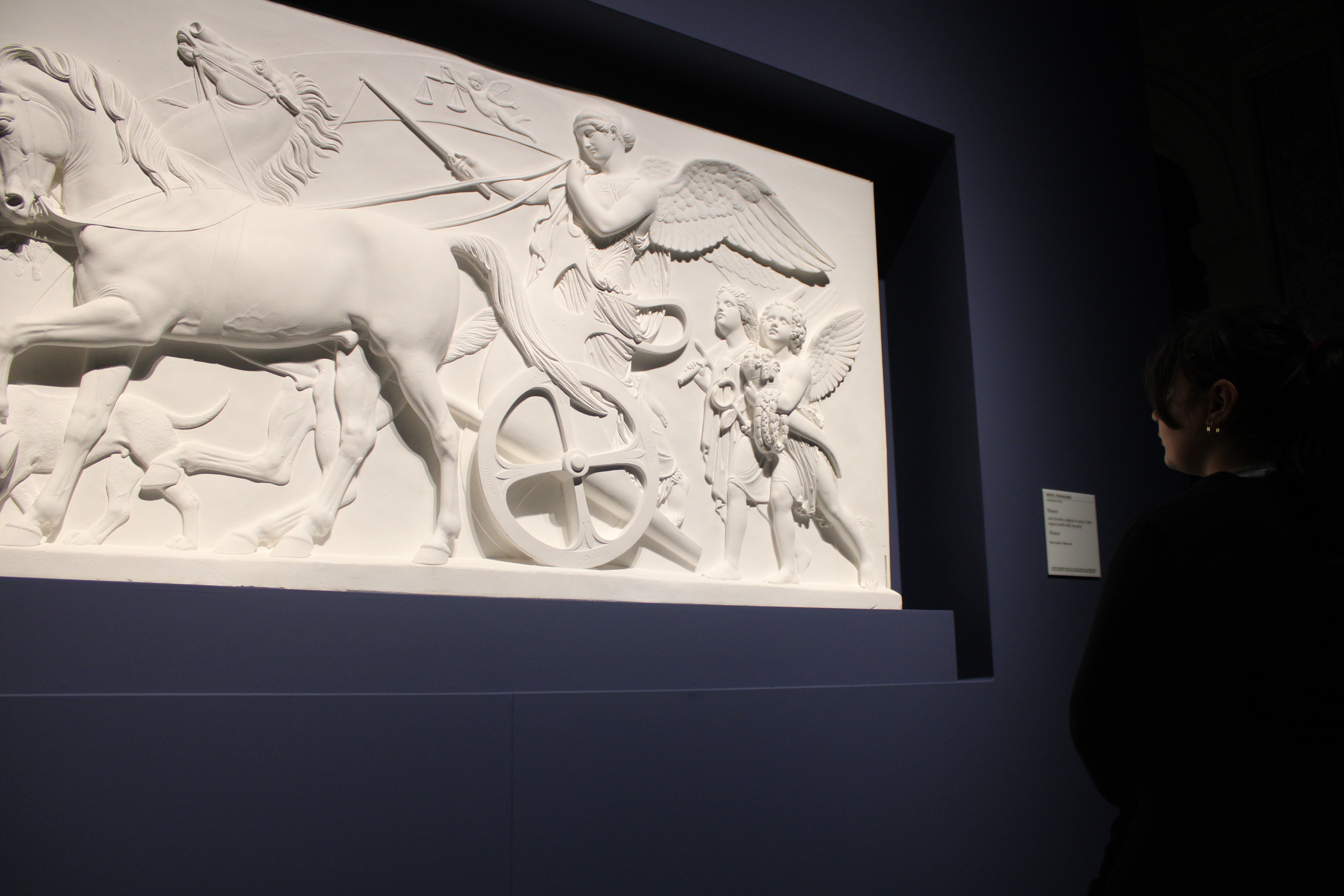
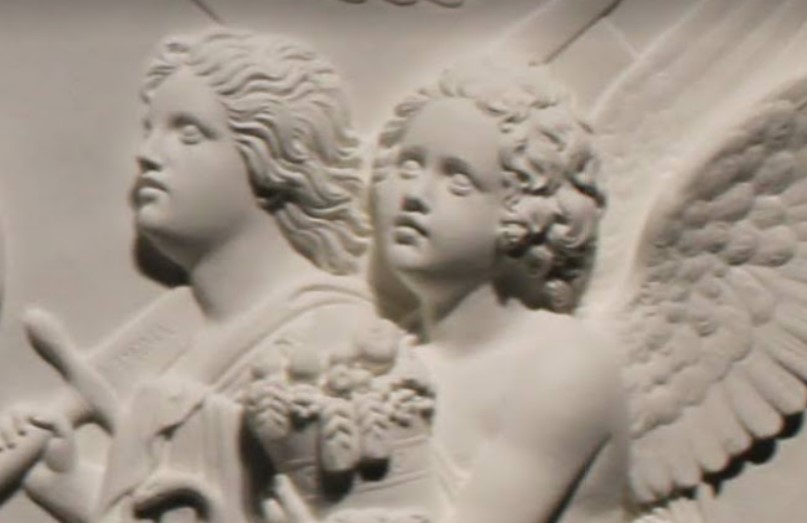
Immediatamente dietro il carro si possono vedere due geni o angeli custodi che dir si voglia.
In linea con il cavallo disobbediente è scolpito il genio della punizione che sulla spada che tiene in mano porta incisa la parola PENA.
Invece, in linea con il cavallo obbediente Thorvaldsen scolpì il genio della ricompensa con la parola PREMIO incisa sul corno dell’abbondanza che tiene insieme ad alcune corone di alloro e al bastone di Mercurio.

Anche le ruote del carro presentano delle allegoriche incisioni: UBERTA ovvero ricchezza, SVENTURA alias fortuna, PENURIA come povertà e VENTURA cioè fortuna.
Sullo sfondo infine si intravedono appena i segni dello Zodiaco sormontati dalla Bilancia.
La storia della scultura
La grande formella di Nemesi è una delle trentun che componevano il fregio con la storia dell’Ingresso trionfale di Alessandro Magno a Babibolina. Il fregio era stato creato in una prima versione da Thorvaldsen nel 1812 per decorare uno dei saloni del Quirinale a Roma.
Il rilievo in stucco era stato commissionato durante il periodo napoleonico a Roma, per decorare il palazzo dopo essere stato scelto come sede imperiale.
Di fatto il fregio mirava a celebrare la grandezza di Napoleone paragonandolo a Alessandro Magno. A Bonaparte tanto piacque vedersi come erede degli imperatori romani che volle commissionarne allo scultore una nuova versione però in marmo per decorare il Temple de la Gloire di Parigi.
Avrebbe dovuto essere un’opera grandiosa e particolarmente costosa ma la situazione economica e politica presto cambiò e la realizzazione del fregio fu abbandonata.
Nel 1818 però, Giovanni Battista Sommariva rilevò quella commissione pensando di adoperare il superbo fregio per decorare la sua villa sul lago di Como, Villa Carlotta.
Così le trentatré opere scultoree arrivarono nella villa di Tremezzo tra il 1818 al 1828 e vennero collocate definitivamente nel 1829 dal figlio di Sommariva.
L’impresa fu enorme e Thorvaldsen volle autoritrarsi nell’opera. Nell’ultimo fregio della serie infatti si vede lo scultore che presenta la grandiosa opera conclusa a Sommariva.
L’ispirazione e la fama
Fu proprio il grande fregio di Alessandro Magno a contribuire in modo determinante a consacrare la fama di Thorvaldsen. L’artista, per creare l figure dei fregi, volle trarre ispirazione niente meno che dal fregio del Partenone, che era arrivato a Londra da non molti anni.
Thorvaldsen non l’aveva visto di persona ma in tutta Europa circolavano stampe che ne ritraevano la complessità. Non disdegnò nemmeno i fregi della Colonna Traiana e le citazioni e i rimandi a tale opera sono continui nella sua composizione straordinaria.
Per il momento il sempre vostro Michelangelo Buonarroti vi saluta dandovi appuntamento ai prossimi post e sui social.
© All rights reserved


Work of the day: Nemesis by Bertel Thorvaldsen
The work of the day that I propose to you today is Nemesis, a bas-relief sculpted by Bertel Thorvaldsen in January 1834.
Nemesis, in Greek mythology, is the goddess of just punishment, incarnation of the law of retaliation. It is the allegory of the inevitable cosmic balance, according to which every action, good or bad, brings with it a proportional reaction.
Reading the work
Nemesis assisted by the genies of punishment and reward is sculpted by Thorvaldsen in this relief on her chariot pulled by two horses.
One of the two horses, as is explicitly written on the bridle, is obedient while the other, rampant, is described by the sculptor as inobedient.
Nemesis’ whip is aimed precisely at the rebellious horse.
Immediately behind the chariot you can see two genies or guardian angels, if you like.
In line with the disobedient horse is sculpted the genius of punishment who on the sword he holds in his hand has the word PENALTY engraved.
Instead, in line with the obedient horse Thorvaldsen sculpted the genius of reward with the word PRIZE engraved on the horn of abundance that he holds together with some laurel wreaths and the staff of Mercury.
The wheels of the chariot also have allegorical engravings: UBERTA or wealth, SVENTURA alias fortune, PENURIA as poverty and VENTURA meaning fortune.
Finally, in the background you can just make out the signs of the Zodiac surmounted by Libra.
The history of the sculpture
The large panel of Nemesis is one of the thirty-one that made up the frieze with the story of the Triumphal Entry of Alexander the Great in Babibolina. The frieze was created in a first version by Thorvaldsen in 1812 to decorate one of the halls of the Quirinale in Rome.
The stucco relief was commissioned during the Napoleonic period in Rome, to decorate the palace after it was chosen as the imperial seat.
In fact, the frieze aimed to celebrate Napoleon’s greatness by comparing him to Alexander the Great. Bonaparte liked seeing himself as the heir of the Roman emperors so much that he wanted to commission the sculptor to create a new version in marble to decorate the Temple de la Gloire in Paris.
It should have been a grandiose and particularly expensive work, but the economic and political situation soon changed and the creation of the frieze was abandoned.
In 1818, however, Giovanni Battista Sommariva took over that commission, thinking of using the superb frieze to decorate his villa on Lake Como, Villa Carlotta.
Thus, the thirty-three sculptural works arrived at the villa in Tremezzo between 1818 and 1828 and were permanently placed in 1829 by Sommariva’s son.
The undertaking was enormous and Thorvaldsen wanted to portray himself in the work. In the last frieze of the series, in fact, the sculptor is seen presenting the grandiose work completed in Sommariva.
Inspiration and fame
It was precisely the great frieze of Alexander the Great that contributed significantly to establishing Thorvaldsen’s fame. To create the figures of the friezes, the artist wanted to draw inspiration from none other than the frieze of the Parthenon, which had arrived in London not many years before.
Thorvaldsen had not seen it in person but prints depicting its complexity were circulating throughout Europe. He did not disdain the friezes of Trajan’s Column either and the citations and references to this work are continuous in his extraordinary composition.
For the moment, yours truly Michelangelo Buonarroti bids you farewell and makes an appointment to see you in the next posts and on social media.
© All rights reserved

Sostienici – Support Us
Se questo blog ti piace e ti appassiona, puoi aiutarci a farlo crescere sempre più sostenendoci in modo concreto condividendo i post, seguendo le pagine social e con un contributo che ci aiuta ad andare avanti con il nostro lavoro di divulgazione. . ENGLISH: If you like and are passionate about this blog, you can help us make it grow more and more by supporting us in a concrete way by sharing posts, following social pages and with a contribution that helps us to move forward with our dissemination work.
10,00 €
-

Restauro tappeti d’arte a Pietrasanta: tradizione e segreti di un laboratorio centenario
🇮🇹Il fascino dei tappeti d’arte prende vita a Pietrasanta. Venite con me nel laboratorio di “Restauro Tappeti d’Arte” di Orna Bachar e Benedetto Bumaguin, dove ogni tappeto antico è una vera opera d’arte… 🇬🇧The charm of artistic carpets comes to life in Pietrasanta. Come with me to Orna Bachar and Benedetto Bumaguin’s “Artistic Carpet Restoration”…
-
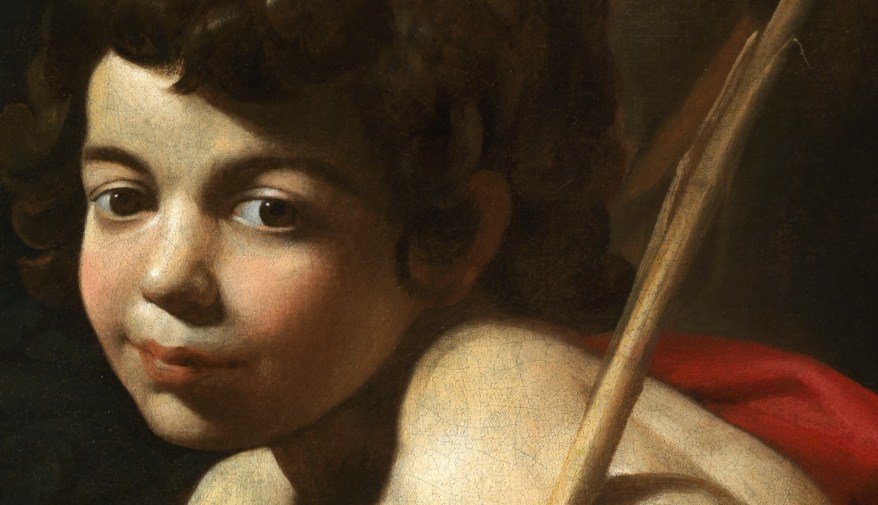
Battistello Caracciolo e il suo San Giovannino: il capolavoro che rivela l’eredità di Caravaggio
🇮🇹Per anni attribuito al Caravaggio, il San Giovannino del Caracciolo rivela invece la sensibilità unica di Battistello: un equilibrio perfetto tra realismo e dolcezza, tra inquietudine e grazia… 🇬🇧For years attributed to Caravaggio, Caracciolo’s Saint John the Baptist instead reveals Battistello’s unique sensitivity: a perfect balance between realism and sweetness, between restlessness and grace…
-
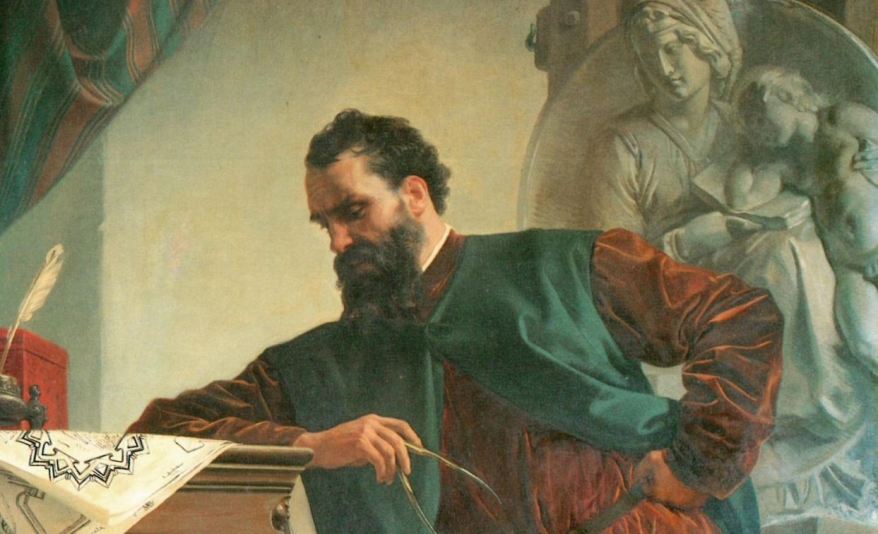
La fine dell’originalità: perché oggi tutta l’arte sembra già vista
🇮🇹La sensazione è sempre la stessa: guardiamo un quadro, una scultura o un’installazione e pensiamo “L’ho già visto da qualche parte”. Ma è davvero la fine dell’originalità? … 🇬🇧The feeling is always the same: we look at a painting, a sculpture, or an installation and think, “I’ve seen this before.” But is this really the…
Condividi:


Questo sono io





sostienici

Sostienici – Support Us
Se questo blog ti piace e ti appassiona, puoi aiutarci a farlo crescere sempre più sostenendoci in modo concreto condividendo i post, seguendo le pagine social e con un contributo che ci aiuta ad andare avanti con il nostro lavoro di divulgazione. . ENGLISH: If you like and are passionate about this blog, you can help us make it grow more and more by supporting us in a concrete way by sharing posts, following social pages and with a contribution that helps us to move forward with our dissemination work.
€10,00


