

La Fontana dei Putti del Cybei a Pisa
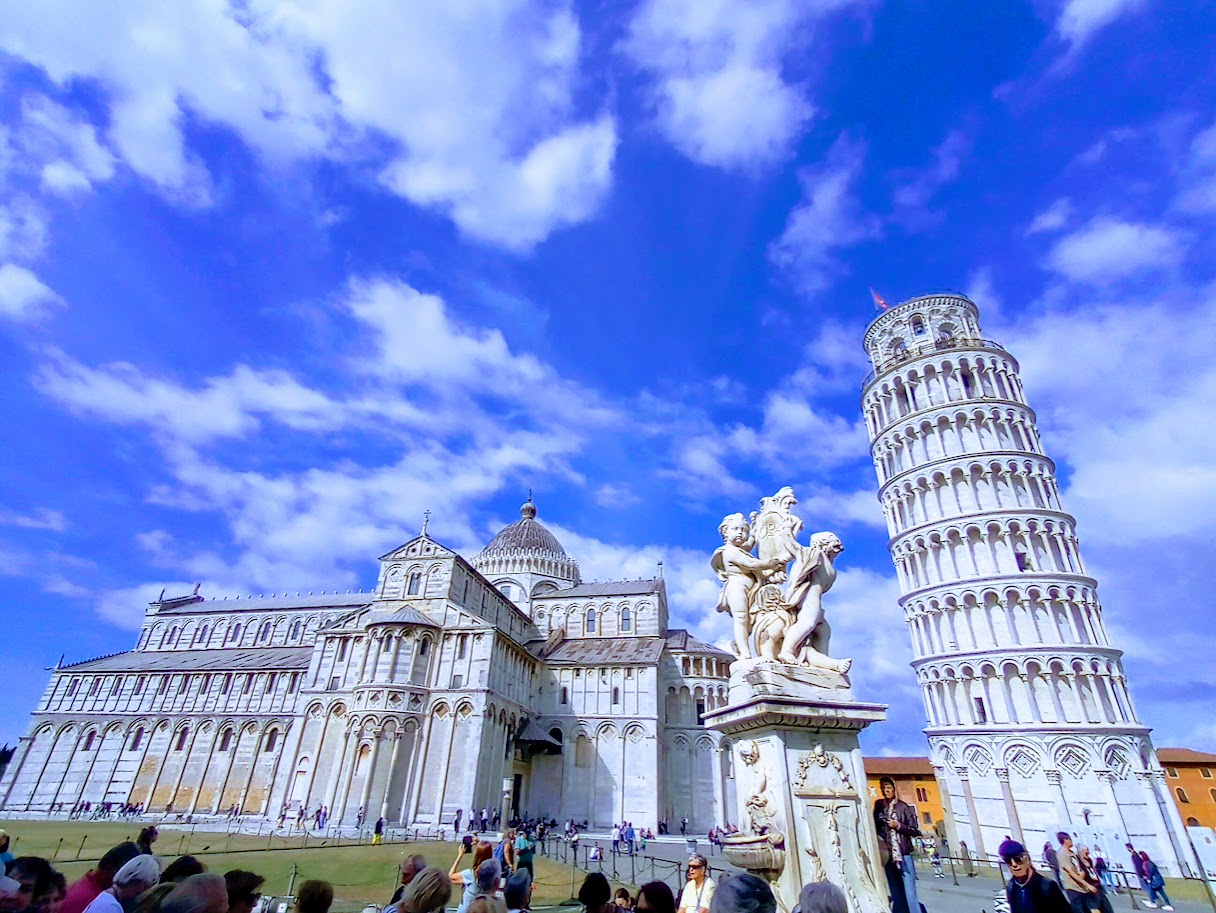
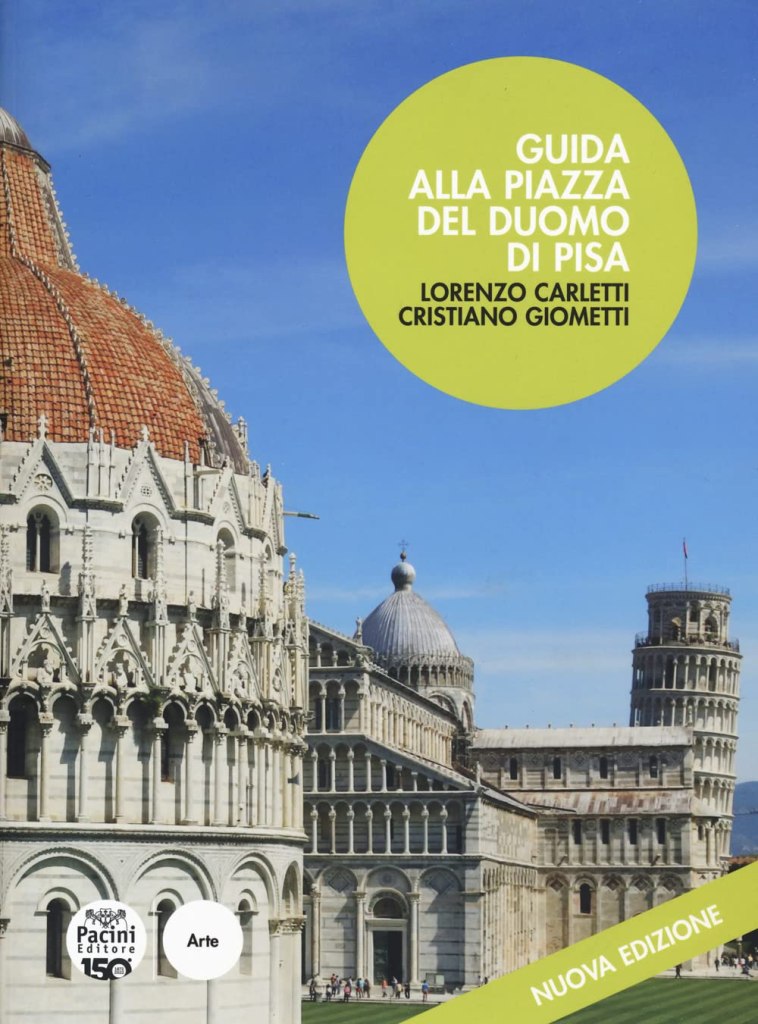
Piazza del Duomo a Pisa è un concentrato di capolavori artistici. Fra le opere presenti non può sfuggire la vista della Fontana dei Putti.
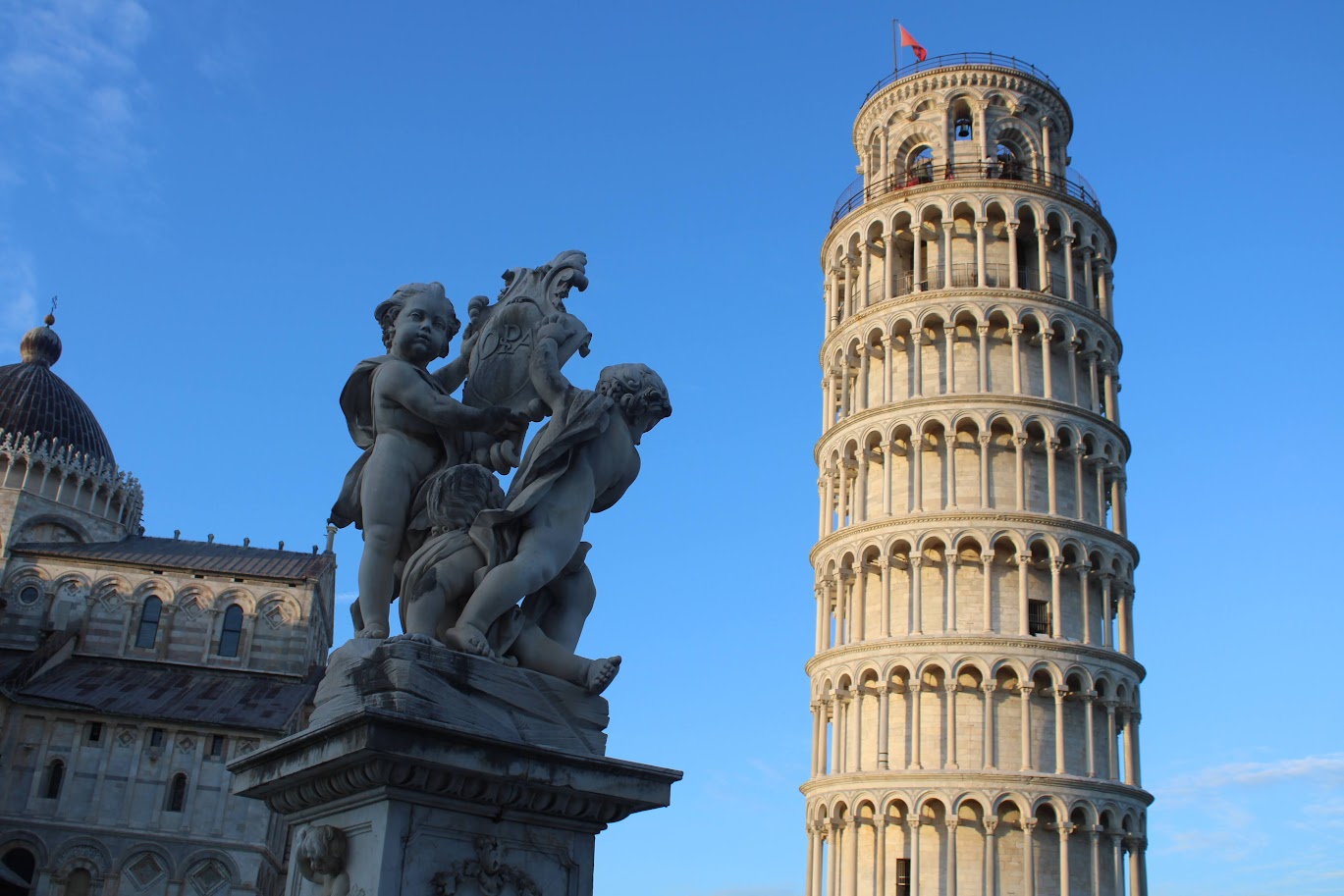
Ubicata in piazza, in prossimità di via Santa Maria, fu scolpita nel marmo di Carrara da Giovanni Antonio Cybei tra il 1746 e il 1765 e collocata sopra il basamento realizzato da Giuseppe Vaccà.
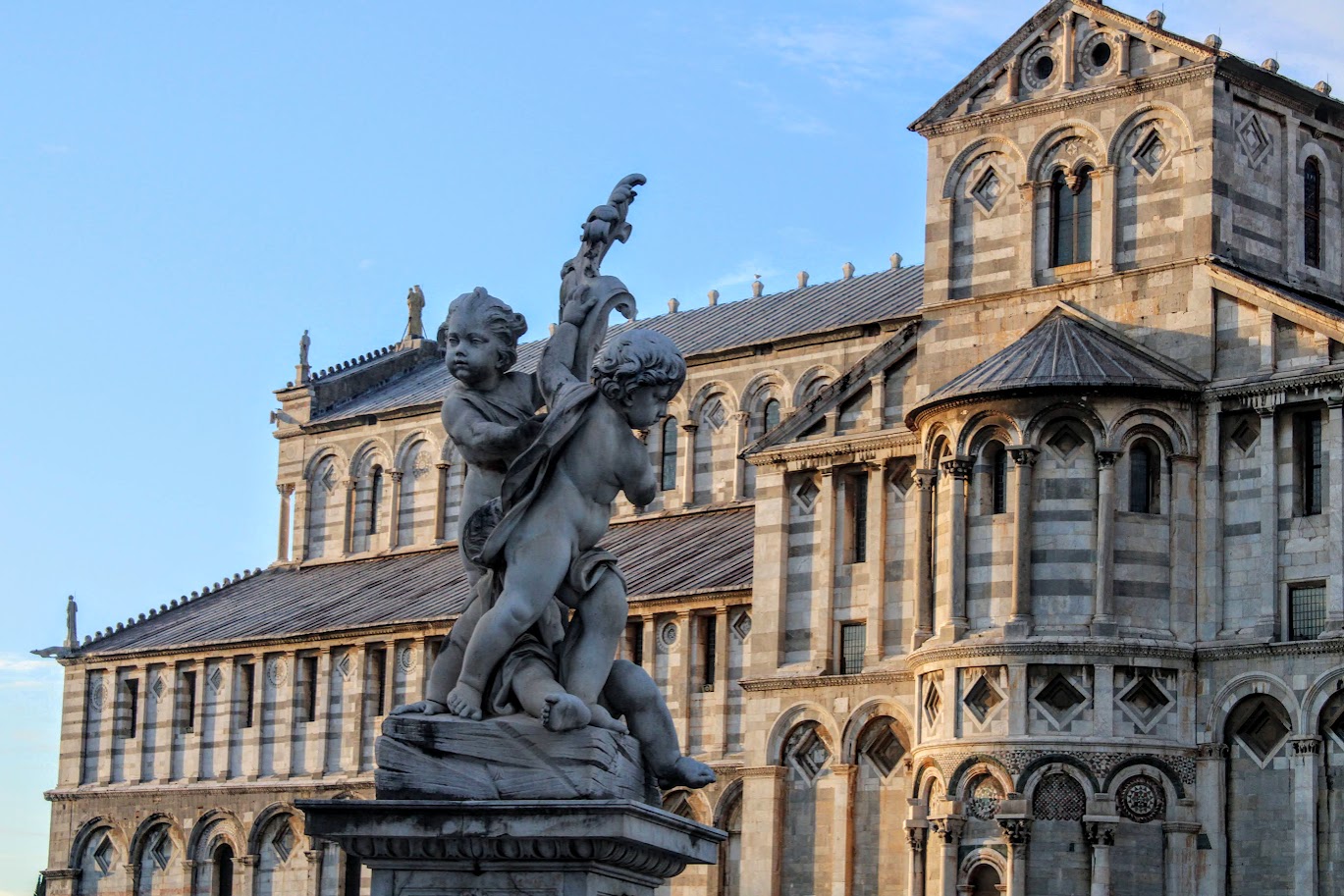
Fu il pittore Giovanni Battista Tempesti però a ideare l’opera e a consegnare il disegno dei due putti che sorreggono gli stemmi di Pisa e dell’Opera del Duomo ai due scultori.
Fu grazie a Francesco Quarantotti, operaio dell’Opera del Duomo dal 1729, che fu realizzata la Fontana dei Putti.
In precedenza la piazza era decorata con una fontana assai diversa, semplice e priva di decorazioni degne di nota. Per dar forma a un’opera più decorativa che meglio si armonizzasse con il contesto della piazza, venne affidata la realizzazione di un basamento allo scultore di Carrara Giuseppe Vaccà, in precedenza impegnato nella realizzazione degli arredi del duomo.
Nel 1746 il basamento era concluso, decorato con foglie d’acanto e putti. Secondo quanto riportato da FIlippo d’Angelo nella Memoria del Duomo, quella base fu definita “non magnificante ma bella e galante”.
Nel 1763 Anton Francesco Maria, figlio e successore dell’operaio dell’Opera Quarantotti, trovò un accordo per far completare l’opera affidando a Cybei la realizzazione dei due putti che sorreggono gli stemmi disegnati da Tempesti.
Cybei lavorò al gruppo scultoreo nel suo studio di Carrara e, una volta ultimato, lo inviò a Pisa prima via mare e poi risalendo l’Arno. I due putti arrivarono in città qualche giorno prima del Natale 1765.
Mentre la base con le fontane era molto piaciuta ai pisani, il gruppo con i tre putti invece non fu gradito né dai cittadini né agli addetti ai lavori tanto che, nel corso dei secoli, più volte sono state proposte soluzioni alternative per rimuoverli.
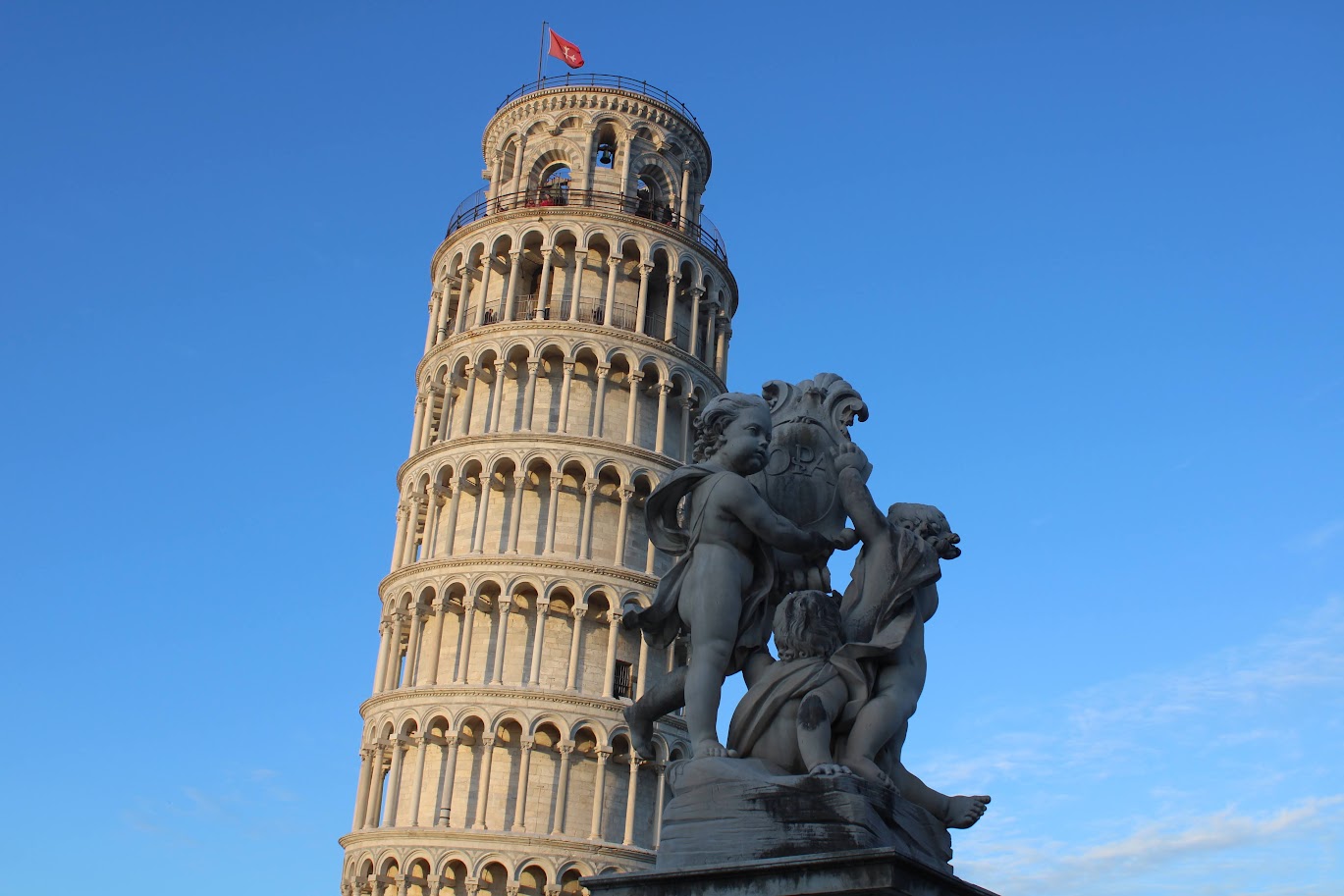
Nel seguire il disegni, Cybei mantenne le pose dei tre putti pensata dal Tempesti ma volle invertire quello centrale posizionandolo in senso antiorario, per aumentare il dinamismo del gruppo dando un senso di ascendenza.

Per il momento il sempre vostro Michelangelo Buonarroti vi saluta dandovi appuntamento ai prossimi post e sui social. © Riproduzione riservata
The Fountain of the Putti by Cybei in Pisa
The Piazza del Duomo in Pisa is a concentration of artistic masterpieces. Among the works present, the view of the Fountain of the Putti cannot be missed.
Located in the square, near Via Santa Maria, it was sculpted in Carrara marble by Giovanni Antonio Cybei between 1746 and 1765 and placed on the base created by Giuseppe Vaccà.
However, it was the painter Giovanni Battista Tempesti who conceived the work and delivered the drawing of the two putti holding the coats of arms of Pisa and the Opera del Duomo to the two sculptors.
It was thanks to Francesco Quarantotti, a worker at the Opera del Duomo since 1729, that the Fountain of the Putti was created. Previously, the square was decorated with a very different fountain, simple and without any noteworthy decorations. In order to create a more decorative fountain that would better harmonize with the context of the square, the creation of a base was entrusted to the sculptor from Carrara Giuseppe Vaccà who had previously taken part in the creation of the furnishings of the cathedral.
In 1746 the base was completed, decorated with acanthus leaves and cherubs. According to what was reported by Filippo d’Angelo in the Memoria del Duomo, that base was defined as “not magnifying but beautiful and gallant”.
The base remained without the work to support for almost two decades. In 1763, the successor of the cathedral worker Anton Francesco Maria Quarantotti
In 1763 Anton Francesco Maria, son and successor of the worker of the Opera Quarantotti, reached an agreement to have the work completed. He entrusted Cybei with the creation of the two cherubs that support the coats of arms designed by Tempesti.
Cybei worked on the sculptural group in his studio in Carrara and, once completed, sent it to Pisa first by sea and then up the Arno. The two cherubs arrived in the city a few days before Christmas 1765.
While the base with the fountains was much appreciated by the Pisans, the group with the three cherubs was not liked by the citizens or by the experts, so much so that, over the centuries, alternative solutions to remove them have been proposed several times.
In following the drawings, Cybei maintained the poses of the three cherubs conceived by Tempesti but wanted to invert the central one, positioning it counterclockwise, to increase the dynamism of the group and give a sense of ascendancy.
For the moment, yours truly Michelangelo Buonarroti bids you farewell, making an appointment with you in the next posts and on social media.
© All rights reserved

Sostienici – Support Us
Se questo blog ti piace e ti appassiona, puoi aiutarci a farlo crescere sempre più sostenendoci in modo concreto condividendo i post, seguendo le pagine social e con un contributo che ci aiuta ad andare avanti con il nostro lavoro di divulgazione. . ENGLISH: If you like and are passionate about this blog, you can help us make it grow more and more by supporting us in a concrete way by sharing posts, following social pages and with a contribution that helps us to move forward with our dissemination work.
10,00 €
-
La Pietà di Tincolini: a Pontedera l’arte torna a fare domande scomode
🇮🇹“Pietà”, la scultura di Filippo Tincolini, insieme alle parole di Federico Quaranta e Andrea Pezzi, non è stato solo uno spettacolo. È stata una domanda lanciata in faccia al pubblico, impossibile da evitare: siamo ancora capaci di provare pietà? 🇬🇧 “Pietà,” Filippo Tincolini’s sculpture, along with the words of Federico Quaranta and Andrea Pezzi, wasn’t…
-
Ai Musei Vaticani i fasti barocchi di Urbano VIII: in mostra gli arazzi della manifattura Barberini
🇮🇹A quattro secoli dalla consacrazione della Basilica di San Pietro, i Musei Vaticani dedicano una mostra all’Arazzeria Barberini, simbolo di una cultura visiva capace di fondere magnificenza estetica e affermazione politica… 🇬🇧Four centuries after the consecration of St. Peter’s Basilica, the Vatican Museums are dedicating an exhibition to the Barberini Tapestry Factory, a symbol of…
-
Le Opere della Pasqua: come la Resurrezione ha ispirato Arte e Cultura
🇮🇹La Pasqua, oltre ad essere una ricorrenza religiosa è un momento in cui la storia, l’arte e la spiritualità si intrecciano per raccontare il fulcro della fede cristiana: la resurrezione di Cristo. .. 🇬🇧Easter, beyond being a religious holiday, is a moment when history, art, and spirituality intertwine to recount the core of the Christian…
Condividi:


Questo sono io





sostienici

Sostienici – Support Us
Se questo blog ti piace e ti appassiona, puoi aiutarci a farlo crescere sempre più sostenendoci in modo concreto condividendo i post, seguendo le pagine social e con un contributo che ci aiuta ad andare avanti con il nostro lavoro di divulgazione. . ENGLISH: If you like and are passionate about this blog, you can help us make it grow more and more by supporting us in a concrete way by sharing posts, following social pages and with a contribution that helps us to move forward with our dissemination work.
€10,00


