
L’Atlante Farnese: il capolavoro del Mann in Giappone, per l’Expo2025 di Osaka
L’Atlante Farnese, una delle opere identitarie del Museo Archeologico di Napoli, vola in Giappone. Rappresenterà il patrimonio culturale italiano nel padiglione allestito all’Expo 2025 di Osaka.
La grande scultura di quasi 20 quintali per due metri circa di altezza, arriva così per la prima volta nel continente asiatico per divenire il fulcro della piazza semicircolare, progettata secondo un’architettura che rievoca la città ideale dei Rinascimento ideata da Mario Cucinella della MCA Architects.
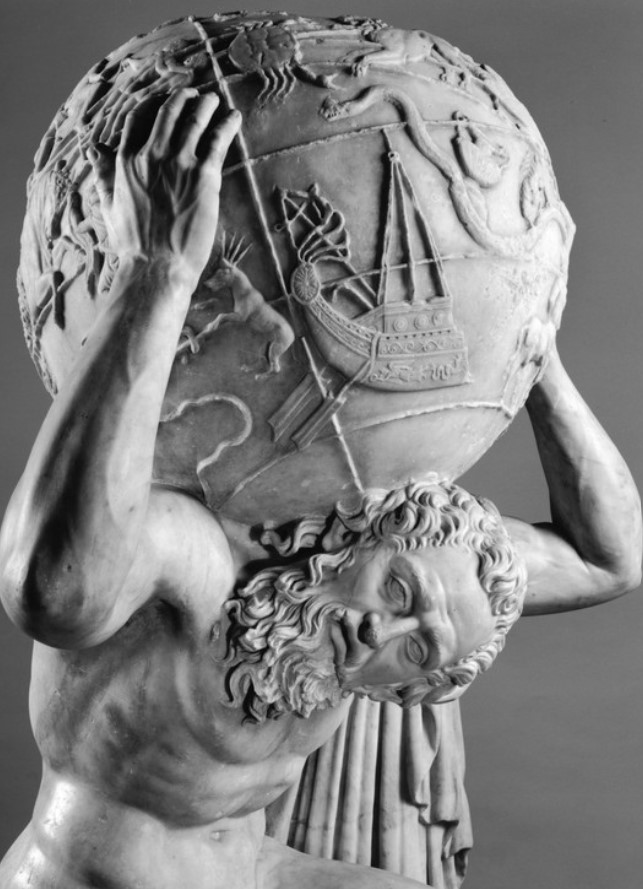
L’Atlante si piega sotto i peso della sfera celeste che rappresenta una delle più esaustive e antiche riproduzioni della volta e dello Zodiaco che siano arrivate fino ai nostri giorni.
L’opera è una scultura ellenistica di autore ignoto che fu scolpita nel secondo secolo dopo Cristo. La raffigurazione della sfera celeste è talmente dettagliata da mostrare i due meridiani che passano per i poli e per i punti degli equinozi e dei solstizi, l’equatore celeste, l’eclittica con la fascia zodiacale e il circolo artico e antartico.
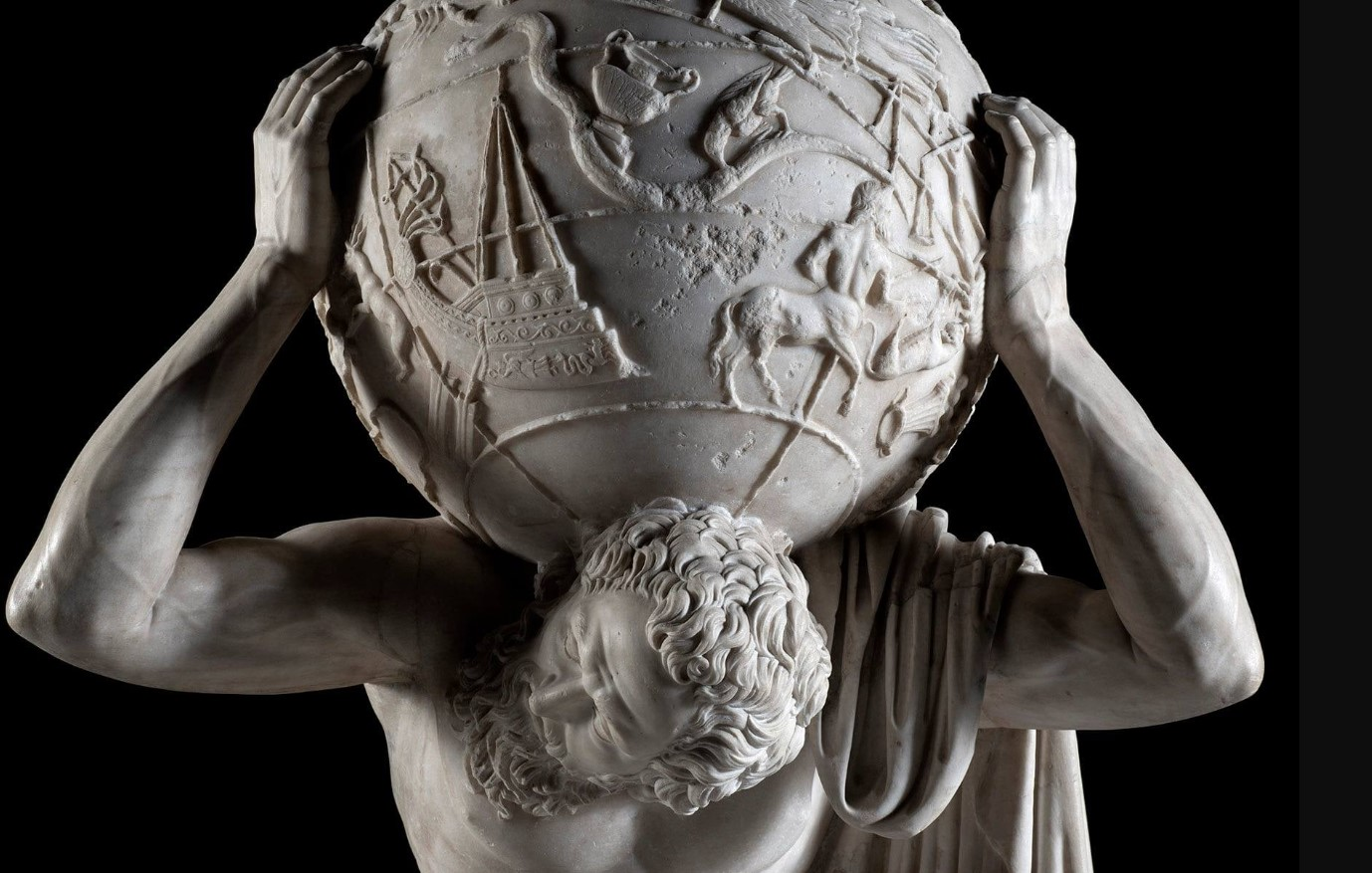
Il Salone della Meridiana del Museo Archeologico di Napoli rimarrà disadorno del grande capolavoro per mesi mentre verrà ammirato da tutti coloro che potranno visitare l’Expo2025 di Osaka.
Per il momento il sempre vostro Michelangelo Buonarroti vi saluta dandovi appuntamento ai prossimi post e sui social.
© Riproduzione riservata
The Farnese Atlas flies to Japan, to Osaka for Expo2025
The Farnese Atlas, one of the identifying works of the Archaeological Museum of Naples, flies to Japan. It will represent the Italian cultural heritage in the pavilion set up at Expo 2025 in Osaka.
The large sculpture weighing almost 20 quintals and approximately two meters in height, thus arrives for the first time in the Asian continent to become the fulcrum of the semicircular square, designed according to an architecture that evokes the ideal city of the Renaissance, conceived by Mario Cucinella of MCA Architects.
The Atlas bends under the weight of the celestial sphere that represents one of the most exhaustive and ancient reproductions of the vault and the Zodiac that have reached our days.
The work is a Hellenistic sculpture by an unknown artist that was sculpted in the second century AD. The depiction of the celestial sphere is so detailed that it shows the two meridians that pass through the poles and the points of the equinoxes and solstices, the celestial equator, the ecliptic with the zodiacal band and the Arctic and Antarctic circles.
The Salone della Meridiana of the Archaeological Museum of Naples will remain unadorned by the great masterpiece for months while it will be admired by all those who will be able to visit Expo2025 in Osaka.
For the moment, your ever Michelangelo Buonarroti bids you farewell, making an appointment with you in the next posts and on social media.
© All rights reserved

Sostienici – Support Us
Se questo blog ti piace e ti appassiona, puoi aiutarci a farlo crescere sempre più sostenendoci in modo concreto condividendo i post, seguendo le pagine social e con un contributo che ci aiuta ad andare avanti con il nostro lavoro di divulgazione. . ENGLISH: If you like and are passionate about this blog, you can help us make it grow more and more by supporting us in a concrete way by sharing posts, following social pages and with a contribution that helps us to move forward with our dissemination work.
10,00 €
-
Venerdì Santo: gli “Ecce Homo” più intensi della storia dell’arte
🇮🇹Ecce Homo. Da Antonello da Messina a Tintoretto, fino al sorprendente capolavoro di Antonio Ciseri, questo soggetto ha attraversato i secoli raccontando dolore, umanità e coscienza… 🇬🇧Ecce Homo. From Antonello da Messina to Tintoretto, to Antonio Ciseri’s astonishing masterpiece, this subject has spanned the centuries, recounting pain, humanity, and conscience…
-
Attacco hacker agli Uffizi: rubati dati sensibili, mappe e codici di sicurezza
🇮🇹Attacco hacker alle Gallerie degli Uffizi: rubati dati sensibili, mappe e sistemi di sicurezza. A rischio opere, archivi e cybersicurezza del patrimonio artistico… 🇬🇧Hacker attack on the Uffizi Galleries: sensitive data, maps, and security systems stolen. Works of art, archives, and the cybersecurity of the artistic heritage are at risk…
-
Venerdì Santo: la Crocifissione secondo Tiepolo
🇮🇹Nel giorno del Venerdì Santo, c’è un’opera che riesce ancora a scuotere lo sguardo. La Crocifissione di Giambattista Tiepolo non è come le altre: niente simmetrie perfette, niente distanza. Qui si entra dentro la scena, da un punto di vista obliquo, tra movimento, tensione e umanità… 🇬🇧On Good Friday, there’s a work that still manages…
Condividi:


Questo sono io





sostienici

Sostienici – Support Us
Se questo blog ti piace e ti appassiona, puoi aiutarci a farlo crescere sempre più sostenendoci in modo concreto condividendo i post, seguendo le pagine social e con un contributo che ci aiuta ad andare avanti con il nostro lavoro di divulgazione. . ENGLISH: If you like and are passionate about this blog, you can help us make it grow more and more by supporting us in a concrete way by sharing posts, following social pages and with a contribution that helps us to move forward with our dissemination work.
€10,00


