

La Scultura del giorno: l’Educazione di Bacco di Kummel
La scultura del giorno che vi propongo oggi è l’Educazione di Bacco, scolpita nel 1846 dall’artista tedesco Heinrich August Georg Kummel.
Nato ad Hannover nel 1810, Kummel, a quindici anni andò a studiare i primi rudimenti artistici dallo scultore Hengst. Quella formazione però non era sufficiente per lui e volle trasferirsi a Berlino per proseguire gli studi seguito dai fratelli Wichmann che avevano avuto modo di lavorare sia a Roma che a Parigi.
Fu a Roma che il prorompente talento di Kummel emerse, grazie agli insegnamenti di Thorvaldsen. No è difficile ritrovare infatti nelle sue opere successive le influenze dello scultore danese e il suo stile.
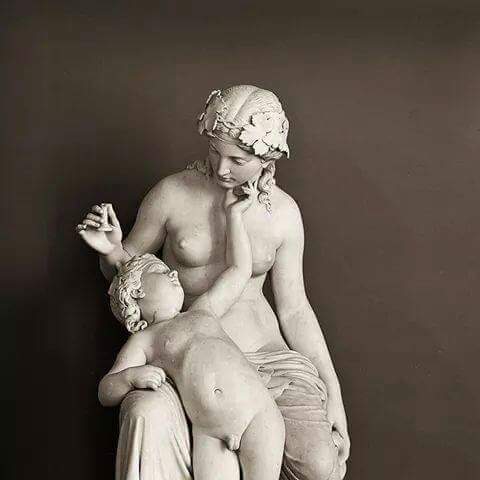
Nella scultura l’Educazione di Bacco, Kummel volle scolpire bacco ancora bambino in una bella posa in contrapposto, con il capo coronato da pampini. Posizionato frontalmente rispetto allo spettatore, allunga il braccio sinistro fino a sfiorare con la mano il volto della sua educatrice.

La giovane con il seno scoperto e le gambe avvolte in un panneggio, guarda con tenerezza Bacco. Anche lei ha il capo cinto con una corona realizzata con le foglie di vite.
Ebbene sì, nella mitologia greca, l’educazione del giovane Bacco fu affidata alle ninfe. Queste creature divine femminili, legate alla natura, furono scelte proteggere il futuro dio del vino e farlo crescere.
Con la loro saggezza e la loro connessione con la terra, erano considerate le figure ideali per guidare Bacco nella sua crescita introducendolo ai misteri della natura e della fertilità.

La scultura appartiene a una collezione privata ed è una delle più belle e interessanti che lo scultore Heinrich August Georg Kummel realizzò nel corso di tutta la sua carriera artistica.

Per il momento il sempre vostro Michelangelo Buonarroti vi saluta dandovi appuntamento ai prossimi post e sui social.
© Riproduzione riservata
Sculpture of the day: The Education of Bacchus by Kummel
The sculpture of the day that I propose to you today is the Education of Bacchus, sculpted in 1846 by the German artist Heinrich August Georg Kummel.
Born in Hannover in 1810, Kummel, at the age of fifteen went to study the first artistic rudiments from the sculptor Hengst. However, that training was not enough for him and he wanted to move to Berlin to continue his studies followed by the Wichmann brothers who had had the opportunity to work both in Rome and Paris.
It was in Rome that Kummel’s bursting talent emerged, thanks to the teachings of Thorvaldsen. It is not difficult to find in fact in his later works the influences of the Danish sculptor and his style.
In the sculpture The Education of Bacchus, Kummel wanted to sculpt Bacchus as a child in a beautiful pose in contraposto, with his head crowned by vine leaves. Positioned in front of the viewer, he stretches out his left arm until his hand touches the face of his educator.
The young woman with her breasts uncovered and her legs wrapped in drapery, looks tenderly at Bacchus. She too has her head encircled with a crown made of vine leaves.
Yes, in Greek mythology, the education of the young Bacchus was entrusted to the nymphs. These divine female creatures, linked to nature, were chosen to protect the future god of wine and make him grow.
With their wisdom and their connection with the earth, they were considered the ideal figures to guide Bacchus in his growth by introducing him to the mysteries of nature and fertility.
The sculpture belongs to a private collection and is one of the most beautiful and interesting that the sculptor Heinrich August Georg Kummel created throughout his artistic career.
For the moment, the ever-yours Michelangelo Buonarroti bids you farewell, making an appointment with you in the next posts and on social media.

Sostienici – Support Us
Se questo blog ti piace e ti appassiona, puoi aiutarci a farlo crescere sempre più sostenendoci in modo concreto condividendo i post, seguendo le pagine social e con un contributo che ci aiuta ad andare avanti con il nostro lavoro di divulgazione. . ENGLISH: If you like and are passionate about this blog, you can help us make it grow more and more by supporting us in a concrete way by sharing posts, following social pages and with a contribution that helps us to move forward with our dissemination work.
10,00 €
-
Il tempo non concede ritorni
🇮🇹Chi opera fuori del dovere suo spera invano d’esserne poi lodato o ricompensato. Così dice il volgo, e così pure sentivo io, ché spesso accade che chi fa quel che non si conviene, riceve in cambio ciò che mai avrebbe creduto… 🇬🇧He who acts outside his duty hopes in vain to be praised or rewarded…
-

2 maggio 1519: la morte di Leonardo da Vinci e la nascita di un mito eterno
🇮🇹Il 2 maggio 1519 si spense ad Amboise Leonardo da Vinci ed ebbe inizio la sua immortalità. Con lui non moriva soltanto un uomo ma prendeva forma definitiva il mito del genio universale, capace di attraversare i secoli con la forza delle sue idee… 🇬🇧On May 2, 1519, Leonardo da Vinci died in Amboise, marking…
-
Boldini a Lucca: la seduzione della pittura e dell’attimo che fugge
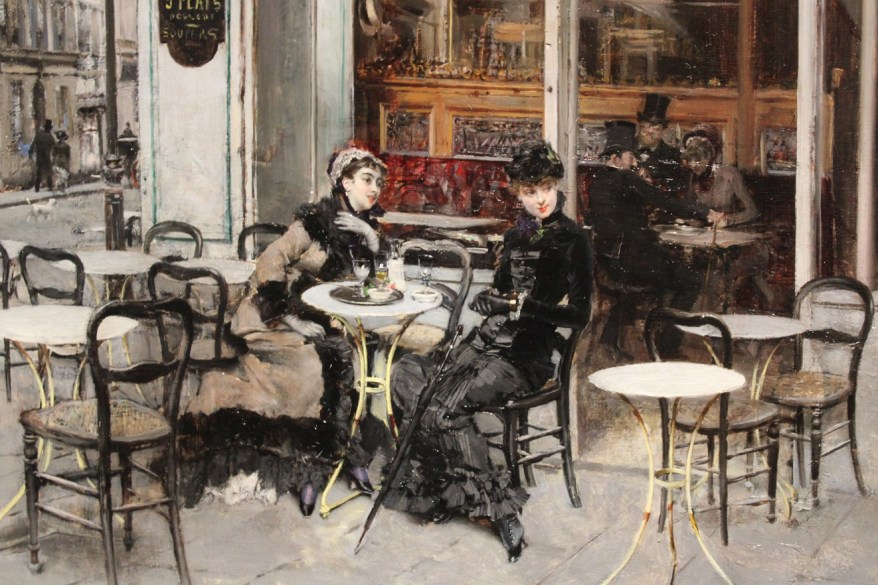
🇮🇹 “Giovanni Boldini. La seduzione della pittura” all’Ex Cavallerizza di Lucca Un viaggio tra pennellate rapide e vibranti, abiti di seta che sembrano muoversi da soli e sguardi che non si lasciano mai afferrare del tutto…. 🇬🇧 “Giovanni Boldini. The Seduction of Painting” at the Ex Cavallerizza in Lucca. A journey through rapid, vibrant brushstrokes,…
Condividi:


Questo sono io




sostienici

Sostienici – Support Us
Se questo blog ti piace e ti appassiona, puoi aiutarci a farlo crescere sempre più sostenendoci in modo concreto condividendo i post, seguendo le pagine social e con un contributo che ci aiuta ad andare avanti con il nostro lavoro di divulgazione. . ENGLISH: If you like and are passionate about this blog, you can help us make it grow more and more by supporting us in a concrete way by sharing posts, following social pages and with a contribution that helps us to move forward with our dissemination work.
€10,00


L’ educazione di Bacco, Kummel…meraviglia…entusiasta!!! Grazie 🫶🏻🌹💎♥️
"Mi piace"Piace a 1 persona
mi piace la composizione complessiva, molto bella
"Mi piace"Piace a 1 persona