

Restauro del Vittoriano: torna visibile il bronzo dorato dell’Aquila e la Vittoria Alata di Rubino
Il restauro del Vittoriano è in corso e si iniziano a vedere i primi risultati. L’Aquila e la Vittoria Alata, da tempo offuscati dalla patina di ossido che li ricopriva, tornano a mostrare lo splendore del bronzo dorato.
Il termine dei lavori è previsto per i mese di ottobre, quando sarà ultimato il restauro delle sculture del fronte principale.

Il progetto di restauro è diretto da Edith Gabrielli ed eseguito materialmente dalla restauratrice Susanna Sarmati. Reso possibile grazie al contributo di Bvlgari, consentirà di preservare la grande opera per le generazioni future restituendole una maggiore leggibilità.
Il bronzo dorato delle due opere di Rubino, come stabilito dell’architetto del monumento Giuseppe Sacconi, avrebbe dovuto scintillare nei cieli di Roma. Da tempo la patina grigiastra aveva alterato quella caratteristica che invece, grazie al restauro, ritorna ad essere come voluta in origine.

“Nel progetto dell’architetto Giuseppe Sacconi il Vittoriano s’imponeva allo sguardo per l’equilibrio cromatico fra il candore del Botticino e la finitura dorata delle sculture e degli ornamenti in bronzo. Parlano chiaro in tal senso la documentazione esistente, compreso un disegno del febbraio 1888, e le analisi condotte direttamente sulle opere. Tuttavia, il degrado causato dagli anni, dall’inquinamento e dagli agenti atmosferici aveva ormai occultato alla vista questa finitura.
Nel pieno rispetto dei principi metodologici del restauro italiano, abbiamo deciso di reintegrare l’immagine a suo tempo concepita da Sacconi, restituendo piena leggibilità alla doratura originale. Oggi tutti possono vedere i primi risultati di questo lavoro nel pennone di sinistra. Fra qualche settimana, entro ottobre, concluderemo il restauro del secondo pennone e dei due gruppi monumentali de Il Pensiero e de L’Azione, rispettivamente di Giulio Monteverde e di Francesco Jerace. Invito tutti ad approfittare in questo periodo delle visite guidate gratuite che, nello spirito del “cantiere aperto”, consentono di salire sui ponteggi e di osservare i restauratori al lavoro”
Edith Gabrielli, Direttrice del VIVE-Vittoriano e Palazzo Venezia.
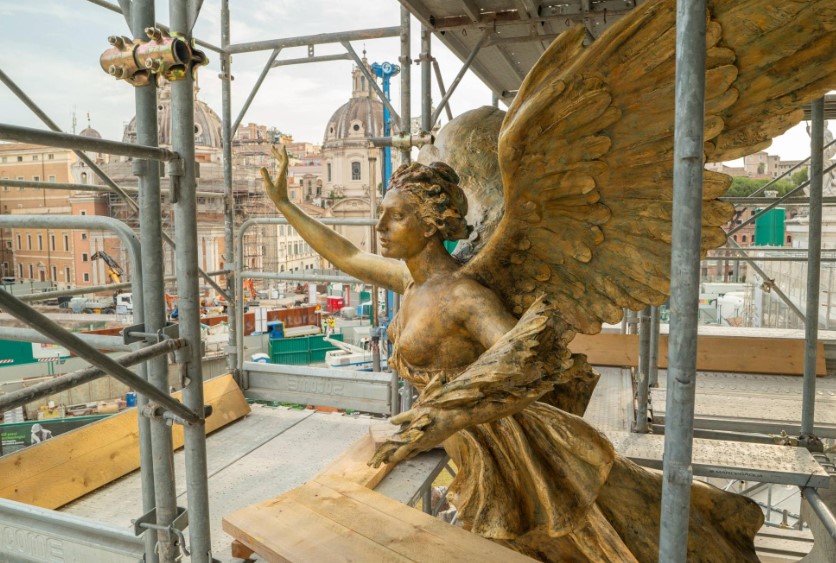
Per scoprirne da vicino le tecniche e conoscere i problemi di conservazione delle sculture e le soluzioni adottate, il VIVE – Vittoriano e Palazzo Venezia ha promosso fin dall’avvio dei lavori una serie di visite guidate in cui è possibile salire sui ponteggi e verificare il procedere dell’intervento.
Un’iniziativa che ha riscosso un grande successo da parte del pubblico e che prevede un prossimo appuntamento il 12 settembre 2024 alle ore 10.00, in linea con il continuo e proficuo dialogo che l’Istituto persegue da sempre con la propria comunità.
Le visite al cantiere di restauro sono gratuite e riservate ad un massimo di 15 persone a turno previa prenotazione inviando richiesta a: vi-ve.edu@cultura.gov.it
Per il momento il sempre vostro Michelangelo Buonarroti vi saluta dandovi appuntamento ai prossimi post e sui social.
© Riproduzione riservata
Restoration of the Vittoriano: Rubino’s gilded bronze Eagle and Winged Victory are visible again
The restoration of the Vittoriano is underway and the first results are beginning to be seen. The Eagle and Winged Victory, long obscured by the oxide patina that covered them, once again show the splendor of the gilded bronze.
The end of the work is scheduled for October, when the restoration of the sculptures on the main front will be completed.
The restoration project is directed by Edith Gabrielli and physically carried out by restorer Susanna Sarmati. Made possible thanks to the contribution of Bvlgari, it will allow the great work to be preserved for future generations by restoring its greater legibility.
The gilded bronze of Rubino’s two works, at the behest of the monument’s architect Giuseppe Sacconi, should have sparkled in the skies of Rome. For some time the grayish patina had altered that characteristic which instead, thanks to the restoration, returns to being as originally intended.
“In the project by architect Giuseppe Sacconi, the Vittoriano was striking for its chromatic balance between the whiteness of the Botticino and the gilded finish of the bronze sculptures and ornaments. The existing documentation, including a drawing from February 1888, and the analyses conducted directly on the works speak clearly in this sense. However, the degradation caused by the years, pollution and atmospheric agents had by then hidden this finish from view.
In full compliance with the methodological principles of Italian restoration, we decided to reintegrate the image conceived by Sacconi at the time, restoring full legibility to the original gilding. Today everyone can see the first results of this work in the left flagpole. In a few weeks, by October, we will complete the restoration of the second flagpole and of the two monumental groups of Il Pensiero and L’Azione, respectively by Giulio Monteverde and Francesco Jerace. I invite everyone to take advantage of the free guided tours during this period which, in the spirit of the “open construction site”, allow you to climb onto the scaffolding and observe the restorers at work”
Edith Gabrielli, Director of VIVE-Vittoriano and Palazzo Venezia.
To discover the techniques up close and learn about the conservation problems of the sculptures and the solutions adopted, VIVE – Vittoriano and Palazzo Venezia has promoted a series of guided tours since the start of the works in which it is possible to climb onto the scaffolding and check the progress of the intervention.
An initiative that has been very successful with the public and which plans a next appointment on September 12, 2024 at 10:00, in line with the continuous and fruitful dialogue that the Institute has always pursued with its community.
Visits to the restoration site are free and reserved for a maximum of 15 people per shift upon reservation by sending a request to: vi-ve.edu@cultura.gov.it
For the moment, yours ever Michelangelo Buonarroti bids you farewell, making an appointment to see you in the next posts and on social media.
© Reproduction reserved

Sostienici – Support Us
Se questo blog ti piace e ti appassiona, puoi aiutarci a farlo crescere sempre più sostenendoci in modo concreto condividendo i post, seguendo le pagine social e con un contributo che ci aiuta ad andare avanti con il nostro lavoro di divulgazione. . ENGLISH: If you like and are passionate about this blog, you can help us make it grow more and more by supporting us in a concrete way by sharing posts, following social pages and with a contribution that helps us to move forward with our dissemination work.
10,00 €
-
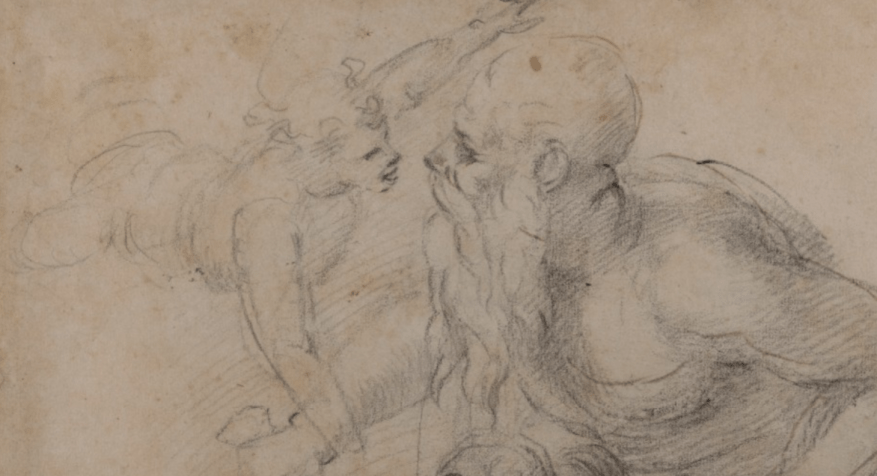
Il Sacrificio di Isacco e quel momento tra la vita e la morte
🇮🇹Oggi voglio raccontarvi alcuni dettagli sul mio disegno del Sacrificio di Isacco, conservato oggi a Casa Buonarroti. Su quel foglio volli tracciare il momento preciso in cui la paura fa spazio al miracolo… 🇬🇧Today I want to tell you some details about my drawing of the Sacrifice of Isaac, now preserved at Casa Buonarroti. On…
-
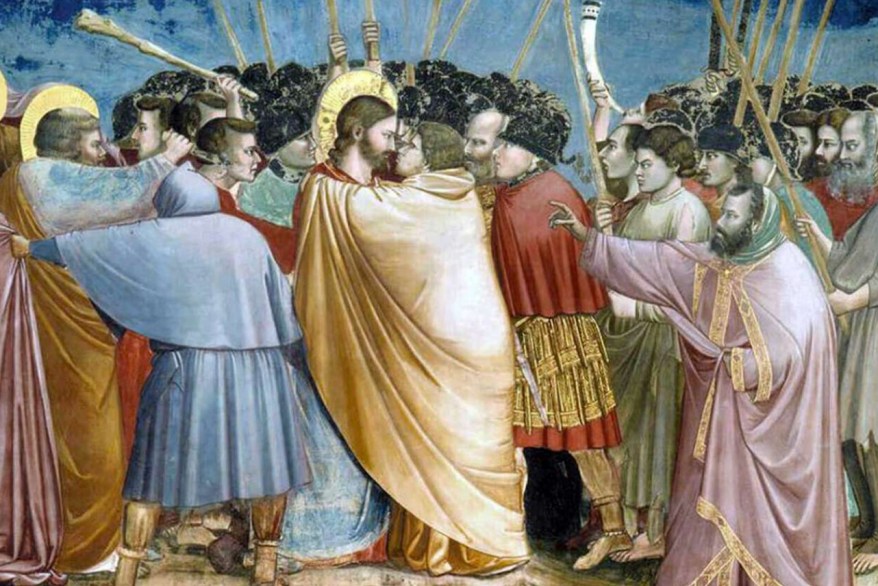
Mercoledì Santo: il giorno del tradimento di Giuda affrescato da Giotto
🇮🇹Il Mercoledì Santo è il giorno del silenzio, della riflessione e del tradimento. È il momento in cui Giuda sceglie di vendere Gesù per trenta denari, segnando uno dei passaggi più dolorosi della Settimana Santa…. 🇬🇧Holy Wednesday is a day of silence, reflection, and betrayal. ✝It is the moment when Judas chooses to sell Jesus…
-
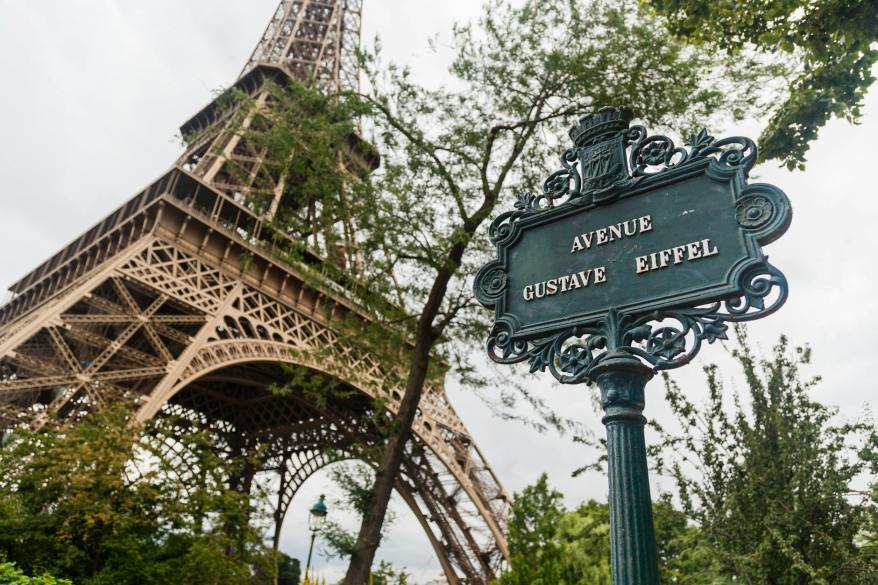
31 marzo 1889: inaugurata la Torre Eiffel tra critiche feroci e un destino inaspettato
🇮🇹Il 31 marzo 1889 segna una data destinata a cambiare per sempre il volto di Parigi e dell’immaginario collettivo globale: viene inaugurata la Torre Eiffel, l’opera più audace e discussa del suo tempo… 🇬🇧March 31, 1889 marks a date destined to change the face of Paris and the global collective imagination forever: the Eiffel Tower,…
Condividi:


Questo sono io





sostienici

Sostienici – Support Us
Se questo blog ti piace e ti appassiona, puoi aiutarci a farlo crescere sempre più sostenendoci in modo concreto condividendo i post, seguendo le pagine social e con un contributo che ci aiuta ad andare avanti con il nostro lavoro di divulgazione. . ENGLISH: If you like and are passionate about this blog, you can help us make it grow more and more by supporting us in a concrete way by sharing posts, following social pages and with a contribution that helps us to move forward with our dissemination work.
€10,00


