

Galleria Corsini: in mostra i due dipinti di Caracciolo e Luca Giordano restaurati
Le Gallerie Nazionali di Arte Antica hanno terminato il restauro di due importanti dipinti delle loro collezioni: il dipinto Sant’Onofrio di Battistello Caracciolo e Il tributo della moneta di Luca Giordano.
Le due opere saranno esposte nella sede della Galleria Corsini dal 18 luglio al 27 ottobre 2024.
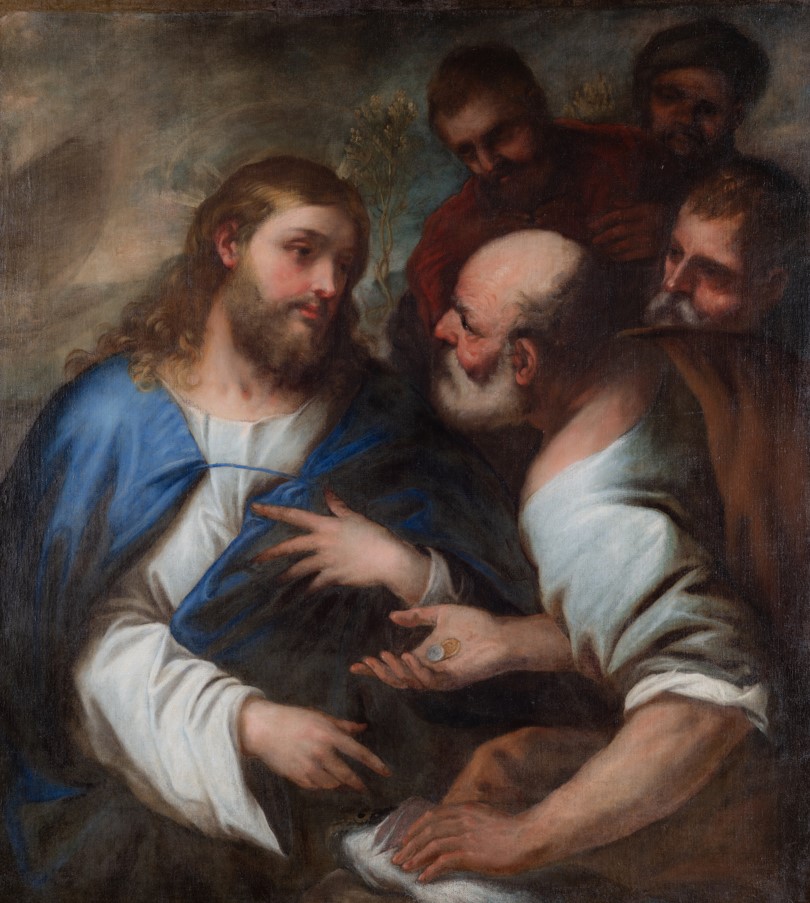
I due restauri sono stati finanziati dalla vendita del Vino Civitas grazie all’impegno dell’Associazione Civita e della Tenuta Caparzo di Montalcino. Parte dei proventi delle vendite degli anni scorsi ha permesso di restaurare la Madonna del latte di Bartolomé Esteban Murillo e di avviare interventi su altre opere.
Il Sant’Onofrio è un dipinto realizzato tra il 1615 e il 1618 da Battistello Caracciolo, uno dei primi seguaci di Caravaggio. Nella questa tela l’artista ha messo in scena gli effetti dell’ascetismo estremo del santo, rifugiatosi per più di sessant’anni nel deserto, dopo aver ripudiato le sue origini regali.
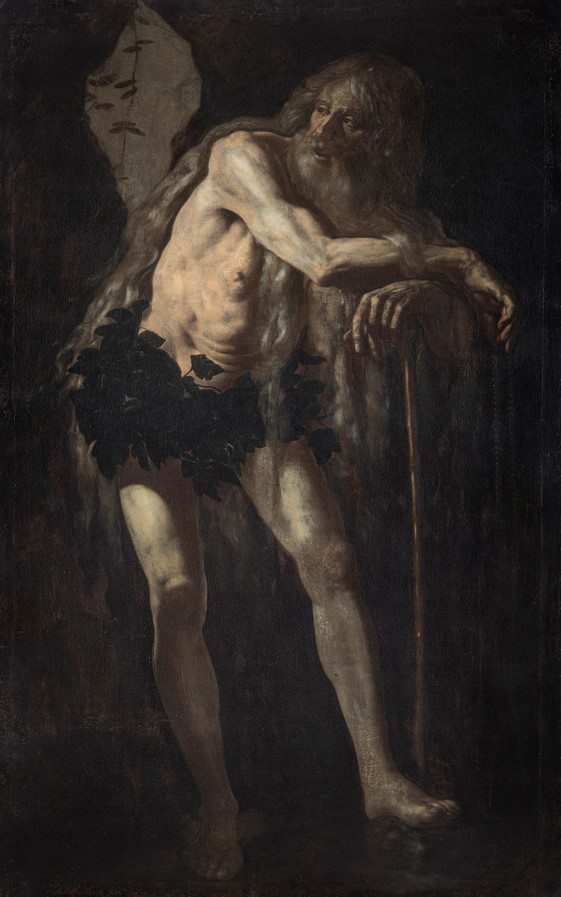
La scena è resa ancora più cruda dallo sfondo scuro e dalla luce caravaggesca proveniente dalla parte posteriore destra, che evidenzia la fatica fisica di Onofrio che si appoggia al bastone e la sua figura emaciata e provata, coperta soltanto dalle foglie e caratterizzata dalla lunga barba e dai capelli bianchi.
Il restauro, diretto da Yuri Primarosa ed eseguito da Laura De Vincenzo e Vega Santodonato, ha permesso di ottenere una lettura completa dell’opera. La scoperta di un segno continuo su tutti e quattro i lati a circa 10 cm dal bordo della tela ha consentito di ipotizzare un’antica provenienza del dipinto da una chiesa, forse come pala laterale.
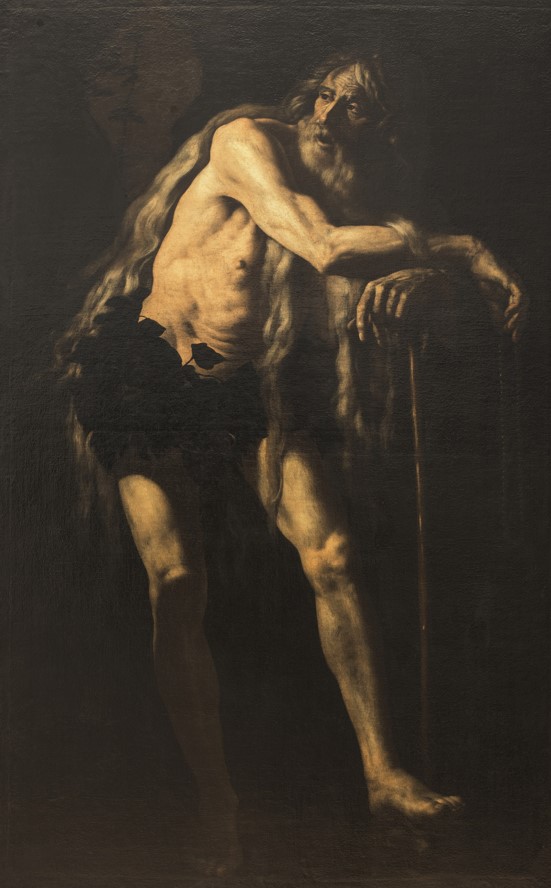
Il dipinto a olio su tela del Tributo della moneta di Luca Giordano, proveniente dalla collezione Corsini, è stato in deposito esterno al Senato dal 1940 ed è stato esposta al pubblico per la prima volta alla Galleria in occasione della mostra dedicata al cardinale Neri Maria Corsini nel dicembre 2022.
Torna ora negli appartamenti del Cardinale, ricollocata esattamente nella posizione registrata dall’inventario del 1750, dopo un lungo intervento di restauro durato più di un anno diretto da Alessandro Cosma ed eseguito da Pilar Grazioli.
L’opera realizzata dal pittore intorno al 1655-1660 fu donata a papa Clemente XII Corsini dal cardinal Alessandro Aldobrandini, probabilmente come ringraziamento per la nomina cardinalizia ricevuta nel 1730. L’importanza del quadro portò il cardinal Neri Maria a sceglierla per la galleria dei capolavori del suo appartamento: la Galleria del Cardinale.
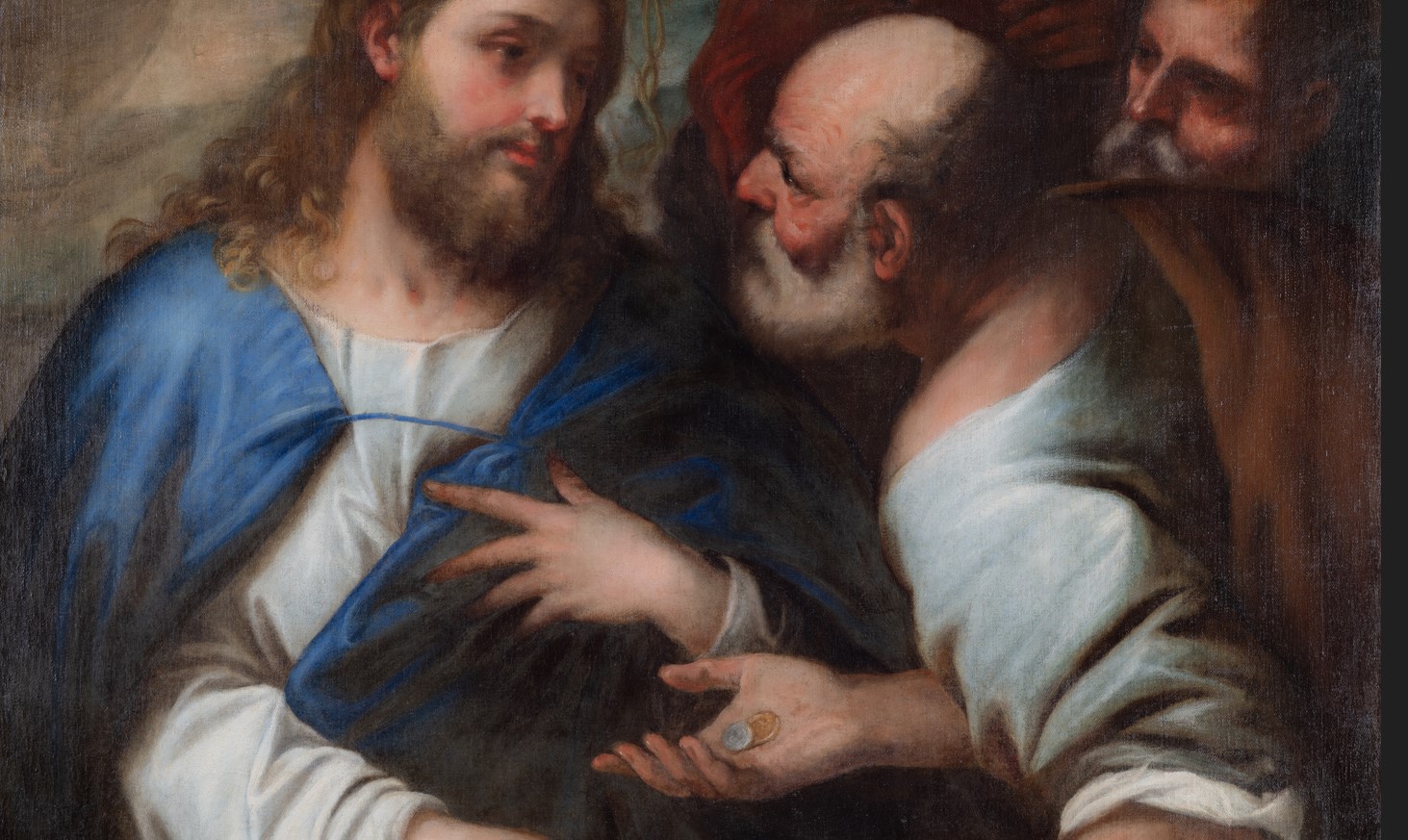
Il dipinto raffigura il Tributo della moneta e, in particolare, il momento in cui Pietro trova nel ventre di un pesce i denari necessari a pagare la tassa per il tempio per lui e per Cristo, come racconta il vangelo di Matteo.
Il restauro ha riportato alla luce le variegate cromie come il bianco della veste di Cristo o l’azzurro del manto, realizzato con l’uso di lapislazzulo e di smaltino, oggi purtroppo alterato in maniera irreversibile in grigio.
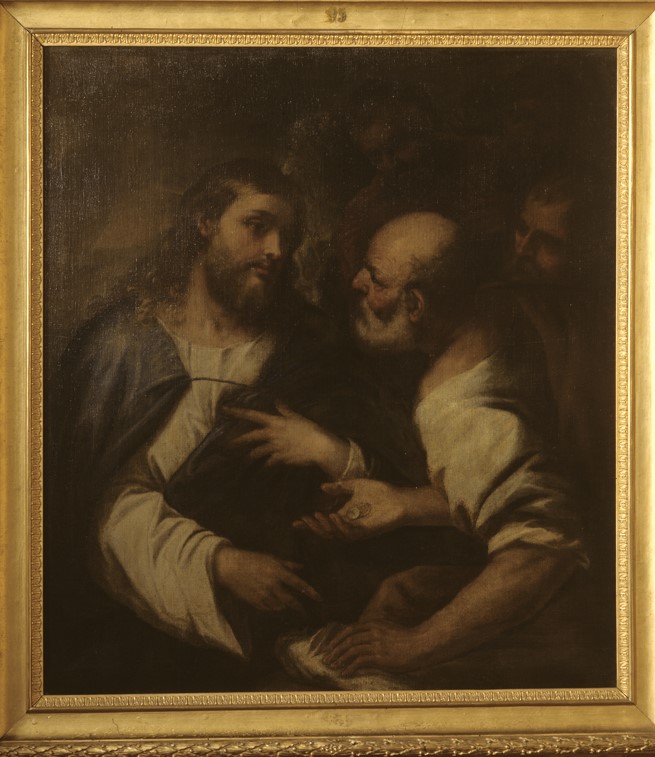
Ha inoltre fatto emergere le tre figure di apostoli sulla destra e, soprattutto, dettagli prima invisibili come lo sfondo di paesaggio e la barca con la vela e il pescatore sulla sinistra, riferimento all’ambientazione dell’episodio, ma anche richiamo al ruolo di Pietro come pescatore.
Le due opere saranno esposte alla Galleria Corsini dal 18 luglio al 27 ottobre 2024.
Per il momento il sempre vostro Michelangelo Buonarroti vi saluta dandovi appuntamento ai prossimi post e sui social.

Sostienici – Support Us
Se questo blog ti piace e ti appassiona, puoi aiutarci a farlo crescere sempre più sostenendoci in modo concreto condividendo i post, seguendo le pagine social e con un contributo che ci aiuta ad andare avanti con il nostro lavoro di divulgazione. . ENGLISH: If you like and are passionate about this blog, you can help us make it grow more and more by supporting us in a concrete way by sharing posts, following social pages and with a contribution that helps us to move forward with our dissemination work.
10,00 €
Corsini Gallery: the two restored paintings by Caracciolo and Luca Giordano on display
The National Galleries of Ancient Art have completed the restoration of two important paintings from their collections. The painting Sant’Onofrio by Battistello Caracciolo and The tribute of the coin by Luca Giordano will be exhibited in the Corsini Gallery from 18 July to 27 October 2024.
The two restorations were financed by the sale of Civitas wine thanks to the commitment of the Civita Association and the Caparzo estate in Montalcino. Part of the proceeds from sales in recent years made it possible to restore the Madonna del latte by Bartolomé Esteban Murillo and to start interventions on other works.
Sant’Onofrio is a painting created between 1615 and 1618 by Battistello Caracciolo, one of Caravaggio’s first followers. In this canvas the artist has staged the effects of the extreme asceticism of the saint, who took refuge in the desert for more than sixty years, after having repudiated his royal origins.
The scene is made even more crude by the dark background and the “Caravaggesque” light coming from the rear right, which highlights the physical fatigue of Onofrio who leans on the stick and his emaciated and tired figure, covered only by the leaves and characterized by the long beard and white hair.
The restoration, directed by Yuri Primarosa and carried out by Laura De Vincenzo and Vega Santodonato, made it possible to obtain a complete reading of the work. The discovery of a continuous sign on all four sides about 10 cm from the edge of the canvas made it possible to hypothesize an ancient origin of the painting from a church, perhaps as a side altarpiece.
The oil painting on canvas of the Coin Tribute by Luca Giordano, from the Corsini collection, has been in storage outside the Senate since 1940 and was exhibited to the public for the first time at the Gallery on the occasion of the exhibition dedicated to Cardinal Neri Maria Corsini in December 2022.
It now returns to the Cardinal’s apartments, relocated exactly in the position recorded in the 1750 inventory, after a long restoration project lasting more than a year directed by Alessandro Cosma and carried out by Pilar Grazioli.
The work created by the painter around 1655-1660 was donated to Pope Clement XII Corsini by Cardinal Alessandro Aldobrandini, probably as thanks for the cardinalship he received in 1730. The importance of the painting led Cardinal Neri Maria to choose it for the gallery of masterpieces from his apartment: the Cardinal’s Gallery.
The painting depicts the Coin Tribute and, in particular, the moment in which Peter finds in the belly of a fish the money necessary to pay the tax for the temple for him and for Christ, as told in the Gospel of Matthew.
The restoration has brought to light the variegated colors such as the white of Christ’s robe or the blue of the mantle, created with the use of lapis lazuli and enamel, today unfortunately irreversibly altered to grey.
It also brought out the three figures of apostles on the right and, above all, previously invisible details such as the landscape background and the boat with the sail and the fisherman on the left, a reference to the setting of the episode, but also a reference to the role of Peter as a fisherman.
The two works will be exhibited at the Corsini Gallery from 18 July to 27 October 2024.
For the moment, your always Michelangelo Buonarroti greets you and will meet you in the next posts and on social media.
Sostienici – Support Us
Se questo blog ti piace e ti appassiona, puoi aiutarci a farlo crescere sempre più sostenendoci in modo concreto condividendo i post, seguendo le pagine social e con un contributo che ci aiuta ad andare avanti con il nostro lavoro di divulgazione. . ENGLISH: If you like and are passionate about this blog, you can help us make it grow more and more by supporting us in a concrete way by sharing posts, following social pages and with a contribution that helps us to move forward with our dissemination work.
10,00 €
-
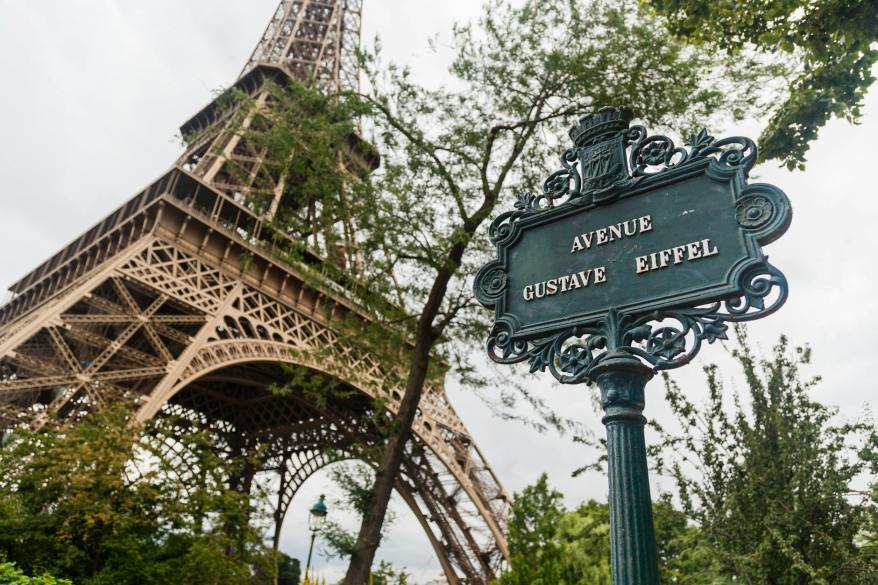
31 marzo 1889: inaugurata la Torre Eiffel tra critiche feroci e un destino inaspettato
🇮🇹Il 31 marzo 1889 segna una data destinata a cambiare per sempre il volto di Parigi e dell’immaginario collettivo globale: viene inaugurata la Torre Eiffel, l’opera più audace e discussa del suo tempo… 🇬🇧March 31, 1889 marks a date destined to change the face of Paris and the global collective imagination forever: the Eiffel Tower,…
-
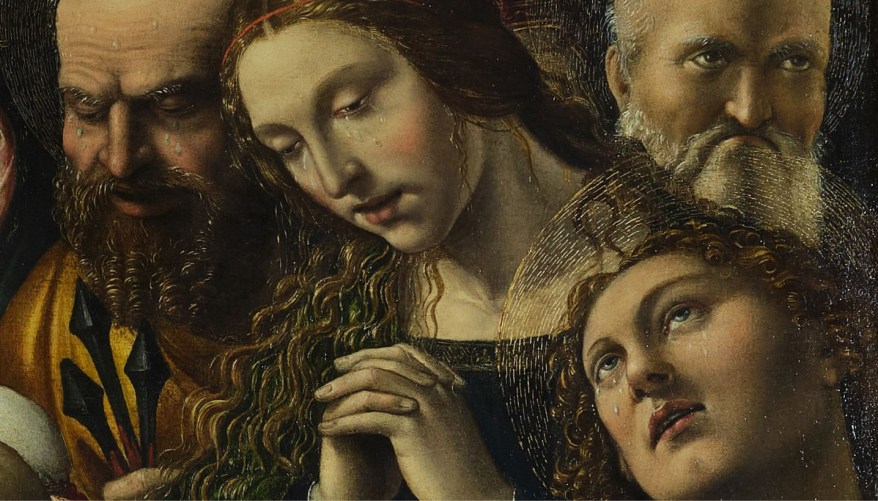
Sodoma in mostra a Torino: il Rinascimento al Museo Accorsi-Ometto
🇮🇹Al Museo di Arti Decorative Accorsi-Ometto arriva una mostra dedicata al Sodoma: oltre 50 opere, alcune mai viste prima, raccontano la formazione dell’artista e il suo dialogo con maestri come Pinturicchio… 🇬🇧An exhibition dedicated to Sodoma arrives at the Accorsi-Ometto Museum of Decorative Arts: over 50 works, some never before seen, recount the artist’s development…
-
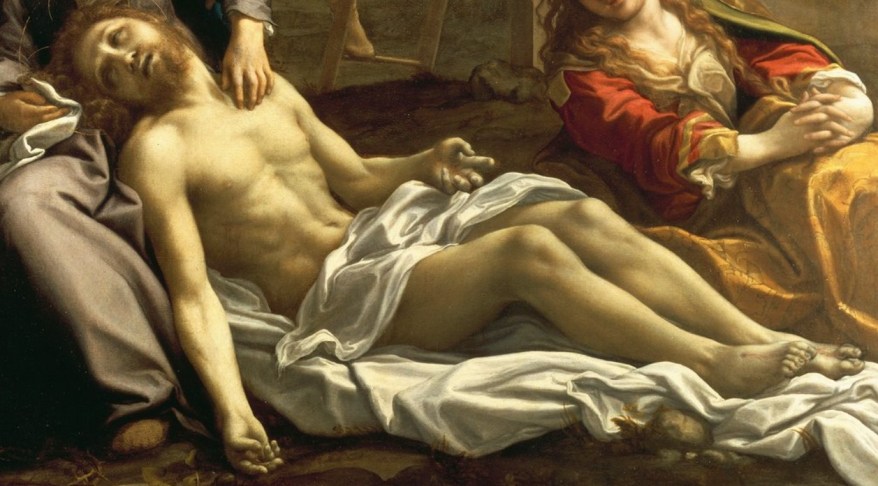
Il Compianto sul Cristo morto di Correggio: pathos e devozione
🇮🇹Con l’inizio della Settimana Santa, vi propongo il Compianto sul Cristo morto di Antonio Allegri, più noto come il Correggio: uno dei vertici assoluti della pittura emiliana del Cinquecento… 🇬🇧With the beginning of Holy Week, I propose the Lamentation over the Dead Christ by Antonio Allegri, better known as Correggio: one of the absolute peaks…
Condividi:


Questo sono io





sostienici

Sostienici - Support Us
Se questo blog ti piace e ti appassiona, puoi aiutarci a farlo crescere sempre più sostenendoci in modo concreto condividendo i post, seguendo le pagine social e con un contributo che ci aiuta ad andare avanti con il nostro lavoro di divulgazione. . ENGLISH: If you like and are passionate about this blog, you can help us make it grow more and more by supporting us in a concrete way by sharing posts, following social pages and with a contribution that helps us to move forward with our dissemination work.
€10,00


