
L’Alba del Cristianesimo: la storia dietro la Ragazza Indiana di Palmer
La scultura del giorno che vi propongo oggi è la Ragazza Indiana scolpita nel candido marmo di Carrara da Erastus Dow Palmer tra il 1855 e il 1856.
L’opera, nota anche come l’Alba del Cristianesimo, mostra una giovane abbigliata con delle pelli tenute in vita con una cintura che le avvolgono in corpo dalla vita in giù. Vagando nella foresta trova un Crocifisso e lo raccoglie da terra. E’ la prima volta che ha a che fare con un simbolo del cristianesimo e ne rimane affascinata ma stesso tempo sconvolta.

E’ Palmer stesso a descrivere il significato della sua opera in una lettera indirizzata al suo mecenate Hamilton Fish: “E’ una giovane fanciulla indiana che vaga svogliatamente nella sua foresta nativa raccogliendo piume di uccelli trova un Crocifisso, che emblema impressionante lei, vedendo per la prima volta, guarda con meraviglia e compassione.”
Lo scultore americano Palmer concentra tutta l’attenzione della ragazza sul Crocifisso. Lo porta verso il volto con la mano destra per osservarlo meglio mentre con l’altra mano tiene le piume.

La scultura esprime chiaramente il punto di vista del colonizzatore, narrato come un salvatore e benefattore, in grado di portare gli abitanti del luogo a un livello superiore di conoscenza. Da oltre oceano gli impongono la religione Cristiana con la forza bruta mentre nell’opera è la giovane a trovare la fede sul suo cammino attraverso il Crocifisso.
La scultura appartiene oggi al Metropolitan Museum di New York per il lascito che fece al museo nel 1894 lo stesso Hamilton Fish che ne era in possesso.

Per il momento il sempre vostro Michelangelo Buonarroti vi saluta dandovi appuntamento ai prossimi post e sui social.
The Dawn of Christianity: The Story Behind Palmer’s Indian Girl
The sculpture of the day that I propose to you today is the Indian Girl sculpted in white Carrara marble by Erastus Dow Palmer between 1855 and 1856.
The work, also known as the Dawn of Christianity, shows a young woman dressed in skins that wrap around her body from the waist down. While wandering in the forest she finds a Crucifix and picks it up from the ground. This is the first time she has dealt with a symbol of Christianity and she is fascinated but at the same time shocked.
It is Palmer himself who describes the meaning of his work in a letter addressed to his patron Hamilton Fish: “It is a young Indian girl who wanders listlessly in her native forest collecting bird feathers and finds a crucifix, which is an impressive emblem for her, seeing for the first time, look with wonder and compassion.”
The American sculptor Palmer focuses all the girl’s attention on the Crucifix. She brings it towards her face with her right hand to observe it better while with the other hand she holds the feathers.
The sculpture clearly expresses the point of view of the colonizer, narrated as a savior and benefactor, capable of bringing the local inhabitants to a higher level of knowledge. From overseas they impose the Christian religion on him with brute force while in the work it is the young woman who finds faith on her path through the Crucifix.
The sculpture now belongs to the Metropolitan Museum in New York due to the bequest made to the museum in 1894 by Hamilton Fish himself, who owned it.
For the moment, your always Michelangelo Buonarroti greets you and will meet you in the next posts and on social media.

Sostienici – Support Us
Se questo blog ti piace e ti appassiona, puoi aiutarci a farlo crescere sempre più sostenendoci in modo concreto condividendo i post, seguendo le pagine social e con un contributo che ci aiuta ad andare avanti con il nostro lavoro di divulgazione. . ENGLISH: If you like and are passionate about this blog, you can help us make it grow more and more by supporting us in a concrete way by sharing posts, following social pages and with a contribution that helps us to move forward with our dissemination work.
10,00 €
-
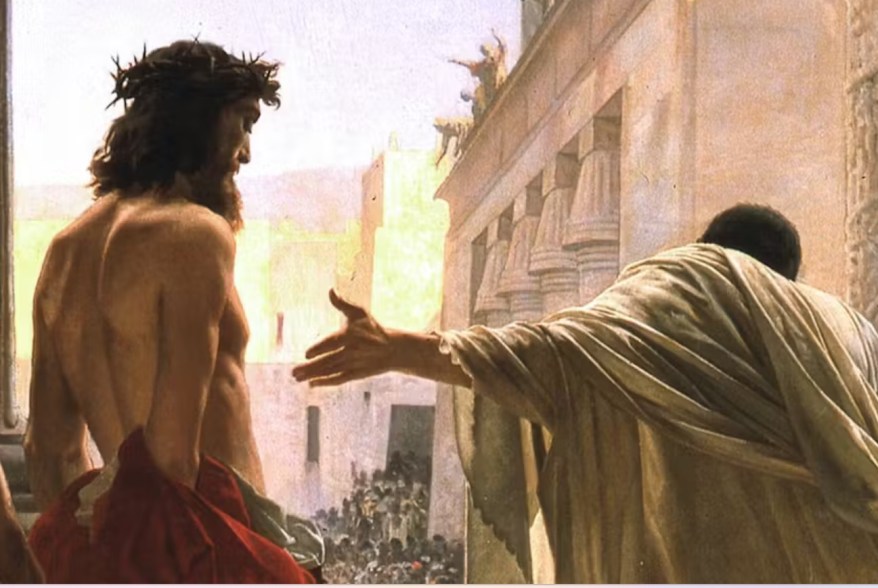
Venerdì Santo: gli “Ecce Homo” più intensi della storia dell’arte
🇮🇹Ecce Homo. Da Antonello da Messina a Tintoretto, fino al sorprendente capolavoro di Antonio Ciseri, questo soggetto ha attraversato i secoli raccontando dolore, umanità e coscienza… 🇬🇧Ecce Homo. From Antonello da Messina to Tintoretto, to Antonio Ciseri’s astonishing masterpiece, this subject has spanned the centuries, recounting pain, humanity, and conscience…
-
Attacco hacker agli Uffizi: rubati dati sensibili, mappe e codici di sicurezza
🇮🇹Attacco hacker alle Gallerie degli Uffizi: rubati dati sensibili, mappe e sistemi di sicurezza. A rischio opere, archivi e cybersicurezza del patrimonio artistico… 🇬🇧Hacker attack on the Uffizi Galleries: sensitive data, maps, and security systems stolen. Works of art, archives, and the cybersecurity of the artistic heritage are at risk…
-
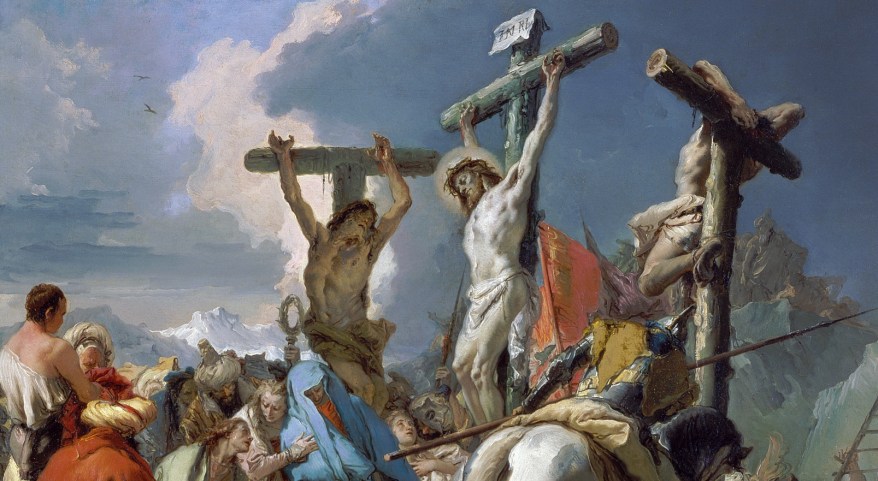
Venerdì Santo: la Crocifissione secondo Tiepolo
🇮🇹Nel giorno del Venerdì Santo, c’è un’opera che riesce ancora a scuotere lo sguardo. La Crocifissione di Giambattista Tiepolo non è come le altre: niente simmetrie perfette, niente distanza. Qui si entra dentro la scena, da un punto di vista obliquo, tra movimento, tensione e umanità… 🇬🇧On Good Friday, there’s a work that still manages…
Condividi:


Questo sono io





sostienici

Sostienici - Support Us
Se questo blog ti piace e ti appassiona, puoi aiutarci a farlo crescere sempre più sostenendoci in modo concreto condividendo i post, seguendo le pagine social e con un contributo che ci aiuta ad andare avanti con il nostro lavoro di divulgazione. . ENGLISH: If you like and are passionate about this blog, you can help us make it grow more and more by supporting us in a concrete way by sharing posts, following social pages and with a contribution that helps us to move forward with our dissemination work.
€10,00


