

Compassi rari e preziosi in mostra al Museo Galileo a Firenze
Fino al 15 settembre il Museo Galileo di Firenze ospita la mostra “Circinus. Compassi di proporzione dal XV al XVIII secolo”, organizzata in collaborazione con l’Arithmeum di Bonn.
L‘esposizione propone circa 100 strumenti originali e ricostruisce passo dopo passo la storia del compasso di proporzione ovvero lo strumento di calcolo analogico che fu una delle più significative conquiste della matematica pratica occidentale.
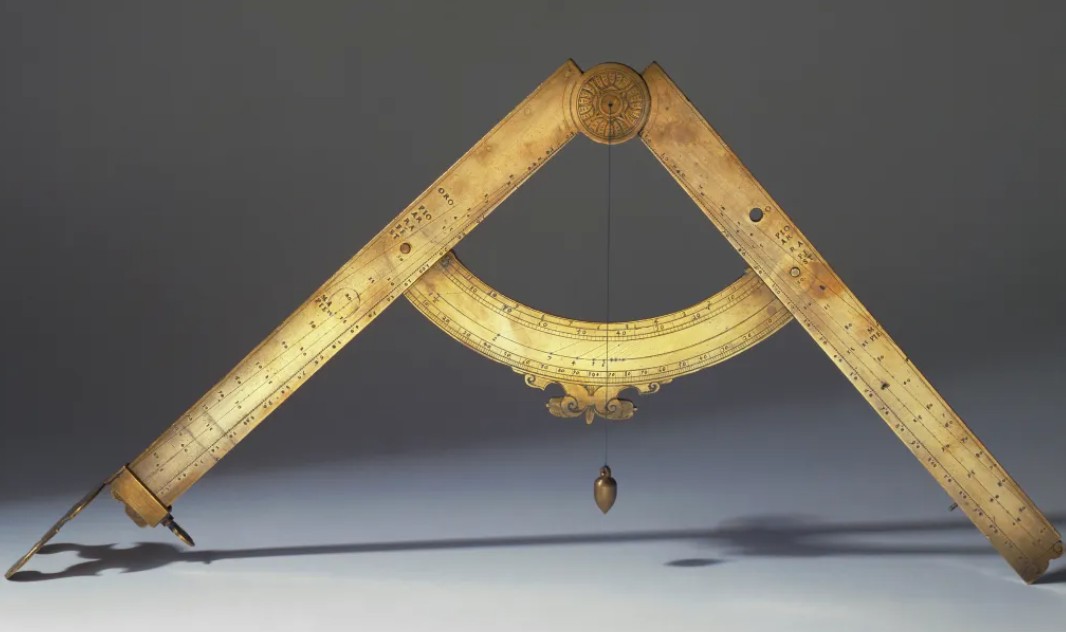
Il percorso espositivo ne illustra l’evoluzione, il funzionamento e i diversi utilizzi ma anche il ruolo fondamentale che ebbe nello sviluppo delle applicazioni matematiche.
Il compasso di proporzione è stato per oltre due secoli un compagno indispensabile di architetti, ingegneri e scienziati. A prima vista, si tratta di uno strumento matematico molto semplice, costituito da due gambe piatte unite da un perno. Ogni gamba reca incise diverse scale, il cui utilizzo consente di effettuare misurazioni, eseguire calcoli e ricavare informazioni di vario genere.
Tra i pezzi più importanti in mostra i due esemplari del compasso geometrico e militare di Galileo Galilei, uno dal Museo Galileo e l’altro dalla Fondazione Pisa, alcune cassette matematiche contenenti compassi e altri strumenti matematici come la più grande esposta da esploratore, costruita a metà XVIII secolo da Jacques Canivet.
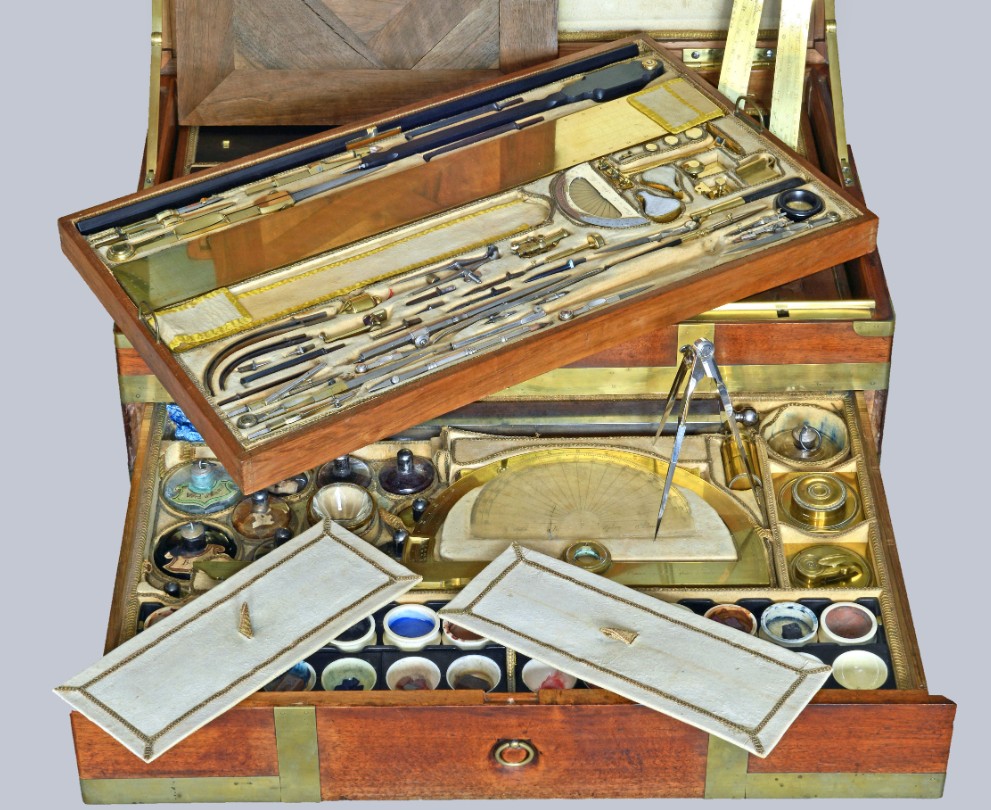
Gli strumenti in mostra provengono dall’Arithmeum di Bonn, dall’Astronomisch-Physikalisches Kabinett–Hessen Kassel Heritage, dalla Collezione Rocca di Bonn, dalla Collezione Delalande di Parigi e dalla Fondazione Pisa presso Palazzo Blu, oltre che dal medesimo Museo Galileo stesso.
Tra i pezzi pregiati anche un raro compasso di Fabrizio Mordente della fine del XVI secolo, concesso in prestito dall’Astronomisch-Physikalisches Kabinett di Kassel e un set di strumenti matematici in miniatura della seconda metà del XVII secolo, che contiene sei strumenti, tra cui un minuscolo compasso di proporzione lungo appena 2,7 cm.
Per il momento il sempre vostro Michelangelo Buonarroti vi saluta dandovi appuntamento ai prossimi post e sui social.
Precious compasses on display at the Galileo Museum in Florence
Until September 15th the Galileo Museum in Florence hosts the exhibition “Circinus. Proportion compasses from the 15th to the 18th century”, organized in collaboration with the Arithmeum of Bonn.
The exhibition offers around 100 original instruments and reconstructs step by step the history of the proportional compass, the analogue calculation tool which was one of the most significant achievements of Western practical mathematics.
The exhibition itinerary illustrates its evolution, functioning and different uses but also the fundamental role it had in the development of mathematical applications.
The proportional compass has been an indispensable companion of architects, engineers and scientists for over two centuries. At first glance, it is a very simple mathematical tool, consisting of two flat legs joined by a pin. Each leg is engraved with different scales, the use of which allows you to take measurements, perform calculations and obtain various types of information.
Among the most important pieces on display are the two examples of Galileo Galilei’s geometric and military compass, one from the Galileo Museum and the other from the Pisa Foundation, some mathematical boxes containing compasses and other mathematical instruments such as the largest one exhibited by an explorer, built in mid 18th century by Jacques Canivet.
The instruments on display come from the Arithmeum in Bonn, from the Astronomisch-Physikalisches Kabinett–Hessen Kassel Heritage, from the Rocca Collection in Bonn, from the Delalande Collection in Paris and from the Pisa Foundation at Palazzo Blu, as well as from the Galileo Museum itself.
Among the valuable pieces there is also a rare compass by Fabrizio Mordente from the end of the 16th century, on loan from the Astronomisch-Physikalisches Kabinett of Kassel and a set of miniature mathematical instruments from the second half of the 17th century, which contains six instruments, including a tiny proportional compass just 2.7 cm long.
For the moment, your always Michelangelo Buonarroti greets you and will meet you in the next posts and on social media.

Sostienici – Support Us
Se questo blog ti piace e ti appassiona, puoi aiutarci a farlo crescere sempre più sostenendoci in modo concreto condividendo i post, seguendo le pagine social e con un contributo che ci aiuta ad andare avanti con il nostro lavoro di divulgazione. . ENGLISH: If you like and are passionate about this blog, you can help us make it grow more and more by supporting us in a concrete way by sharing posts, following social pages and with a contribution that helps us to move forward with our dissemination work.
10,00 €
-
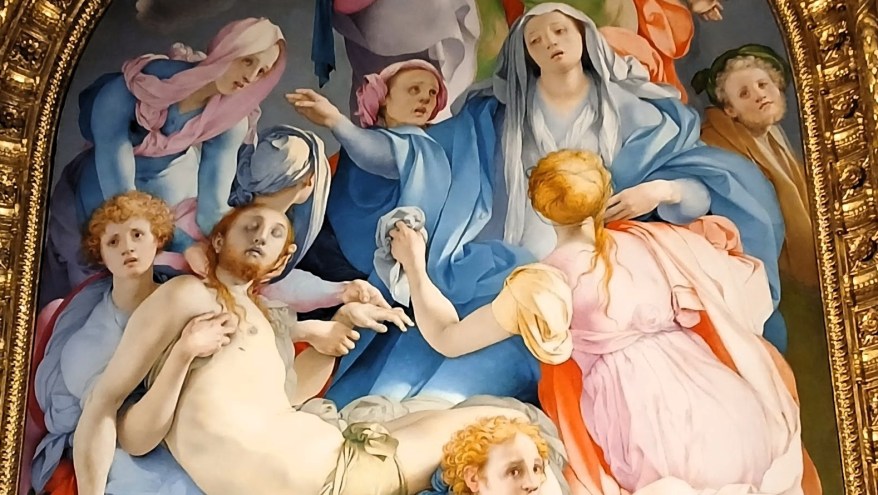
La Deposizione del Pontormo: il capolavoro dell’artista
🇮🇹Ti coinvolge. Ti mette a disagio. Ti costringe a sentire. E’ la Deposizione dalla Croce, dipinta da Jacopo Pontormo tra il 1525 e il 1528 per la Cappella Capponi… 🇬🇧It draws you in. It makes you uncomfortable. It forces you to feel. It’s the Deposition from the Cross, painted by Jacopo Pontormo between 1525 and…
-
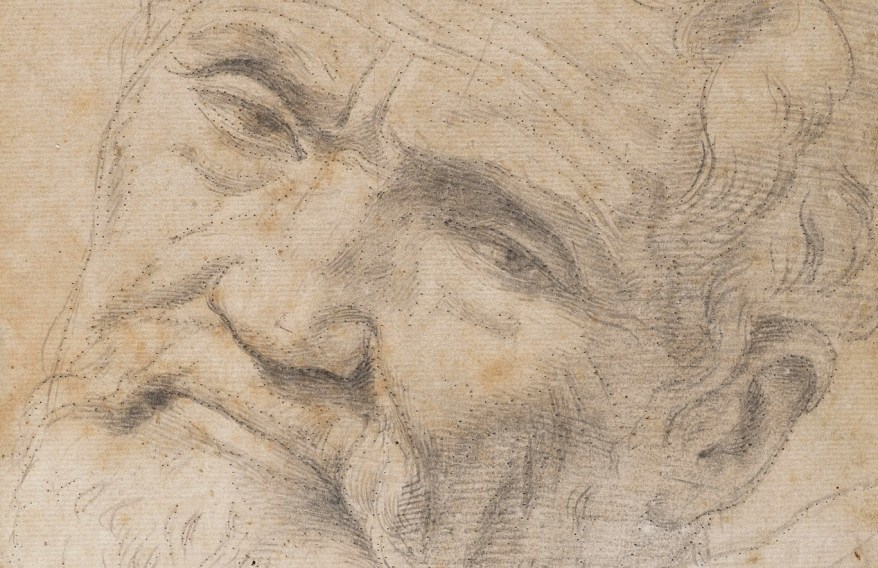
Non chiamatelo Braghettone: il 4 aprile del 1566 muore Daniele da Volterra, l’artista che salvò il Giudizio Universale
🇮🇹Braghettone? No, molto di più. Il 4 aprile 1566 moriva Daniele da Volterra, il mio allievo più fedele, l’uomo che mi rimase accanto fino all’ultimo respiro e che salvò il mio Giudizio Universale dalla distruzione… 🇬🇧Braghettone? No, much more. On April 4, 1566, Daniele da Volterra died, my most faithful student, the man who remained…
-
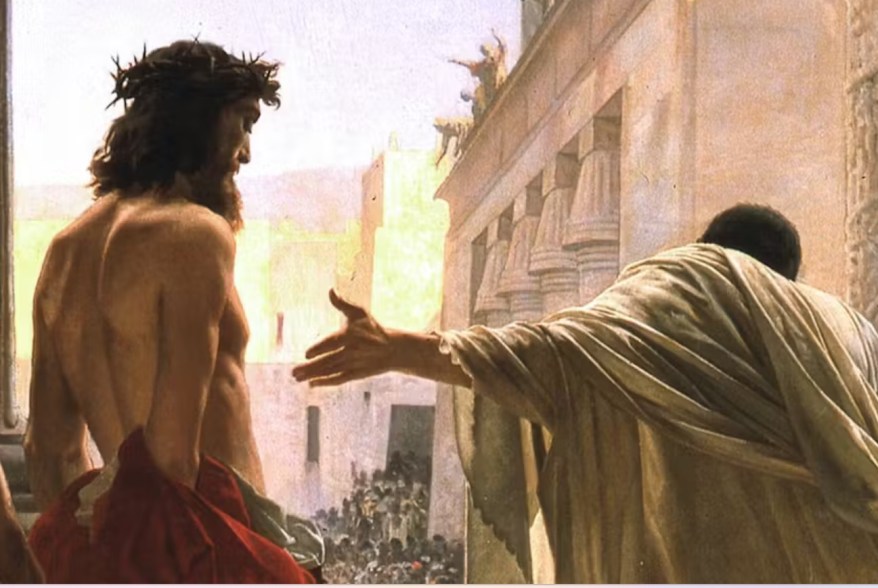
Venerdì Santo: gli “Ecce Homo” più intensi della storia dell’arte
🇮🇹Ecce Homo. Da Antonello da Messina a Tintoretto, fino al sorprendente capolavoro di Antonio Ciseri, questo soggetto ha attraversato i secoli raccontando dolore, umanità e coscienza… 🇬🇧Ecce Homo. From Antonello da Messina to Tintoretto, to Antonio Ciseri’s astonishing masterpiece, this subject has spanned the centuries, recounting pain, humanity, and conscience…
Condividi:


Questo sono io





sostienici

Sostienici - Support Us
Se questo blog ti piace e ti appassiona, puoi aiutarci a farlo crescere sempre più sostenendoci in modo concreto condividendo i post, seguendo le pagine social e con un contributo che ci aiuta ad andare avanti con il nostro lavoro di divulgazione. . ENGLISH: If you like and are passionate about this blog, you can help us make it grow more and more by supporting us in a concrete way by sharing posts, following social pages and with a contribution that helps us to move forward with our dissemination work.
€10,00


