
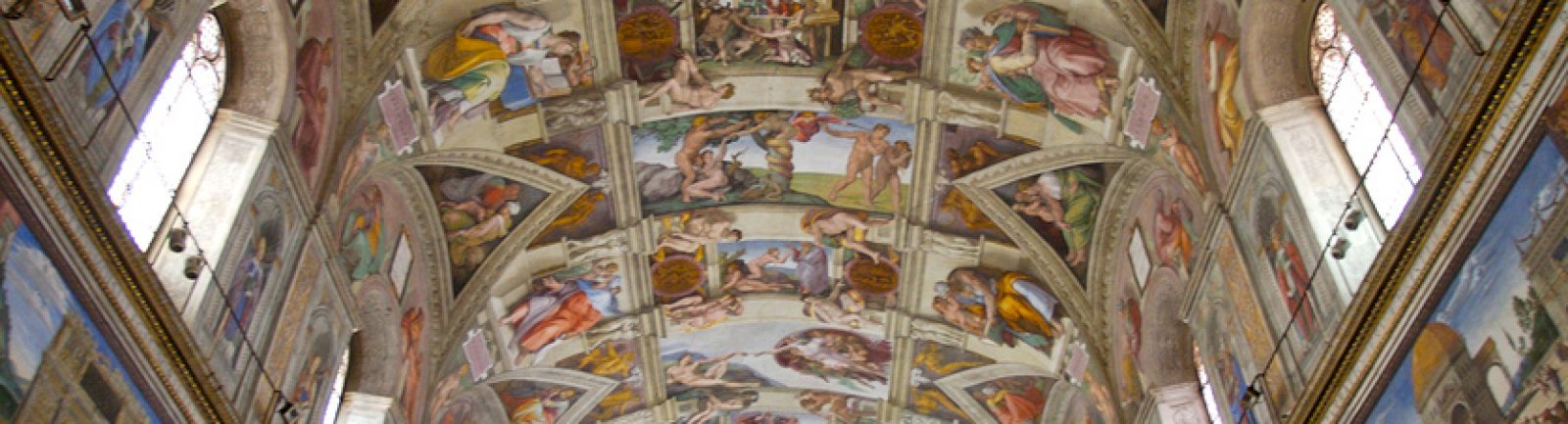
Accadde oggi: il 21 maggio 1471 nasce Dürer
21 maggio 1471: ecco il giorno in cui a Norimberga nacque Albrecht Dürer, il più celebre artista tedesco di tutti i tempi.
Raffinato letterato, grande disegnatore, incisore e sublime pittore, Dürer era il terzogenito di Barbara Holper e dell’orefice Albrecht Dürer il Vecchio. Dovete sapere che fu proprio il su’ babbo a insegnargli i primi rudimenti dell’incisione influendo il suo talento fuori dall’ordinario.

L’artista a sedici anni disse apertamente al babbo che avrebbe preferito intraprendere la carriera di pittore e così si ritrovò a studiare a bottega da Micheal Wolgemut a poca distanza da dove abitava.
“Quando ebbi finito l’apprendistato, mio padre mi fece viaggiare. Rimasi assente quattro anni, finché mio padre mi richiamò. Partii dopo la Pasqua del 1490 e tornai a casa nel 1494, dopo la Pentecoste” scrisse poi Durer.
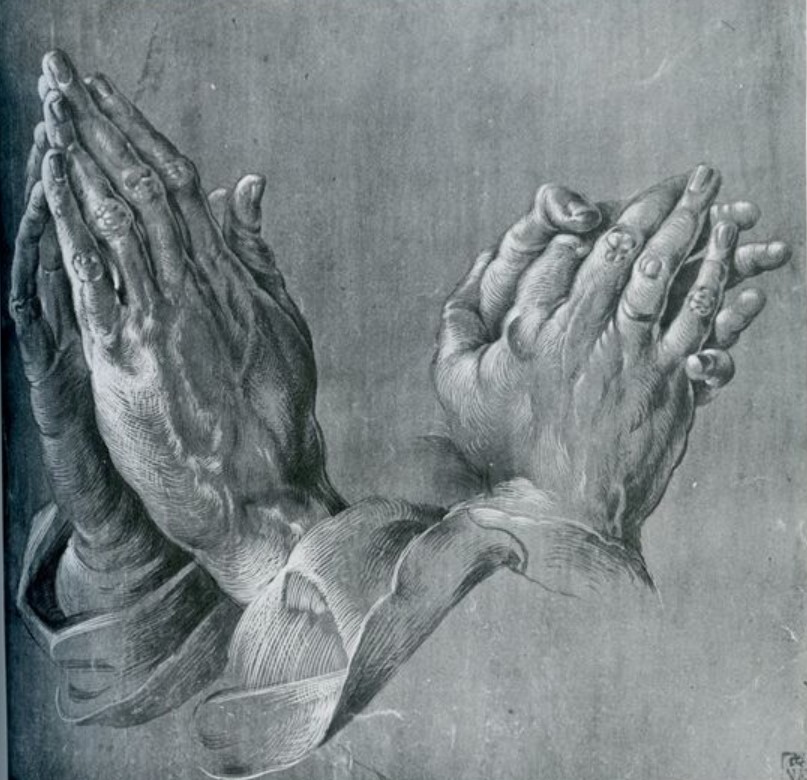
Nel 1490 cominciò a viaggiare per fare tesoro delle sue conoscenze ma anche per farne di nuove.
Le prime opere pittoriche dell’artista arrivate fino ai vostri giorni sono i ritratti dei due genitori: quello del babbo è ancora oggi conservato nelle Gallerie degli Uffizi mentre quello della mamma era stato dato per perduto e poi rinvenuto nel 1979 a Norimberga.

Dopo aver fatto ritorno nella sua città natale, Durer sposò la facoltosa Agnes Frey e, proprio grazie al suo supporto economico, riuscì ad aprire la sua prima bottega in città.
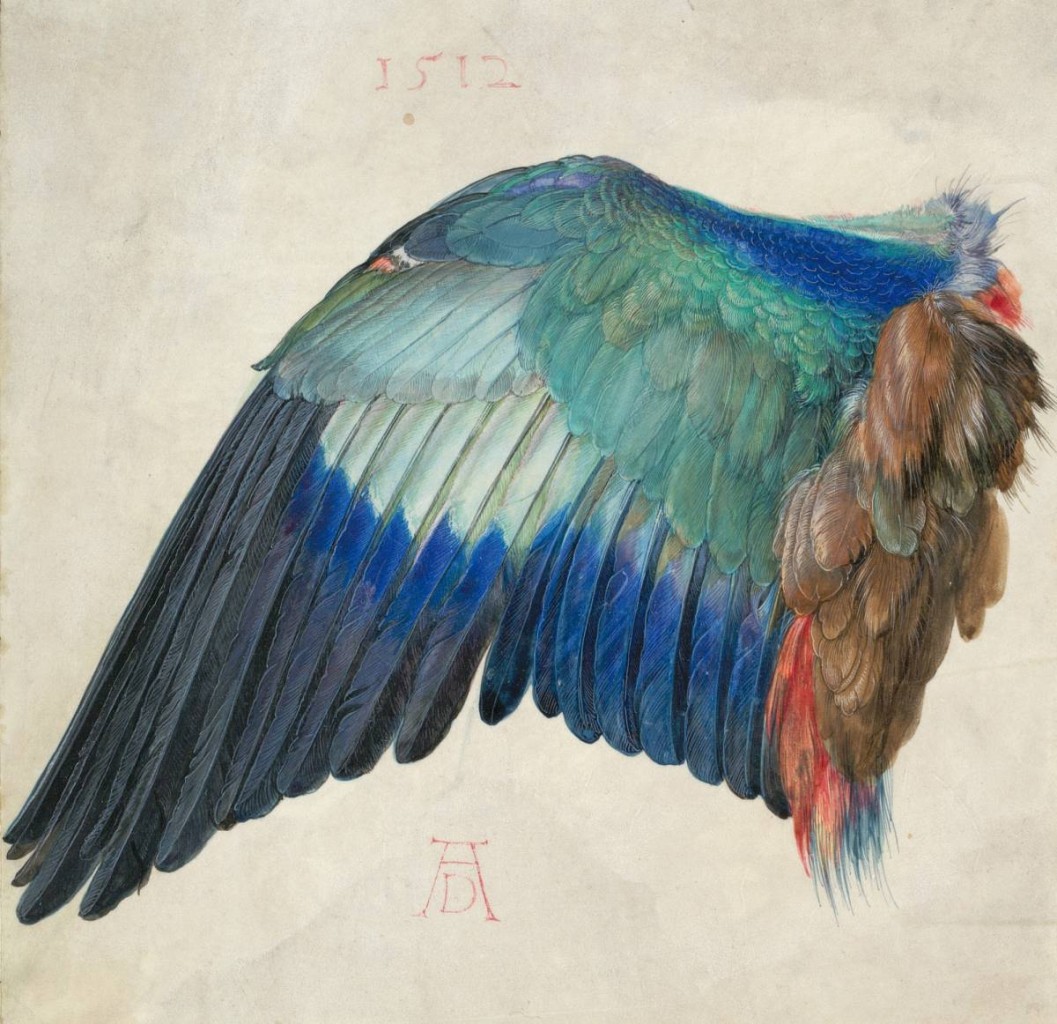
Fra i suoi disegni più celebri vale la pena annoverare la raffinata ala di ghiandaia marina. Si percepisce la morbidezza di ogni piuma e la sua leggerezza. L’opera è di proprietà dell’Albertina Museum che possiede la più vasta collezioni di disegni dell’artista comprensiva di 140 produzioni grafiche.
All’età di trent’anni Albrecht Dürer aveva portato a compimento le sue tre serie più celebri di xilografie a tema religioso ovvero l’Apocalisse, la Grande Passione e la Vita della Vergine.
Negli anni a seguire proseguì a realizzare stampe indipendenti destinate più che altro a raffinati collezionisti privati invece che a istituzioni ecclesiastiche.
Pensate che già nel 1495 Dürer iniziò a siglare le sue opere con il monogramma «AD» che da allora in poi divenne un vero e proprio marchio attraverso il quale l’artista tentò di proteggere le sue creazioni con una sorta di copyright ante litteram.
Dürer fu fortemente influenzato dall’arte italiana tanto che venne nel nostro Paese due volte per studiare da vicino i grandi capolavori del Rinascimento.
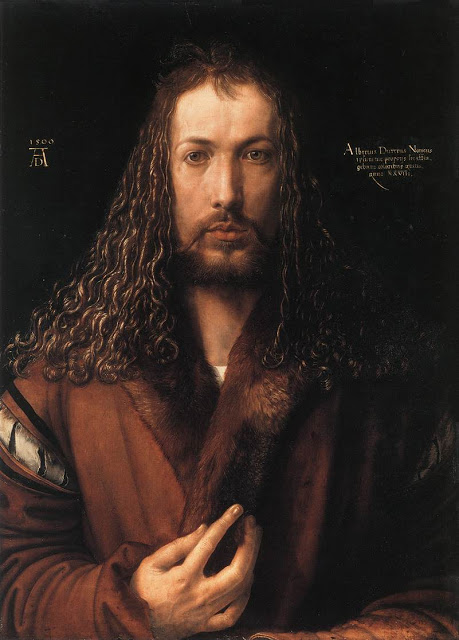
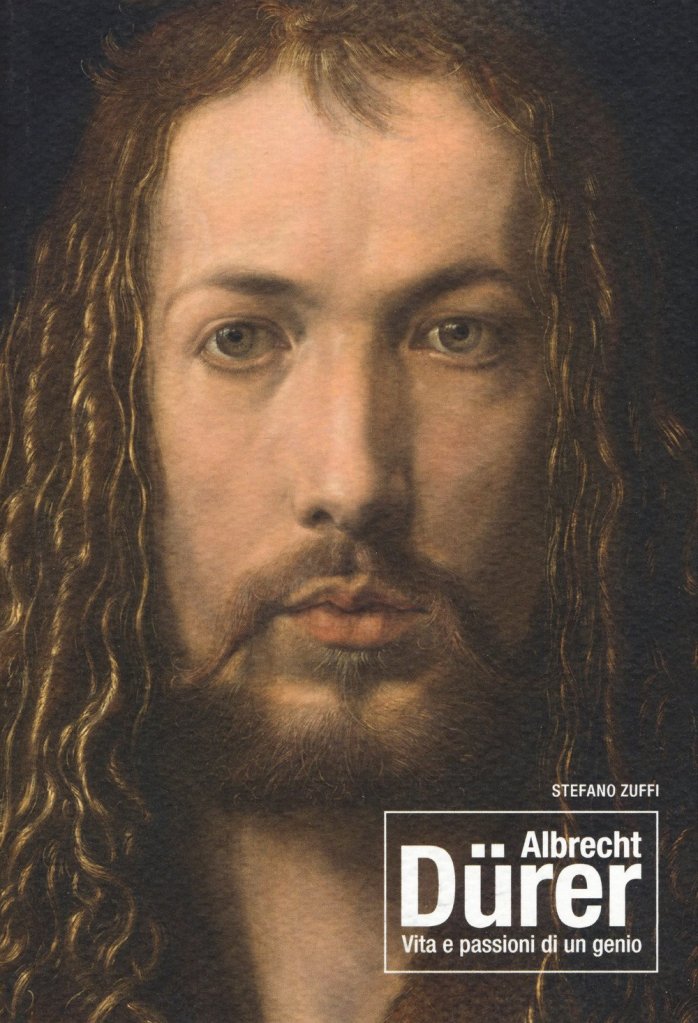
Realizzò diversi autoritratti fra i quali, il più celebre, è quello con pelliccia. Il suo volto assai idealizzato è paragonabile a quello di un Cristo ma non è un paragone blasfemo: lo stesso artista specificò che la somiglianza era dovuta al fatto che Dio crea gli uomini a sua immagine e somiglianza.
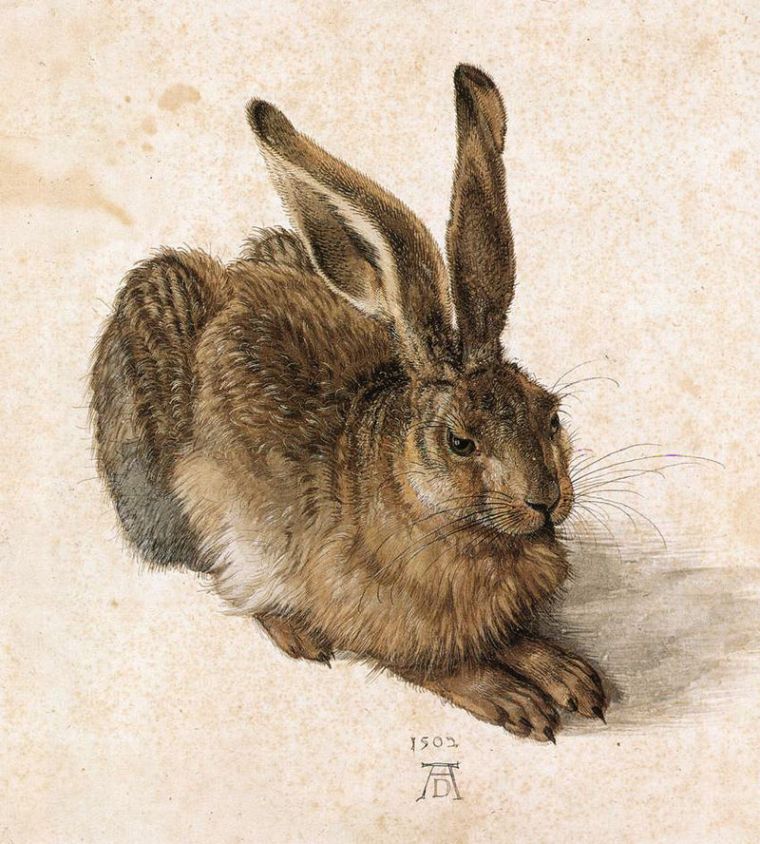
Dürer morì a 57 anni, il 6 aprile del 1528, probabilmente a causa delle conseguenze della malaria. Qualche anno prima era partito alla volta dei Paesi Bassi per poter assistere di persona all’incoronazione di Carlo V. Proprio durante quel lungo viaggio si ammalò e da allora non godette più di ottima salute.
Chiuse gli occhi per l’ultima volta a Norimberga lasciando nel suo studio centinaia di disegni e incisioni, accuratamente schedate. Non avendo eredi, fu la mogile Agnes Frey a gestire quel patrimonio e nel 1550 circa vendette gran parte di quella preziosa eredità a Willibald Imhoff, un facoltoso commerciante.
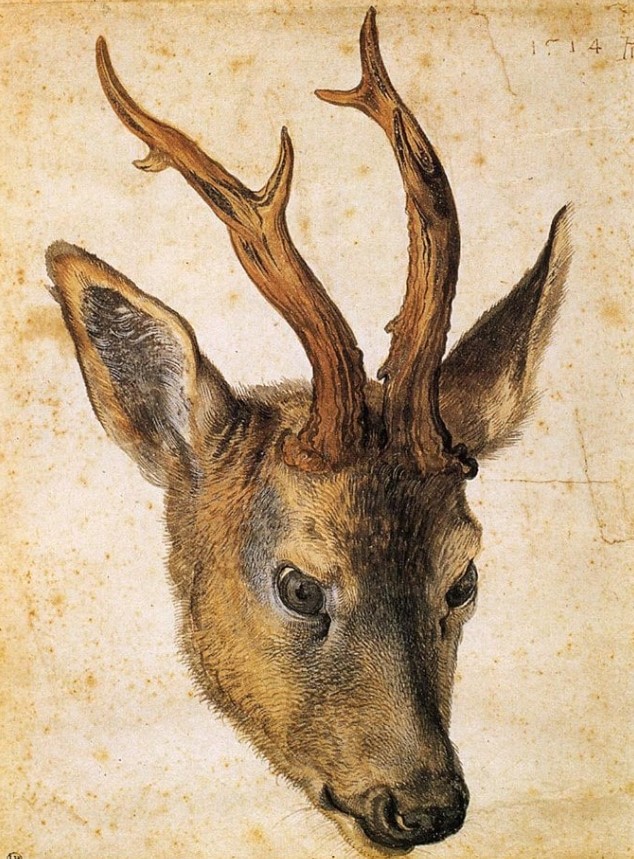
Successivamente quegli stessi disegni arriveranno nelle collezioni di Rodolfo II a Praga e successivamente alla corte degli Asburgo, a Vienna. Nel 1796 giunsero all’Albertina Museum che tutt’oggi li custodisce.
I libri
Se siete alla ricerca di qualche valido libro che vi racconti per filo e per segno la vita e le opere del grande artista, ne ho alcuni da proporvi.
Albrecht Durer: vita e passioni di un genio è il volume a cura di Stefano Zuffi e lo trovate QUA.
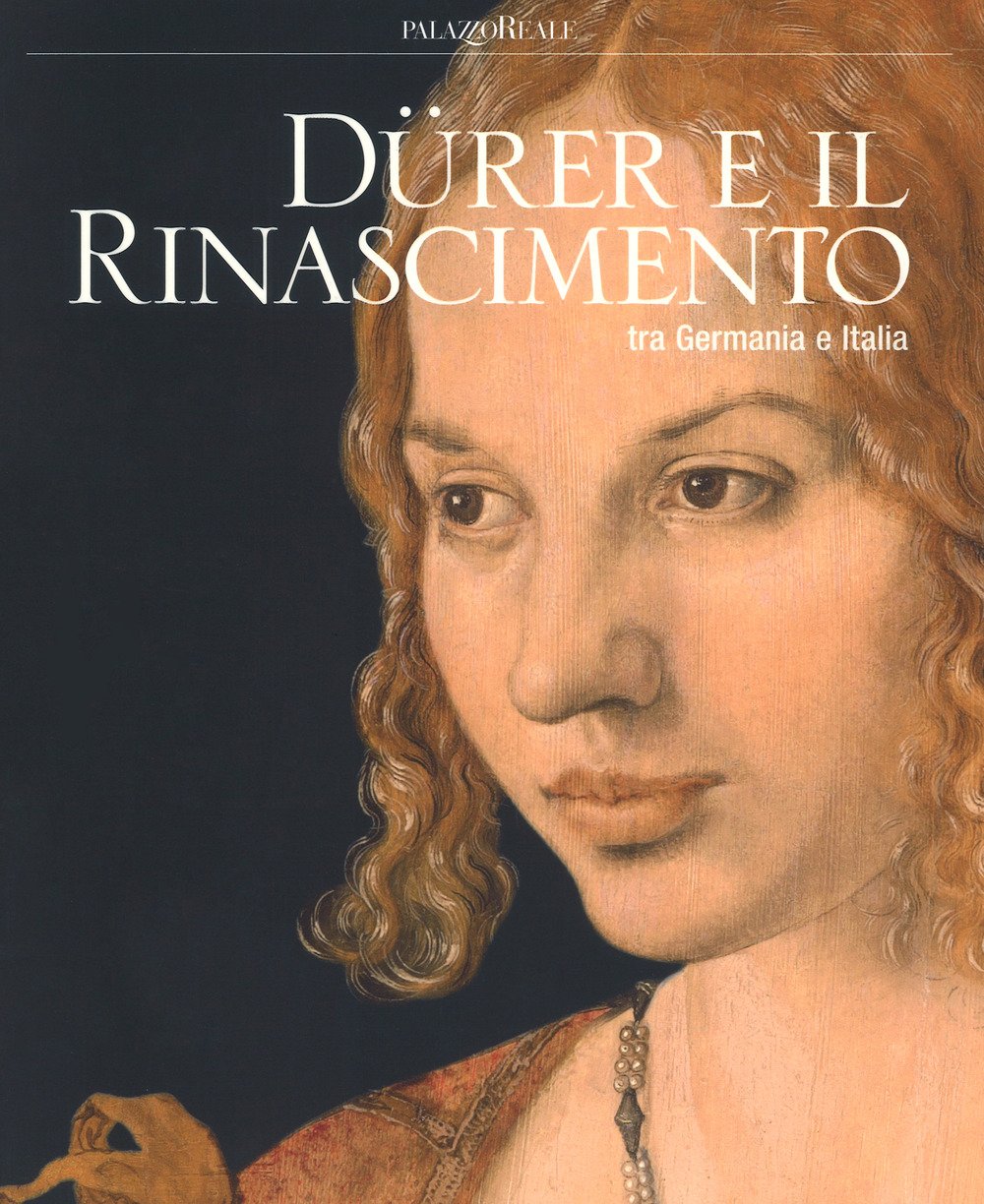
Dürer e il Rinascimento tra Germania e Italia approfondisce proprio il rapporto dell’artista con il Rinascimento italiano. Lo trovate QUA.
Un altro ottimo volume è Albrecht Dürer, una sorta di opera omnia particolarmente curata ma vi avverto: è in lingua inglese e la trovate QUA.

Per il momento il vostro Michelangelo Buonarroti vi saluta dandovi appuntamento ai prossimi post e sui social.
It happened today: Dürer was born on May 21, 1471
May 21, 1471: this is the day Albrecht Dürer, the most famous German artist of all time, was born in Nuremberg.
A refined scholar, great designer, engraver and sublime painter, Dürer was the third son of Barbara Holper and the goldsmith Albrecht Dürer the Elder. You should know that it was his father who taught him the first rudiments of engraving, influencing his extraordinary talent.
May 21, 1471: this is the day Albrecht Dürer, the most famous German artist of all time, was born in Nuremberg.
A refined scholar, great designer, engraver and sublime painter, Dürer was the third son of Barbara Holper and the goldsmith Albrecht Dürer the Elder. You should know that it was his father who taught him the first rudiments of engraving, influencing his extraordinary talent.
In 1490 he began traveling to take advantage of his knowledge but also to make new ones.
The artist’s first pictorial works that have survived to this day are the portraits of his two parents: that of his father is still preserved today in the Uffizi Galleries while that of his mother was given up for lost and then found in 1979 in Nuremberg.
After returning to his hometown, Durer married the wealthy Agnes Frey and, thanks to her financial support, he managed to open his first shop in the city.
Among his most famous designs it is worth mentioning the refined roller wing. You can perceive the softness of each feather and its lightness. The work is owned by the Albertina Museum which has the largest collection of the artist’s drawings including 140 graphic productions.
At the age of thirty Albrecht Dürer had completed his three most famous series of religious-themed woodcuts: the Apocalypse, the Great Passion and the Life of the Virgin.
In the following years he continued to create independent prints intended mostly for refined private collectors rather than ecclesiastical institutions.
Consider that already in 1495 Dürer began to sign his works with the monogram “AD” which from then on became a real trademark through which the artist attempted to protect his creations with a sort of copyright ante litteram .
Dürer was strongly influenced by Italian art, so much so that he came to our country twice to study the great masterpieces of the Renaissance up close.
He created several self-portraits, the most famous of which is the one with fur. His very idealized face is comparable to that of Christ but it is not a blasphemous comparison: the artist himself specified that the resemblance was due to the fact that God creates men in his image and likeness.
Dürer died at the age of 57, on 6 April 1528, probably due to the consequences of malaria. A few years earlier he had left for the Netherlands to be able to personally witness the coronation of Charles V. It was during that long journey that he fell ill and from then on he no longer enjoyed excellent health.
He closed his eyes for the last time in Nuremberg, leaving hundreds of carefully filed drawings and engravings in his studio. Having no heirs, it was his wife Agnes Frey who managed that estate and around 1550 she sold a large part of that precious inheritance to Willibald Imhoff, a wealthy merchant.
Subsequently, those same drawings arrived in the collections of Rudolph II in Prague and subsequently in the Habsburg court in Vienna. In 1796 they arrived at the Albertina Museum which still houses them today.
For the moment, your Michelangelo Buonarroti greets you and will meet you in future posts and on social media.

Sostienici – Support Us
Se questo blog ti piace e ti appassiona, puoi aiutarci a farlo crescere sempre più sostenendoci in modo concreto condividendo i post, seguendo le pagine social e con un contributo che ci aiuta ad andare avanti con il nostro lavoro di divulgazione. . ENGLISH: If you like and are passionate about this blog, you can help us make it grow more and more by supporting us in a concrete way by sharing posts, following social pages and with a contribution that helps us to move forward with our dissemination work.
10,00 €
-
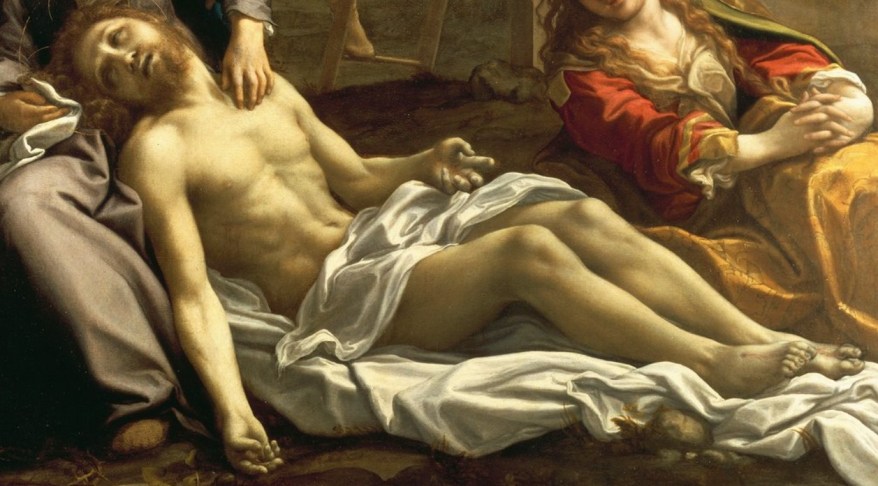
Il Compianto sul Cristo morto di Correggio: pathos e devozione
🇮🇹Con l’inizio della Settimana Santa, vi propongo il Compianto sul Cristo morto di Antonio Allegri, più noto come il Correggio: uno dei vertici assoluti della pittura emiliana del Cinquecento… 🇬🇧With the beginning of Holy Week, I propose the Lamentation over the Dead Christ by Antonio Allegri, better known as Correggio: one of the absolute peaks…
-
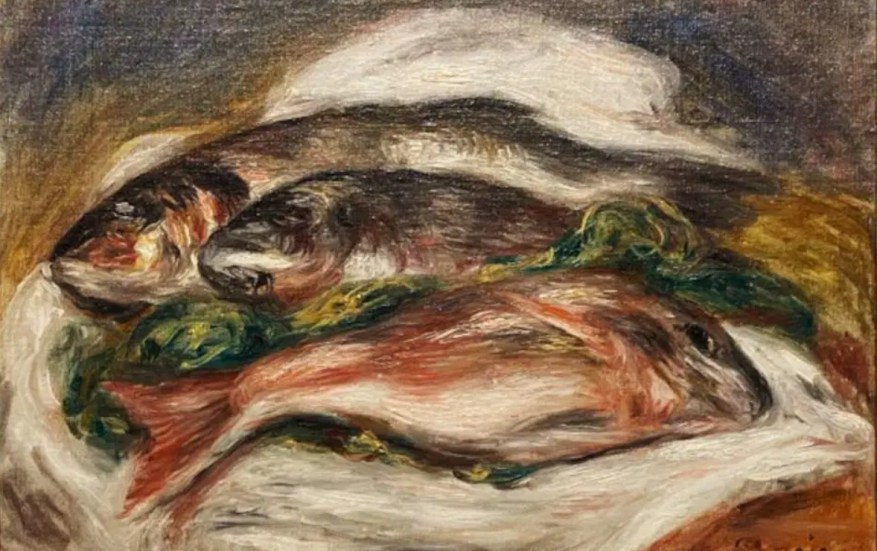
Furto milionario alla Magnani Rocca: rubati Renoir, Cézanne e Matisse
🇮🇹‼Tre capolavori storici spariti in meno di tre minuti: Les Poissons di Renoir, Tasse et plat de cerises di Cézanne e Odalisque sur la terrasse di Matisse sono stati rubati nella dalla Fondazione Magnani Rocca a Mamiano di Traversetolo, nel Parmense… 🇬🇧‼Three historic masterpieces disappeared in less than three minutes: Renoir’s Les Poissons, Cézanne’s Tasse…
-
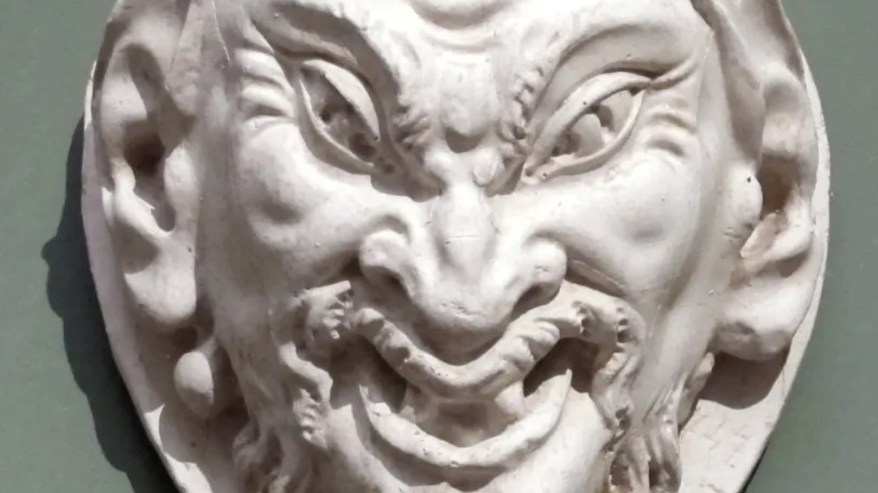
Fauno rubato: 15.000$ per ritrovarlo dopo 80 anni
🇮🇹Ero un ragazzino quando scolpii il Mascherone del Fauno sdentato. Oggi quel volto è perduto, rubato nella notte della guerra e da oltre 80 anni nessuno sa dove sia. Ora una ricompensa di 15.000$ riaccende la ricerca… 🇬🇧I was a boy when I sculpted the Toothless Faun Mask. Today that face is lost, stolen on…
Condividi:


Questo sono io





sostienici

Sostienici - Support Us
Se questo blog ti piace e ti appassiona, puoi aiutarci a farlo crescere sempre più sostenendoci in modo concreto condividendo i post, seguendo le pagine social e con un contributo che ci aiuta ad andare avanti con il nostro lavoro di divulgazione. . ENGLISH: If you like and are passionate about this blog, you can help us make it grow more and more by supporting us in a concrete way by sharing posts, following social pages and with a contribution that helps us to move forward with our dissemination work.
€10,00


