

Il Cristo Risorto di Germain Pilon: un capolavoro rinascimentale
La scultura del giorno che vi propongo oggi è il Cristo Risorto scolpito dall’artista parigino Germain Pilon per la cappella Valois dell’abbazia di Saint-Denis, edificata per volere di Caterina de’ Medici.
Si tratta di un’opera che non fu portata a termine dallo scultore che ha molto a che fare con l’anatomia e l’impostazione delle mie opere: basta osservare con attenzione il corpo possente del Salvatore in posa serpentinata per rendersene conto.
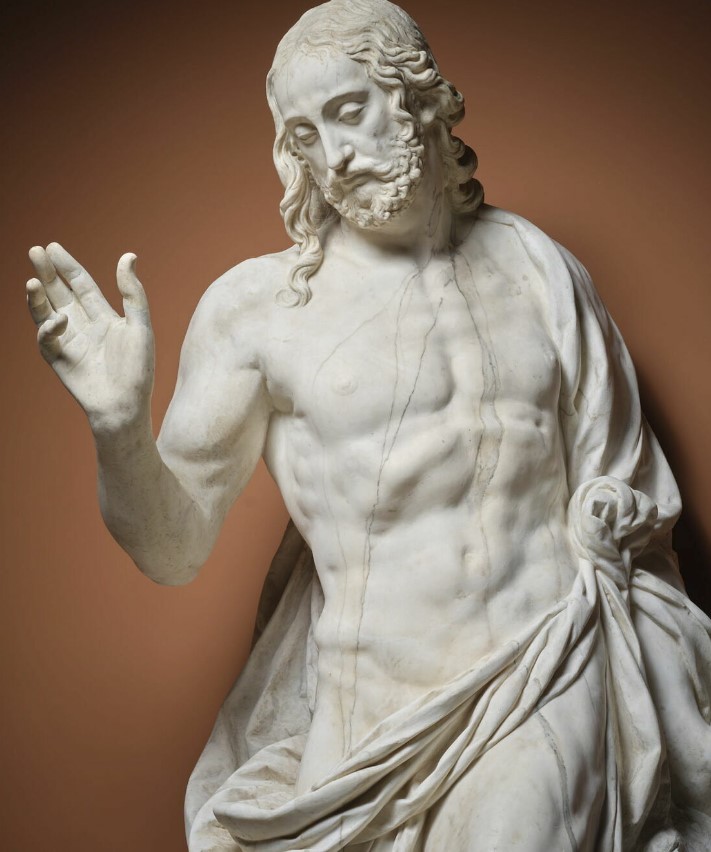
Ha la mano destra protesa in avanti con le tre dita alzate per benedire mentre con l’altra si tiene manto panneggiato che gli copre parzialmente schiena, natiche e pube.
Il Cristo Risorto di Pilon viene citato già nel 1572 nell’inventario della bottega del medesimo scultore presso l’Étuves de la Cité e ancora gli apparteneva al momento della sua morte, avvenuta nel 1590.
Si erge da una nuvola che sostiene il suo etereo peso nella rappresentazione, utile anche per scaricare meglio a terra il peso reale dell’opera in marmo.

Successivamente, il 4 luglio 1609, la vedova dell’artista Germaine Durand volle affidarlo all’amministrazione degli Edifici del Re.
Nel corso degli anni a seguire l’opera subì diversi trasferimenti e addirittura, quando fu collocato nell’allora chiesa di Saint-Louis-des-Jésuites, oggi divenuta Saint-Paul-Saint-Louis, fu trasformata in loco in un’opera raffigurante San Giovanni Battista.

Il 2 marzo del 1933 la scultura rinascimentale del Cristo Risorto di Pilon entrò a far parte delle collezioni del Louvre mediante autorizzazione ministeriale.
Per il momento il sempre vostro Michelangelo Buonarroti vi saluta dandovi appuntamento ai prossimi post e sui social.
The Risen Christ by Germain Pilon: a Renaissance masterpiece
The sculpture of the day that I propose to you today is the Risen Christ sculpted by the Parisian artist Germain Pilon for the Valois chapel of the Saint-Denis Abbey, built at the behest of Catherine de’ Medici.
This is a work that was not completed by the sculptor who has a lot to do with the anatomy and layout of my works: you just need to carefully observe the powerful body of the Savior in a serpentine pose to realize this.
He has his right hand stretched forward with three fingers raised to bless while with the other he holds a draped cloak that partially covers his back, buttocks and pubis. It rises from a cloud which supports its ethereal weight in the representation but is also useful for better discharging the real weight of the marble work to the ground.
The Risen Christ of Pilon was mentioned as early as 1572 in the inventory of the same sculptor’s workshop at the Étuves de la Cité and still belonged to him at the time of his death, which occurred in 1590.
Subsequently, on 4 July 1609, the artist’s widow Germaine Durand wanted to entrust it to the administration of the King’s Buildings. Over the following years the work underwent several transfers and even, when it was placed in the then church of Saint-Louis -des-Jésuites, now Saint-Paul-Saint-Louis, was transformed on site into a work depicting Saint John the Baptist.
On 2 March 1933, the Renaissance sculpture of the Risen Christ by Pilon became part of the Louvre collections through ministerial authorization.
For the moment, your always Michelangelo Buonarroti greets you and will meet you in the next posts and on social media.

Sostienici – Support Us
Se questo blog ti piace e ti appassiona, puoi aiutarci a farlo crescere sempre più sostenendoci in modo concreto condividendo i post, seguendo le pagine social e con un contributo che ci aiuta ad andare avanti con il nostro lavoro di divulgazione. . ENGLISH: If you like and are passionate about this blog, you can help us make it grow more and more by supporting us in a concrete way by sharing posts, following social pages and with a contribution that helps us to move forward with our dissemination work.
10,00 €
-
6 aprile 1520: la morte di Raffaello Sanzio e la nascita di un mito immortale
🇮🇹“Qui giace Raffaello: da lui, quando visse, la natura temette d’essere vinta, ora che egli è morto, teme di morire”. Il 6 aprile 1520 Raffaello morì a soli 37 anni… 🇬🇧“Here lies Raphael: when he lived, nature feared to be conquered by him, now that he is dead, she fears to die.” On April 6,…
-
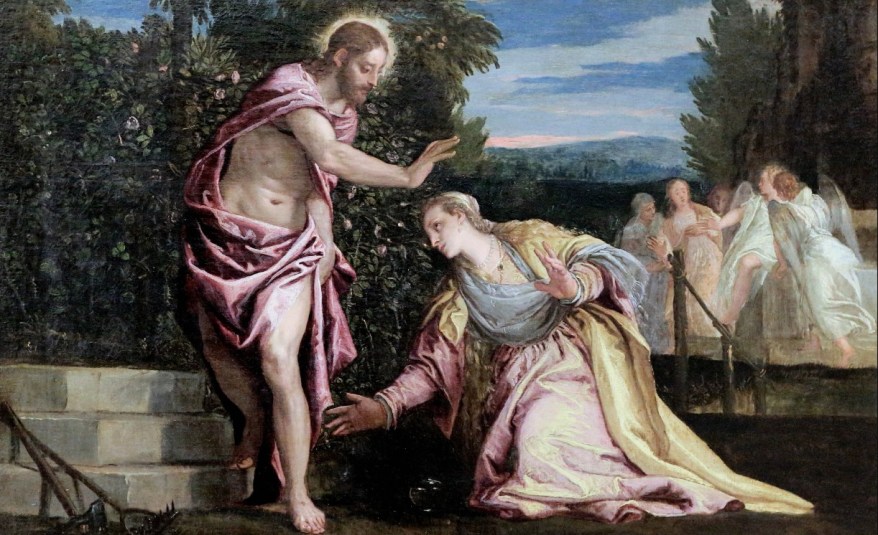
Pasquetta, tra spiritualità e arte: il significato del Lunedì dell’Angelo e i capolavori del “Noli me tangere”
🇮🇹Il Lunedì dell’Angelo racchiude uno dei momenti più intensi del Vangelo: l’incontro tra Gesù risorto e Maria Maddalena, raccontato nel celebre “Noli me tangere”. Un episodio che nei secoli ha ispirato artisti straordinari, dando vita a opere cariche di emozione, spiritualità e bellezza. .. 🇬🇧Easter Monday encompasses one of the most intense moments in the…
-
La Pietà di Tincolini: a Pontedera l’arte torna a fare domande scomode
🇮🇹“Pietà”, la scultura di Filippo Tincolini, insieme alle parole di Federico Quaranta e Andrea Pezzi, non è stato solo uno spettacolo. È stata una domanda lanciata in faccia al pubblico, impossibile da evitare: siamo ancora capaci di provare pietà? 🇬🇧 “Pietà,” Filippo Tincolini’s sculpture, along with the words of Federico Quaranta and Andrea Pezzi, wasn’t…
Condividi:


Questo sono io





sostienici

Sostienici - Support Us
Se questo blog ti piace e ti appassiona, puoi aiutarci a farlo crescere sempre più sostenendoci in modo concreto condividendo i post, seguendo le pagine social e con un contributo che ci aiuta ad andare avanti con il nostro lavoro di divulgazione. . ENGLISH: If you like and are passionate about this blog, you can help us make it grow more and more by supporting us in a concrete way by sharing posts, following social pages and with a contribution that helps us to move forward with our dissemination work.
€10,00


