

Il dettagliato studio di San Lorenzo per il Giudizio Universale
Prima di metter mano alle giornate in affresco per realizzare il San Lorenzo con la graticola nel Giudizio Universale, studiai in modo accurato la sua posa e la muscolatura.
A testimonianza di ciò rimane il foglio acquisito dal Teylers Museum di Haarlem nel 1790 dal corposo nucleo di disegni di Casa Buonarroti in cui si vede lo studio dettagliato del corpo a carboncino su carta.
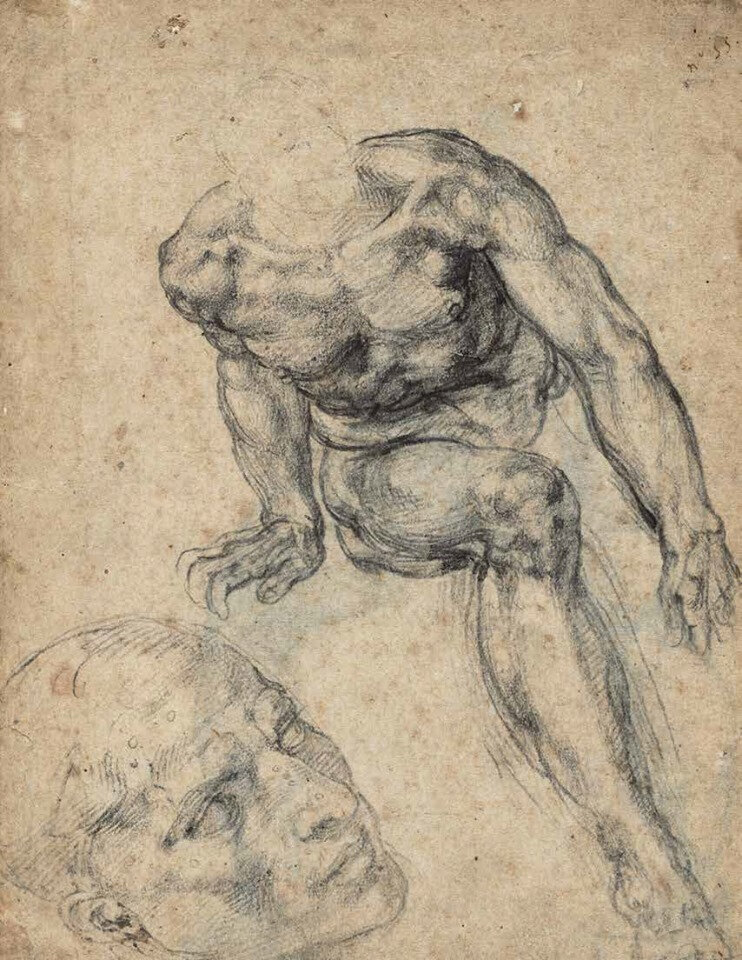
Nel disegno prestai particolare attenzione sia nella posa del Santo che nello studio dettagliato della muscolatura senza lasciare nulla al caso.
Non tutti i disegni sopravvissuti ai miei roghi relativi al Giudizio erano così particolareggiati. Non è da escludere che ciò fosse dovuto alla posizione centrale di quella porzione di narrazione che poi avrei affrescato, immediatamente al di sotto del Cristo Giudice.
Sapevo bene che avrebbe avuto un ruolo non marginale e che gli spettatori avrebbero visto immediatamente quella figura così prossima al Salvatore, ubicata a un’altezza che consentiva di apprezzarne anche i particolari più minuti.
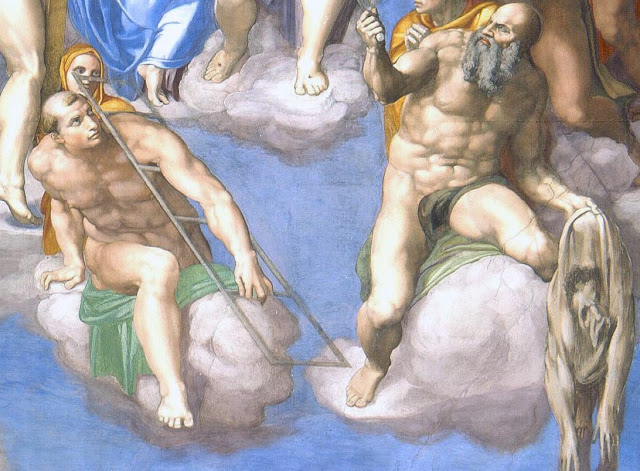
Preferii ingrandire e studiare la testa a parte, sul medesimo foglio, per meglio descrivere l’espressione del volto.
San Lorenzo guarda con amorevolezza Cristo che eleva il braccio verso il cielo per innalzare chi avrà la salvezza e affondare chi ha saputo conquistare in vita solo la dannazione eterna, dando vita a un movimento circolare che anima tutta l’opera.
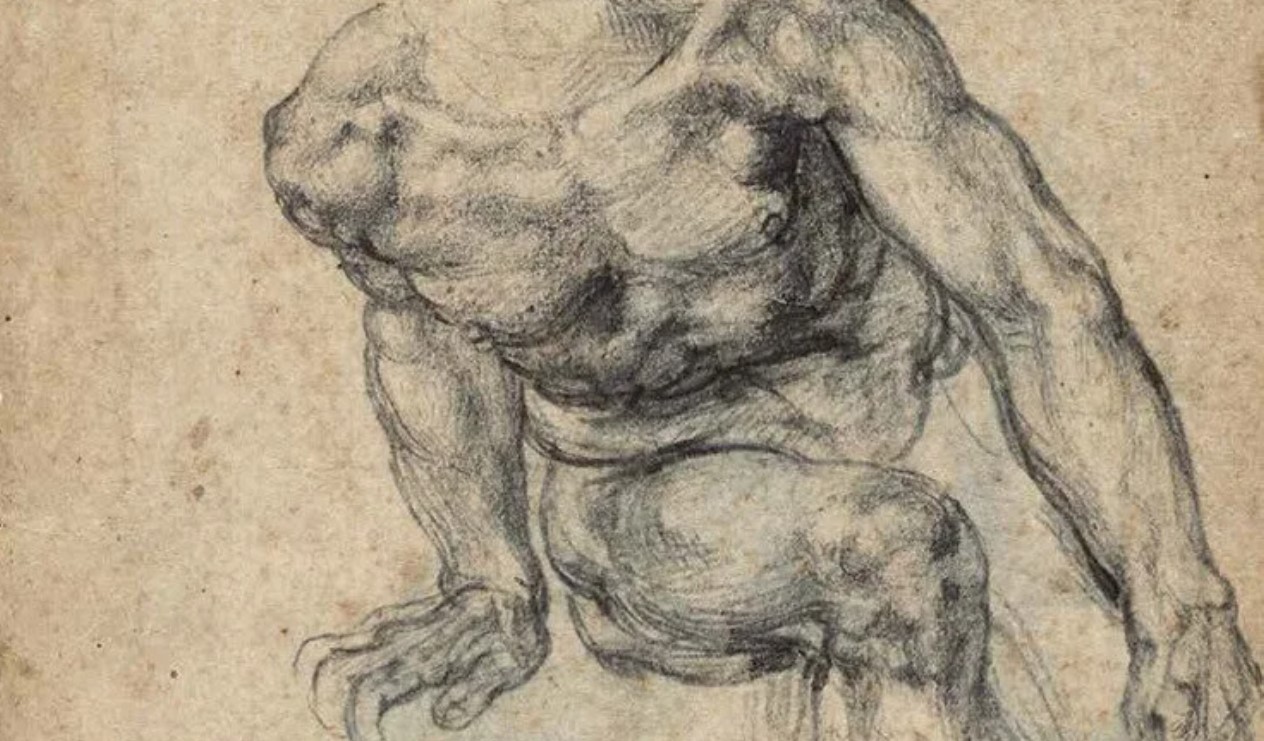
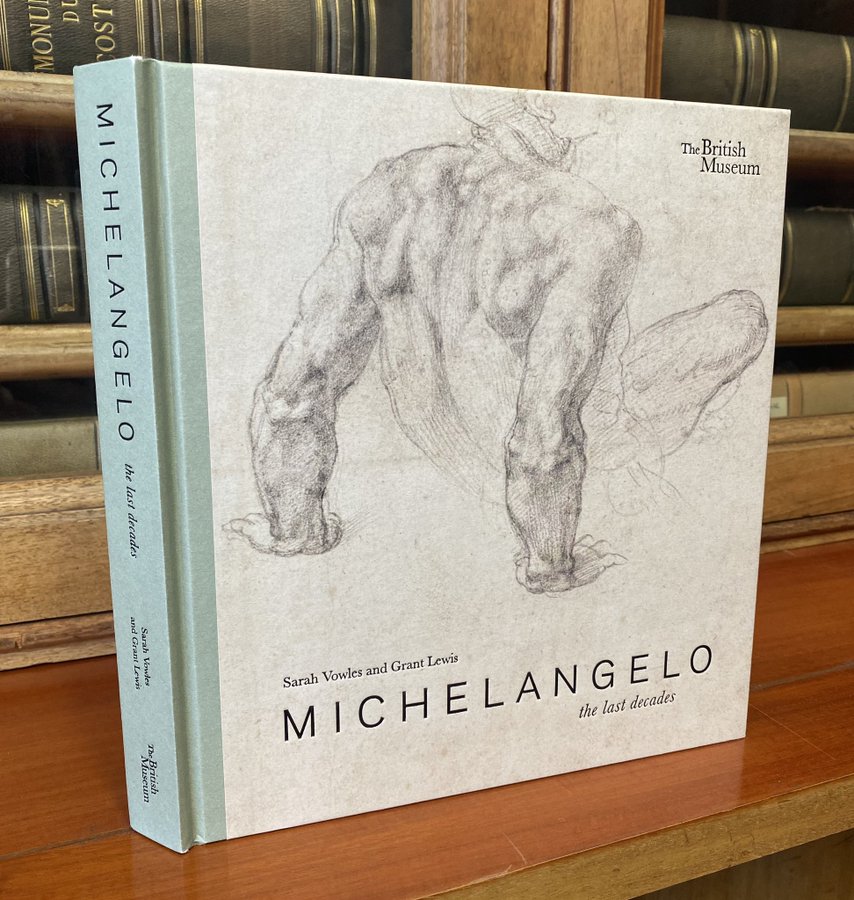
Lo studio di San Lorenzo risale al 1537–1538 e in questo periodo è esposto nella mostra Michelangelo: the last decades, allestita nelle sale del British Museum.
Per il momento il sempre vostro Michelangelo Buonarroti vi saluta dandovi appuntamento ai prossimi post e sui social.
The detailed study of San Lorenzo for the Last Judgment
Before starting the fresco days to create the San Lorenzo with the grill in the Last Judgment, I carefully studied the pose and musculature of the Saint.
Evidence of this remains the sheet acquired by the Teylers Museum in Haarlem in 1790 from the large nucleus of drawings by Casa Buonarroti in which the detailed study of the body in charcoal on paper is seen.
In the drawing I paid particular attention both to the pose of the Saint and to the detailed study of the muscles, leaving nothing to chance.
Not all of the drawings that survived my Judgment burnings were so detailed. It cannot be ruled out that this was due to the central position of that portion of the narrative that I would later fresco, immediately below Christ the Judge.
I knew well that it would have a non-marginal role and that the spectators would immediately see that figure so close to the Savior, located at a height that allowed them to appreciate even the most minute details.
I preferred to enlarge and study the head separately, on the same sheet, to better describe the facial expression.
San Lorenzo looks lovingly at Christ who raises his arm towards the sky to raise those who will have salvation and sink those who have only managed to conquer eternal damnation in life, giving life to a circular movement that animates the entire work.
The San Lorenzo study dates back to 1537–1538 and in this period is exhibited in the exhibition Michelangelo: the last decades held in the rooms of the British Museum.
For the moment, your always Michelangelo Buonarroti greets you and will meet you in the next posts and on social media.

Sostienici – Support Us
Se questo blog ti piace e ti appassiona, puoi aiutarci a farlo crescere sempre più sostenendoci in modo concreto condividendo i post, seguendo le pagine social e con un contributo che ci aiuta ad andare avanti con il nostro lavoro di divulgazione. . ENGLISH: If you like and are passionate about this blog, you can help us make it grow more and more by supporting us in a concrete way by sharing posts, following social pages and with a contribution that helps us to move forward with our dissemination work.
8,00 €
-
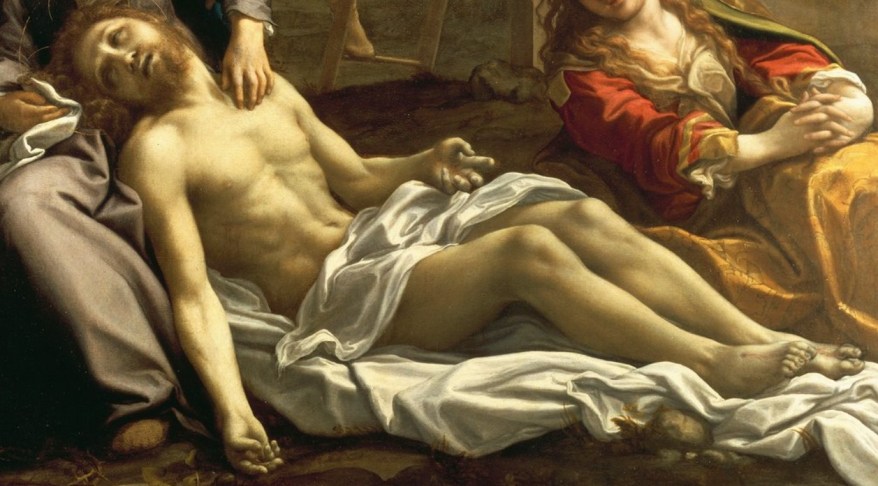
Il Compianto sul Cristo morto di Correggio: pathos e devozione
🇮🇹Con l’inizio della Settimana Santa, vi propongo il Compianto sul Cristo morto di Antonio Allegri, più noto come il Correggio: uno dei vertici assoluti della pittura emiliana del Cinquecento… 🇬🇧With the beginning of Holy Week, I propose the Lamentation over the Dead Christ by Antonio Allegri, better known as Correggio: one of the absolute peaks…
-
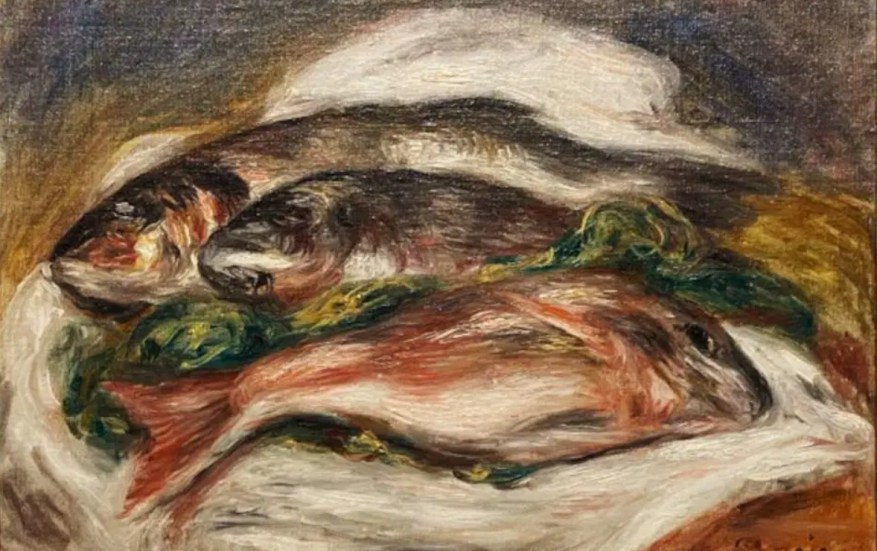
Furto milionario alla Magnani Rocca: rubati Renoir, Cézanne e Matisse
🇮🇹‼Tre capolavori storici spariti in meno di tre minuti: Les Poissons di Renoir, Tasse et plat de cerises di Cézanne e Odalisque sur la terrasse di Matisse sono stati rubati nella dalla Fondazione Magnani Rocca a Mamiano di Traversetolo, nel Parmense… 🇬🇧‼Three historic masterpieces disappeared in less than three minutes: Renoir’s Les Poissons, Cézanne’s Tasse…
-
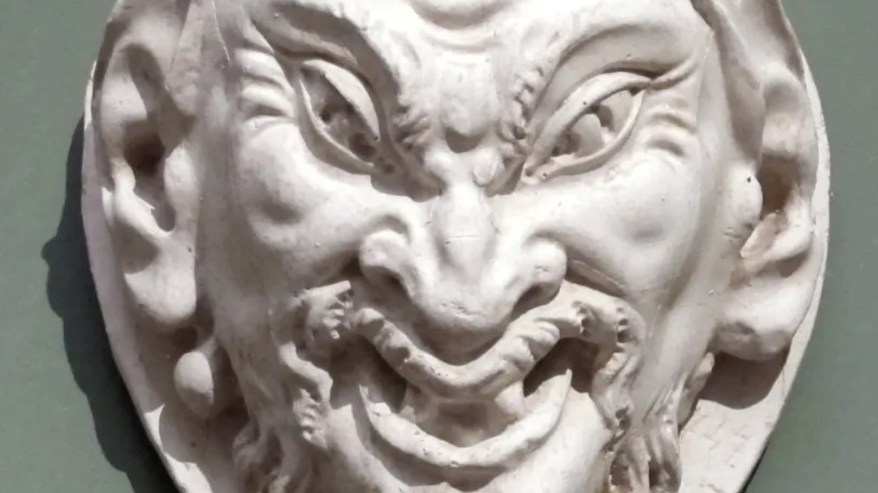
Fauno rubato: 15.000$ per ritrovarlo dopo 80 anni
🇮🇹Ero un ragazzino quando scolpii il Mascherone del Fauno sdentato. Oggi quel volto è perduto, rubato nella notte della guerra e da oltre 80 anni nessuno sa dove sia. Ora una ricompensa di 15.000$ riaccende la ricerca… 🇬🇧I was a boy when I sculpted the Toothless Faun Mask. Today that face is lost, stolen on…
Condividi:


Questo sono io





sostienici

Sostienici - Support Us
Se questo blog ti piace e ti appassiona, puoi aiutarci a farlo crescere sempre più sostenendoci in modo concreto condividendo i post, seguendo le pagine social e con un contributo che ci aiuta ad andare avanti con il nostro lavoro di divulgazione. . ENGLISH: If you like and are passionate about this blog, you can help us make it grow more and more by supporting us in a concrete way by sharing posts, following social pages and with a contribution that helps us to move forward with our dissemination work.
€10,00


