
Adamo: uno degli studi più dettagliati della volta della Sistina
Attorno al 1511, nel momento in cui ero impegnato ad affrescare la volta della Sistina, studiai accuratamente la posa di Adamo che riceve il tocco vitale da Dio Padre.
Per essere più preciso possibile, volli studiare dal vero un modello, facendolo posizionare in posa semi distesa come quella che poi feci assumere al progenitore dipinto nella terza campata del soffitto della Sistina. Il foglio in questione da lungi appartiene al British Museum.
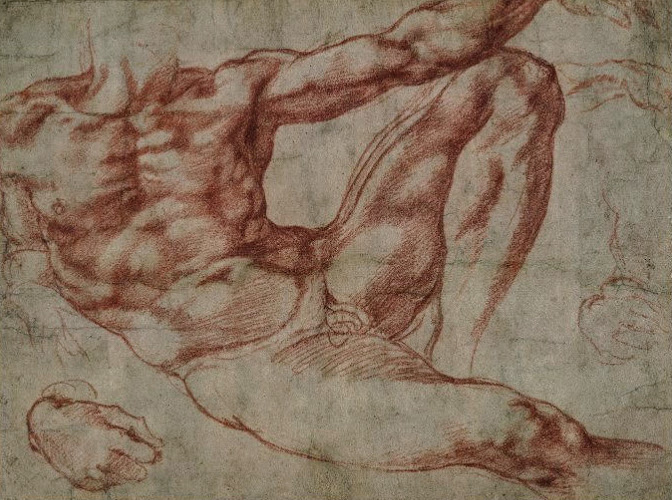
Purtroppo è stato rifilato su tutti i lati e parti della composizione sono state tagliate in alto e a sinistra, andando perdute per sempre.
La carta di supporto è assai usurata e danneggiata mentre il colore molto accentuato della sanguigna che ha assunto un rosso insolito che tende allo scarlatto, è dovuto a una verniciatura non documentata stesa chissà quando.
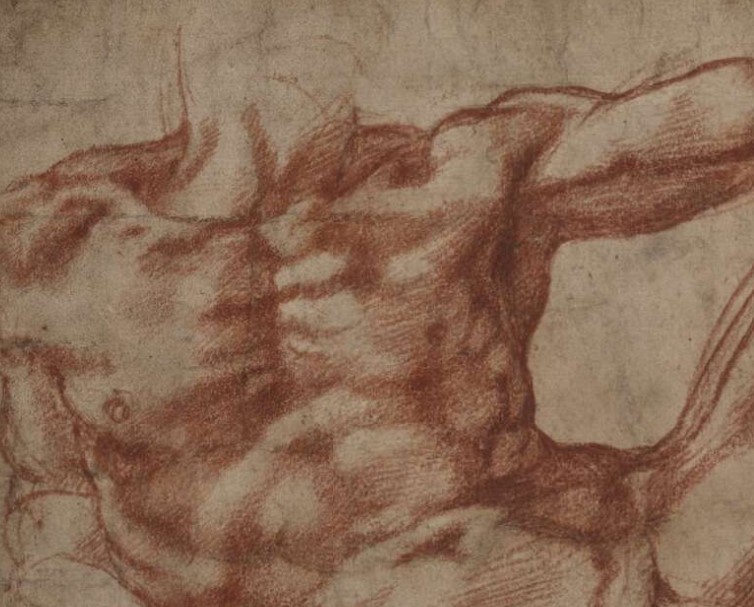
In quel disegno volli riprodurre il perfetto corpo di un uomo che simboleggia la perfetta creazione di Dio, prima della caduta nel peccato.
La muscolatura del torso, delle gambe divaricate e delle braccia è minuziosamente descritta mediante il tratteggio e le delicate gradazioni di tono. In basso a sinistra volli studiare nel dettaglio il particolare della mano chiusa.
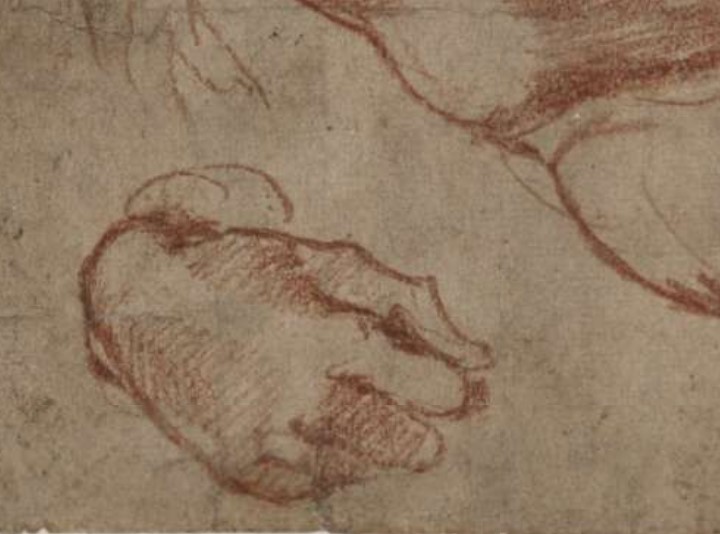
Nel periodo in cui realizzai il disegno, preferivo di gran lunga adoperare la sanguigna per tracciare i disegni più particolareggiati. Certamente riuscivo a creare contrasti meno netti di quelli dati dal carboncino ma mi piaceva il suo tono brillante, più adatto alla raffigurazione dei corpi che poi avrei affrescato
Charles de Tolnay scrisse in merito a questo disegno “Lo studio è stato eseguito dal naturale, a giudicare dalla ricchezza della muscolatura del torso di Adamo”.

Per il momento il sempre vostro Michelangelo Buonarroti vi saluta dandovi appuntamento ai prossimi post e sui social.
Adam: one of the most detailed studies of the Sistine vault
Around 1511, when I was busy frescoing the vault of the Sistine Chapel, I carefully studied the pose of Adam receiving the vital touch from God the Father.
To be as precise as possible, I wanted to study a model from life, having it positioned in a semi-reclining pose like the one I then had its progenitor painted in the third bay of the Sistine ceiling assume. The sheet in question long ago belongs to the British Museum.
Unfortunately it was trimmed on all sides and parts of the composition were cut off at the top and left, thus being lost forever.
The support paper is very worn and damaged while the very accentuated color of the sanguine which has taken on an unusual red tending towards scarlet, is due to an undocumented varnish applied who knows when.
In that drawing I wanted to reproduce the perfect body of a man who symbolized the perfection of God’s creation, before the fall into sin.
The muscles of the torso, legs apart and arms are meticulously described through hatching and delicate gradations of tone. At the bottom left I wanted to study separately the detail of the closed hand.
During the period in which I made the drawing, I much preferred to use sanguine to trace the more detailed drawings. I certainly managed to create less clear contrasts than those given by charcoal but I liked its brilliant tone, more suitable for the depiction of the bodies that I would later fresco
Charles de Tolnay wrote about this drawing “The study was made from nature, judging by the richness of the musculature of Adam’s torso”.
For the moment, your always Michelangelo Buonarroti greets you and will meet you in the next posts and on social media.

Sostienici – Support Us
Se questo blog ti piace e ti appassiona, puoi aiutarci a farlo crescere sempre più sostenendoci in modo concreto condividendo i post, seguendo le pagine social e con un contributo che ci aiuta ad andare avanti con il nostro lavoro di divulgazione. . ENGLISH: If you like and are passionate about this blog, you can help us make it grow more and more by supporting us in a concrete way by sharing posts, following social pages and with a contribution that helps us to move forward with our dissemination work.
8,00 €
-
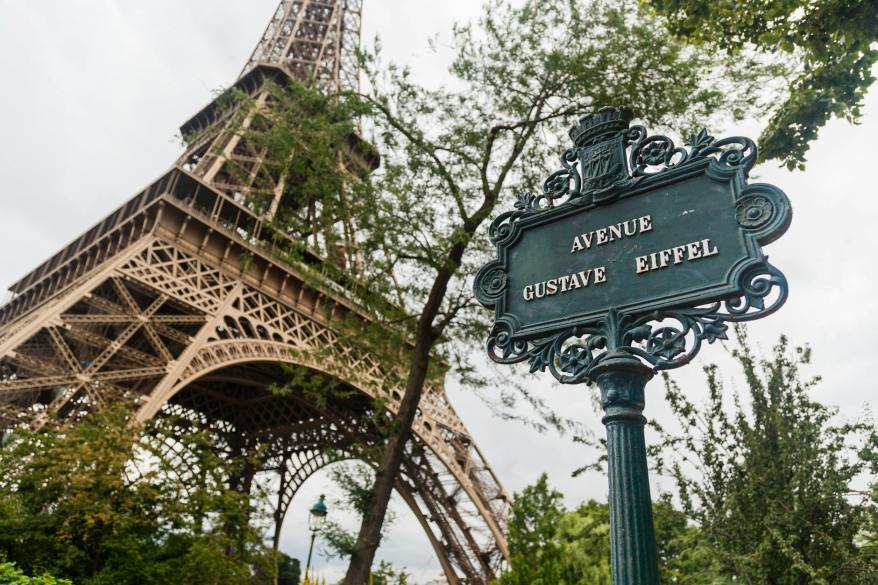
31 marzo 1889: inaugurata la Torre Eiffel tra critiche feroci e un destino inaspettato
🇮🇹Il 31 marzo 1889 segna una data destinata a cambiare per sempre il volto di Parigi e dell’immaginario collettivo globale: viene inaugurata la Torre Eiffel, l’opera più audace e discussa del suo tempo… 🇬🇧March 31, 1889 marks a date destined to change the face of Paris and the global collective imagination forever: the Eiffel Tower,…
-
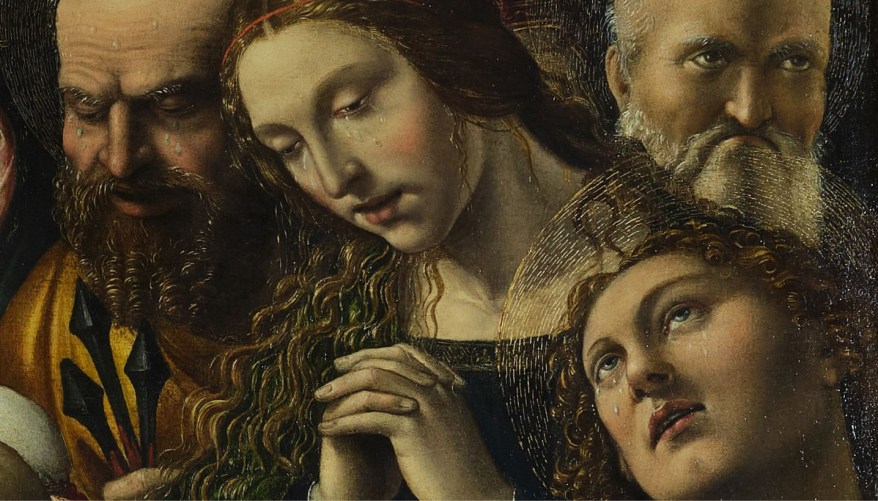
Sodoma in mostra a Torino: il Rinascimento al Museo Accorsi-Ometto
🇮🇹Al Museo di Arti Decorative Accorsi-Ometto arriva una mostra dedicata al Sodoma: oltre 50 opere, alcune mai viste prima, raccontano la formazione dell’artista e il suo dialogo con maestri come Pinturicchio… 🇬🇧An exhibition dedicated to Sodoma arrives at the Accorsi-Ometto Museum of Decorative Arts: over 50 works, some never before seen, recount the artist’s development…
-
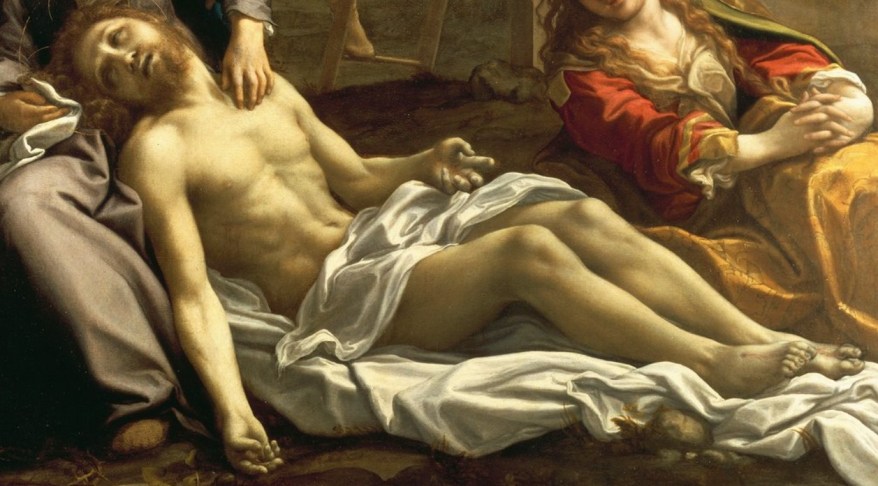
Il Compianto sul Cristo morto di Correggio: pathos e devozione
🇮🇹Con l’inizio della Settimana Santa, vi propongo il Compianto sul Cristo morto di Antonio Allegri, più noto come il Correggio: uno dei vertici assoluti della pittura emiliana del Cinquecento… 🇬🇧With the beginning of Holy Week, I propose the Lamentation over the Dead Christ by Antonio Allegri, better known as Correggio: one of the absolute peaks…
Condividi:


Questo sono io





sostienici

Sostienici - Support Us
Se questo blog ti piace e ti appassiona, puoi aiutarci a farlo crescere sempre più sostenendoci in modo concreto condividendo i post, seguendo le pagine social e con un contributo che ci aiuta ad andare avanti con il nostro lavoro di divulgazione. . ENGLISH: If you like and are passionate about this blog, you can help us make it grow more and more by supporting us in a concrete way by sharing posts, following social pages and with a contribution that helps us to move forward with our dissemination work.
€10,00


