
La scoperta dell’Ercole Farnese e il mio San Pietro
Dovete sapere che quando mi stavo apprestando a metter mano agli affreschi della Cappella Paolina, accaddero una serie di eventi di non trascurabile importanza.
Poco prima dell’avvio dei lavori per la Crocifissione di San Pietro, le Terme di Caracalla all’epoca appartenenti ai Farnese, divennero luogo di nuove e sensazionali scoperte grazie agli scavi in atto, voluti dal nipote di papa Paolo III: il cardinale Alessandro.
Quella movimentazione di terra non fu effettuata per ritrovare chissà che ma per tentare di recuperare del materiale edilizio da destinare a importanti cantieri in corso quali la Basilica di San Pietro e Palazzo Farnese.
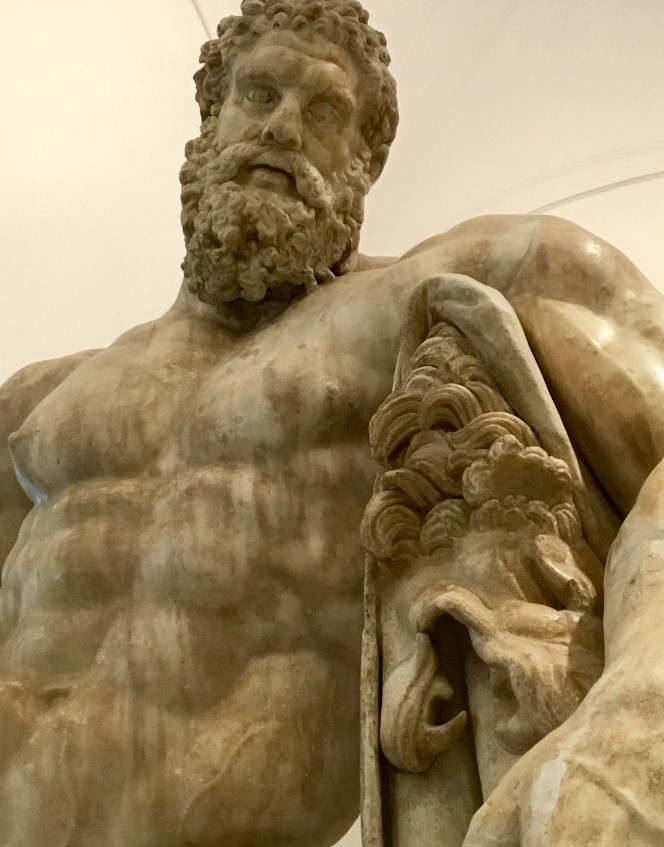
A volte però si trova più di quanto si pensi di cercare e, inaspettatamente, tornarono alla luce opere straordinarie: la grande scultura dell‘Ercole a riposo firmata dallo scultore di Atene Glicon, nota oggi con il nome di Ercole Farnese, e una scultura gemella non firmata, caratterizzata dalle medesime dimensioni, oggi custodita presso la Reggia di Caserta.

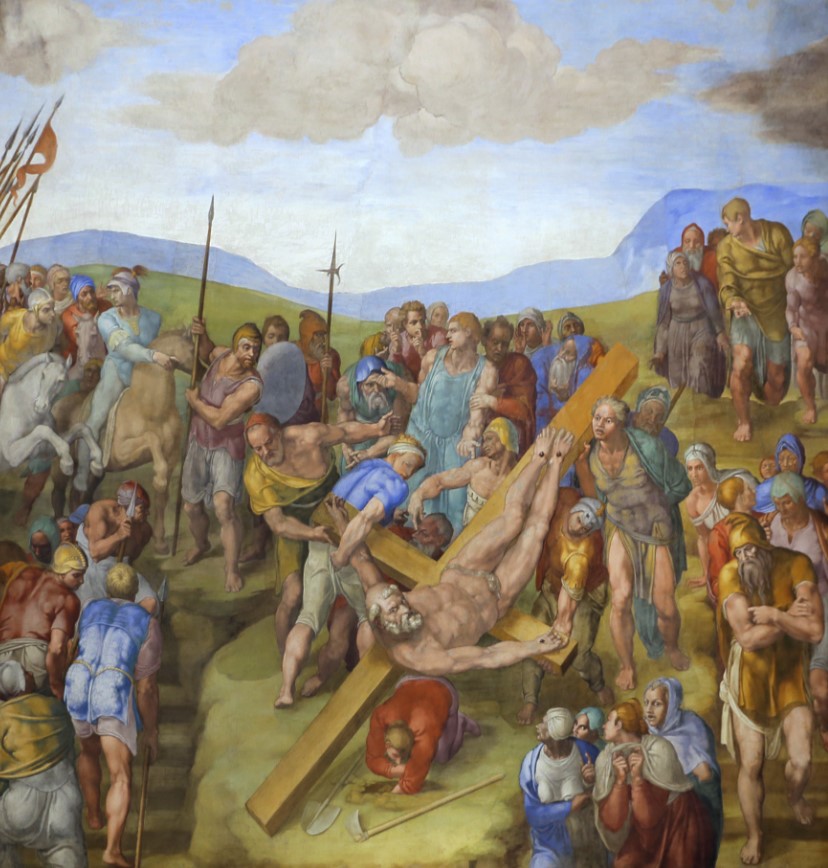
Sicuramente ebbi modo di vedere e studiare quei due capolavori, rinvenuti fra il 1545 e il 1546 e quella visione influì con non poca probabilità sulla mia raffigurazione della Crocifissione di San Pietro.
La torsione del busto, lo sviluppo asimmetrico dell’apostolo verso destra e finanche il volto di San Pietro corrucciato, paragonabile a quello della scultura poi integrata da Giacomo della Porta con la testa mancante, sono tutte caratteristiche che accomunano il Santo che affrescai all’Ercole Farnese.

C’è inoltre chi ha saputo vedere proprio nel volto di San Pietro quello di papa Paolo III, con quel suo naso appuntito, la barba bianca e lo sguardo fiero capace di penetrare fino nell’anima chi lo osserva.
Per il momento il sempre vostro Michelangelo Buonarroti vi saluta dandovi appuntamento ai prossimi post e sui social.
The discovery of the Farnese Hercules and my Saint Peter
You should know that when I was preparing to work on the frescoes of the Pauline Chapel, a series of events of no small importance occurred.
Shortly before the start of work on the Crucifixion of Saint Peter, the Baths of Caracalla, which at the time belonged to the Farnese family, became the site of new and sensational discoveries thanks to the excavations underway, commissioned by Pope Paul III’s nephew: Cardinal Alessandro.
That earth movement was not carried out to find who knows what but to try to recover building material to be used for important ongoing construction sites such as St. Peter’s Basilica and Palazzo Farnese.
Sometimes, however, you find more than you think you are looking for and unexpectedly extraordinary works came to light: the large sculpture of Hercules at rest signed by the Athens sculptor Glicon, known today by the name of Farnese Hercules, and an unsigned twin sculpture , characterized by the same dimensions, today kept at the Royal Palace of Caserta.
I certainly saw those two works found between 1545 and 1546 shortly after their discovery and that vision most likely influenced my depiction of the Crucifixion of Saint Peter. The twisting of the bust, the asymmetric development of the apostle towards the right and even the frowning face of Saint Peter, comparable to that of the sculpture later integrated by Giacomo della Porta with the missing head are all characteristics that the Saint I frescoed with the Farnese Hercules have in common .
There are also those who have been able to see in the face of Saint Peter that of Pope Paul III, with his pointed nose, white beard and proud gaze capable of penetrating the soul of those who observe him.
For the moment, your always Michelangelo Buonarroti greets you and will meet you in the next posts and on social media.

Sostienici – Support Us
Se questo blog ti piace e ti appassiona, puoi aiutarci a farlo crescere sempre più sostenendoci in modo concreto condividendo i post, seguendo le pagine social e con un contributo che ci aiuta ad andare avanti con il nostro lavoro di divulgazione. . ENGLISH: If you like and are passionate about this blog, you can help us make it grow more and more by supporting us in a concrete way by sharing posts, following social pages and with a contribution that helps us to move forward with our dissemination work.
8,00 €
-
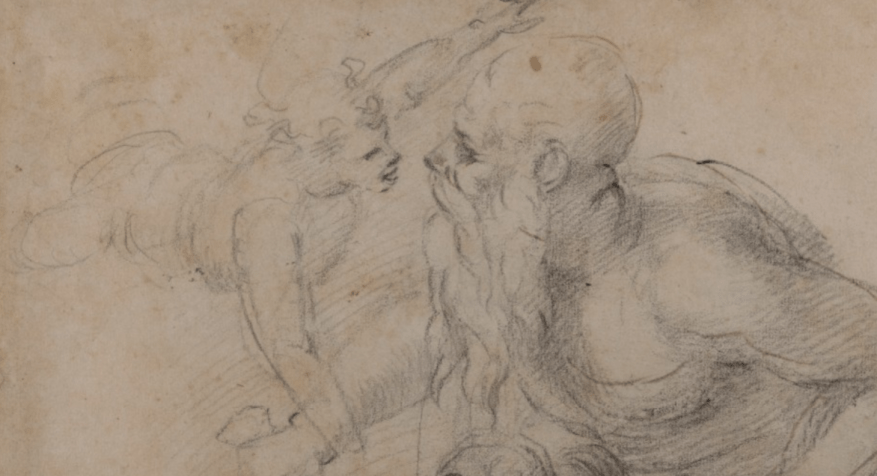
Il Sacrificio di Isacco e quel momento tra la vita e la morte
🇮🇹Oggi voglio raccontarvi alcuni dettagli sul mio disegno del Sacrificio di Isacco, conservato oggi a Casa Buonarroti. Su quel foglio volli tracciare il momento preciso in cui la paura fa spazio al miracolo… 🇬🇧Today I want to tell you some details about my drawing of the Sacrifice of Isaac, now preserved at Casa Buonarroti. On…
-
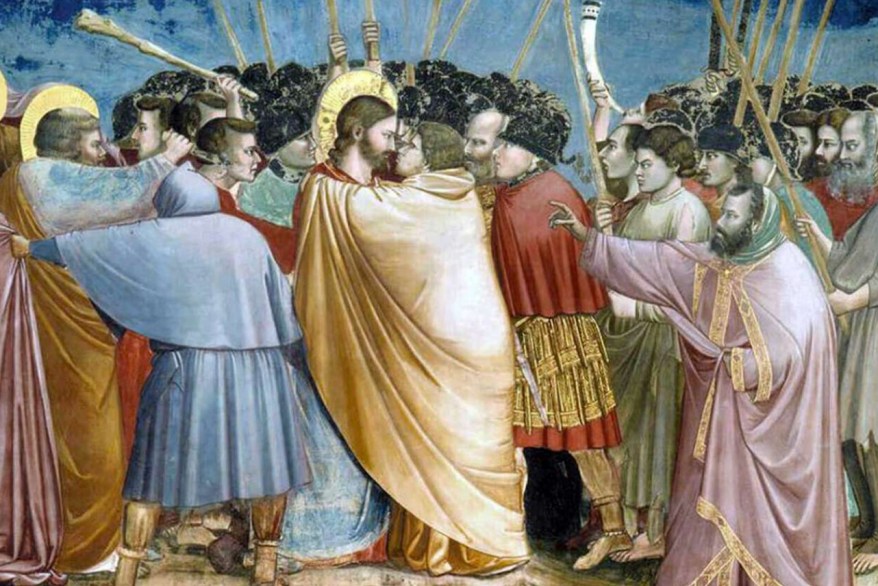
Mercoledì Santo: il giorno del tradimento di Giuda affrescato da Giotto
🇮🇹Il Mercoledì Santo è il giorno del silenzio, della riflessione e del tradimento. È il momento in cui Giuda sceglie di vendere Gesù per trenta denari, segnando uno dei passaggi più dolorosi della Settimana Santa…. 🇬🇧Holy Wednesday is a day of silence, reflection, and betrayal. ✝It is the moment when Judas chooses to sell Jesus…
-
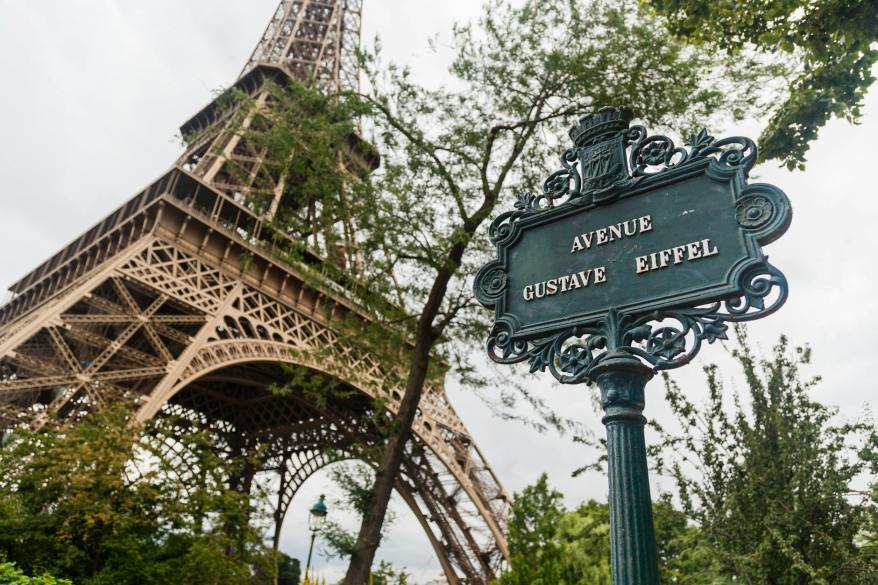
31 marzo 1889: inaugurata la Torre Eiffel tra critiche feroci e un destino inaspettato
🇮🇹Il 31 marzo 1889 segna una data destinata a cambiare per sempre il volto di Parigi e dell’immaginario collettivo globale: viene inaugurata la Torre Eiffel, l’opera più audace e discussa del suo tempo… 🇬🇧March 31, 1889 marks a date destined to change the face of Paris and the global collective imagination forever: the Eiffel Tower,…
Condividi:


Questo sono io





sostienici

Sostienici - Support Us
Se questo blog ti piace e ti appassiona, puoi aiutarci a farlo crescere sempre più sostenendoci in modo concreto condividendo i post, seguendo le pagine social e con un contributo che ci aiuta ad andare avanti con il nostro lavoro di divulgazione. . ENGLISH: If you like and are passionate about this blog, you can help us make it grow more and more by supporting us in a concrete way by sharing posts, following social pages and with a contribution that helps us to move forward with our dissemination work.
€10,00


