
La Scultura del giorno: i commoventi Bambini nel bosco di Crawford
La scultura del giorno che vi propongo oggi sono i Bambini nel bosco scolpiti da Thomas Crawford nel 1851. Un’opera struggente che riesce a far vibrare le corde più profonde dell’animo.
Lo scultore Thomas Gibson Crawford, nato a New York nel 1814, per dar forma a quest’opera si ispirò a un’antica ballata inglese che ha il medesimo titolo.

Nella ballata viene raccontato l’abbandono prima e la morte poi di due fratelli orfani, nello specifico un ragazzo e la sorellina minore.
Abbracciati l’uno all’altra riposano oramai sereni e non si sveglieranno più, adagiati sul suolo di una foresta. I lineamenti sono oramai rilassati e niente potrà più spaventarli.
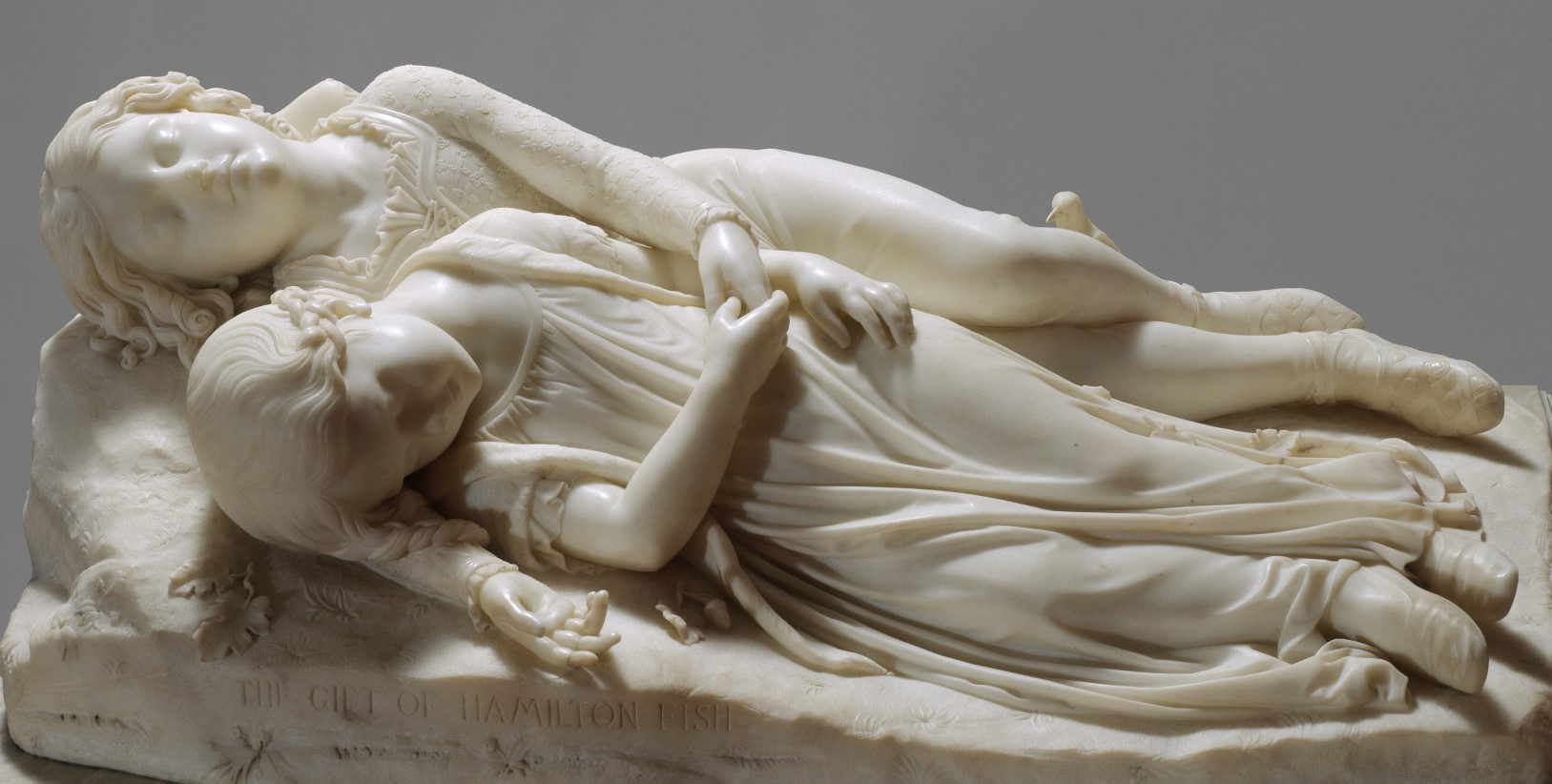
Le foglie e le ghiande finemente scolpite da Crowford alludono alla parte della ballata in cui il pettirosso, commosso da quella scena, copre i bambini con le foglie per dargli una sorta di degna sepoltura.
Il gruppo scultoreo è particolarmente commovente ed è un tipico esempio vittoriano in cui si tenta di rendere meno dura e angosciosa la morte.

I commoventi Bambini nel bosco di Crowford appartengono alle collezioni del Metropolitan Museum di New York.
Per il momento il sempre vostro Michelangelo Buonarroti vi saluta dandovi appuntamento ai prossimi post e sui social.
Sculpture of the day: Crawford’s touching Children in the Woods
The sculpture of the day that I propose to you today is the Children in the woods sculpted by Thomas Crawford in 1851. A poignant work that manages to make the deepest strings of the soul vibrate.
The sculptor Thomas Gibson Crawford, born in New York in 1814, was inspired by an ancient English ballad of the same title to give shape to this work.
The ballad recounts the abandonment first and then the death of two orphaned brothers, specifically a boy and his younger sister.
Embraced by each other, they now rest peacefully and will never wake up again, lying on the floor of a forest. Their features are now relaxed and nothing can scare them anymore.
The leaves and acorns finely sculpted by Crowford allude to the part of the ballad in which the robin, moved by that scene, covers the children with leaves to give them a sort of dignified burial.
The sculptural group is particularly moving and is a typical Victorian example in which an attempt is made to make death less harsh and distressing.
Crowford’s moving Children in the Woods belong to the collections of the Metropolitan Museum in New York.
For the moment, your always Michelangelo Buonarroti greets you and will meet you in the next posts and on social media.

Sostienici – Support Us
Se questo blog ti piace e ti appassiona, puoi aiutarci a farlo crescere sempre più sostenendoci in modo concreto condividendo i post, seguendo le pagine social e con un contributo che ci aiuta ad andare avanti con il nostro lavoro di divulgazione. . ENGLISH: If you like and are passionate about this blog, you can help us make it grow more and more by supporting us in a concrete way by sharing posts, following social pages and with a contribution that helps us to move forward with our dissemination work.
8,00 €
-
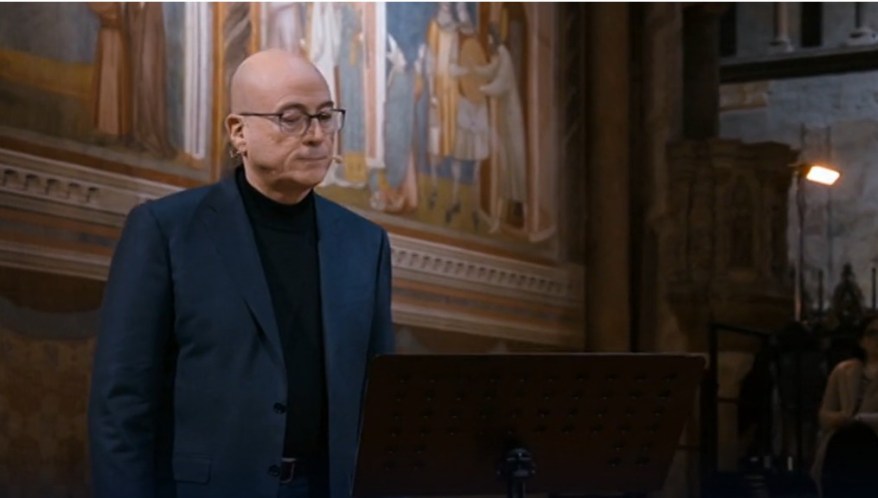
Festival La Versiliana 2026: tra musica, teatro e grandi narrazioni
Dal 17 luglio al 23 agosto 2026, la pineta di Marina di Pietrasanta ospiterà la 47ª edizione del Festival La Versiliana. Una kermesse aperta a tutti nella quale linguaggi diversi dialogano tra loro in un equilibrio tra tradizione e contemporaneità.
-
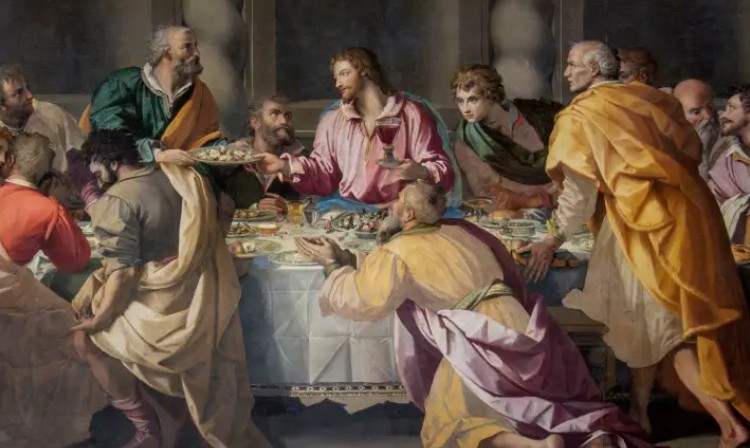
Giovedì Santo: l’Ultima Cena di Allori che pochi conoscono a Firenze
🇮🇹Nel cuore di Museo di Santa Maria Novella, a Firenze, si conserva una delle interpretazioni più affascinanti e meno note dell’Ultima Cena: quella realizzata da Alessandro Allori nel 1584… 🇬🇧In the heart of the Santa Maria Novella Museum in Florence, one of the most fascinating and least-known interpretations of the Last Supper is preserved: the…
-
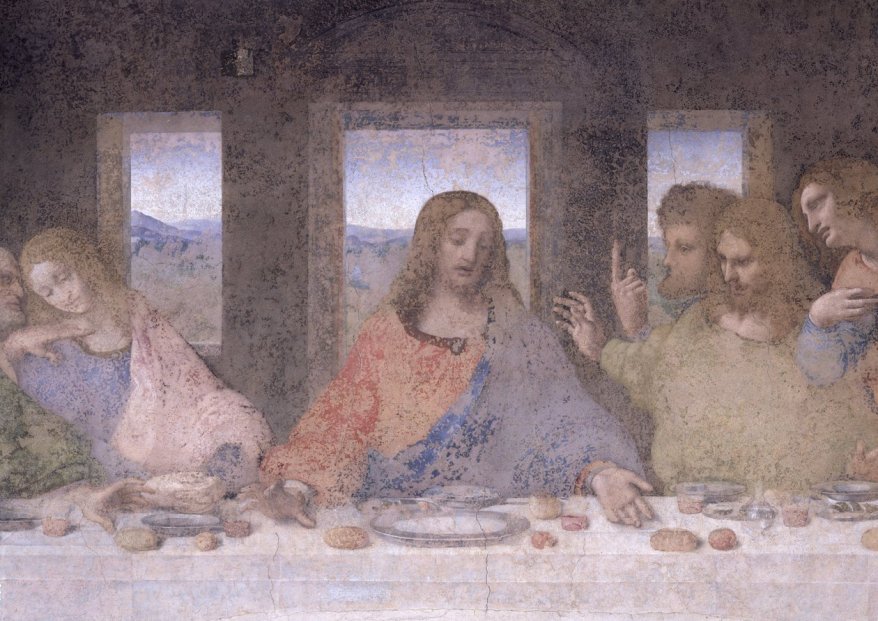
Cenacolo di Leonardo: i dettagli che raccontano il tradimento
🇮🇹Nel Cenacolo di Leonardo da Vinci, custodito a Santa Maria delle Grazie, Cristo annuncia il tradimento e il tempo si ferma… 🇬🇧In Leonardo da Vinci’s Last Supper, housed in Santa Maria delle Grazie, Christ announces the betrayal and time stands still…
Condividi:


Questo sono io





sostienici

Sostienici - Support Us
Se questo blog ti piace e ti appassiona, puoi aiutarci a farlo crescere sempre più sostenendoci in modo concreto condividendo i post, seguendo le pagine social e con un contributo che ci aiuta ad andare avanti con il nostro lavoro di divulgazione. . ENGLISH: If you like and are passionate about this blog, you can help us make it grow more and more by supporting us in a concrete way by sharing posts, following social pages and with a contribution that helps us to move forward with our dissemination work.
€10,00


