

Van Gogh al Museo Revoltella
A partire da oggi 22 febbraio 2024, il Comune di Trieste e Arthemisia proporranno presso il Museo Revoltella una straordinaria mostra dedicata a uno degli artisti più amati: Vincent van Gogh.
Si tratta della mostra che in pochi mesi a Roma ha catturato l’attenzione di 600.000 visitatori. Il percorso espositivo sarà però arricchito con due nuove opere: i ritratti di Monsieur e Madame Ginoux ovvero i proprietari del Café de la Gare di Arles frequentato da Van Gogh.
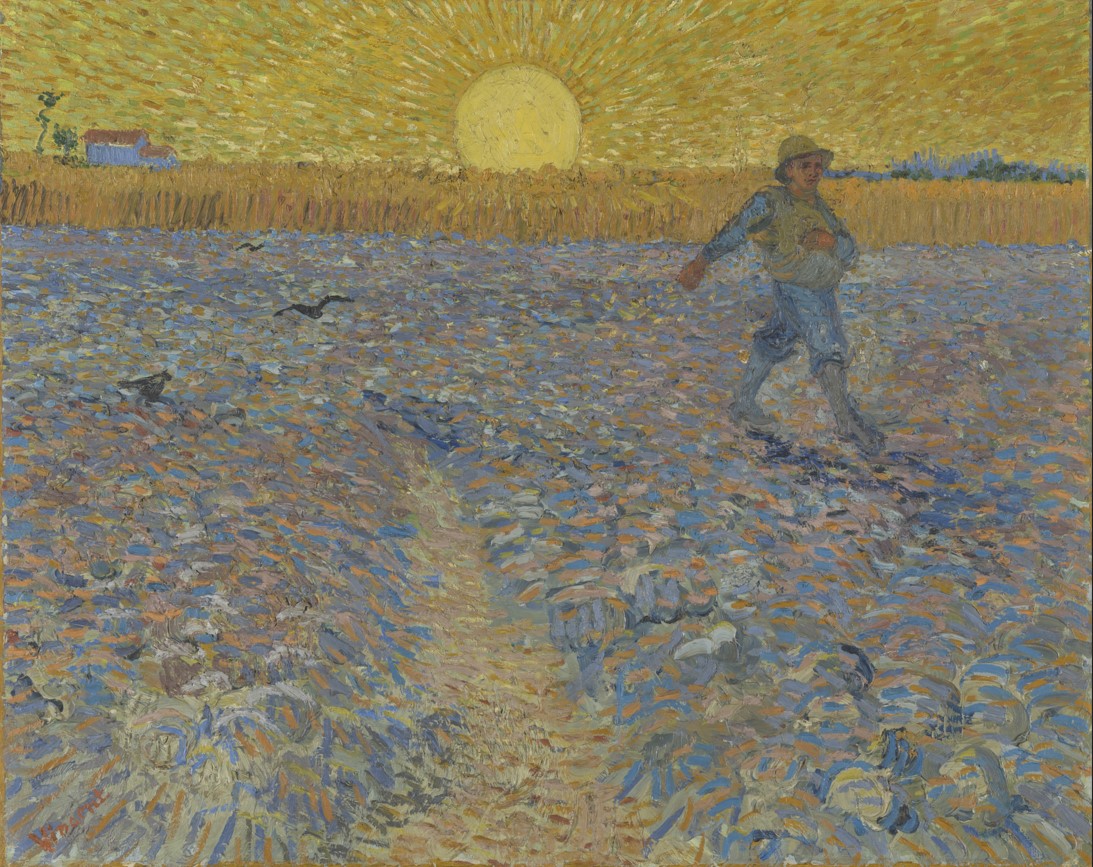
© Kröller-Müller Museum, Otterlo, The Netherlands
Entrambi furono realizzati nel 1890 e custoditi rispettivamente presso il Kröller-Müller Museum di Otterlo, prestatore di quasi tutte le opere presenti in mostra, e l’altra alla Galleria Nazionale di Roma, a cui si deve anche il prestito di un’altra opera di grande bellezza: il Giardiniere.
Vincent van Gogh, nato a Zundert il 30 marzo 1853, ebbe una vita tormentata proprio come mette in luce l’indagine di Maria Teresa Benedetti sulla scia di studiosi come Massimo Recalcati, nostro contemporaneo e altri più storici come Jasper, Bataille, Artaud e Testori. Un’esistenza trascorsa sul filo della pazzia, inquieta ed errabonda, fino al tragico finale che lo portò al suicidio ad appena 37 anni.
Nella mostra di Trieste, curata da Maria Teresa Benedetti e Francesca Villanti e realizzata con la collaborazione del Museo Kröller-Müller di Otterlo, saranno esposti oltre 50 capolavori di Van Gogh, arricchiti da ampi apparati didattici, video, sale emozionanti e scenografiche e molto altro.
In occasione della mostra su Van Gogh, con un unico biglietto d’ingresso si potrà visitare anche il bellissimo Museo Revoltella – Galleria d’arte moderna di Trieste che vanta una prestigiosa collezione: a partire dal ricchissimo lascito dell’omonimo barone Pasquale Revoltella – che ne fece la sua dimora fino al 1869 – fino alle più recenti acquisizioni di importanti esponenti dell’arte moderna e contemporanea.
Il percorso espositivo
L’esposizione documenta in ordine cronologico l’intero percorso del pittore. Inizia dal racconto approfondito dei primi cinque anni di attività dell’artista per poi soffermarsi sugli scuri paesaggi della sua giovinezza e sulle numerose figure dedite al lavoro della terra.
Gli anni che vanno dal 1881 al 1885 sono determinanti, contano più di quanto non appaia dalle opere stesse.
Van Gogh si limita principalmente al disegno, è consapevole di dover avere pieno possesso degli strumenti tecnici per poter diventare un pittore, “non dovete pensare che io abbia messo da parte l’acquerello o la pittura. Certo che ci penso, ma il disegno è l’origine di tutto” e ancora “non ho mai rimpianto un solo istante il fatto di non aver cominciato subito facendo acquerelli e pittura. So per certo che arriverò se continuerò a lavorare nonostante le difficoltà, in modo che la mia mano non abbia incertezze nel disegno e nella prospettiva”.
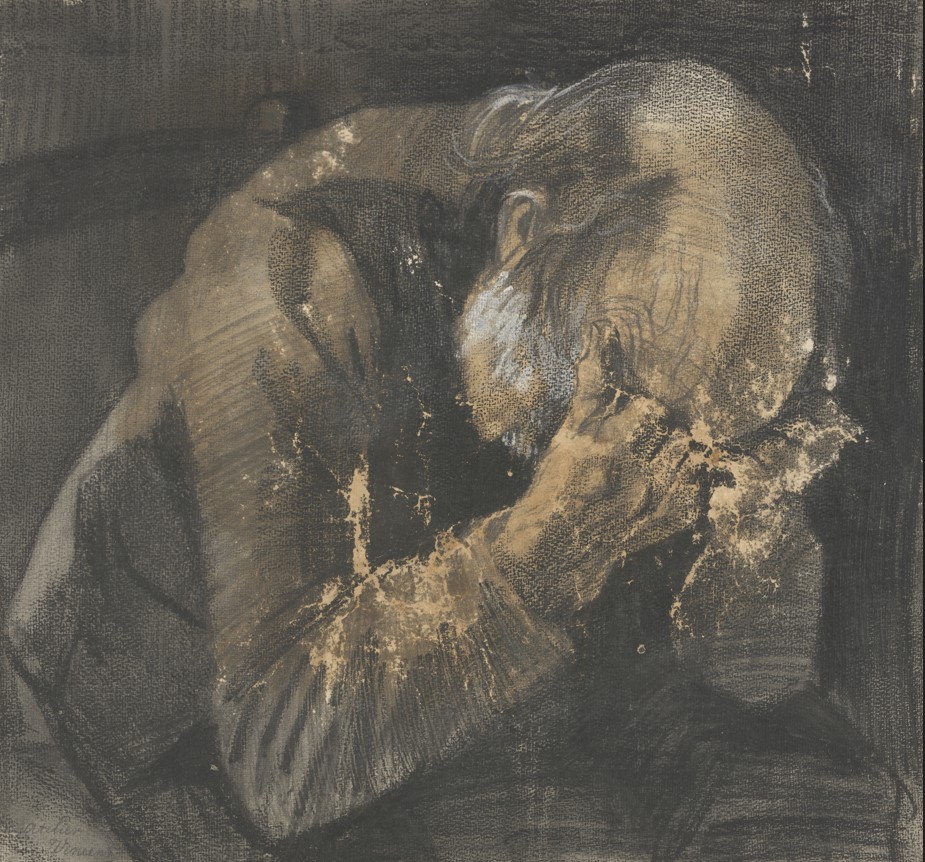
Un nutrito numero di disegni è dedicato al tema dei seminatori, dei raccoglitori di patate, dei boscaioli e delle contadine dedite a mansioni domestiche. La grandezza dell’artista si rivela nell’espressività dei volti, negli atteggiamenti dei corpi, nella fatica intesa come ineluttabile destino.
Nei due anni del soggiorno parigino, 1886-1888, Vincent assorbe il clima artistico vitale della città, si lega ad artisti come Émile Bernard, Toulouse-Lautrec e Louis Anquetin. Definisce sé stesso e gli amici come gli artisti del Petit Boulevard, mentre riserva ai grandi protagonisti dell’Impressionismo come Monet, Degas, Renoir, Sisley e Pissarro l’appellativo di artisti del Grand Boulevard.
Van Gogh si dedica a un’accurata ricerca del colore sulla scia impressionista conquistando un linguaggio più immediato e cromaticamente vibrante, che si rende evidente dopo il trasferimento ad Arles.
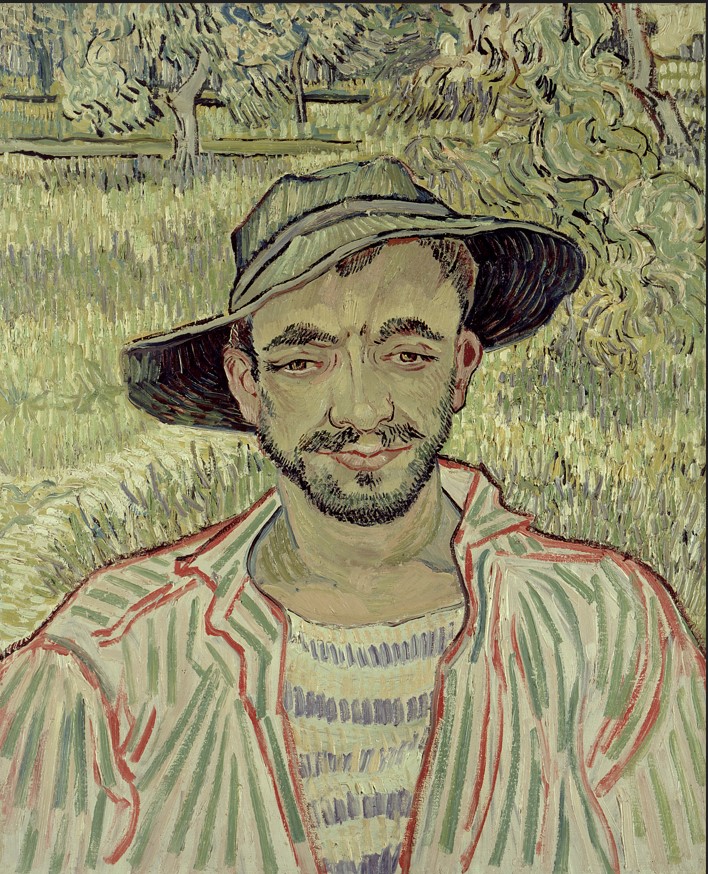
Galleria Nazionale Arte moderna, Roma Foto Schiavinotto
L’esilio volontario nella primavera del 1889 nell’ospedale psichiatrico di Saint Paul de Mausole, vicino a Saint Remy sigla un periodo non sempre sereno ma artisticamente fecondo. L’arte di Van Gogh tocca vertici fino ad allora mai raggiunti, individuando nel rapporto con la natura e con gli esseri umani nuove forme di bellezza. Ecco, quindi, che torna l’immagine de Il Seminatore realizzato ad Arles nel giugno 1888, con la quale Van Gogh avverte che si può giungere a una tale sfera espressiva solo attraverso un uso metafisico del colore.
Per il momento il vostro Michelangelo Buonarroti vi saluta dandovi appuntamento ai prosismi post e sui social.
Van Gogh at the Revoltella Museum
Starting from today 22 February 2024, the Municipality of Trieste and Arthemisia will propose an extraordinary exhibition dedicated to one of the most beloved artists at the Revoltella Museum: Vincent van Gogh.
This is the exhibition that in just a few months in Rome has captured the attention of 600,000 visitors. However, the exhibition itinerary will be enriched with two new works: the portraits of Monsieur and Madame Ginoux or the owners of the Café de la Gare in Arles frequented by Van Gogh.
Both were created in 1890 and kept respectively at the Kröller-Müller Museum in Otterlo, lender of almost all the works in the exhibition, and the other at the National Gallery of Rome, which was also responsible for the loan of another work by great beauty: the Gardener.
Vincent van Gogh, born in Zundert on 30 March 1853, had a tormented life just as highlighted by Maria Teresa Benedetti’s investigation in the wake of scholars such as Massimo Recalcati, our contemporary and other more historical ones such as Jasper, Bataille, Artaud and Testori . An existence spent on the edge of madness, restless and wandering, until the tragic ending that led him to suicide at just 37 years old.
In the Trieste exhibition, curated by Maria Teresa Benedetti and Francesca Villanti and created in collaboration with the Kröller-Müller Museum of Otterlo, over 50 of Van Gogh’s masterpieces will be on display, enriched by extensive educational apparatus, videos, exciting and scenographic rooms and much more .
On the occasion of the exhibition on Van Gogh, with a single entry ticket you will also be able to visit the beautiful Revoltella Museum – Gallery of modern art in Trieste which boasts a prestigious collection: starting from the very rich legacy of the homonymous baron Pasquale Revoltella – who he made it his home until 1869 – until the most recent acquisitions by important exponents of modern and contemporary art.
The exhibition itinerary
The exhibition documents the painter’s entire career in chronological order. It begins with an in-depth account of the artist’s first five years of activity and then focuses on the dark landscapes of his youth and the numerous figures dedicated to working the land.
The years from 1881 to 1885 are crucial, they count more than appears from the works themselves.
Van Gogh mainly limits himself to drawing, he is aware of having to have full possession of the technical tools to become a painter, “you must not think that I have put aside watercolor or painting. Of course I think about it, but drawing is the origin of everything” and again “I have never regretted for a single moment the fact that I didn’t start doing watercolors and painting straight away. I know for sure that I will get there if I continue to work despite the difficulties, so that my hand has no uncertainties in drawing and perspective.”
A large number of drawings are dedicated to the theme of sowers, potato harvesters, lumberjacks and peasant women engaged in domestic tasks. The greatness of the artist is revealed in the expressiveness of the faces, in the attitudes of the bodies, in the fatigue understood as an inevitable destiny.
In the two years of his stay in Paris, 1886-1888, Vincent absorbed the vital artistic climate of the city and bonded with artists such as Émile Bernard, Toulouse-Lautrec and Louis Anquetin. He defines himself and his friends as the artists of the Petit Boulevard, while he reserves the name of the artists of the Grand Boulevard for the great protagonists of Impressionism such as Monet, Degas, Renoir, Sisley and Pissarro.
Van Gogh dedicated himself to a careful search for color in the Impressionist wake, achieving a more immediate and chromatically vibrant language, which became evident after moving to Arles.
The voluntary exile in the spring of 1889 in the psychiatric hospital of Saint Paul de Mausole, near Saint Remy marked a period that was not always peaceful but artistically fruitful. Van Gogh’s art reaches heights never reached until then, identifying new forms of beauty in the relationship with nature and human beings. Here, then, comes the image of The Sower created in Arles in June 1888, with which Van Gogh warns that such an expressive sphere can only be reached through a metaphysical use of colour.
For the moment your Michelangelo Buonarroti greets you by meeting you in the next posts and on social media.

Sostienici – Support Us
Se questo blog ti piace e ti appassiona, puoi aiutarci a farlo crescere sempre più sostenendoci in modo concreto condividendo i post, seguendo le pagine social e con un contributo che ci aiuta ad andare avanti con il nostro lavoro di divulgazione. . ENGLISH: If you like and are passionate about this blog, you can help us make it grow more and more by supporting us in a concrete way by sharing posts, following social pages and with a contribution that helps us to move forward with our dissemination work.
8,00 €
-
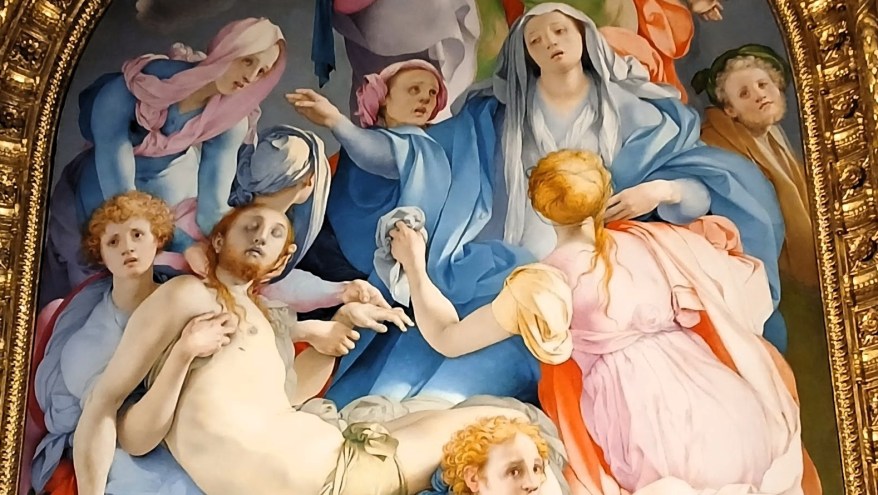
La Deposizione del Pontormo: il capolavoro dell’artista
🇮🇹Ti coinvolge. Ti mette a disagio. Ti costringe a sentire. E’ la Deposizione dalla Croce, dipinta da Jacopo Pontormo tra il 1525 e il 1528 per la Cappella Capponi… 🇬🇧It draws you in. It makes you uncomfortable. It forces you to feel. It’s the Deposition from the Cross, painted by Jacopo Pontormo between 1525 and…
-
Non chiamatelo Braghettone: il 4 aprile del 1566 muore Daniele da Volterra, l’artista che salvò il Giudizio Universale
🇮🇹Braghettone? No, molto di più. Il 4 aprile 1566 moriva Daniele da Volterra, il mio allievo più fedele, l’uomo che mi rimase accanto fino all’ultimo respiro e che salvò il mio Giudizio Universale dalla distruzione… 🇬🇧Braghettone? No, much more. On April 4, 1566, Daniele da Volterra died, my most faithful student, the man who remained…
-
Venerdì Santo: gli “Ecce Homo” più intensi della storia dell’arte
🇮🇹Ecce Homo. Da Antonello da Messina a Tintoretto, fino al sorprendente capolavoro di Antonio Ciseri, questo soggetto ha attraversato i secoli raccontando dolore, umanità e coscienza… 🇬🇧Ecce Homo. From Antonello da Messina to Tintoretto, to Antonio Ciseri’s astonishing masterpiece, this subject has spanned the centuries, recounting pain, humanity, and conscience…
Condividi:


Questo sono io





sostienici

Sostienici – Support Us
Se questo blog ti piace e ti appassiona, puoi aiutarci a farlo crescere sempre più sostenendoci in modo concreto condividendo i post, seguendo le pagine social e con un contributo che ci aiuta ad andare avanti con il nostro lavoro di divulgazione. . ENGLISH: If you like and are passionate about this blog, you can help us make it grow more and more by supporting us in a concrete way by sharing posts, following social pages and with a contribution that helps us to move forward with our dissemination work.
€10,00


