
La Scultura del giorno: il Torso del Belvedere dei Musei Vaticani
La scultura del giorno che vi propongo oggi è lo straordinario Torso del Belvedere ubicato nel Museo Pio Clementino dei Musei Vaticani.
Questo capolavoro fu molto studiato nel Rinascimento e fece scuola, influenzando gli artisti a me contemporanei e i posteri.

La sua perfezione anatomica così come la sua incompiutezza fu per me grande fonte di ispirazione. Basta pensare alle pose e alla possenza degli ignudi che affrescai nella volta della Sistina o al Cristo del Giudizio Universale per rendersi conto quanto amassi quel capolavoro.
Non è dato sapere con certezza il momento esatto del ritrovamento né il luogo dove fu rinvenuto. La prima traccia documentaria che si ha dell’opera è la menzione che ne fece Ciriaco d’Ancona che nei suoi scritti lo citò per averlo visto nel palazzo del cardinale Prospero Colonna, fra il 1432 e il 1435.
Per decenni fu custodito a Palazzo Colonna del Quirinale dove rimase fino ai primi anni del Cinquecento.

L’opera entrò a far parte delle collezioni vaticane fra il 1530 e il 1536 e nei secoli fu interpretata in vario modo. L’ipotesi al momento più accreditata è quella che vede nella scultura l’eroe greco Aiace Telamonio mentre sta meditando il suicidio.
Si racconta che durante la guerra di Troia, Aiace impazzì quando Ulisse gli sottrasse le armi di Achille.

E’ stato possibile ricostruire l’iconografia dell’opera mediante diverse testimonianze figurative. La testa dell’opera era evidentemente appoggiata sulla mano destra che stringeva la spada con la quale Aiace si sarebbe tolto la vita.
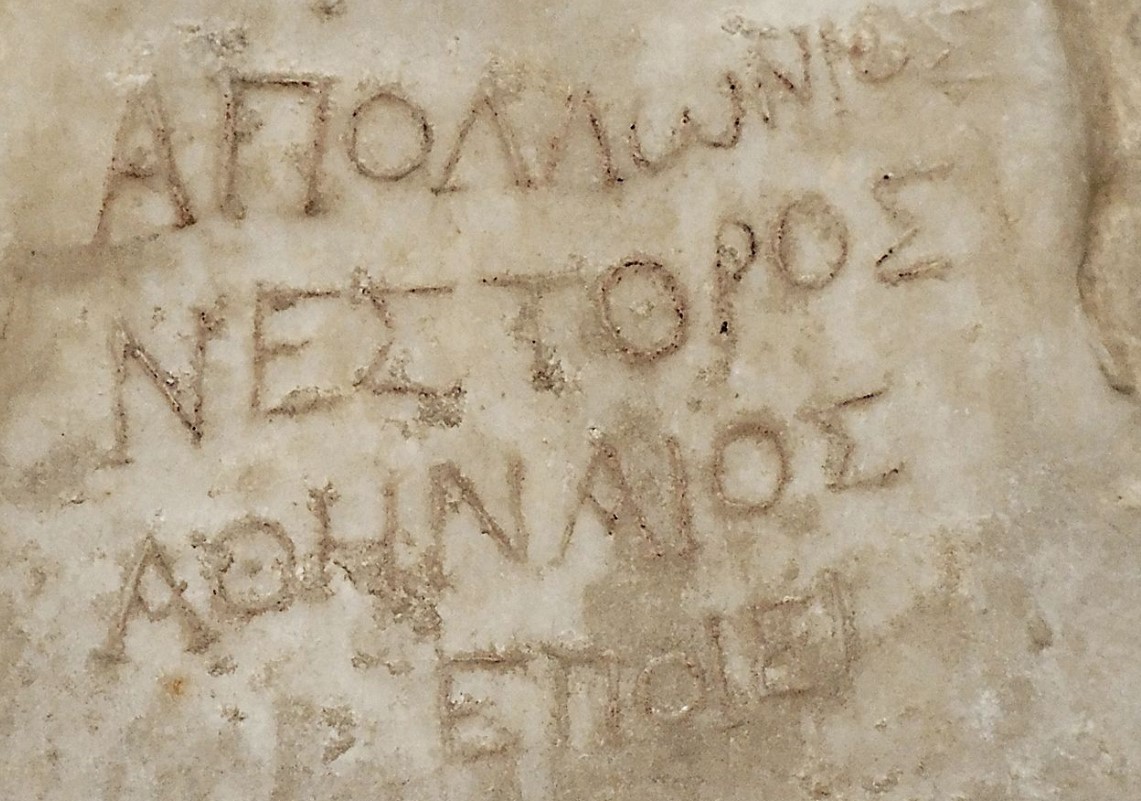
La scultura databile al I secolo avanti Cristo, è firmata sul piedistallo dall’ateniese Apollonios, un artista che probabilmente scolpì l’opera ispirandosi a un bronzo risalente al secondo secolo avanti Cristo.
Per il momento il vostro Michelangelo Buonarroti vi saluta dandovi appuntamento ai prossimi post e sui social.

Sculpture of the day: the Belvedere Torso of the Vatican Museums
The sculpture of the day that I propose to you today is the extraordinary Belvedere Torso located in the Pio Clementino Museum of the Vatican Museums.
This masterpiece was much studied in the Renaissance and set a precedent, influencing contemporary artists and posterity.
Its anatomical perfection as well as its incompleteness was a great source of inspiration for me. It is enough to think of the poses and the power of the naked figures that I frescoed in the vault of the Sistine Chapel or of the Christ of the Last Judgment to realize how much I loved that masterpiece.
It is not known with certainty the exact moment of the discovery nor the place where it was found. The first documentary trace we have of the work is the mention made of it by Ciriaco d’Ancona who in his writings cited it as having seen it in the palace of Cardinal Prospero Colonna, between 1432 and 1435.
For decades it was kept in Palazzo Colonna del Quirinale where it remained until the early sixteenth century.
The work became part of the Vatican collections between 1530 and 1536 and over the centuries it was interpreted in various ways. The most popular hypothesis at the moment is the one that sees the Greek hero Ajax Telamonius in the sculpture while he is contemplating suicide.
It is said that during the Trojan War, Ajax went mad when Ulysses stole Achilles’ weapons from him.
It was possible to reconstruct the iconography of the work through various figurative testimonies. The head of the work was evidently resting on the right hand which was holding the sword with which Ajax would have taken his own life.
The sculpture, which dates back to the 1st century BC, is signed on the pedestal by the Athenian Apollonios, an artist who probably sculpted the work inspired by a bronze dating back to the 2nd century BC.
For the moment, your Michelangelo Buonarroti greets you and will meet you in future posts and on social media.

Sostienici – Support Us
Se questo blog ti piace e ti appassiona, puoi aiutarci a farlo crescere sempre più sostenendoci in modo concreto condividendo i post, seguendo le pagine social e con un contributo che ci aiuta ad andare avanti con il nostro lavoro di divulgazione. . ENGLISH: If you like and are passionate about this blog, you can help us make it grow more and more by supporting us in a concrete way by sharing posts, following social pages and with a contribution that helps us to move forward with our dissemination work.
8,00 €
-
Quando Cleopatra umiliò Roma: il significato nascosto del celebre dipinto di Tiepolo
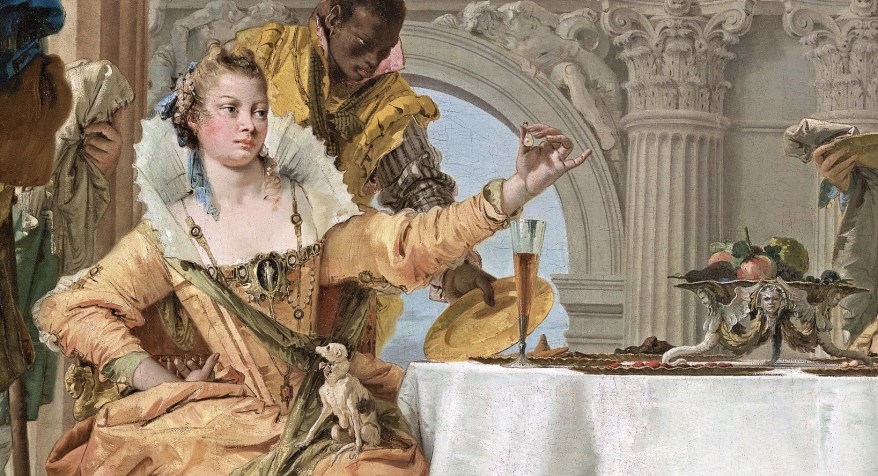
🇮🇹 Il dipinto che vi propongo è pura teatralità, lusso e strategia. Cleopatra scommette con Marco Antonio di poter offrire il banchetto più sontuoso della storia e per vincere compie un gesto folle… 🇬🇧 The painting I propose is pure theatricality, luxury, and strategy. Cleopatra bets Mark Antony that she can offer the most sumptuous…
-
Il mio primo soggiorno a Bologna e l’incontro con Giovan Francesco Aldrovandi
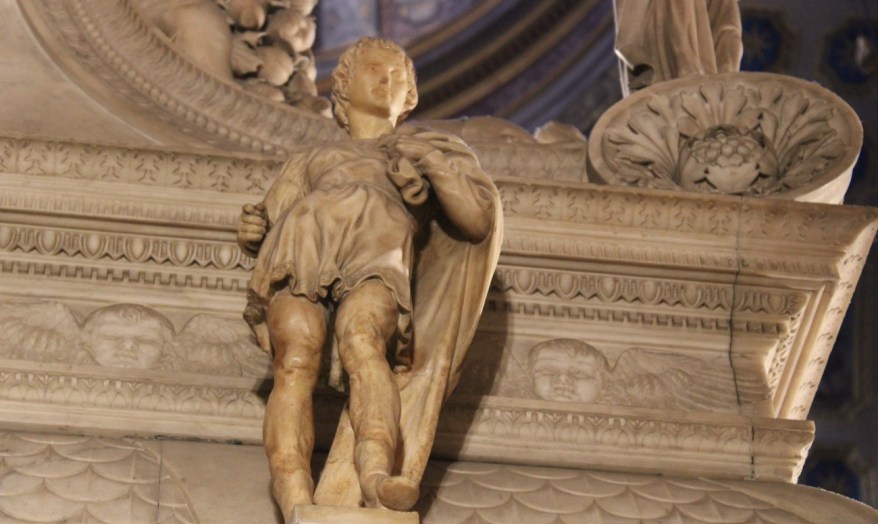
🇮🇹Fuggii da Firenze a soli 19 anni. Senza certezze, senza protezioni. Solo con il mio talento. A Bologna trovai rifugio nella casa di Giovan Francesco Aldrovandi… 🇬🇧I fled Florence at just 19. Without certainties, without protection. Only with my talent. In Bologna, I found refuge in the home of Giovan Francesco Aldrovandi…
-
11 aprile 1514: muore Donato Bramante, il genio della scala elicoidale
🇮🇹Era l’11 aprile 1514 quando Donato Bramante morì a Roma. La sua scomparsa non cancellò però le tensioni, le rivalità e i giudizi contrastanti che avevano accompagnato tutta la sua carriera… 🇬🇧It was April 11, 1514, when Donato Bramante died in Rome. His passing, however, did not erase the tensions, rivalries, and conflicting opinions that…
Condividi:


Questo sono io





sostienici

Sostienici – Support Us
Se questo blog ti piace e ti appassiona, puoi aiutarci a farlo crescere sempre più sostenendoci in modo concreto condividendo i post, seguendo le pagine social e con un contributo che ci aiuta ad andare avanti con il nostro lavoro di divulgazione. . ENGLISH: If you like and are passionate about this blog, you can help us make it grow more and more by supporting us in a concrete way by sharing posts, following social pages and with a contribution that helps us to move forward with our dissemination work.
€10,00


