
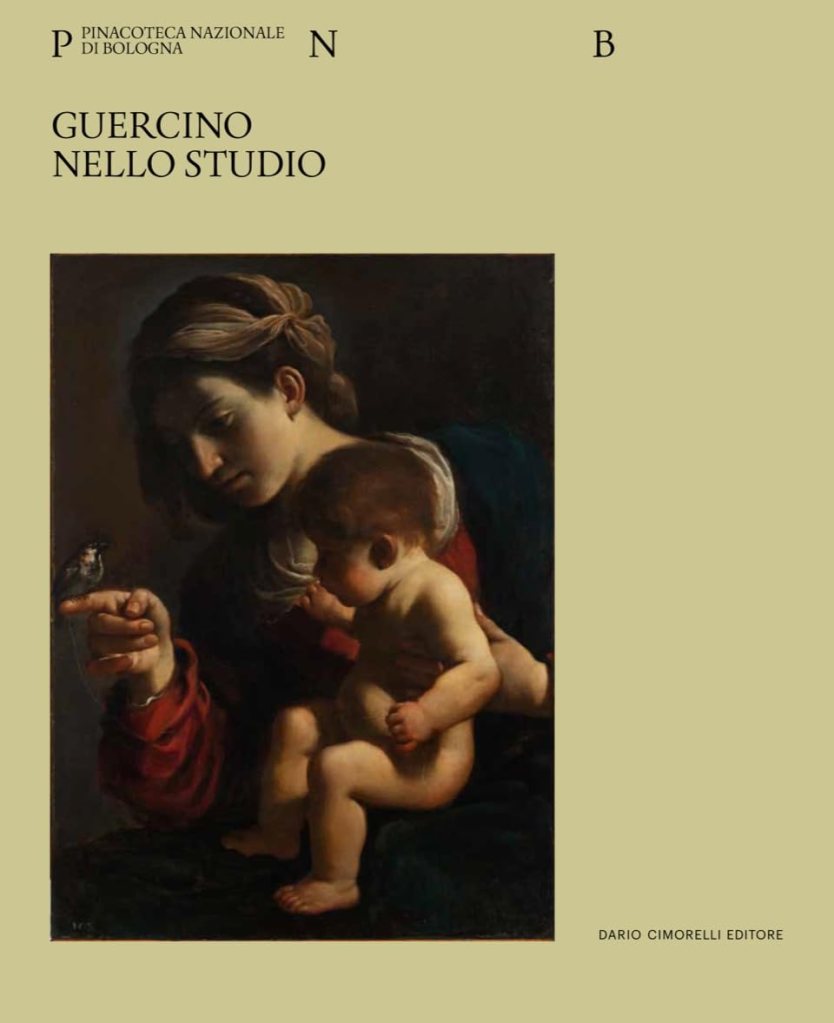
8 febbraio 1591: nasce il Guercino
Era l’8 febbraio del 1591 quando venne alla luce a Cento Giovanni Francesco Barbieri, meglio conosciuto come il Guercino, “Gran disegnatore e felicissimo coloritore“ come lo definì Ludovico Caracci.
Il soprannome con il quale divenne celebre nel mondo deriva dalla forma di strabismo da cui era affetto.
Stando a quanto raccontato dal Malvasia, fu un precoce talento tanto che avrebbe dipinto sulla facciata di casa propria a soli otto anni una Madonna che ancora esisteva nel 1808, citata dal Calvi.

Un momento fondamentale per la sua formazione fu il suo soggiorno a Venezia del 1618. Ebbe modo di studiare dal vero le opere dei grandi artisti del Cinquecento e rimase particolarmente affascinato dai dipinti di Tiziano.
Con il passare degli anni, Guercino divenne uno dei pittori più importanti del periodo barocco e con la sua prolifica produzione artistica ebbe un impatto duraturo nelle generazioni a seguire.

Fra le opere più celebri del Guercino vale la pena menzionare “Et in Arcadia ego” e “Aurora”, esempi che mettono in evidenza la sua straordinaria abilità nel catturare movenze esteriori e moti interiori dei soggetti raffigurati.
Il Guercino aveva l’abilità di riuscire a emozionare con i suoi giochi di luce e ombre affrontando i temi più diversi: dai temi sacri a rappresentazioni mitologiche e storiche.
Già nel 1617 era così noto e riconosciuto che la sua bottega era frequentata da ventitré allievi che addirittura arrivavano anche dalla Francia. Il Guercino amava insegnare e proprio in virtù di questo suo interesse, l’amico e protettore don Antonio Mirandola di Cento riuscì a convincerlo a scrivere un libro in cui illustrasse i principi del disegno.

Al momento è in corso alla Pinacoteca di Bologna la mostra “Guercino nello studio”di cui è stata prolungata l’apertura fino al 25 febbraio 2024.
Il percorso espositivo è focalizzato sulle più importanti opere pittoriche dell’artista custodite nel museo e sulle prime fasi dell‘attività produttiva, sulle ragioni che hanno portato al successo la propria bottega e sul rapporto del maestro con i collaboratori più fidati.
Per il momento il vostro Michelangelo Buonarroti vi saluta dandovi appuntamento ai prossimi post e sui social.

Sostienici – Support Us
Se questo blog ti piace e ti appassiona, puoi aiutarci a farlo crescere sempre più sostenendoci in modo concreto condividendo i post, seguendo le pagine social e con un contributo che ci aiuta ad andare avanti con il nostro lavoro di divulgazione. . ENGLISH: If you like and are passionate about this blog, you can help us make it grow more and more by supporting us in a concrete way by sharing posts, following social pages and with a contribution that helps us to move forward with our dissemination work.
10,00 €
8 February 1591: Guercino is born
It was February 8, 1591 when Giovanni Francesco Barbieri, better known as Guercino, “Great designer and very happy colourist” as Ludovico Caracci defined him, was born in Cento.
The nickname with which he became famous throughout the world derives from the form of strabismus from which he suffered. According to what Malvasia said, he was a young and precocious talent, so much so that he painted a Madonna on the facade of his house at just eight years old, which still existed in 1808, cited by Calvi.
A fundamental moment in his education was his stay in Venice in 1618. He had the opportunity to study the works of the great artists of the sixteenth century in real life and was particularly fascinated by Titian’s paintings.
As the years passed, Guercino became one of the most important painters of the Baroque period and with his prolific artistic production he had a lasting impact on generations to follow.
Among Guercino’s most famous works it is worth mentioning “Et in Arcadia ego” and “Aurora”, examples which highlight his extraordinary ability to capture the external and internal movements of the subjects depicted.
Guercino had the ability to excite with his play of light and shadow by tackling the most diverse themes: from sacred themes to mythological and historical representations.
Already in 1617 he was so well known and recognized that his workshop was frequented by twenty-three students who even came from France. Guercino loved teaching and precisely by virtue of this interest, his friend and protector Don Antonio Mirandola from Cento managed to convince him to write a book in which he illustrated the principles of drawing.
The exhibition itinerary focuses on the artist’s most important pictorial works kept in the museum and on the first phases of his production activity, on the reasons that led his workshop to success and on the master’s relationship with his most trusted collaborators.
For the moment, your Michelangelo Buonarroti greets you and will meet you in future posts and on social media.
Sostienici – Support Us
Se questo blog ti piace e ti appassiona, puoi aiutarci a farlo crescere sempre più sostenendoci in modo concreto condividendo i post, seguendo le pagine social e con un contributo che ci aiuta ad andare avanti con il nostro lavoro di divulgazione. . ENGLISH: If you like and are passionate about this blog, you can help us make it grow more and more by supporting us in a concrete way by sharing posts, following social pages and with a contribution that helps us to move forward with our dissemination work.
10,00 €
-
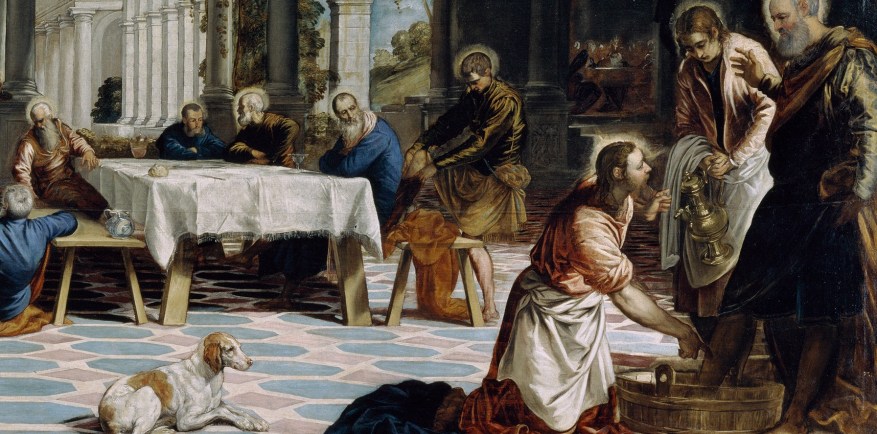
La Lavanda dei Piedi di Tintoretto: Il Capolavoro Veneziano al Prado
🇮🇹Tra i capolavori più affascinanti del Rinascimento veneziano, “La Lavanda dei Piedi” di Jacopo Tintoretto rappresenta un perfetto equilibrio tra spiritualità, innovazione compositiva e straordinaria forza narrativa… 🇬🇧Among the most fascinating masterpieces of the Venetian Renaissance, Jacopo Tintoretto’s “The Washing of the Feet” represents a perfect balance between spirituality, compositional innovation, and extraordinary narrative force…
-
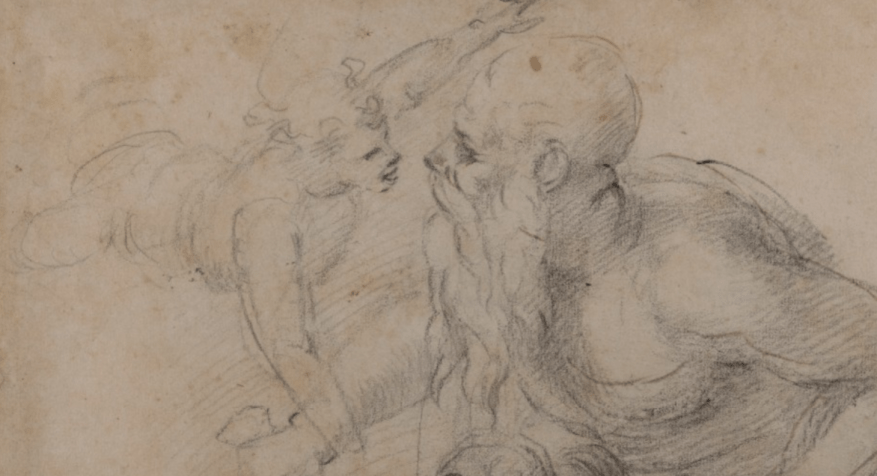
Il Sacrificio di Isacco e quel momento tra la vita e la morte
🇮🇹Oggi voglio raccontarvi alcuni dettagli sul mio disegno del Sacrificio di Isacco, conservato oggi a Casa Buonarroti. Su quel foglio volli tracciare il momento preciso in cui la paura fa spazio al miracolo… 🇬🇧Today I want to tell you some details about my drawing of the Sacrifice of Isaac, now preserved at Casa Buonarroti. On…
-
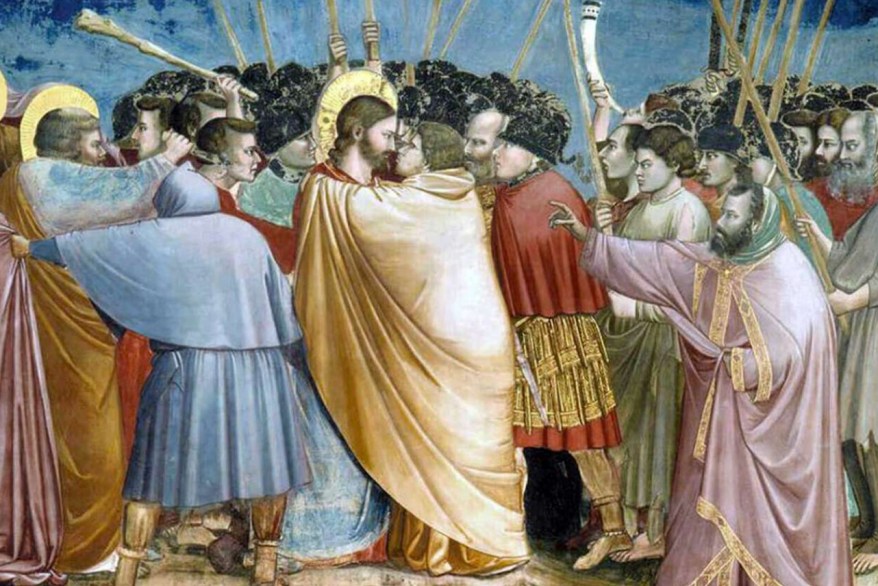
Mercoledì Santo: il giorno del tradimento di Giuda affrescato da Giotto
🇮🇹Il Mercoledì Santo è il giorno del silenzio, della riflessione e del tradimento. È il momento in cui Giuda sceglie di vendere Gesù per trenta denari, segnando uno dei passaggi più dolorosi della Settimana Santa…. 🇬🇧Holy Wednesday is a day of silence, reflection, and betrayal. ✝It is the moment when Judas chooses to sell Jesus…
Condividi:


Questo sono io





sostienici

Sostienici – Support Us
Se questo blog ti piace e ti appassiona, puoi aiutarci a farlo crescere sempre più sostenendoci in modo concreto condividendo i post, seguendo le pagine social e con un contributo che ci aiuta ad andare avanti con il nostro lavoro di divulgazione. . ENGLISH: If you like and are passionate about this blog, you can help us make it grow more and more by supporting us in a concrete way by sharing posts, following social pages and with a contribution that helps us to move forward with our dissemination work.
€10,00


