

3 Febbraio: il San Biagio che affrescai e poi mi stravolsero nel Giudizio Universale
Il 3 Febbraio la Chiesa Cattolica ricorda ricorda San Biagio. Anch’io volli renderlo protagonista aggiungendolo ai personaggi affrescato nel Giudizio Universale ma qualche ben pensante fece stravolgere la sua posa al mio caro amico Daniele da Volterra.
San Biagio un medico di origini armene e visse fra il III e il IV secolo. La sua colpa che lo condusse al martirio fu quella di aver creduto in Dio.

Non rinnegò mai la sua fede nonostante le torture subite con i pettini adoperati per cardare la lana e alla fine fu pure decapitato.
A san Biagio Santo dedicai una porzione di affresco nel Giudizio Universale che, nel corso degli anni, fu oggetto di una censura irreversibile.
Non ho capito perché certi alti prelati vedano lo scandalo ovunque o forse sì, già che ognuno si eleva a giudice adoperando il proprio metro di giudizio.
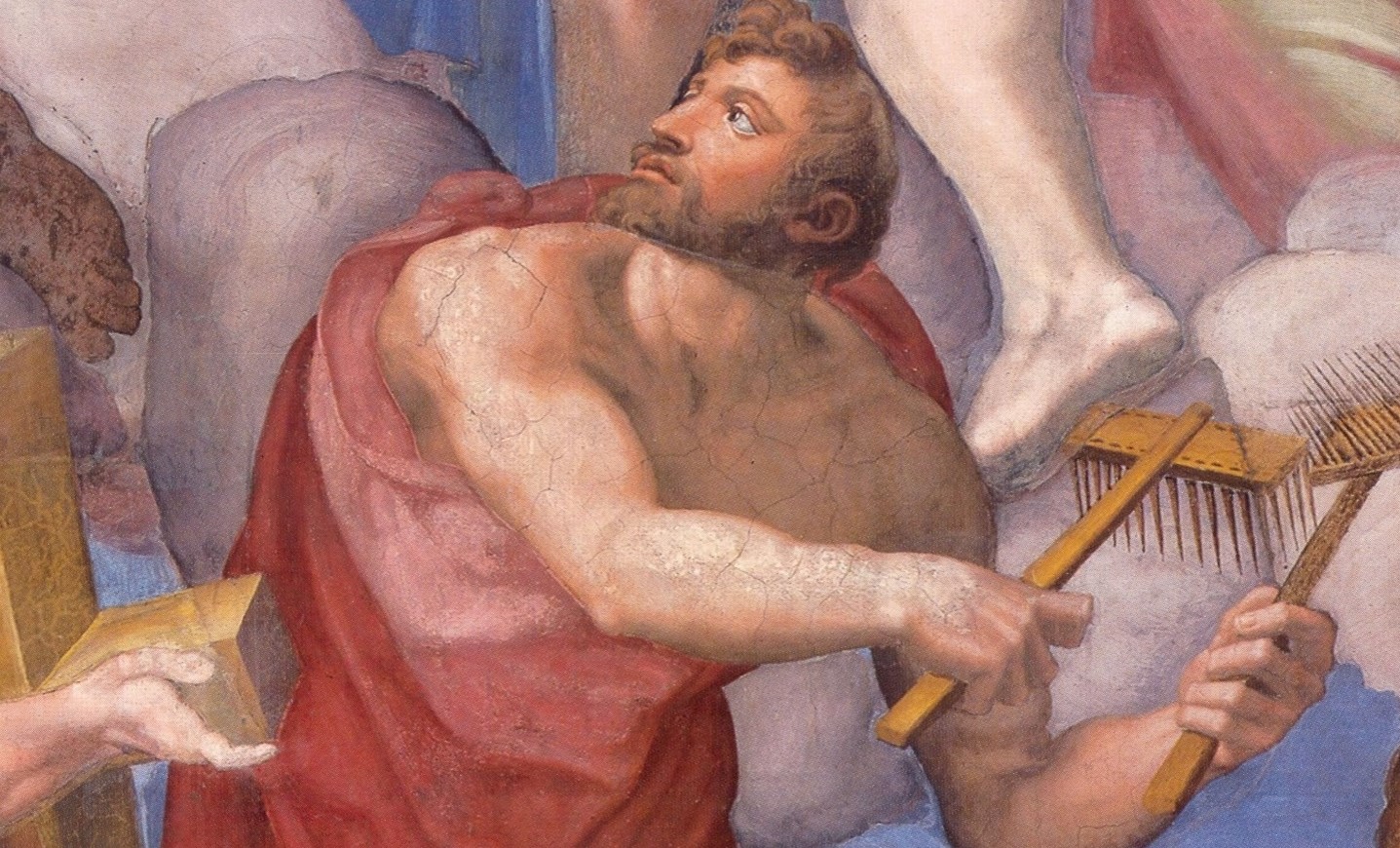
Daniele da Volterra, come sapete, fu incaricato di coprire le chiappe e i sessi che io avevo preferito non celare in panneggi azzardati. San Biagio e Santa Caterina però ebbero sorte ben peggiore. I mal pensanti avevano interpretato le loro posizioni come un qualcosa che potesse ricordare la copula e Daniele dovette scalpellare via le due figure conservando ben poco di quello che io affrescai.

Successivamente iniziò a realizzare a buon fresco la nuova testa di San Biagio e le vesti dei due Santi. Si può avere un’idea abbastanza precisa dell’aspetto originale di questa porzione di affresco grazie alla copia del Giudizio Universale che realizzò Marcello Venusti.
“Per meglio fare le persone ridere, l’ha fatta chinare dinanzi a San Biagio con atto poco onesto, il quale, standole sopra coi pettini, par che gli minacci che stia fissa, et ella si rivolta a lui in guisa che dice -che farai?- o simil cosa” scrisse Gilio a papa Carafa, facendo riferimento proprio al gruppo di San Biagio e Santa Caterina.

Il sempre vostro Michelangelo Buonarroti per il momento vi saluta dandovi appuntamento ai prossimi post e sui social.

February 3: the San Biagio that I frescoed and then turned upside down in the Last Judgment
On February 3, the Catholic Church remembers San Biagio. I also wanted to make him the protagonist by adding him to the characters frescoed in the Last Judgment but some right-thinking person made my dear friend Daniele da Volterra change his pose.
San Biagio was a doctor of Armenian origins and lived between the 3rd and 4th centuries. His fault that led him to martyrdom was that of having believed in God.
He never denied his faith despite the torture he suffered with the combs used to card wool and in the end he was even beheaded.
I dedicated a portion of the fresco in the Last Judgment to Saint Biagio Santo which, over the years, was the subject of irreversible censorship.
I didn’t understand why certain high prelates see the scandal everywhere or perhaps yes, since everyone elevates themselves to judge using their own yardstick.
Daniele da Volterra, as you know, was responsible for covering the buttocks and the sexes that I had preferred not to hide in risky draperies. However, San Biagio and Santa Caterina had a much worse fate. The wrong-thinking people had interpreted their positions as something that could recall copulation and Daniele had to chisel away the two figures, preserving very little of what I frescoed.
Subsequently he began to make the new head of Saint Blaise and the robes of the two saints freshly. You can have a fairly precise idea of the original appearance of this portion of the fresco thanks to the copy of the Last Judgment created by Marcello Venusti.
“To better make people laugh, he made her bend over in front of San Biagio with an act that was not very honest, who, standing over her with combs, seems to threaten him with being stared at, and she turns to him in a way that says -that will you do? – or something similar” wrote Gilio to Pope Carafa, referring precisely to the group of San Biagio and Santa Caterina.
Your always Michelangelo Buonarroti greets you for the moment and will meet you in the next posts and on social media.

Sostienici – Support Us
Se questo blog ti piace e ti appassiona, puoi aiutarci a farlo crescere sempre più sostenendoci in modo concreto condividendo i post, seguendo le pagine social e con un contributo che ci aiuta ad andare avanti con il nostro lavoro di divulgazione. . ENGLISH: If you like and are passionate about this blog, you can help us make it grow more and more by supporting us in a concrete way by sharing posts, following social pages and with a contribution that helps us to move forward with our dissemination work.
8,00 €
-

Van Dyck a Genova: la mostra che emoziona tra luce, mirabili dettagli e sguardi indimenticabili
🇮🇹Ho avuto modo di visitare la mostra “Van Dyck l’Europeo” a Genova: un viaggio emozionante tra Anversa, Genova e Londra attraverso dettagli, sguardi e capolavori senza tempo… 🇬🇧I had the opportunity to visit the exhibition “Van Dyck the European” in Genoa: an exciting journey between Antwerp, Genoa, and London through details, glances, and timeless masterpieces…
-
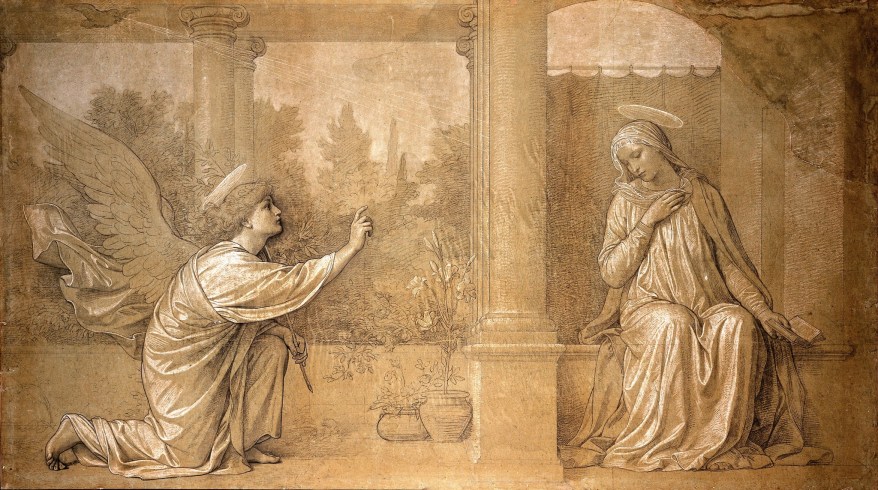
Quando il Capodanno cadeva il 25 marzo: l’Annunciazione di Alessandro Franchi
🇮🇹Il 25 marzo si celebra l’Annunciazione che per secoli, a Firenze e nel resto della Toscana, segnava l’inizio del nuovo anno. Tra le opere più suggestive che raffigurano l’Annunciazione, vi propongo il cartone realizzato da Alessandro Franchi intorno al 1884… 🇬🇧March 25th marks the celebration of the Annunciation, which for centuries marked the beginning of…
-
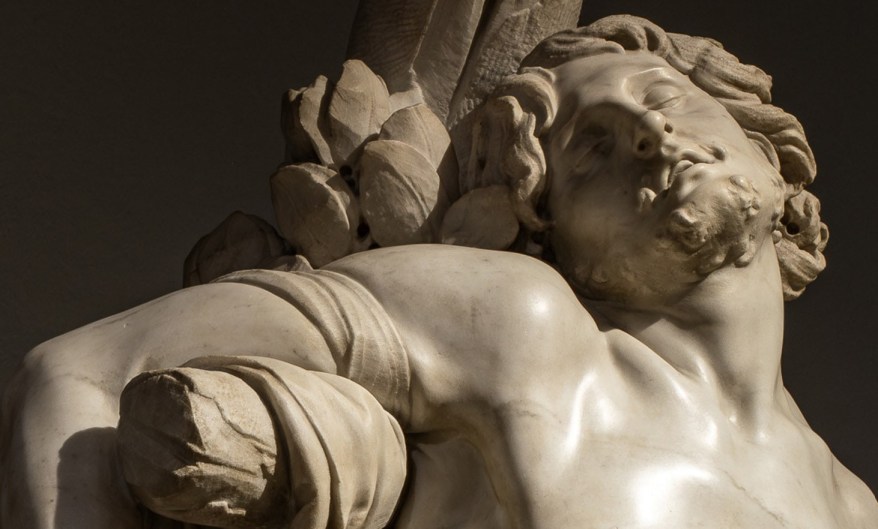
San Sebastiano del Bernini: il marmo che respira tra vita e morte
🇮🇹 Il San Sebastiano di Gian Lorenzo Bernini è un’opera che cattura l’attimo tra vita e morte: meno martirio, più emozione pura. Voluto da Maffeo Barberini, è uno dei capolavori giovanili più intensi del Barocco… 🇬🇧 Gian Lorenzo Bernini’s Saint Sebastian is a work that captures the moment between life and death: less martyrdom, more…
Condividi:


Questo sono io





sostienici

Sostienici – Support Us
Se questo blog ti piace e ti appassiona, puoi aiutarci a farlo crescere sempre più sostenendoci in modo concreto condividendo i post, seguendo le pagine social e con un contributo che ci aiuta ad andare avanti con il nostro lavoro di divulgazione. . ENGLISH: If you like and are passionate about this blog, you can help us make it grow more and more by supporting us in a concrete way by sharing posts, following social pages and with a contribution that helps us to move forward with our dissemination work.
€10,00


