

Il vecchio con la ghirlanda d’edera
Fra le figure più belle e suggestive del cartone preparatorio della Battaglia di Cascina, c’era un vecchio soldato che si distingueva da tutti gli altri per il suo capo ornato con una ghirlanda d’edera.
Non una ghirlanda d’alloro simbolo di gloria e saggezza ma per l’appunto d’edera, intrecciata in modo tale da fargli ombra in quella giornata di insopportabile calura.

“eravi fra l’altre figure un vecchio, che aveva in testa per farsi ombra una grillanda di ellera, il quale, postosi a sedere per mettersi le calze, e non potevano entrargli per avere le gambe umide dall’acqua, e sentendo il tumulto de’ soldati e le grida et i romori de’ tamburini, affrettando tirava per forza una calza; et otra che tutti i muscoli e nervi della figura si vedevano, faceva uno storcimento di bocca per il quale dimostrava assai quanto e’ pativa e che egli si adoperava fin dalle punte de’ piedi“
Così scrisse in merito il Vasari nelle Vite.

Si vede bene nella copia realizzata dal Sangallo quel vecchio, seduto su un cippo in primo piano a destra e si vede in modo ancora più particolareggiato nella copia del pittore di Colonia Jacob Binck.
Lui non ebbe modo di vedere il mio cartone di persona ma copiò i disegni del Raimondi che ne riportavano alcuni dettagli proprio come quello del soldato con la ghirlanda d’edera.
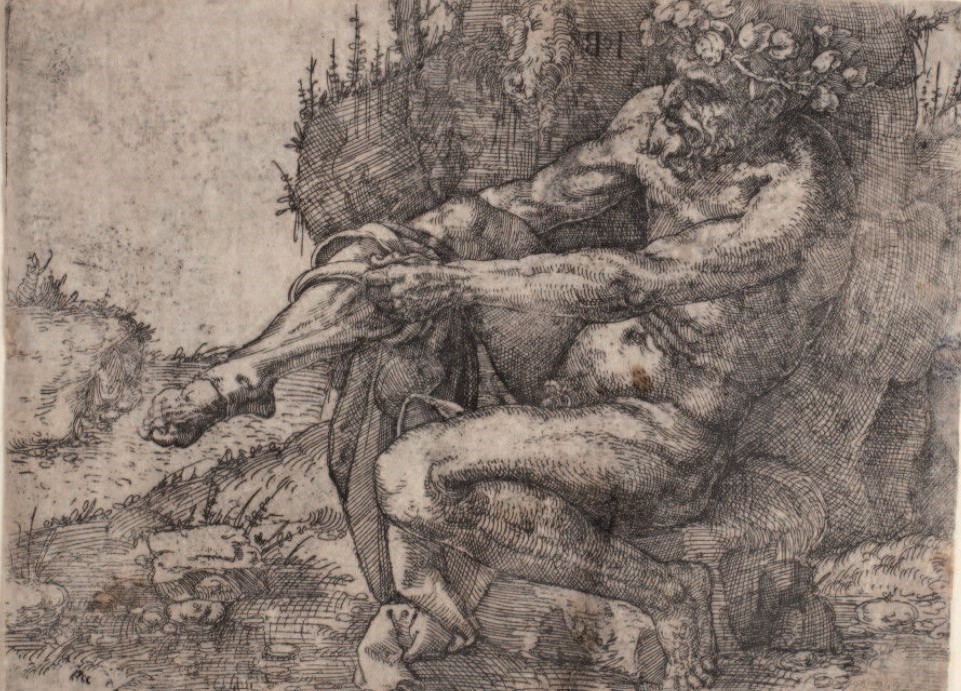
Lo sventurato soldato che aveva cercato con i suoi compagni refrigerio nelle acque in quel 28 luglio del 1364, fu sorpreso dal grido improvviso di Manno Donati, uno dei combattenti più in vista. “Siamo perduti!” urlò mentre vedeva avvicinarsi le truppe pisane.
I soldati saltarono fuori dall’acqua e iniziarono a vestirsi ancora bagnati con tutte le difficoltà che può comportare mettersi qualcosa sopra la pelle ancora bagnata.
Per il momento il vostro Michelangelo Buonarroti vi saluta dandovi appuntamento ai prossimi post e sui social.
The old man with the ivy wreath
Among the most beautiful and evocative figures of the preparatory cartoon of the Battle of Cascina, there was an old soldier who stood out from all the others for his head adorned with a garland of ivy.
Not a laurel wreath symbolizing glory and wisdom but rather ivy, woven in such a way as to provide shade on that unbearably hot day.
“among the other figures there was an old man, who had an ivy shroud on his head for shade, who, having sat down to put on his stockings, and they couldn’t get in because his legs were wet from the water, and hearing the tumult of the soldiers and the shouts and noises of the drummers, hurrying he pulled by force a sock; and besides that all the muscles and nerves of the figure were visible, he made a twist of his mouth which demonstrated how much he suffered and that he worked right from the tips of his feet.
This is what Vasari wrote about it in his Lives.
The old man, sitting on a stone in the foreground on the right, can be seen clearly in the copy made by Sangallo and can be seen in even more detail in the copy by the Cologne painter Jacob Binck.
He didn’t have the opportunity to see my cartoon in person but he copied Raimondi’s drawings which showed some details just like that of the soldier with the ivy garland.
The unfortunate soldier who had sought refreshment in the waters with his companions on that 28 July 1364, was surprised by the sudden cry of Manno Donati, one of the most prominent fighters. “We are lost!” he shouted as he saw the Pisan troops approaching.
The soldiers jumped out of the water and began to dress while still wet with all the difficulties that putting something on over still wet skin can entail.
For the moment, your Michelangelo Buonarroti greets you and will meet you in future posts and on social media.

Sostienici – Support Us
Se questo blog ti piace e ti appassiona, puoi aiutarci a farlo crescere sempre più sostenendoci in modo concreto condividendo i post, seguendo le pagine social e con un contributo che ci aiuta ad andare avanti con il nostro lavoro di divulgazione. . ENGLISH: If you like and are passionate about this blog, you can help us make it grow more and more by supporting us in a concrete way by sharing posts, following social pages and with a contribution that helps us to move forward with our dissemination work.
8,00 €
-
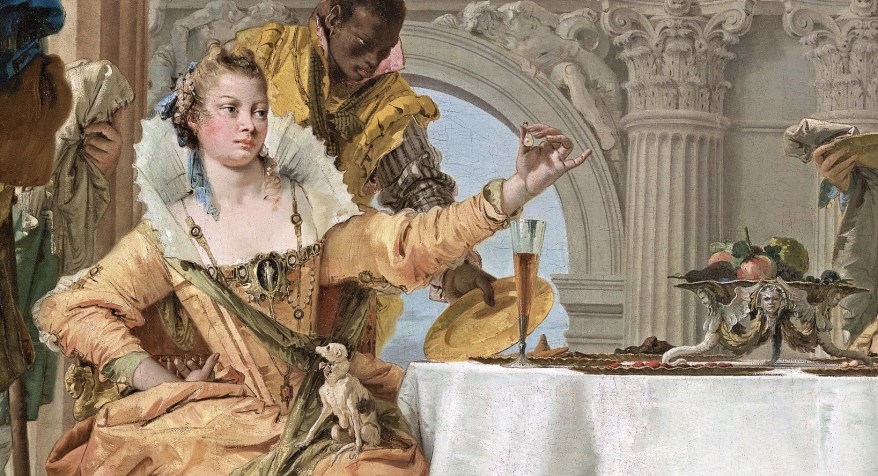
Quando Cleopatra umiliò Roma: il significato nascosto del celebre dipinto di Tiepolo
🇮🇹 Il dipinto che vi propongo è pura teatralità, lusso e strategia. Cleopatra scommette con Marco Antonio di poter offrire il banchetto più sontuoso della storia e per vincere compie un gesto folle… 🇬🇧 The painting I propose is pure theatricality, luxury, and strategy. Cleopatra bets Mark Antony that she can offer the most sumptuous…
-
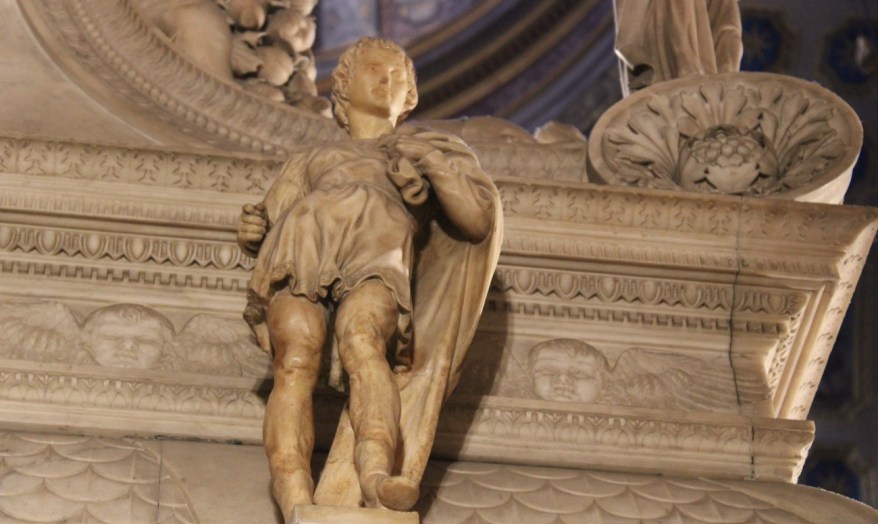
Il mio primo soggiorno a Bologna e l’incontro con Giovan Francesco Aldrovandi
🇮🇹Fuggii da Firenze a soli 19 anni. Senza certezze, senza protezioni. Solo con il mio talento. A Bologna trovai rifugio nella casa di Giovan Francesco Aldrovandi… 🇬🇧I fled Florence at just 19. Without certainties, without protection. Only with my talent. In Bologna, I found refuge in the home of Giovan Francesco Aldrovandi…
-
11 aprile 1514: muore Donato Bramante, il genio della scala elicoidale
🇮🇹Era l’11 aprile 1514 quando Donato Bramante morì a Roma. La sua scomparsa non cancellò però le tensioni, le rivalità e i giudizi contrastanti che avevano accompagnato tutta la sua carriera… 🇬🇧It was April 11, 1514, when Donato Bramante died in Rome. His passing, however, did not erase the tensions, rivalries, and conflicting opinions that…
Condividi:


Questo sono io





sostienici

Sostienici – Support Us
Se questo blog ti piace e ti appassiona, puoi aiutarci a farlo crescere sempre più sostenendoci in modo concreto condividendo i post, seguendo le pagine social e con un contributo che ci aiuta ad andare avanti con il nostro lavoro di divulgazione. . ENGLISH: If you like and are passionate about this blog, you can help us make it grow more and more by supporting us in a concrete way by sharing posts, following social pages and with a contribution that helps us to move forward with our dissemination work.
€10,00


🥰
"Mi piace""Mi piace"