
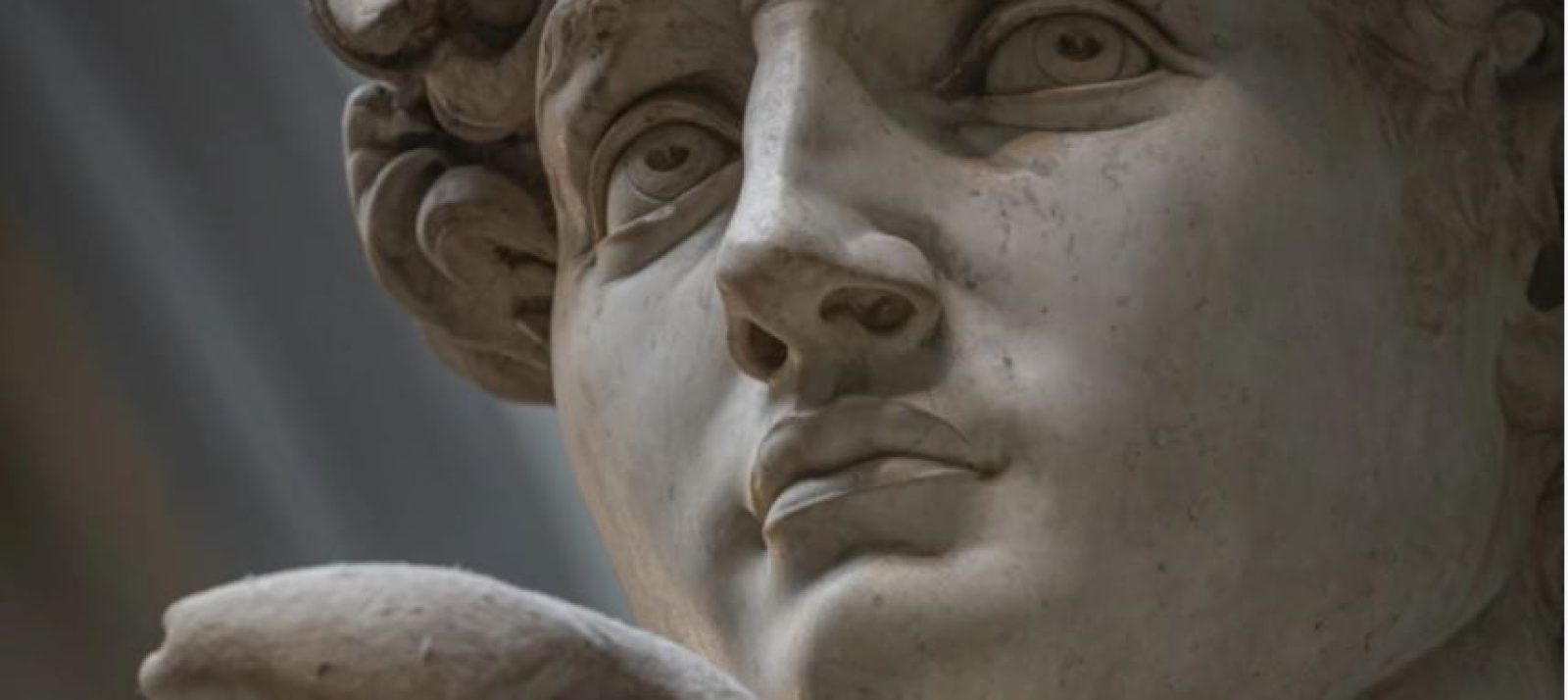
20 gennaio: San Sebastiano martire e le sue raffigurazioni nel mondo dell’arte
Oggi 20 gennaio la chiesa cattolica ricorda San Sebastiano Martire, il militare romano martirizzato per aver professato la fede cristiana.
Visse al tempo di Diocleziano e tanto era abile alle armi che divenne in giovane età il comandante della prima corte della prima legione a difesa proprio dell’imperatore.

Nell’iconografia tradizionale San Sebastiano viene raffigurato a busto nudo con le frecce che gli trapassano il corpo.
Vediamo assieme come è stato rappresentato San Sebastiano Martire nel corso dei secoli da alcuni dei più celebri artisti.
Il mio San Sebastiano nel Giudizio Universale
Il primo San Sebastiano che vi propongo è il mio che affrescai nella Cappella Sistina mentre stringe nella mano sinistra cinque frecce con la punta rivolta verso l’alto.

E’ inginocchiato sopra una nuvola e volge lo sguardo verso il basso. Il volto appare fiero ma è velato da un’espressione malinconica e pensierosa, in netto contrasto con il corpo atletico.

Il San Sebastiano del Bernini
La scultura fu acquistata o commissionata direttamente dal cardinale Maffeo Barberini, divenuto papa poi nel 1623 come Urbano VIII. Fu pagata 50 scudi il 29 dicembre del 1617 e non è da escludere fosse destinata alla cappella privata dedicata a San Sebastiano ubicata nella Chiesa di Sant’Andrea della Valle, a Roma.
Il corpo del Santo è completamente abbandonato e assume una posa languida e le sue fattezze così come la posa ricordano quella del Cristo che scolpii per la Pietà Vaticana. L’opera è custodita presso il museo Thyssen Boremiza di Madrid.

Il San Sebastiano del Bronzino
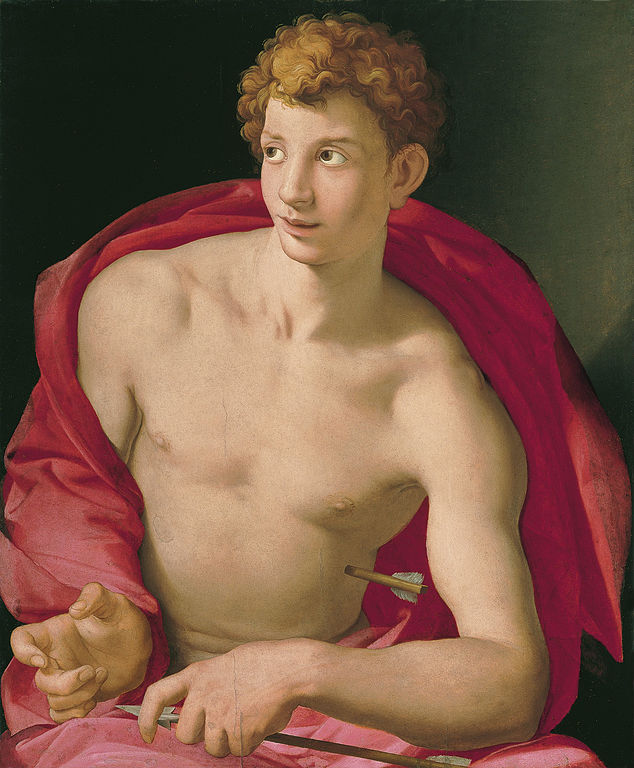
Bronzino dipinse a olio su tavola San Sebastiano attorno al 1533. Lo volle rappresentare come un adolescente con il torso nudo, avvolto in un panneggio rosso.
Stringe nella mano sinistra una freccia mentre una già ha trafitto il costato. Il busto è rivolto verso lo spettatore mentre il volto del Santo guarda verso sinistra.
Il San Sebastiano di Mantegna
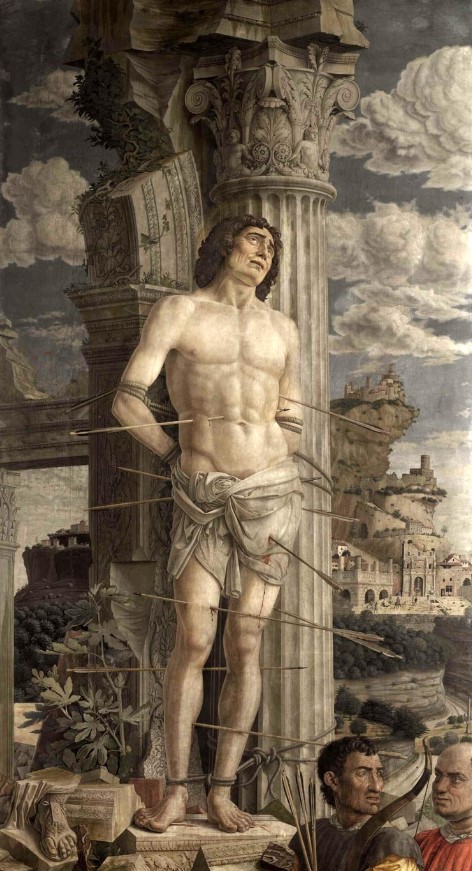
Il Mantegna dipinse a tempera su tavola un San Sebastiano attorno al 1481, opera oggi custodita presso il Museo del Louvre.
Il Santo è coperto solo dal panneggio all’altezza del pube ed è trafitto dalle frecce del martirio. Ha mani e braccia legate alla colona alle sue spalle che fa parte di un’architetttura all’antica oramai in rovina.
Se aguzzate a vista, ai suoi piedi vedrete reperti antichi, gli stessi che Mantegna amava dipingere e soprattutto collezionare.
Per il momento il vostro Michelangelo Buonarroti vi saluta dandovi appuntamento ai prossimi post e sui social.
January 20: Saint Sebastian the martyr and his depictions in the world of art
Today, January 20, the Catholic Church remembers Saint Sebastian the Martyr, the Roman soldier martyred for professing the Christian faith.
He lived in the time of Diocletian and was so skilled at weapons that at a young age he became the commander of the first court of the first legion in defense of the emperor.
In traditional iconography, Saint Sebastian is depicted bare-chested with arrows piercing his body.
Let’s see together how San Sebastiano Martire has been represented over the centuries by some of the most famous artists.
My Saint Sebastian in the Last Judgment
The first Saint Sebastian that I propose to you is mine that I frescoed in the Sistine Chapel while he holds five arrows in his left hand with the tip pointing upwards.
He is kneeling on a cloud and looking downwards. His face appears proud but is veiled by a melancholy and thoughtful expression, in stark contrast to his athletic body.
Bernini’s Saint Sebastian
The sculpture was purchased or commissioned directly by Cardinal Maffeo Barberini, who later became pope in 1623 as Urban VIII. It was paid 50 scudi on 29 December 1617 and it cannot be ruled out that it was intended for the private chapel dedicated to San Sebastiano located in the Church of Sant’Andrea della Valle, in Rome.
The body of the Saint is completely abandoned and assumes a languid pose and his features as well as the pose recall that of the Christ that I sculpted for the Vatican Pietà. The work is kept at the Thyssen Boremiza museum in Madrid.
Bronzino’s Saint Sebastian
Bronzino painted Saint Sebastian in oil on panel around 1533. He wanted to represent him as an adolescent with a naked torso, wrapped in red drapery.
He holds an arrow in his left hand while one of his has already pierced his side. The bust faces the viewer while the Saint’s face looks to the left.
Mantegna’s San Sebastiano
Mantegna painted a Saint Sebastian in tempera on wood around 1481, a work now kept in the Louvre Museum.
The Saint is covered only by the drapery at the height of the pubis and is pierced by the arrows of martyrdom. He has his hands and arms tied to the column behind him which is part of an old-fashioned architecture now in ruins.
If you look carefully, at his feet you will see ancient artefacts, the same ones that Mantegna loved to paint and above all collect.
For the moment, your Michelangelo Buonarroti greets you and will meet you in future posts and on social media.

Sostienici – Support Us
Se questo blog ti piace e ti appassiona, puoi aiutarci a farlo crescere sempre più sostenendoci in modo concreto condividendo i post, seguendo le pagine social e con un contributo che ci aiuta ad andare avanti con il nostro lavoro di divulgazione. . ENGLISH: If you like and are passionate about this blog, you can help us make it grow more and more by supporting us in a concrete way by sharing posts, following social pages and with a contribution that helps us to move forward with our dissemination work.
8,00 €
-
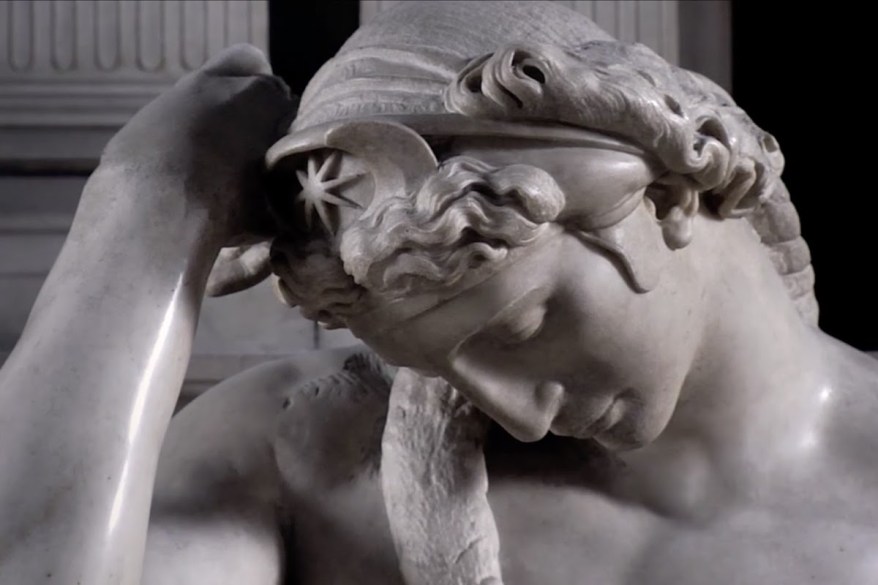
Il Giorno e la Notte: eterni nel loro alternarsi
🇮🇹Il marmo respira? No, ma è capace di trattenere il fiato fissando nell’eternità momenti che altrimenti si perderebbero per sempre… 🇬🇧Does marble breathe? No, but it is capable of holding its breath, capturing in eternity moments that would otherwise be lost forever…
-
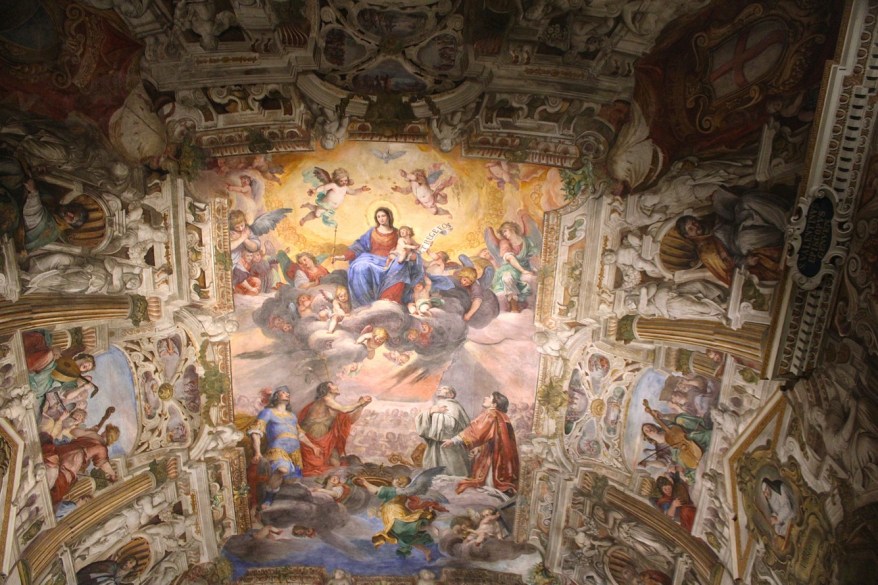
Cappella del Doge a Genova: il capolavoro barocco che racconta la potenza della Superba
🇮🇹Nel cuore del Palazzo Ducale, tra gli ambienti più rappresentativi dell’Appartamento del Doge, si cela uno dei gioielli artistici più sorprendenti della città: la Cappella del Doge… 🇬🇧In the heart of the Doge’s Palace, among the most representative rooms of the Doge’s Apartment, lies one of the most surprising artistic jewels of the city: the…
-
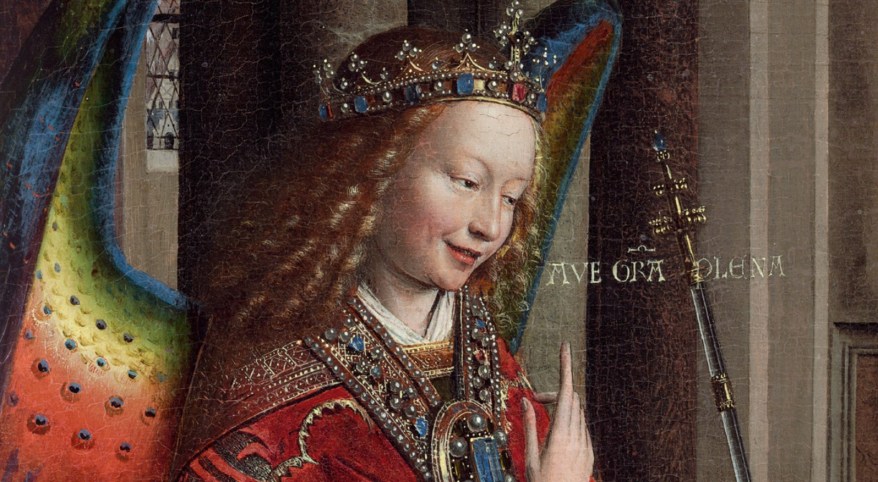
25 marzo: l’Annunciazione di Jan van Eyck, capolavoro fiammingo
🇮🇹Nel giorno del 25 marzo, tradizionalmente legato al mistero dell’Annunciazione, lo sguardo si posa su uno dei capolavori più raffinati della pittura nordica: l’Annunciazione di Jan van Eyck… 🇬🇧On March 25, traditionally linked to the mystery of the Annunciation, our gaze falls on one of the finest masterpieces of Northern European painting: The Annunciation by…
Condividi:


Questo sono io





sostienici

Sostienici – Support Us
Se questo blog ti piace e ti appassiona, puoi aiutarci a farlo crescere sempre più sostenendoci in modo concreto condividendo i post, seguendo le pagine social e con un contributo che ci aiuta ad andare avanti con il nostro lavoro di divulgazione. . ENGLISH: If you like and are passionate about this blog, you can help us make it grow more and more by supporting us in a concrete way by sharing posts, following social pages and with a contribution that helps us to move forward with our dissemination work.
€10,00


