

Le teste divine
Sicuramente vi sarà capitato di sentir parlare di teste divine facendo riferimento a qualche disegno mio.
Ebbene, sapete chi coniò quella dicitura e per quali opere?
Sono un gruppo di disegni da me realizzati in momenti diversi che ritraggono teste sia femminili che maschili particolarmente ricche di dettagli.
Talune sono più fantasiose delle altre e hanno acconciature stravaganti che spesso ricorrono nei disegni quattrocenteschi di altri artisti come il Verrocchio e il Botticelli, giusto per citarne un paio dei più celebri.

Fu il Vasari per primo a definire teste divine il gruppo di tre disegni che avevo regalato a “Gherardo Perini gentiluomo fiorentino suo amicissimo, in tre carte alcune teste di matita nera divine le quali sono dopo la morte di lui venute in mano dello illustrissimo don Francesco principe di Fiorenza che le tiene per gioie come le sono”
Il Vasari definì il Perini un gentiluomo ma di gentile non aveva proprio nulla quello lì. Me ne resi conto a mie spese: ingrato e pure ladro!

Fra i tre disegni che regalai al Perini c’era anche l’Anima Dannata che grida tutta la rabbia mischiata al dolore bruciante che gli sfigura il volto trasformandolo in una maschera angosciante.
Il disegno oggi appartiene al Gabinetto dei Disegni e delle stampe della Galleria degli Uffizi, inventariato con il numero 601. Ve ne ho parlato nel dettaglio QUA.
Per il momento il vostro michelangelo Buonarroti vi saluta dandovi appuntamento ai prossimi post e sui social.
The divine heads
Surely you have heard of divine heads referring to some of my drawings.
Well, do you know who coined that term and for which designs? They are a group of drawings made by me at different times which portray both female and male heads that are particularly rich in detail. Some are more imaginative than others and have extravagant hairstyles that recur in the fifteenth-century drawings of other artists such as Verrocchio and Botticelli, just to name a couple of the most famous.
Vasari was the first to define as divine heads the group of three drawings that I had given to “Gherardo Perini, a Florentine gentleman who was his very friend, in three pages some divine heads in black pencil which after his death came into the hands of the most illustrious Don Francesco prince of Fiorenza who holds them for joys as they are”
Vasari defined Perini as a gentleman but there was nothing gentle about him at all. I realized this the hard way: ungrateful and even a thief!
Among the three drawings that I gave to Perini there was also the Damned Soul who shouts out all the anger mixed with the burning pain that disfigures his face, transforming it into a distressing mask.
The drawing today belongs to the Cabinet of Drawings and Prints of the Uffizi Gallery, inventoried under number 601. I told you about it in detail HERE.
For the moment, your Michelangelo Buonarroti greets you and will meet you in future posts and on social media.

Sostienici – Support Us
Se questo blog ti piace e ti appassiona, puoi aiutarci a farlo crescere sempre più sostenendoci in modo concreto condividendo i post, seguendo le pagine social e con un contributo che ci aiuta ad andare avanti con il nostro lavoro di divulgazione. . ENGLISH: If you like and are passionate about this blog, you can help us make it grow more and more by supporting us in a concrete way by sharing posts, following social pages and with a contribution that helps us to move forward with our dissemination work.
8,00 €
-
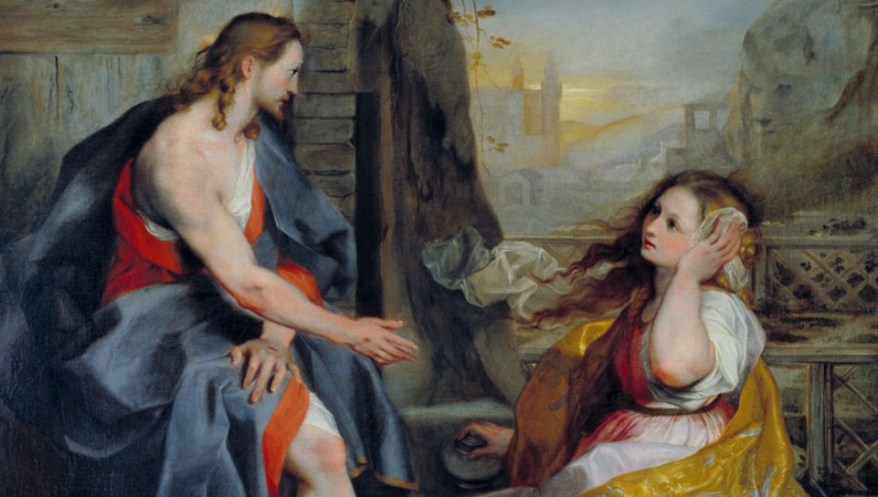
Noli me tangere di Federico Barocci: il capolavoro agli Uffizi che racconta l’incontro più emozionante dopo la Resurrezione
🇮🇹Nel Noli me tangere di Federico Barocci Maria Maddalena riconosce Cristo risorto e prova a toccarlo. Ma lui la ferma… 🇬🇧In Federico Barocci’s Noli Me Tangere, Mary Magdalene recognizes the risen Christ and tries to touch him. But he stops her…
-
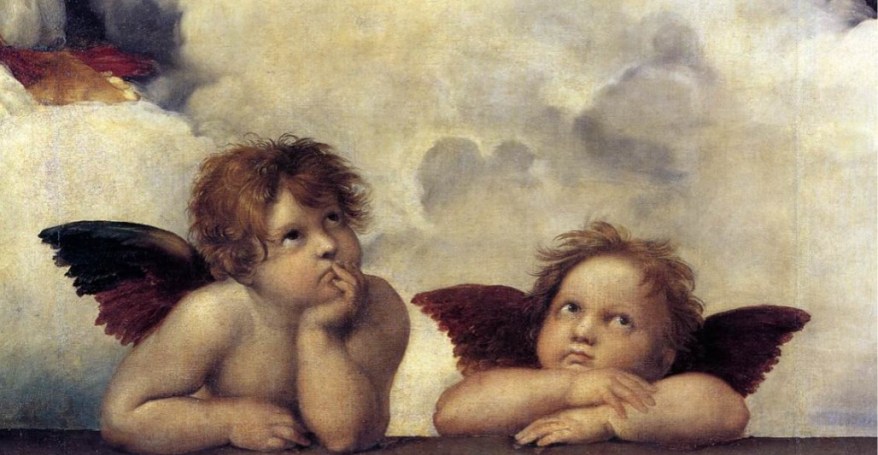
6 aprile 1520: la morte di Raffaello Sanzio e la nascita di un mito immortale
🇮🇹“Qui giace Raffaello: da lui, quando visse, la natura temette d’essere vinta, ora che egli è morto, teme di morire”. Il 6 aprile 1520 Raffaello morì a soli 37 anni… 🇬🇧“Here lies Raphael: when he lived, nature feared to be conquered by him, now that he is dead, she fears to die.” On April 6,…
-
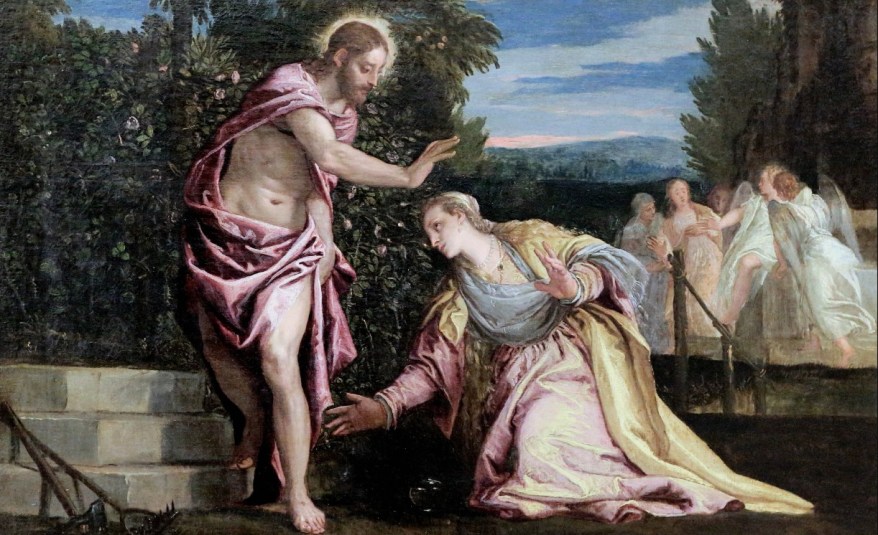
Pasquetta, tra spiritualità e arte: il significato del Lunedì dell’Angelo e i capolavori del “Noli me tangere”
🇮🇹Il Lunedì dell’Angelo racchiude uno dei momenti più intensi del Vangelo: l’incontro tra Gesù risorto e Maria Maddalena, raccontato nel celebre “Noli me tangere”. Un episodio che nei secoli ha ispirato artisti straordinari, dando vita a opere cariche di emozione, spiritualità e bellezza. .. 🇬🇧Easter Monday encompasses one of the most intense moments in the…
Condividi:


Questo sono io





sostienici

Sostienici – Support Us
Se questo blog ti piace e ti appassiona, puoi aiutarci a farlo crescere sempre più sostenendoci in modo concreto condividendo i post, seguendo le pagine social e con un contributo che ci aiuta ad andare avanti con il nostro lavoro di divulgazione. . ENGLISH: If you like and are passionate about this blog, you can help us make it grow more and more by supporting us in a concrete way by sharing posts, following social pages and with a contribution that helps us to move forward with our dissemination work.
€10,00


