
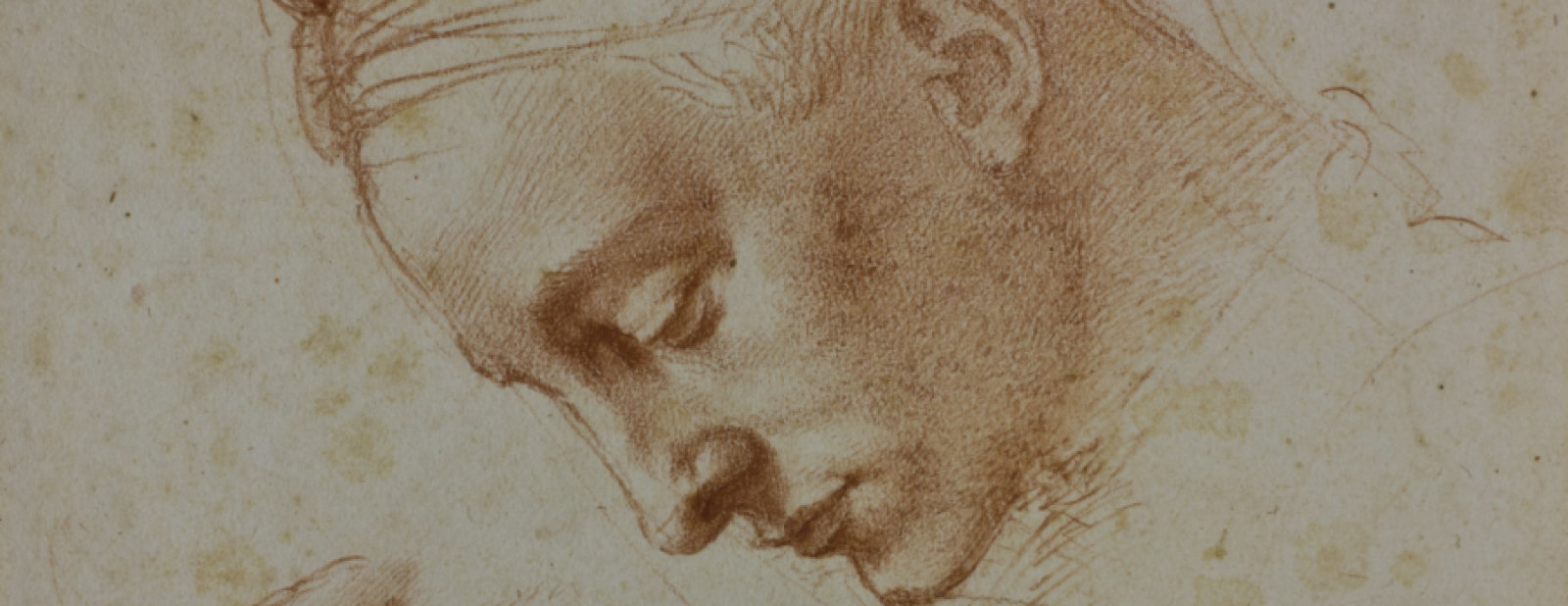
Biblioteca Medicea Laurenziana: le discussioni con il papa per l’orientamento delle finestre
Prima ancora di metter mano al progetto della Biblioteca Medicea Laurenziana, fu necessario decidere la sua collocazione all’interno del complesso di San Lorenzo, a Firenze.
Papa Clemente VII non si fece scrupoli nel comunicarmi la sua preferenza in merito. Lui avrebbe voluto fosse costruita perpendicolarmente alla disposizione attuale, verso la piazza.

Quella disposizione però presentava problematiche che non potevo trascurare. Infatti, disposta in quel modo, le finestre avrebbero peso la luce da Nord e da Sud con conseguenze importanti. Nel corso delle stagioni la sala di lettura sarebbe risultata eccessivamente fredda nel periodo invernale e troppo calda durante l’estate.
Preferendo invece un orientamento Est-Ovest, la Sala di Lettura avrebbe mantenuto nel corso dell’anno una temperatura più gradevole.
Non era una questione da poco in un momento in cui non avevo la possibilità di dotare di un camino quel luogo. Carta e fuoco non potevano andare d’accordo e la sala doveva essere riscaldata dal sole che penetrava dalle finestre e basta.
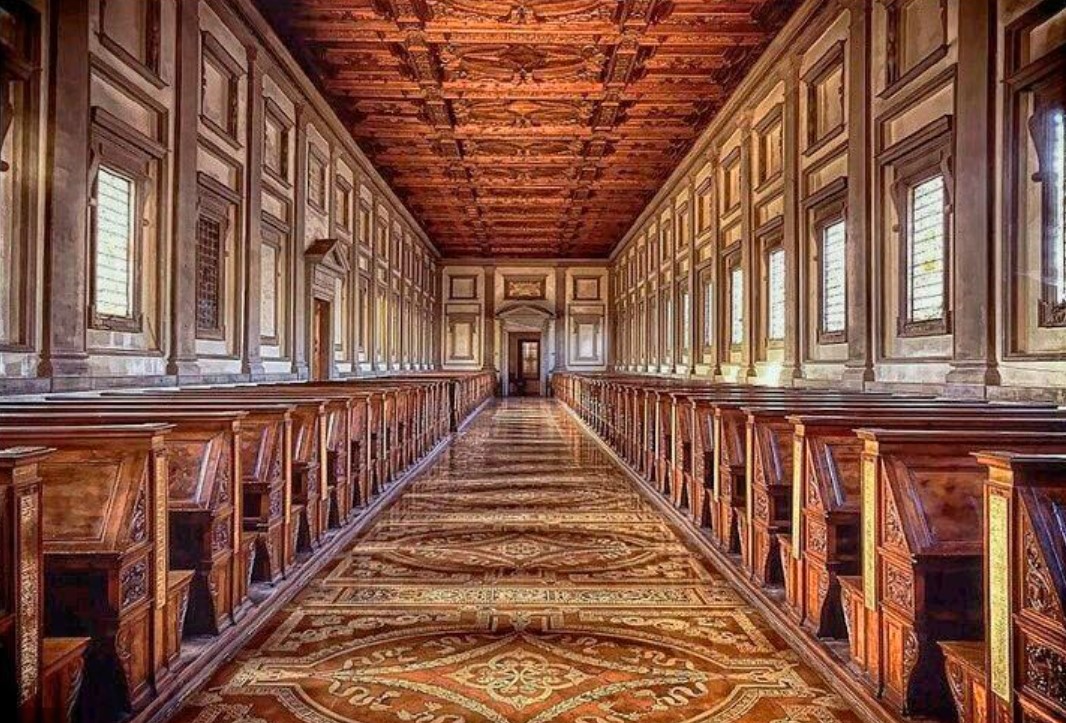
Sulla faccenda del posizionamento, il pontefice mi fece parecchia pressione ma siccome lui pagava ma ero io l’architetto, non ne volli sapere delle sue bizzarrie e feci a modo mio. Un altro artista si sarebbe arreso alle volontà di un committente così potente ma sapevo di avere ragione e non avevo intenzione di cedere a quei capricci.
Fu così che progettai la Biblioteca Medicea Laurenziana al di sopra delle camere della canonica attigue alla Sagrestia Vecchia progettata dal Brunelleschi con quei finestroni che si aprivano verso Ovest e verso Est.

Per il momento il vostro Michelangelo Buonarroti vi saluta dandovi appuntamento ai prossimi post e sui social.
Laurentian Library: discussions with the Pope regarding the orientation of the windows
Even before starting the project of the Laurentian Library, it was necessary to decide on its location within the San Lorenzo complex in Florence.
Pope Clement VII had no scruples in communicating his preference in this regard to me. He would have liked it to be built perpendicular to the current layout, towards the square.
However, that arrangement presented problems that I could not ignore. In fact, arranged in that way, the windows would absorb light from the North and South with important consequences. Over the seasons, the reading room would have been excessively cold in the winter and too hot during the summer.
By preferring instead an East-West orientation, the Reading Room would have maintained a more pleasant temperature throughout the year. It was no small matter at a time when I didn’t have the possibility of equipping that place with a fireplace. Paper and fire couldn’t go together and the room had to be heated by the sun coming in through the windows and that was it.
On the issue of positioning, the pontiff put a lot of pressure on me but since he paid but I was the architect, I didn’t want to hear about his eccentricities and did it my way. Another artist would have surrendered to the will of such a powerful client but I knew I was right and I had no intention of giving in to those whims.
So it was that I designed the Laurentian Library above the rooms of the rectory adjacent to the Old Sacristy designed by Brunelleschi with those large windows that opened towards the West and towards the East.
For the moment, your Michelangelo Buonarroti greets you and will meet you in future posts and on social media.

Sostienici – Support Us
Se questo blog ti piace e ti appassiona, puoi aiutarci a farlo crescere sempre più sostenendoci in modo concreto condividendo i post, seguendo le pagine social e con un contributo che ci aiuta ad andare avanti con il nostro lavoro di divulgazione. . ENGLISH: If you like and are passionate about this blog, you can help us make it grow more and more by supporting us in a concrete way by sharing posts, following social pages and with a contribution that helps us to move forward with our dissemination work.
8,00 €
-
Festival La Versiliana 2026: tra musica, teatro e grandi narrazioni
Dal 17 luglio al 23 agosto 2026, la pineta di Marina di Pietrasanta ospiterà la 47ª edizione del Festival La Versiliana. Una kermesse aperta a tutti nella quale linguaggi diversi dialogano tra loro in un equilibrio tra tradizione e contemporaneità.
-
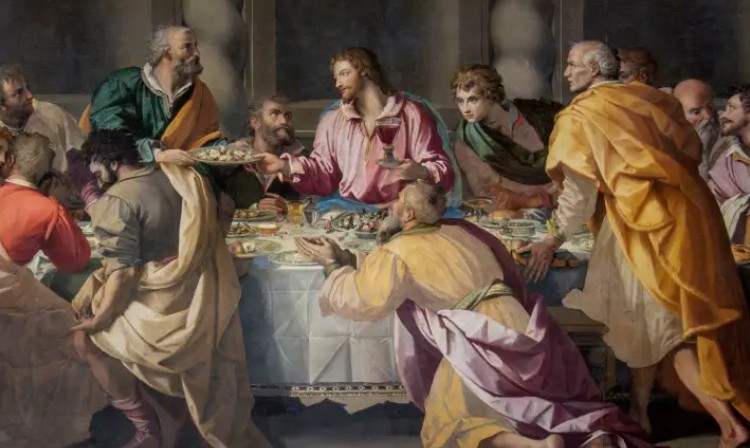
Giovedì Santo: l’Ultima Cena di Allori che pochi conoscono a Firenze
🇮🇹Nel cuore di Museo di Santa Maria Novella, a Firenze, si conserva una delle interpretazioni più affascinanti e meno note dell’Ultima Cena: quella realizzata da Alessandro Allori nel 1584… 🇬🇧In the heart of the Santa Maria Novella Museum in Florence, one of the most fascinating and least-known interpretations of the Last Supper is preserved: the…
-
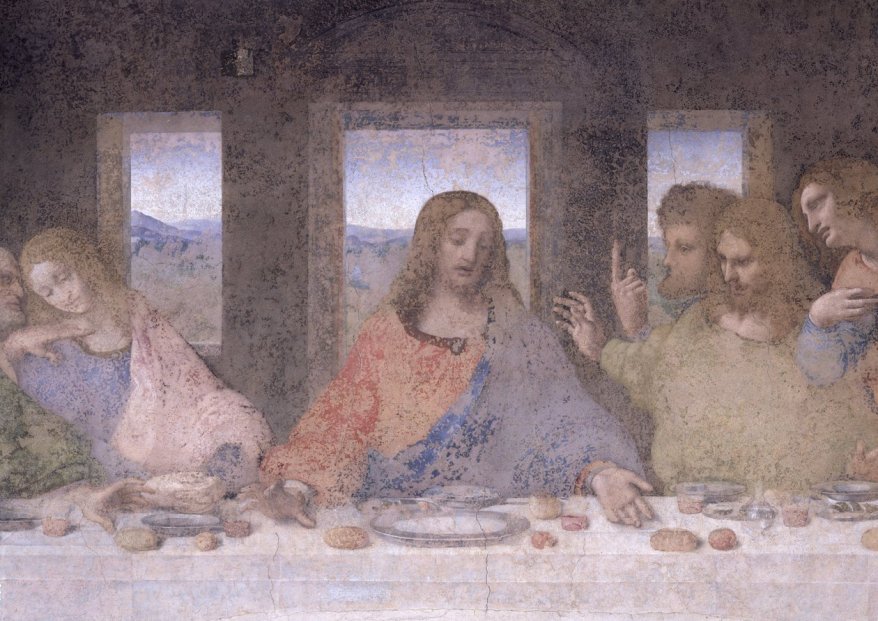
Cenacolo di Leonardo: i dettagli che raccontano il tradimento
🇮🇹Nel Cenacolo di Leonardo da Vinci, custodito a Santa Maria delle Grazie, Cristo annuncia il tradimento e il tempo si ferma… 🇬🇧In Leonardo da Vinci’s Last Supper, housed in Santa Maria delle Grazie, Christ announces the betrayal and time stands still…
Condividi:


Questo sono io





sostienici

Sostienici – Support Us
Se questo blog ti piace e ti appassiona, puoi aiutarci a farlo crescere sempre più sostenendoci in modo concreto condividendo i post, seguendo le pagine social e con un contributo che ci aiuta ad andare avanti con il nostro lavoro di divulgazione. . ENGLISH: If you like and are passionate about this blog, you can help us make it grow more and more by supporting us in a concrete way by sharing posts, following social pages and with a contribution that helps us to move forward with our dissemination work.
€10,00


