
La Scultura del giorno: la Tentazione di una Vestale di Rossetti
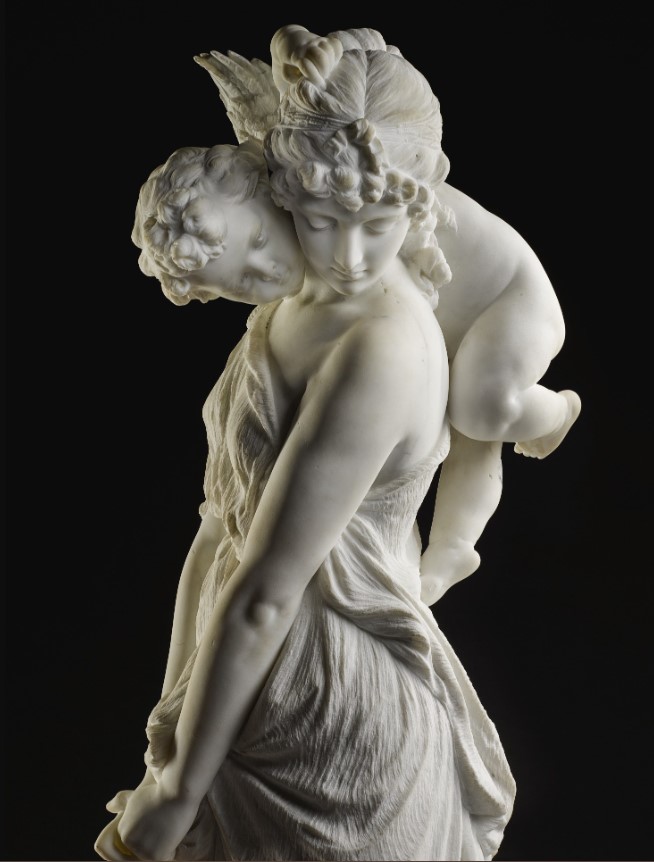
La scultura del giorno che vi propongo oggi è la Tentazione di una Vestale di Antonio Rossetti, scolpita dall’artista milanese nel 1879.
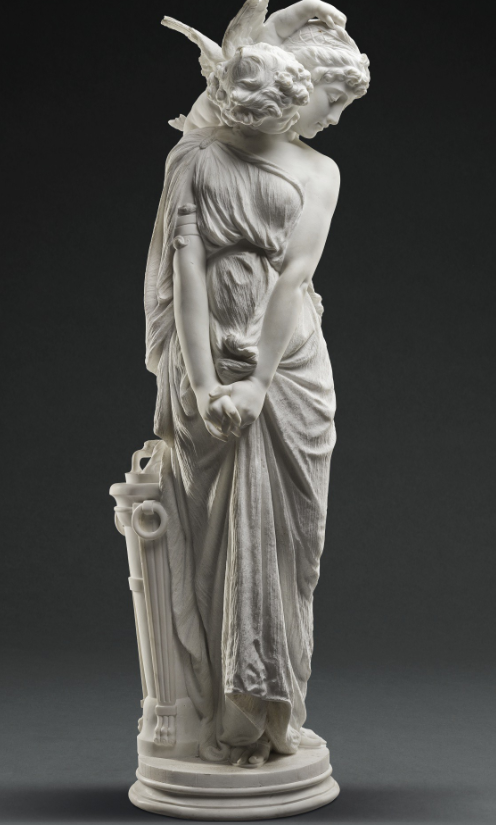
È un’opera scolpita in marmo di Carrara a grandezza naturale firmato sulla base dall’artista che fu presentata per la prima volta al pubblico all’esposizione di Roma del 1879 ed è stata battuta all’asta da Christie’s nel dicembre del 2018.

Rossetti scolpì una giovane Vestale vestita con un abito modesto ma reso con sapiente maestria. Mentre volge lo sguardo il basso con fare timido, Cupido insolente le si avvicina al volto cercando di tentarla.
Il dio dell’amore cerca di farla cedere mentre lei, essendo una vestale, non può dargli ascolto.
Le Vestali, nella Roma antica erano le sacerdotesse addette al culto di Vesta. Il loro compito principale era quello di evitare che la fiamma sacra che ardeva in onore della dea Vesta si spegnesse. Svolgevano sia un ruolo religioso che politico fondamentale.
In un primo momento le vestali erano quattro fanciulle vergini e successivamente il loro numero venne portato fino a sei. Venivano sorteggiate all’interno di un ristretto gruppo di venti bambine appartenenti a famiglie patrizie, con età compresa fra i 6 e i 10 anni. Dopo la consacrazione al culto di Vesta, il loro servizio durava trent’anni e per tutto il periodo i cui erano in carica non potevano sposarsi.

Ecco perchè Rossetti volle scolpire l’esuberanza giocosa di Cupido che prova a far scaturire il desiderio di amare un uomo nella mente della Vestale.
In quest’opera è sublime la trattazione del panneggio che avvolge la giovane e la raffinatezza dei dettagli, scolpiti con sapiente maestria dall’artista.
Osservate anche con quanta cura è stato realizzata l’acconciatura della Vestale, trattenuta da un nastro legato sul capo.
Lo scultore Antonio Rossetti nacque a Milano il 31 ottobre del 1819 e iniziò ad apprendere l’arte della scultura sotto l’attenta guida di Somaini. Nel 1843 si trasferì a Roma dove, approfondendo ulteriormente i suoi studi, ebbe modo di iniziare a vendere i suoi primi lavori di stampo tipicamente classico e accademico.
Le sculture di Rossetti andavano incontro alle esigenze e al gusto degli aristocratici del suo tempo con i suoi raffinati nudi femminili, le scene di genere e le figure allegoriche.
Rossetti fu apprezzato in modo particolare per la resa delle figure femminili. La sensualità tangibile dei suoi massimi capolavori, la grazia e l’intuito nel proporre scene argute gli fecero conquistare fama e denaro. I suoi lavori venivano definiti come “sculture da salotto”, altamente decorative.
Ottenne un grande successo soprattutto fra l’alta borghesia e l’aristocrazia dell’epoca.

La scultura della Tentazione di una Vestale appartiene a una collezione privata.
Per il momento il vostro Michelangelo Buonarroti vi saluta dandovi appuntamento ai prossimi post e sui social.
Sculpture of the day: The Temptation of a Vestal Virgin by Rossetti
The sculpture of the day that I propose to you today is the Temptation of a Vestal Virgin by Antonio Rossetti, sculpted by the Milanese artist in 1879.
It is a life-size work sculpted in Carrara marble signed on the base by the artist which was presented to the public for the first time at the Rome exhibition of 1879 and was auctioned by Christie’s in December 2018.
Rossetti sculpted a young Vestal Virgin dressed in a modest dress but rendered with expert craftsmanship. While she looks down shyly, her insolent Cupid approaches her face trying to tempt her.
The god of love tries to make her give in while she, being a vestal, cannot listen to him.
The Vestals, in ancient Rome, were the priestesses involved in the cult of Vesta. Their main task was to prevent the sacred flame that burned in honor of the goddess Vesta from going out. They played both a fundamental religious and political role.
At first the vestals were four virgin girls and later their number was increased to six. They were drawn from a small group of twenty girls belonging to patrician families, aged between 6 and 10. After consecration to the cult of Vesta, their service lasted thirty years and for the entire period they were in office they could not marry.
This is why Rossetti wanted to sculpt the playful exuberance of Cupid who tries to spark the desire to love a man in the Vestal Virgin’s mind.
In this work, the treatment of the drapery that envelops the young woman and the refinement of her details, sculpted with skilful mastery by the artist, are sublime.
Also observe how carefully the Vestal Virgin’s hairstyle was created, held back by a ribbon tied on her head.
The sculptor Antonio Rossetti was born in Milan on 31 October 1819 and began to learn the art of sculpture under the careful guidance of Somaini. In 1843 he moved to Rome where, further deepening his studies, he was able to start selling his first typically classical and academic works.
Rossetti’s sculptures met the needs and tastes of the aristocrats of his time with his refined female nudes, genre scenes and allegorical figures.
Rossetti was particularly appreciated for his rendering of female figures. The tangible sensuality of his greatest masterpieces, the grace and intuition in proposing witty scenes earned him fame and money. His works were defined as “living room sculptures”, highly decorative.
He achieved great success especially among the upper bourgeoisie and aristocracy of the time.
The sculpture of the Temptation of a Vestal Virgin belongs to a private collection.
For the moment, your Michelangelo Buonarroti greets you and will meet you in future posts and on social media.

Sostienici – Support Us
Se questo blog ti piace e ti appassiona, puoi aiutarci a farlo crescere sempre più sostenendoci in modo concreto condividendo i post, seguendo le pagine social e con un contributo che ci aiuta ad andare avanti con il nostro lavoro di divulgazione. . ENGLISH: If you like and are passionate about this blog, you can help us make it grow more and more by supporting us in a concrete way by sharing posts, following social pages and with a contribution that helps us to move forward with our dissemination work.
8,00 €
-
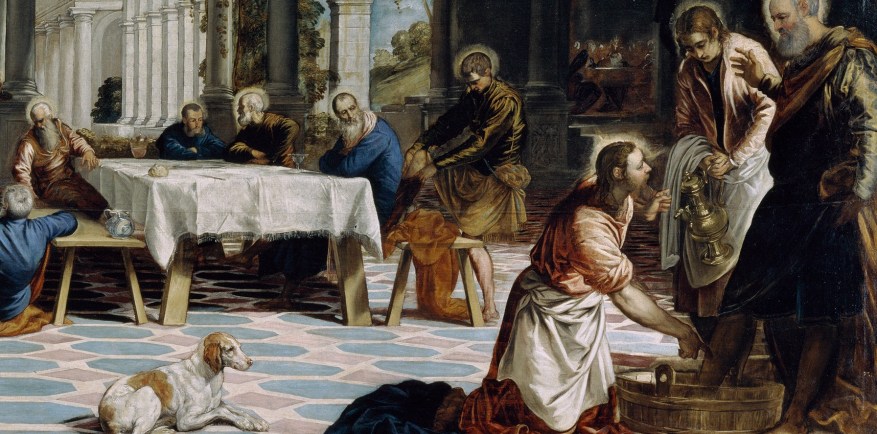
La Lavanda dei Piedi di Tintoretto: Il Capolavoro Veneziano al Prado
🇮🇹Tra i capolavori più affascinanti del Rinascimento veneziano, “La Lavanda dei Piedi” di Jacopo Tintoretto rappresenta un perfetto equilibrio tra spiritualità, innovazione compositiva e straordinaria forza narrativa… 🇬🇧Among the most fascinating masterpieces of the Venetian Renaissance, Jacopo Tintoretto’s “The Washing of the Feet” represents a perfect balance between spirituality, compositional innovation, and extraordinary narrative force…
-
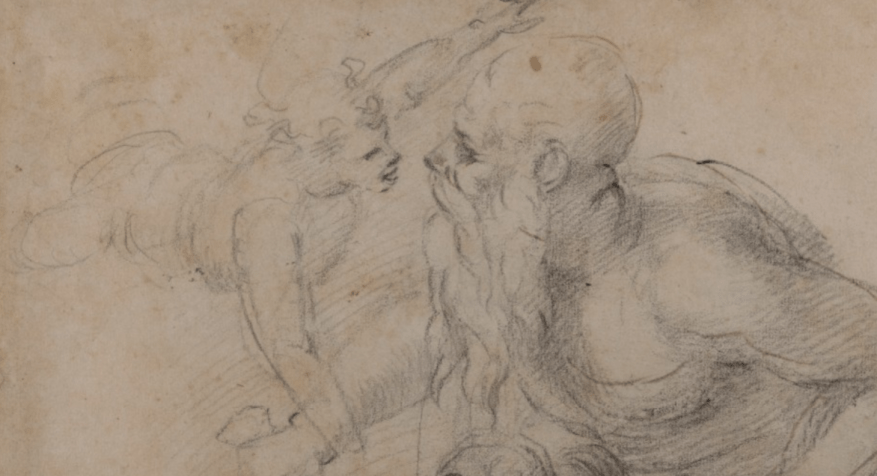
Il Sacrificio di Isacco e quel momento tra la vita e la morte
🇮🇹Oggi voglio raccontarvi alcuni dettagli sul mio disegno del Sacrificio di Isacco, conservato oggi a Casa Buonarroti. Su quel foglio volli tracciare il momento preciso in cui la paura fa spazio al miracolo… 🇬🇧Today I want to tell you some details about my drawing of the Sacrifice of Isaac, now preserved at Casa Buonarroti. On…
-
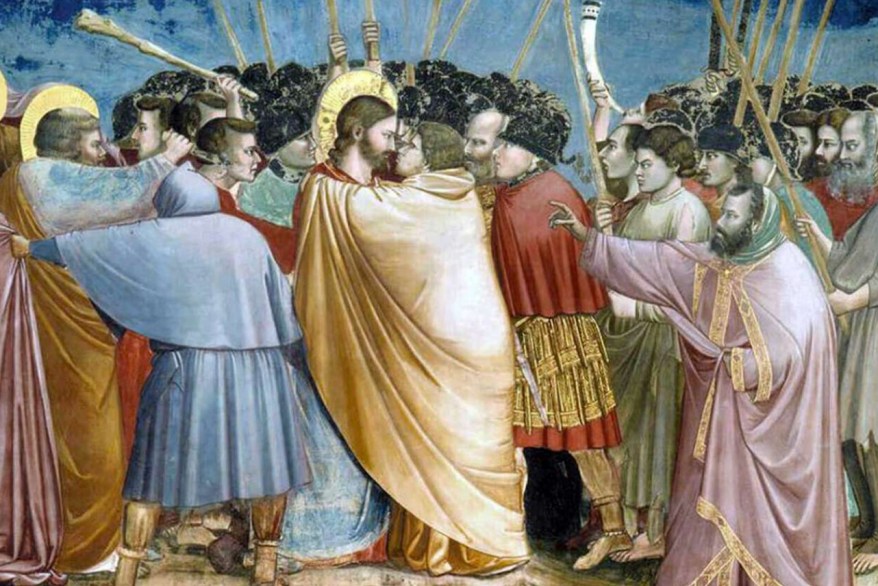
Mercoledì Santo: il giorno del tradimento di Giuda affrescato da Giotto
🇮🇹Il Mercoledì Santo è il giorno del silenzio, della riflessione e del tradimento. È il momento in cui Giuda sceglie di vendere Gesù per trenta denari, segnando uno dei passaggi più dolorosi della Settimana Santa…. 🇬🇧Holy Wednesday is a day of silence, reflection, and betrayal. ✝It is the moment when Judas chooses to sell Jesus…
Condividi:


Questo sono io





sostienici

Sostienici – Support Us
Se questo blog ti piace e ti appassiona, puoi aiutarci a farlo crescere sempre più sostenendoci in modo concreto condividendo i post, seguendo le pagine social e con un contributo che ci aiuta ad andare avanti con il nostro lavoro di divulgazione. . ENGLISH: If you like and are passionate about this blog, you can help us make it grow more and more by supporting us in a concrete way by sharing posts, following social pages and with a contribution that helps us to move forward with our dissemination work.
€10,00


