

La Scultura del giorno: il Fanciullo con l’uva di David d’Anger
La scultura del giorno che vi propongo oggi è il Fanciullo con l’uva di Pierre Jean David d’Angers, scolpito dall’artista francese nel 1845 e oggi appartenente alle collezioni del Louvre.
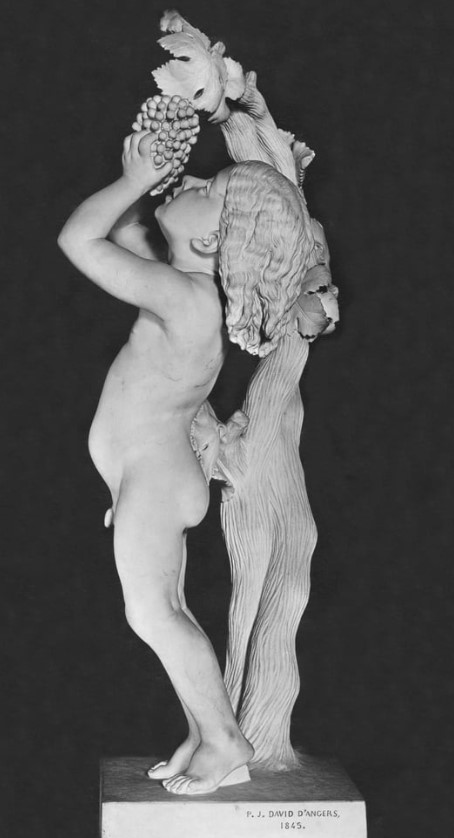
Quest’opera, alta un metro e trentuno centimetri, mostra un bambino privo di vesti che si allunga sollevando i piedi da terra e levando le braccia verso l’alto nel tentativo di arrivare al grappolo d’uva che pende sopra la sua testa.
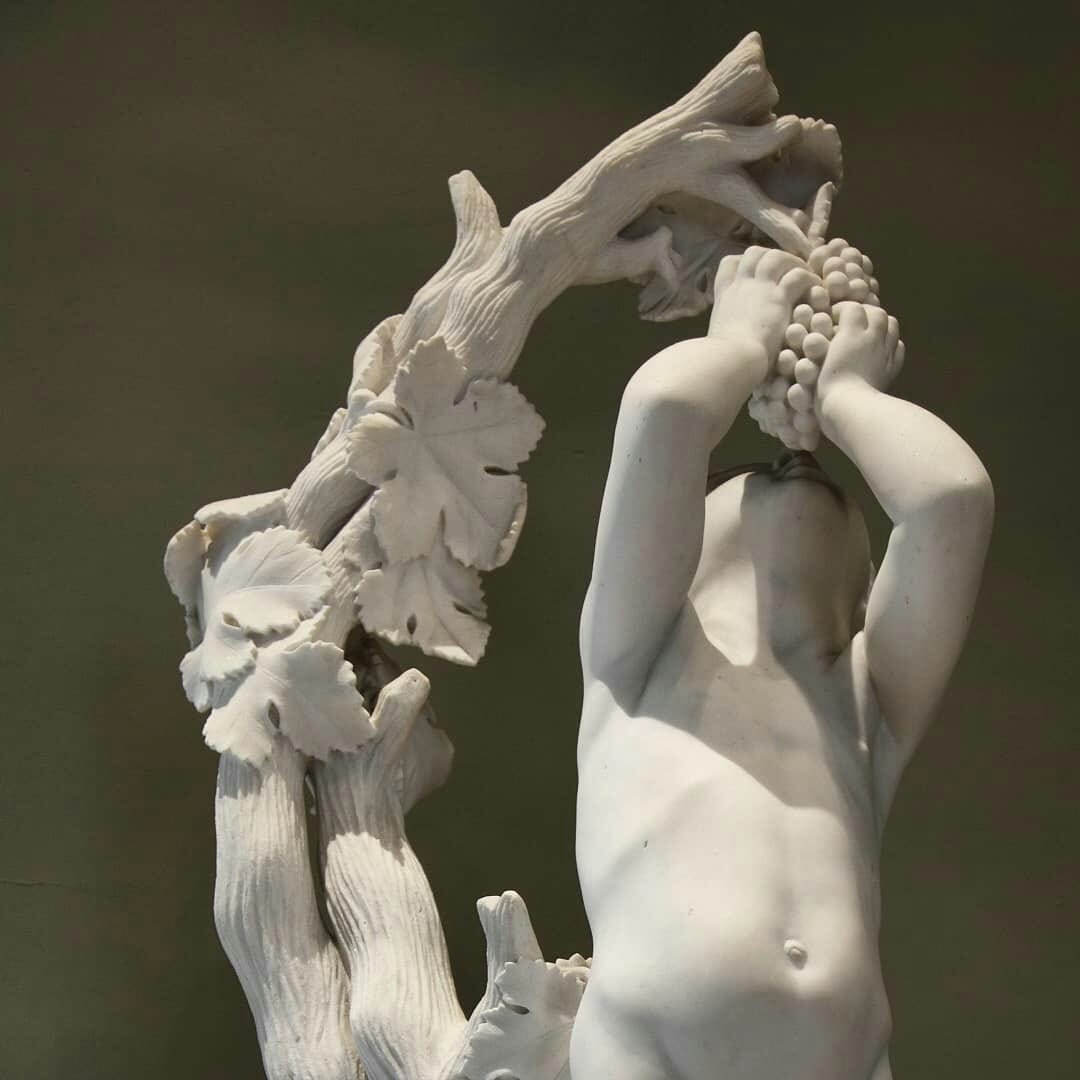
Il fanciullo riesce soddisfatto nell’intento e sta portando alla bocca i dolci frutti della vite pregustandone la dolcezza.
Lo scultore Pierre Jean David che la realizzà nacque ad Angers, in Francia, il 12 marzo del 1788. Volle cambiare il suo nome reale nel nome d’arte David d’Angers dopo la sua entrata a bottega dal celeberrimo pittore Jacques Louis David avvenuta nel 1809, per distinguersi da lui.
A Parigi fu impegnato a lavorare per l’Arco di Trionfo e alle decorazioni esterne del Louvre. Nello stesso periodo, nel 1810, conquistò il primo premio all’Ecole des Beaux Arts mentre l’anno successivo, con la scultura La Dolueur, riuscì a vincere il Prix de Roma.
In seguito a quel premio trascorse diverso tempo in Italia non solo a Roma ma anche a Venezia, Napoli e Firenze per studiare da vicino le opere scultoree e pittoriche che tanto amava e dalle quali ne trarrà una proficua ispirazione per il resto della vita.

La scultura del Fanciullo con l’uva di Pierre Jean David d’Angers è firmata dall’artista sul plinto, nella parte destra con il proprio nome e la data di esecuzione: “P.J. DAVID D’ANGERS / 1845”.
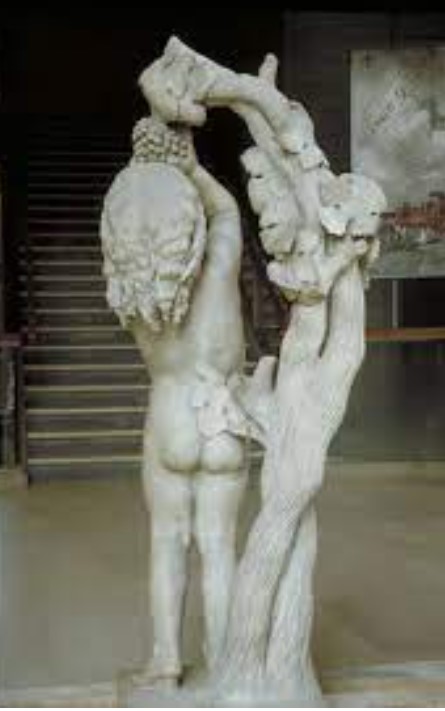
Se volete ammirare dal vero questo capolavoro non vi rimane altro che passeggiare fra le meraviglie del Dipartimento delle Sculture del Medioevo, del Rinascimento e dell’Età Moderna del Museo del Louvre.
Per il momento il vostro Michelangelo Buonarroti vi saluta dandovi appuntamento ai prossimi post e sui social.
Sculpture of the day: the Boy with the grapes by David d’Anger
The sculpture of the day that I propose to you today is the Boy with the Grapes by Pierre Jean David d’Angers, sculpted by the French artist in 1845 and today belonging to the Louvre collections.
This work, one meter and thirty-one centimeters high, shows a child without clothes who stretches out, lifting his feet off the ground and raising his arms upwards in an attempt to reach the bunch of grapes hanging above his head.
The child is satisfied with his intent and is bringing the sweet fruits of the vine to his mouth, anticipating their sweetness.
The sculptor Pierre Jean David who created it was born in Angers, France, on 12 March 1788. He wanted to change his real name to the stage name David d’Angers after he joined the workshop of the famous painter Jacques Louis David in 1809, to distinguish himself from him.
In Paris he was busy working on the Arc de Triomphe and the external decorations of the Louvre. In the same period, in 1810, he won the first prize at the Ecole des Beaux Arts while the following year, with the sculpture La Dolueur, he managed to win the Prix de Roma.
Following that award he spent some time in Italy not only in Rome but also in Venice, Naples and Florence to closely study the sculptural and pictorial works that he loved so much and from which he would draw fruitful inspiration for the rest of his life. .
The sculpture of the Boy with the Grapes by Pierre Jean David d’Angers is signed by the artist on the plinth, on the right side with his name and the date of execution: “P.J. DAVID D’ANGERS / 1845”.
If you want to admire this masterpiece in real life, all you have to do is stroll among the wonders of the Department of Sculptures of the Middle Ages, the Renaissance and the Modern Age of the Louvre Museum.
For the moment, your Michelangelo Buonarroti greets you and will meet you in future posts and on social media.

Sostienici – Support Us
Se questo blog ti piace e ti appassiona, puoi aiutarci a farlo crescere sempre più sostenendoci in modo concreto condividendo i post, seguendo le pagine social e con un contributo che ci aiuta ad andare avanti con il nostro lavoro di divulgazione. . ENGLISH: If you like and are passionate about this blog, you can help us make it grow more and more by supporting us in a concrete way by sharing posts, following social pages and with a contribution that helps us to move forward with our dissemination work.
8,00 €
-
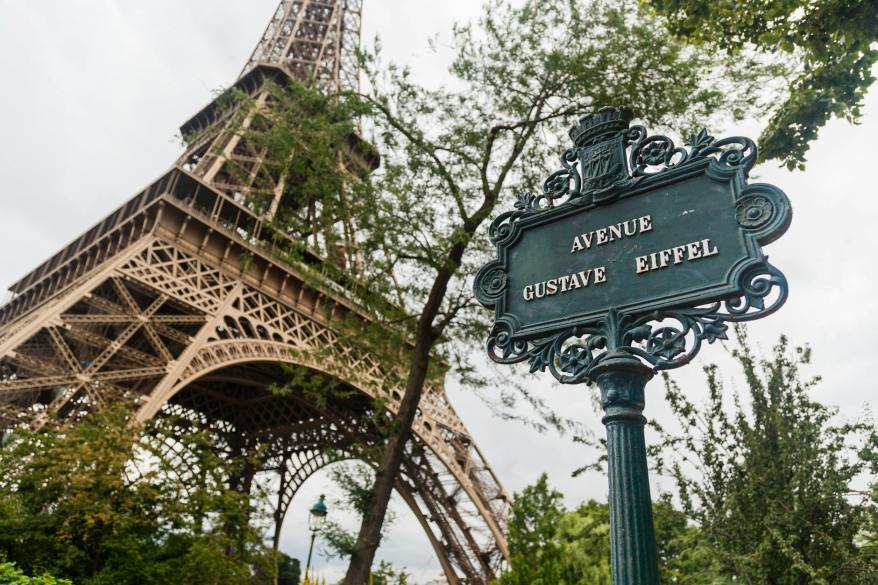
31 marzo 1889: inaugurata la Torre Eiffel tra critiche feroci e un destino inaspettato
🇮🇹Il 31 marzo 1889 segna una data destinata a cambiare per sempre il volto di Parigi e dell’immaginario collettivo globale: viene inaugurata la Torre Eiffel, l’opera più audace e discussa del suo tempo… 🇬🇧March 31, 1889 marks a date destined to change the face of Paris and the global collective imagination forever: the Eiffel Tower,…
-
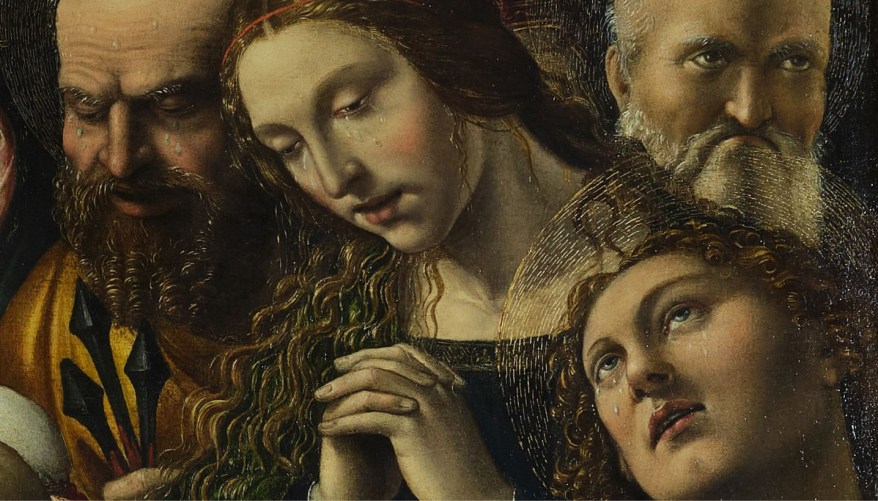
Sodoma in mostra a Torino: il Rinascimento al Museo Accorsi-Ometto
🇮🇹Al Museo di Arti Decorative Accorsi-Ometto arriva una mostra dedicata al Sodoma: oltre 50 opere, alcune mai viste prima, raccontano la formazione dell’artista e il suo dialogo con maestri come Pinturicchio… 🇬🇧An exhibition dedicated to Sodoma arrives at the Accorsi-Ometto Museum of Decorative Arts: over 50 works, some never before seen, recount the artist’s development…
-
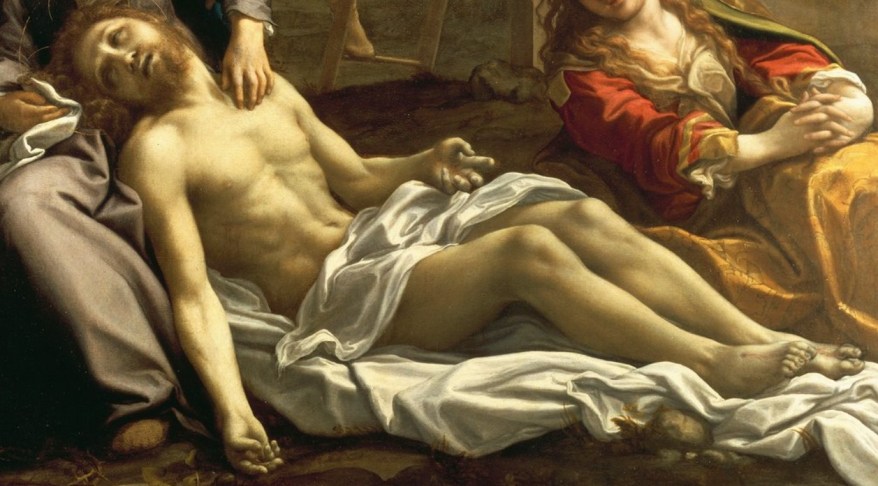
Il Compianto sul Cristo morto di Correggio: pathos e devozione
🇮🇹Con l’inizio della Settimana Santa, vi propongo il Compianto sul Cristo morto di Antonio Allegri, più noto come il Correggio: uno dei vertici assoluti della pittura emiliana del Cinquecento… 🇬🇧With the beginning of Holy Week, I propose the Lamentation over the Dead Christ by Antonio Allegri, better known as Correggio: one of the absolute peaks…
Condividi:


Questo sono io





sostienici

Sostienici – Support Us
Se questo blog ti piace e ti appassiona, puoi aiutarci a farlo crescere sempre più sostenendoci in modo concreto condividendo i post, seguendo le pagine social e con un contributo che ci aiuta ad andare avanti con il nostro lavoro di divulgazione. . ENGLISH: If you like and are passionate about this blog, you can help us make it grow more and more by supporting us in a concrete way by sharing posts, following social pages and with a contribution that helps us to move forward with our dissemination work.
€10,00


