
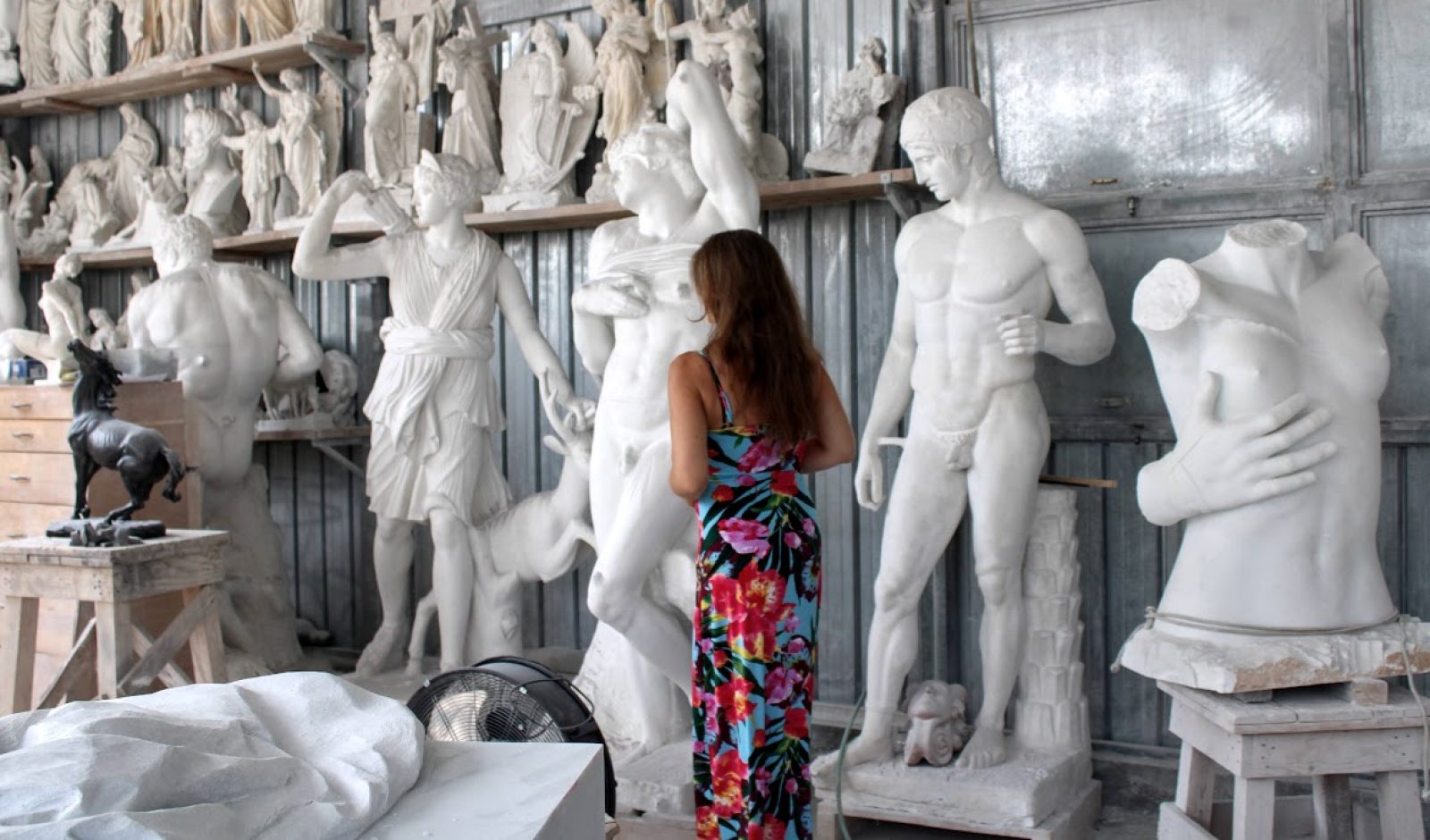
La Scultura del giorno: Pan che conforta Psiche di Reinhold Begas
La scultura del giorno che vi propongo oggi è Pan che conforta Psiche, scolpita dall’artista berlinese Reinhold Begas fra il 1857 e il 1858.
Lo scultore volle dar forma alla storia narrata nel V libro delle metamorfosi di da Apuleio in cui Psiche è stata appena abbandonata da Amore per colpa della sua curiosità.

Amore, suo marito, era solito possederla di notte senza mai mostrarsi ma la giovane si fece convincere dalle sorelle di avere a che fare con un mostro pericoloso. Durante una notte volle illuminare il volto del consorte con una lampada a olio, metafora della conoscenza, per poter svelare il suo aspetto.
Amore appena si accorse di essere guardato fuggì ferito e Psiche disperata incontrò mentre piangeva Pan sulle rive di un ruscello.

Pan, dio delle selve, è metà uomo e metà caprone così come lo scolpì Begas ed era solito terrorizzare ninfe e viandanti proteggendo però greggi e pastori.
Fu proprio Pan a salvare Psiche dal suicidio. La giovane si gettò infatti nelle acque del fiume ma un’onda la riportà a riva fra le braccia del satiro.
“Dal tuo passo vacillante, dal pallore estremo del tuo viso, da quel sospirare continuamente e soprattutto dai tuoi occhi così tristi, devo arguire che un amore violento ti tormenta. Dammi retta, allora, non provarci più a gettarti nel fiume, né cercare la morte in altro modo. Cessa di piangere, scaccia il dolore e mettiti piuttosto a pregare Cupido, il più potente degli dei: giovane, sensibile e vagheggino com’è, lusingalo con dolci voti”.
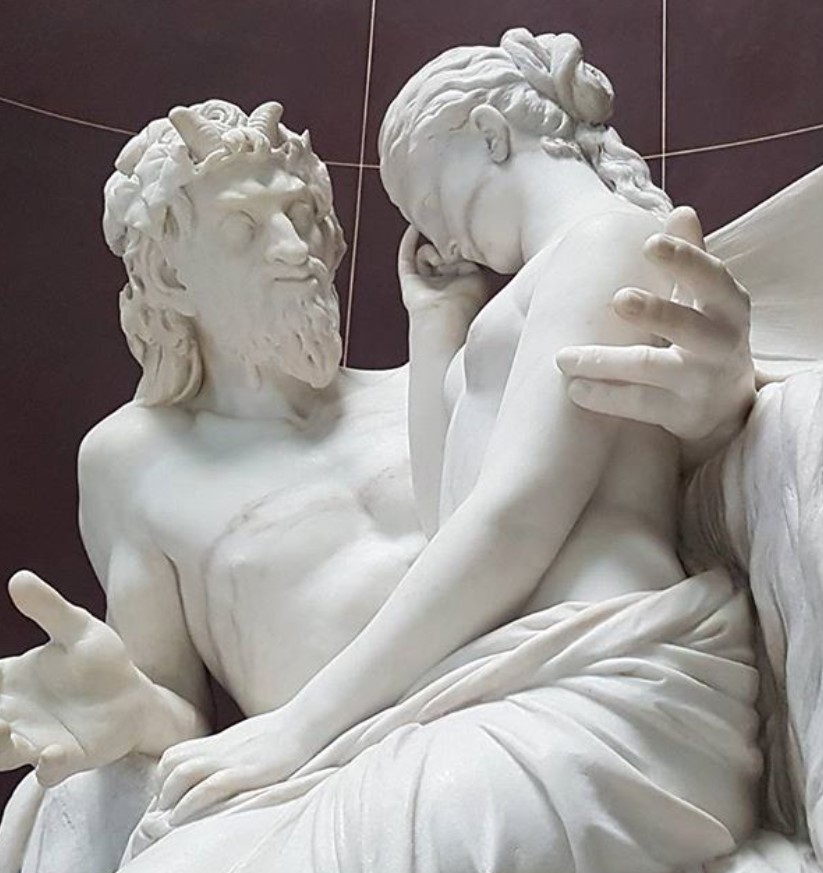
Begas, con quel gesto plateale delle mani di Pan, mostra visivamente le rassicurazioni che il dio Pan fa a Psiche che ancora sembra stia piangendo.
La scultura appartiene alle collezioni del Berlin State Museums, Alte Nationalgalerie.
Per il momento il vostro Michelangelo Buonarroti vi saluta dandovi appuntamento ai prossimi post e sui social.

Sculpture of the day: Pan comforting Psyche by Reinhold Begas
The sculpture of the day that I propose to you today is Pan comforting Psyche, sculpted by the Berlin artist Reinhold Begas between 1857 and 1858.
The sculptor wanted to give shape to the story told in the fifth book of the metamorphoses by Apuleius in which Psyche has just been abandoned by Love due to her curiosity.
Love, her husband, used to possess her at night without ever showing himself but the young woman was convinced by her sisters that she was dealing with a dangerous monster. During one night she wanted to illuminate her husband’s face with an oil lamp, a metaphor for knowledge, in order to reveal her appearance.
As soon as Love realized he was being watched, he ran away, hurt by his wife’s attitude, and in despair he met Pan on the banks of a stream while he was crying.
Pan, god of the woods, is half man and half goat as Begas sculpted him and used to terrorize nymphs and wayfarers while protecting flocks and shepherds.
It was Pan who saved Psyche from suicide. In fact, the young woman threw herself into the waters of the river but a wave brought her back to the shore in the arms of the satyr.
“From your faltering step, from the extreme pallor of your face, from that continuous sighing and above all from your very sad eyes, I must infer that a violent love torments you. Listen to me, then, don’t try to throw yourself into the river again, or seek death in any other way. Stop crying, chase away the pain and instead start praying to Cupid, the most powerful of the gods: young, sensitive and longing as he is, flatter him with sweet wishes”.
Begas, with that dramatic gesture of Pan’s hands, visually shows the reassurances that the god Pan makes to Psyche who still seems to be crying.
The sculpture belongs to the collections of the Berlin State Museums, Alte Nationalgalerie.
For the moment, your Michelangelo Buonarroti greets you and will meet you in future posts and on social media.

Sostienici – Support Us
Se questo blog ti piace e ti appassiona, puoi aiutarci a farlo crescere sempre più sostenendoci in modo concreto condividendo i post, seguendo le pagine social e con un contributo che ci aiuta ad andare avanti con il nostro lavoro di divulgazione. . ENGLISH: If you like and are passionate about this blog, you can help us make it grow more and more by supporting us in a concrete way by sharing posts, following social pages and with a contribution that helps us to move forward with our dissemination work.
10,00 €
-
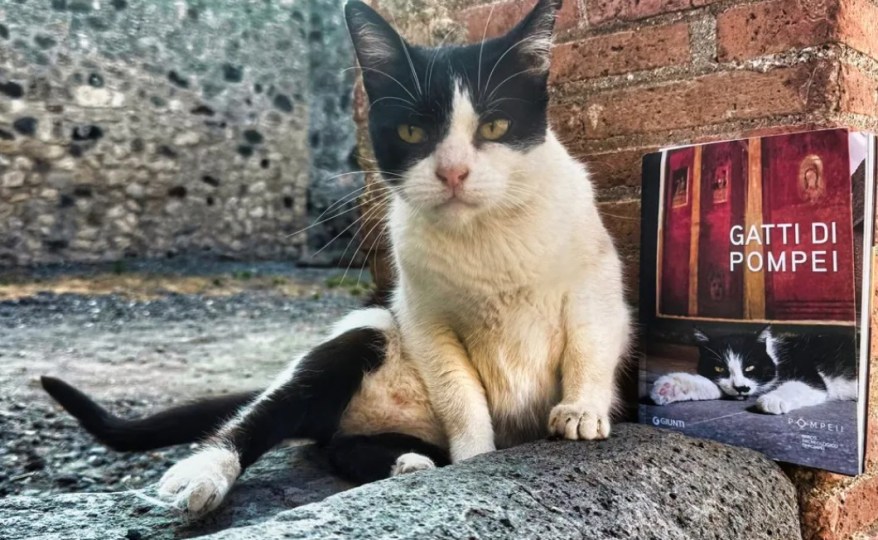
A Pompei ci sono 50 gatti che vivono tra le rovine antiche: ora la loro storia diventa un libro
A Pompei i gatti sono diventati celebri sui social. Ora il libro Gatti di Pompei racconta, con foto e storie, la loro vita tra le antiche rovine romane.
-
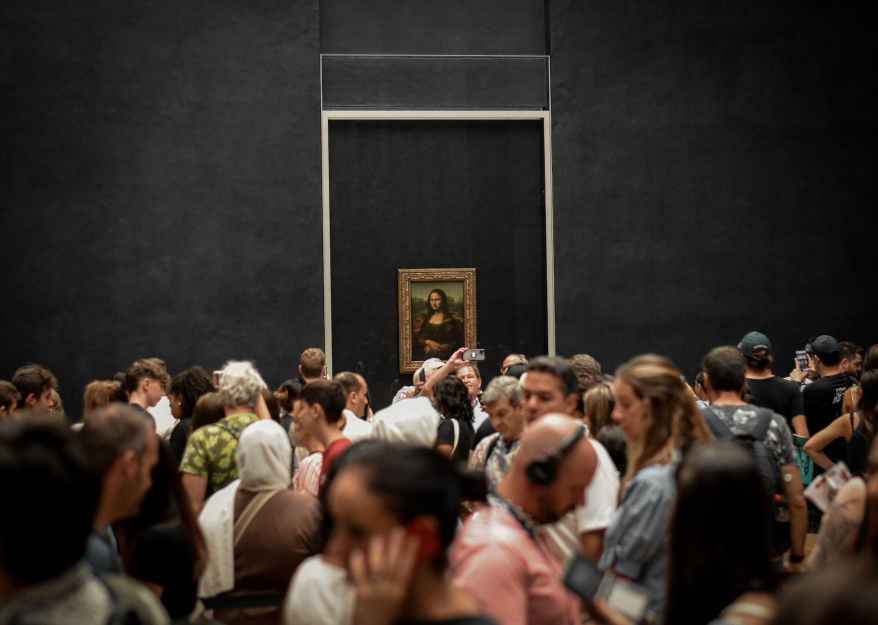
Il Louvre rischia la chiusura? Ecco cosa sta succedendo al museo dopo il furto da 88 milioni
🇮🇹Il Louvre rischia di chiudere senza una grande ristrutturazione. Dopo il furto dei gioielli della Corona, il direttore Christophe Leribault lancia l’allarme… 🇬🇧The Louvre risks closure without a major renovation. Following the theft of the Crown Jewels, director Christophe Leribault has raised the alarm…
-
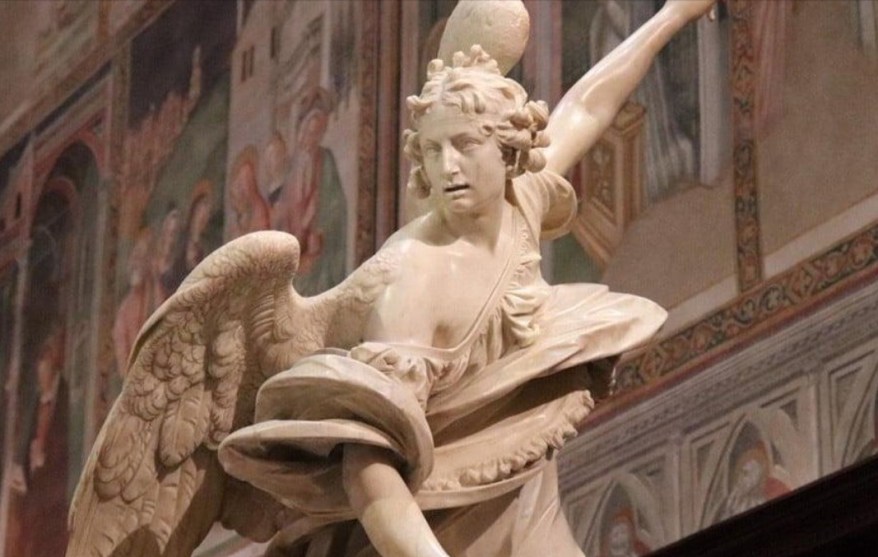
Francesco Mochi, lo scultore che liberò il marmo e il bronzo dal silenzio prima di Bernini
🇮🇹Prima di Bernini, c’è stato Francesco Mochi: scultore straordinario del Seicento, Mochi anticipò il dinamismo barocco con figure che sembrano sul punto di uscire dalla pietra e cavalli di bronzo carichi di energia… 🇬🇧Before Bernini, there was Francesco Mochi—an extraordinary 17th-century sculptor who anticipated Baroque dynamism with figures that seem on the verge of stepping…
Condividi:


Questo sono io




sostienici

Sostienici – Support Us
Se questo blog ti piace e ti appassiona, puoi aiutarci a farlo crescere sempre più sostenendoci in modo concreto condividendo i post, seguendo le pagine social e con un contributo che ci aiuta ad andare avanti con il nostro lavoro di divulgazione. . ENGLISH: If you like and are passionate about this blog, you can help us make it grow more and more by supporting us in a concrete way by sharing posts, following social pages and with a contribution that helps us to move forward with our dissemination work.
€10,00


di una bellezza commovente!! 👏👏👏👏👏👏👏👏👏👍👍
"Mi piace"Piace a 1 persona
eh si
"Mi piace"Piace a 1 persona