

Quando mi rifiutai di spostare l’obelisco di Piazza San Pietro
Lavoravo per potenti signori, cardinali e papi ma non dicevo sempre sì e nemmeno ero intenzionato a esaudire ogni loro capriccio.
A progetti troppo strani e poco concreti sapevo dire di no senza nemmeno usare giri di parole. Fui capace di gabellare anche papa Clemente VII per una gigantesca scultura che voleva realizzassi. Un’enorme opera con le sue sembianze che avrebbe oscurato pure il cielo dinnanzi alla Basilica di San Lorenzo, a Firenze.
Lui mica si offese: ci si conosceva molto bene a vicenda e avevamo vissuto entrambi da ragazzini a Palazzo Medici, alla corte del Magnifico.

Un bel giorno accadde che papa Paolo III Farnese, tutto preso dal completamento del progetto di San Pietro, desiderasse che il grande obelisco egiziano in granito rosso, allora posizionato a lato della basilica in costruzione, fosse spostato laddove oggi lo potete vedere.
Movimentare quel coso era un’impresa mica da ridere e il rischio che andasse in frantumi durante le complesse operazioni era concreto. Ero vecchio ma mica rimbambito.
Progettare argani, carri e altre attrezzature che sarebbero servite per far muovere di diversi metri l’obelisco mi avrebbe risucchiato ogni energia ma già dovevo soprintendere al cantiere della basilica in costruzione e a tanti altri progetti, soprattutto architettonici.
Le mie giornate non avevano un’ora in più delle ventiquattro a disposizione di tutti.

Dopotutto io ero un architetto, mica un meccanico. Abbattere, spostare e innalzare di nuovo quel monolite era roba da ingegneri e capomastri, no da artisti. Ovvia.
Il toscano Michele Mercati di San Miniato che fu chiamato a Roma da papa Pio IV nel 1561 per curare i Giardini Vaticani, annota nella sua opera letteraria dedicata agli Obelischi il suo stupore per il fatto che avessi rifiutato quell’incarico dato che a me si attribuiva l’invenzione degli argani usati a Roma e nel resto d’Italia per sollevare grandi pietre nei cantieri.

L’obelisco di Piazza San Pietro era stato fatto realizzare e innalzare a Helipolois da un faraone egiziano come ringraziamento al dio Sole per avergli restituito la vista. Plinio il Vecchio narra che in origine fosse più alto, sfiorando i 45 metri. Accadde che durante il trasporto effettuato per farlo arrivare ad Alessandria d’Egitto cadde accidentalmente e la base andò in frantumi.
Fu poi Caligola, il terzo imperatore Romano, a volerlo portare in città e appena arrivato a Roma, venne posizionato sulla spina del Circo di Nerone, 37 anni dopo la morte di Cristo.
Lì rimase immobile per secoli, anche quando il circo non venne più usato e al suo posto fu realizzata una necropoli. Successivamente venne edificata al suo fianco la basilica di San Pietro per volere di Costantino.

Insomma, senza mai cedere o cadere, l’obelisco rimase in quel luogo a lungo fino a quando, dopo il fallito tentativo di papa Paolo III che aveva pensato di farmelo spostare, nel 1586 papa Sisto V lo fece posizionare centro della Piazza della nuova basilica di San Pietro, affidando l’incarico dello spostamento a Domenico Fontana.
Per il momento il vostro Michelangelo Buonarroti vi saluta dandovi appuntamento ai prossimi post e sui social.
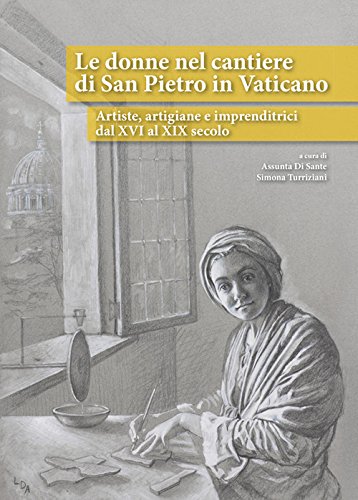
When I refused to move the obelisk in St. Peter’s Square
I worked for powerful lords, cardinals and popes but I didn’t always say yes and I wasn’t even willing to satisfy their every whim.
I knew how to say no to projects that were too strange and not very concrete without even mincing words. I was able to even fine Pope Clement VII for a gigantic sculpture that he wanted me to make. An enormous work with its features that would have darkened even the sky in front of the Basilica of San Lorenzo in Florence.
He wasn’t offended: we knew each other very well and we had both lived as kids in Palazzo Medici, at the court of the Magnificent.
One fine day it happened that Pope Paul III Farnese, absorbed in the completion of the project for St. Peter’s, wished that the great Egyptian obelisk in red granite, then positioned to the side of the basilica under construction, would be moved to where you can see it today.
Moving that thing was no laughing matter and the risk of it shattering during the complex operations was real. I was old but not senile. Designing winches, carts and other equipment that would have been used to move the obelisk several meters would have sapped all my energy but I already had to supervise the construction site of the basilica under construction and many other projects, especially architectural ones.
My days didn’t have an hour more than the twenty-four available to everyone.
After all, I was an architect, not a mechanic. Demolishing, moving and raising that monolith again was the stuff of engineers and master builders, not artists. Obvious.
The Tuscan Michele Mercati, from San Miniato who was called to Rome by Pope Pius IV in 1561 to take care of the Vatican Gardens, notes in his literary work dedicated to the Obelisks his astonishment at the fact that I had refused that assignment given that I he credited with the invention of winches used in Rome and the rest of Italy to lift large stones on construction sites.
The obelisk in St. Peter’s Square had been built and raised in Helipolois by an Egyptian pharaoh as thanks to the sun god for having restored his sight. Pliny the Elder narrates that it was originally higher, reaching almost 45 metres. It happened that during the transport carried out to get it to Alexandria in Egypt it accidentally fell and the base was shattered.
It was then Caligula, the third Roman emperor, who wanted to bring it to the city and as soon as it arrived in Rome, it was placed on the spine of Nero’s Circus, 37 years after the death of Christ.
There it remained motionless for centuries, even when the circus was no longer used and a necropolis was built in its place. Subsequently, the basilica of San Pietro was built next to it at the behest of Constantine.
In short, without ever yielding or falling, the obelisk remained in that place for a long time until, after the failed attempt of Pope Paul III who had thought of having it moved, in 1586 Pope Sixtus V had it positioned in the center of the square of the new basilica of San Pietro, entrusting the task of moving to Domenico Fontana.
For the moment, your Michelangelo Buonarroti greets you by making an appointment for the next posts and on social media.

Sostienici – Support Us
Se questo blog ti piace e ti appassiona, puoi aiutarci a farlo crescere sempre più sostenendoci in modo concreto condividendo i post, seguendo le pagine social e con un contributo che ci aiuta ad andare avanti con il nostro lavoro di divulgazione. . ENGLISH: If you like and are passionate about this blog, you can help us make it grow more and more by supporting us in a concrete way by sharing posts, following social pages and with a contribution that helps us to move forward with our dissemination work.
10,00 €
-
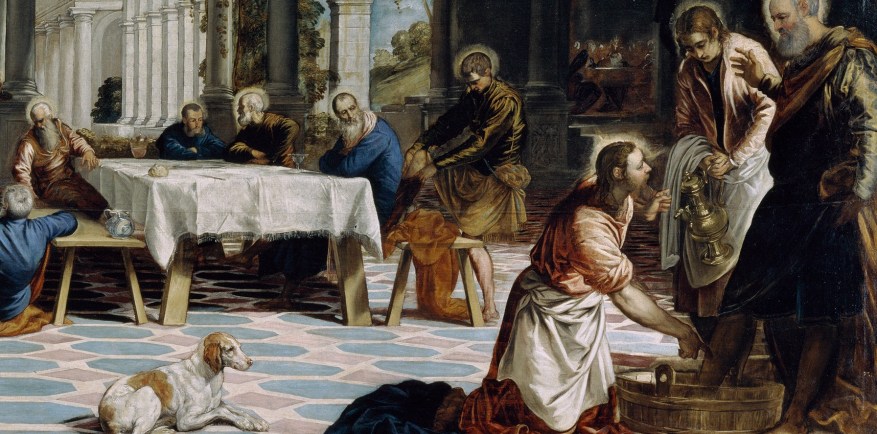
La Lavanda dei Piedi di Tintoretto: Il Capolavoro Veneziano al Prado
🇮🇹Tra i capolavori più affascinanti del Rinascimento veneziano, “La Lavanda dei Piedi” di Jacopo Tintoretto rappresenta un perfetto equilibrio tra spiritualità, innovazione compositiva e straordinaria forza narrativa… 🇬🇧Among the most fascinating masterpieces of the Venetian Renaissance, Jacopo Tintoretto’s “The Washing of the Feet” represents a perfect balance between spirituality, compositional innovation, and extraordinary narrative force…
-
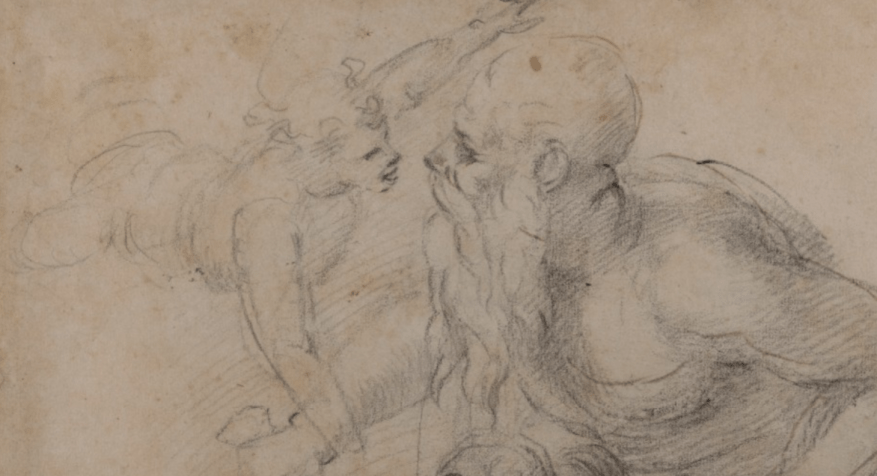
Il Sacrificio di Isacco e quel momento tra la vita e la morte
🇮🇹Oggi voglio raccontarvi alcuni dettagli sul mio disegno del Sacrificio di Isacco, conservato oggi a Casa Buonarroti. Su quel foglio volli tracciare il momento preciso in cui la paura fa spazio al miracolo… 🇬🇧Today I want to tell you some details about my drawing of the Sacrifice of Isaac, now preserved at Casa Buonarroti. On…
-
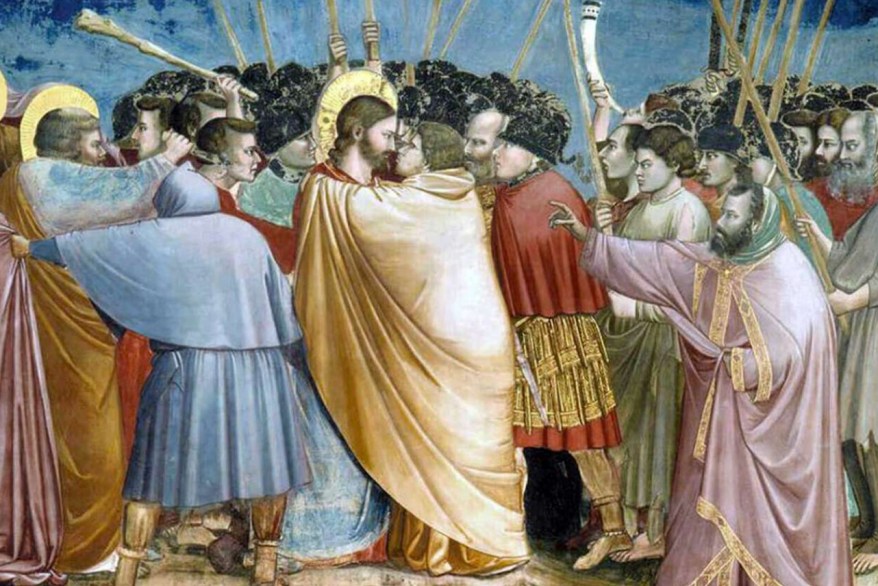
Mercoledì Santo: il giorno del tradimento di Giuda affrescato da Giotto
🇮🇹Il Mercoledì Santo è il giorno del silenzio, della riflessione e del tradimento. È il momento in cui Giuda sceglie di vendere Gesù per trenta denari, segnando uno dei passaggi più dolorosi della Settimana Santa…. 🇬🇧Holy Wednesday is a day of silence, reflection, and betrayal. ✝It is the moment when Judas chooses to sell Jesus…
Condividi:


Questo sono io





sostienici

Sostienici – Support Us
Se questo blog ti piace e ti appassiona, puoi aiutarci a farlo crescere sempre più sostenendoci in modo concreto condividendo i post, seguendo le pagine social e con un contributo che ci aiuta ad andare avanti con il nostro lavoro di divulgazione. . ENGLISH: If you like and are passionate about this blog, you can help us make it grow more and more by supporting us in a concrete way by sharing posts, following social pages and with a contribution that helps us to move forward with our dissemination work.
€10,00


1 commento »