
I tentativi per farmi tornare a Firenze
Quando partii definitivamente alla volta di Roma, nel 1534, lasciandomi alle spalle diversi lavori incompiuti come la Sagrestia Nuova e la Biblioteca Medicea Laurenziana, non furono pochi i tentativi fatti per farmi rientrare da parte della famiglia Medici.
Due giorni dopo il mio arrivo a Roma, il 25 settembre 1534, passò a miglior vita Clemente VII ma aveva comunque fatto in tempo a commissionarmi l’affresco del Giudizio Universale.

Intanto il duca Alessandro in quel di Firenze provava a sollecitare il mio rientro in città ma ogni tentativo fu vano. Quando poi fu assassinato nel 1537, le sue spoglie furono tumulate nella Sagrestia Nuova, proprio in quel luogo che avrebbe voluto veder ultimato.
Successivamente fu Cosimo I a tentare ogni strada per farmi tornare in terra natìa. Il suo volermi a Firenze non era esclusivamente collegato al portare a termine i lavori in sospeso ma sapeva bene che la mia presenza in città avrebbe giocato a favore del suo prestigio.
Avrebbe inoltre avuto la possibilità di commissionarmi altri importanti lavori che avrebbero portato lustro la casata.
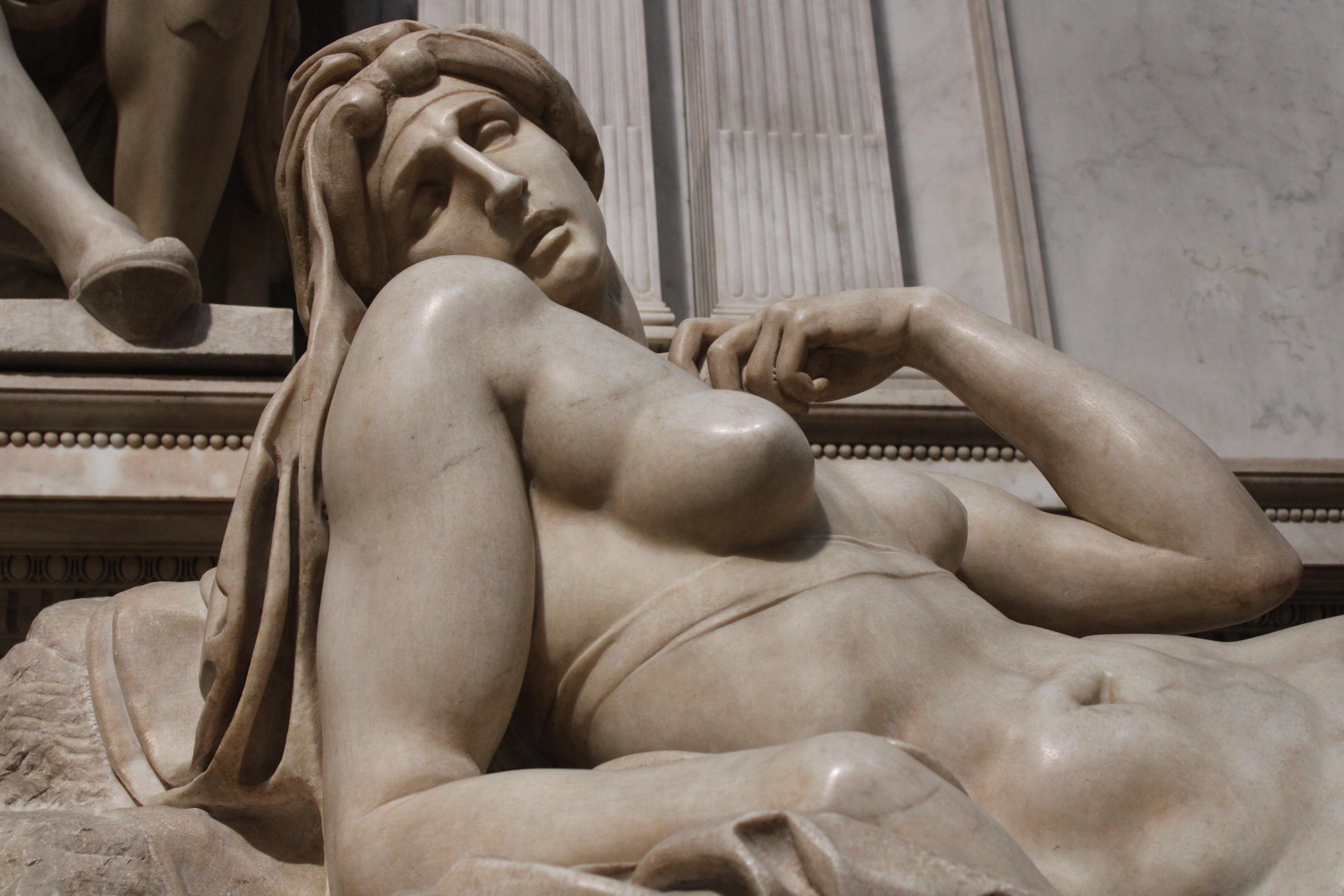
Dapprima Cosimo I mandò il Tribolo a Roma al tempo di papa Paolo III nel tentativo di ricondurmi a Firenze e poi, sapendo che il Vasari era mio amico, coinvolse anche lui in questa faccenda.
Non mi sarebbe dispiaciuto dopotutto tornare in quel di Firenze ma non sotto i dominio di Cosimo I. A Roma avevo un sacco di commissioni da portare avanti: primo su tutti il Giudizio Universale e successivamente ricevetti altri prestigiosi incarichi.
In città avevo instaurato forti legami sentimentali e costruito intensi rapporti. Non m’andava proprio di allontanarmi da alcune delle persone che più mi stavano a cuore.

Nonostante le insistenze su più fronti, a Firenze non feci più ritorno da vivo.
Pe il momento il vostro Michelangelo Buonarroti vi saluta dandovi appuntamento ai prossimi post e sui social.
Attempts to get me back to Florence
When I left definitively for Rome in 1534, leaving behind several unfinished works such as the New Sacristy and the Laurentian Library, there were many attempts made by the Medici family to get me back.
Two days after my arrival in Rome, on 25 September 1534, Clement VII passed away but he had in any case had time to commission me to paint the fresco of the Last Judgment.
Meanwhile Duke Alessandro in Florence tried to urge my return to the city but every attempt was in vain. When he was assassinated in 1537, his remains were buried in the New Sacristy, in the very place that he would have liked to see completed.
Later it was Cosimo who tried every way to get me back to my native land. His wanting me in Florence wasn’t exclusively linked to completing the pending work but he knew well that my presence in the city would play in favor of his prestige.
He would also have had the opportunity to commission other important works that would have brought prestige to the house.
At first Cosimo I sent Tribolo to Rome at the time of Pope Paul III in an attempt to bring me back to Florence and then, knowing that Vasari was my friend, he too involved in this affair.
After all, I would not have minded returning to Florence but not under the rule of Cosimo I. In Rome I had a lot of commissions to carry out: first of all the Last Judgment and subsequently I received other prestigious assignments.
In the city I had established strong sentimental ties and built intense relationships. I just didn’t feel like walking away from some of the people I cared about the most.
Despite insistence on several fronts, I never returned to Florence alive.
For the moment, your Michelangelo Buonarroti greets you by making an appointment for the next posts and on social media.

Sostienici – Support Us
Se questo blog ti piace e ti appassiona, puoi aiutarci a farlo crescere sempre più sostenendoci in modo concreto condividendo i post, seguendo le pagine social e con un contributo che ci aiuta ad andare avanti con il nostro lavoro di divulgazione. . ENGLISH: If you like and are passionate about this blog, you can help us make it grow more and more by supporting us in a concrete way by sharing posts, following social pages and with a contribution that helps us to move forward with our dissemination work.
8,00 €
-
31 marzo 1889: inaugurata la Torre Eiffel tra critiche feroci e un destino inaspettato
🇮🇹Il 31 marzo 1889 segna una data destinata a cambiare per sempre il volto di Parigi e dell’immaginario collettivo globale: viene inaugurata la Torre Eiffel, l’opera più audace e discussa del suo tempo… 🇬🇧March 31, 1889 marks a date destined to change the face of Paris and the global collective imagination forever: the Eiffel Tower,…
-
Sodoma in mostra a Torino: il Rinascimento al Museo Accorsi-Ometto
🇮🇹Al Museo di Arti Decorative Accorsi-Ometto arriva una mostra dedicata al Sodoma: oltre 50 opere, alcune mai viste prima, raccontano la formazione dell’artista e il suo dialogo con maestri come Pinturicchio… 🇬🇧An exhibition dedicated to Sodoma arrives at the Accorsi-Ometto Museum of Decorative Arts: over 50 works, some never before seen, recount the artist’s development…
-
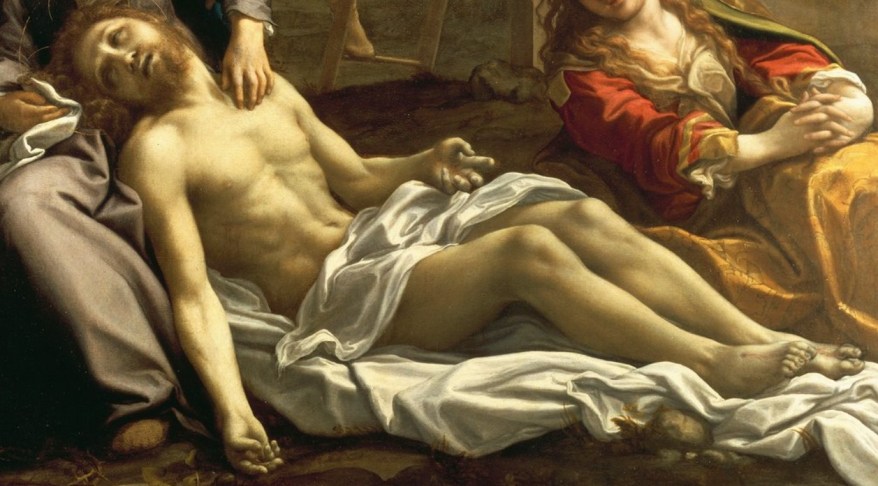
Il Compianto sul Cristo morto di Correggio: pathos e devozione
🇮🇹Con l’inizio della Settimana Santa, vi propongo il Compianto sul Cristo morto di Antonio Allegri, più noto come il Correggio: uno dei vertici assoluti della pittura emiliana del Cinquecento… 🇬🇧With the beginning of Holy Week, I propose the Lamentation over the Dead Christ by Antonio Allegri, better known as Correggio: one of the absolute peaks…
Condividi:


Questo sono io





sostienici

Sostienici – Support Us
Se questo blog ti piace e ti appassiona, puoi aiutarci a farlo crescere sempre più sostenendoci in modo concreto condividendo i post, seguendo le pagine social e con un contributo che ci aiuta ad andare avanti con il nostro lavoro di divulgazione. . ENGLISH: If you like and are passionate about this blog, you can help us make it grow more and more by supporting us in a concrete way by sharing posts, following social pages and with a contribution that helps us to move forward with our dissemination work.
€10,00


