
Cappella Sistina: il pennacchio con il Serpente di Bronzo
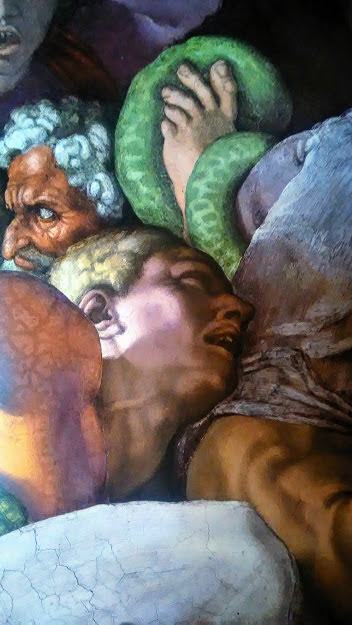
Entrando nella Cappella Sistina e guardando in alto, a sinistra dell’altare, vedrete raffigurata nel pennacchio la scena del Serpente di Bronzo, una delle quattro storie delle salvazioni di Israele che hanno come filo conduttore la protezione del popolo israelita da parte dell’Altissimo.
Qual è la storia raccontata in questa porzione di affresco? Ebbene, il popolo di Israele aveva messo in discussione Dio, mormorando falsità a discapito di Mosè. L’Altissimo allora gli inviò serpenti velenosi per punirli e uccidere i peccatori impenitenti. Mosè però si pentì della sua collera e forgiò un serpente di bronzo come antidoto.

Ogni persona morsicata dai serpenti velenosi poteva essere salvata da morte certa solo guardando negli occhi il serpentone di bronzo.
Nello spazio disponibile del pennacchio, volli ricreare il tumulto dei corpi intrecciati rendendolo ancora più inquietante attraverso l’utilizzo di colori in forte contrasto fra di loro.

Mi sbizzarrii nel creare scorci prospettici azzardati e dando vita a volti trasformati in vere e proprie maschere sfigurate dal dolore. Sembra di ritrovare dentro la scena lo stesso pathos che fa vivere all’osservatore il Laocoonte, opera al quale rinvenimento ebbi modo di assistere anch’io diversi anni prima, a Roma.
Il pennacchio con il Serpente di Bronzo è un momento che prefigura la crocefissione di Cristo come si può leggere nel vangelo di Giovanni:”come Mosè innalzò il serpente di bronzo nel deserto, così il figlio dell’uomo sarà innalzato”.
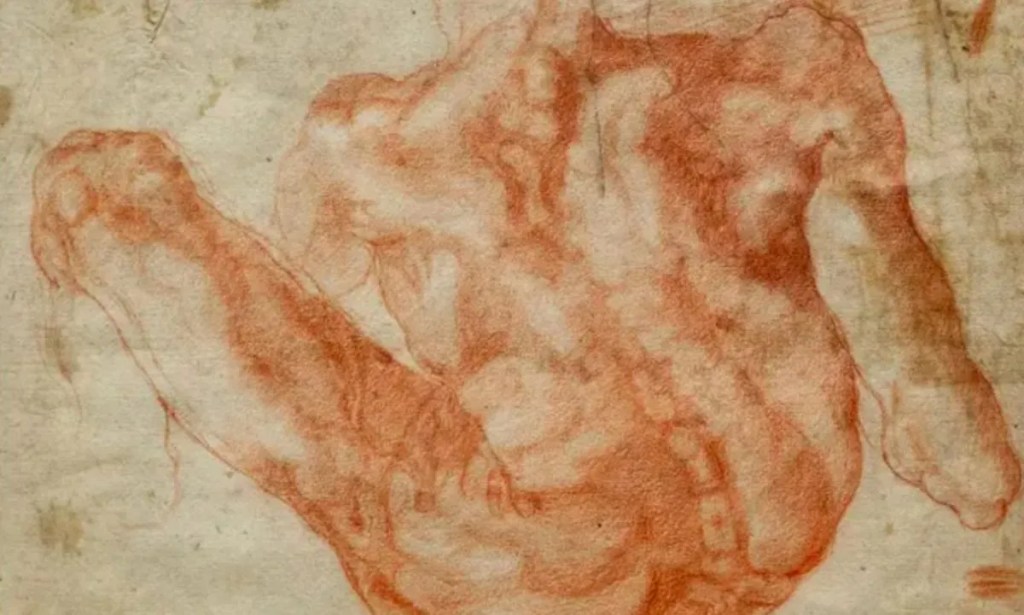
Recentemente, nel febbraio del 2023, è stato attribuito a me un disegno in gesso rosso, acquistato da un collezionista europeo anonimo nel 2014, relativo presumibilmente a una delle figure affrescate in questo pennacchio.
Si tratta di un uomo nudo visto di schiena, con il busto e una gamba in tensione. Paul Joannides, noto esperto dei lavori miei, avrebbe ricondotto quello studio a una delle scene che affrescai nella volta della Cappella Sistina e precisamente Il Serpente di Bronzo. Ve ne ho parlato QUA.
Per il momento il vostro Michelangelo Buonarroti vi saluta dandovi appuntamento ai prossimi post e sui social.

Sistine Chapel: the plume with the Brazen Serpent
Entering the Sistine Chapel and looking up, to the left of the altar, you will see the scene of the Bronze Serpent depicted in the plume, one of the four stories of the salvations of Israel whose leitmotif is the protection of the Israelite people by the Most High.
What is the story told in this portion of the fresco? Well, the people of Israel had questioned God, muttering falsehoods to the detriment of Moses. The Most High then sent them poisonous snakes to punish them and kill unrepentant sinners. However, Moses repented of his anger and forged a bronze serpent as an antidote.
Anyone bitten by venomous snakes could be saved from certain death just by looking the bronze serpent in the eye.
In the available space of the plume, I wanted to recreate the tumult of intertwined bodies making it even more disturbing through the use of strongly contrasting colors.
I indulged myself in creating risky perspective glimpses and giving life to faces transformed into real masks disfigured by pain. It seems to find within the scene the same pathos that makes the observer experience the Laocoon, a work which discovery I too was able to witness several years earlier, in Rome.
The plume with the Brazen Serpent is a moment that prefigures the crucifixion of Christ as can be read in the Gospel of John: “as Moses lifted up the bronze serpent in the desert, so shall the son of man be lifted up”.
Recently, in February 2023, a drawing in red chalk, acquired by an anonymous European collector in 2014, was attributed to me, presumably relating to one of the frescoed figures in this spandrel.
It is a naked man seen from the back, with the torso and one leg stretched out. Paul Joannides, a well-known expert on my works, would have traced that study back to one of the scenes I frescoed on the vault of the Sistine Chapel, namely The Bronze Serpent. I told you about it HERE.
For the moment, your Michelangelo Buonarroti greets you by making an appointment for the next posts and on social media.

Sostienici – Support Us
Se questo blog ti piace e ti appassiona, puoi aiutarci a farlo crescere sempre più sostenendoci in modo concreto condividendo i post, seguendo le pagine social e con un contributo che ci aiuta ad andare avanti con il nostro lavoro di divulgazione. . ENGLISH: If you like and are passionate about this blog, you can help us make it grow more and more by supporting us in a concrete way by sharing posts, following social pages and with a contribution that helps us to move forward with our dissemination work.
10,00 €
-
31 marzo 1889: inaugurata la Torre Eiffel tra critiche feroci e un destino inaspettato
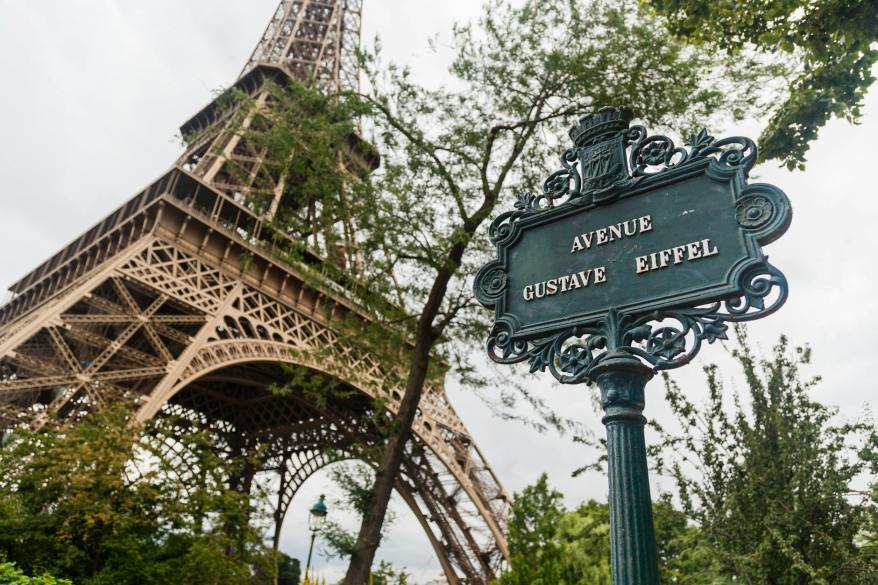
🇮🇹Il 31 marzo 1889 segna una data destinata a cambiare per sempre il volto di Parigi e dell’immaginario collettivo globale: viene inaugurata la Torre Eiffel, l’opera più audace e discussa del suo tempo… 🇬🇧March 31, 1889 marks a date destined to change the face of Paris and the global collective imagination forever: the Eiffel Tower,…
-
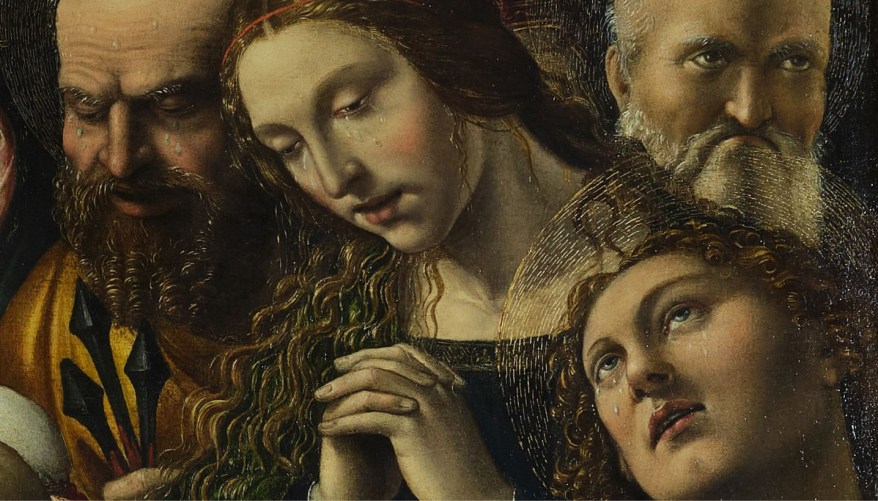
Sodoma in mostra a Torino: il Rinascimento al Museo Accorsi-Ometto
🇮🇹Al Museo di Arti Decorative Accorsi-Ometto arriva una mostra dedicata al Sodoma: oltre 50 opere, alcune mai viste prima, raccontano la formazione dell’artista e il suo dialogo con maestri come Pinturicchio… 🇬🇧An exhibition dedicated to Sodoma arrives at the Accorsi-Ometto Museum of Decorative Arts: over 50 works, some never before seen, recount the artist’s development…
-
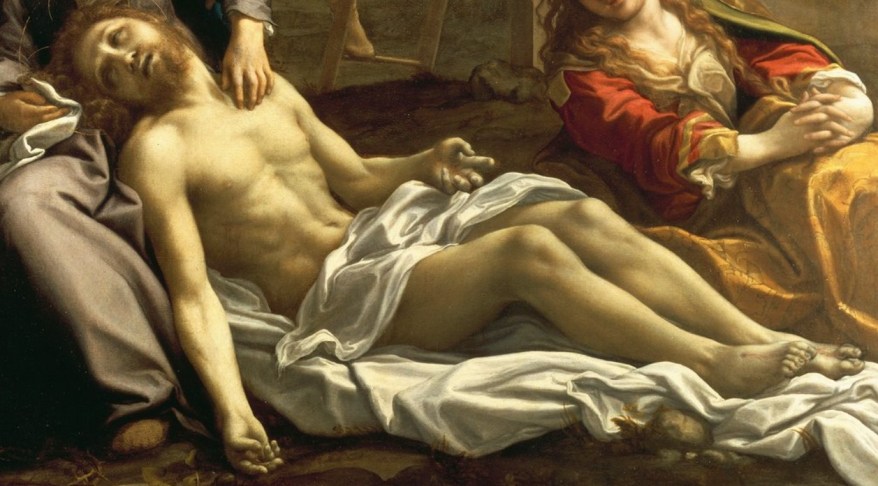
Il Compianto sul Cristo morto di Correggio: pathos e devozione
🇮🇹Con l’inizio della Settimana Santa, vi propongo il Compianto sul Cristo morto di Antonio Allegri, più noto come il Correggio: uno dei vertici assoluti della pittura emiliana del Cinquecento… 🇬🇧With the beginning of Holy Week, I propose the Lamentation over the Dead Christ by Antonio Allegri, better known as Correggio: one of the absolute peaks…
Condividi:


Questo sono io





sostienici

Sostienici – Support Us
Se questo blog ti piace e ti appassiona, puoi aiutarci a farlo crescere sempre più sostenendoci in modo concreto condividendo i post, seguendo le pagine social e con un contributo che ci aiuta ad andare avanti con il nostro lavoro di divulgazione. . ENGLISH: If you like and are passionate about this blog, you can help us make it grow more and more by supporting us in a concrete way by sharing posts, following social pages and with a contribution that helps us to move forward with our dissemination work.
€10,00


