

26 luglio: Sant’Anna raffigurata dagli artisti
Il 26 luglio è il giorno dedicato a Sant’Anna, la mamma della Madonna e nonna di Cristo.
Sant’Anna è la protettrice delle donne in dolce attesa e cosa singolare, non si fa menzione di lei nei quattro Vangeli canonici ma la sua presenza è confermata dai vangeli apocrifi della Natività e dell’Infanzia così come dal Protovangelo di Giacomo.
Nel corso dei secoli scorsi Sant’Anna è stata protagonista di tanti dipinti e raffigurata da artisti come Giotto, Leonardo da Vinci e Caravaggio, giusto per citarne alcuni.
Vediamo assieme alcune delle raffigurazioni più belle di Sant’Anna.
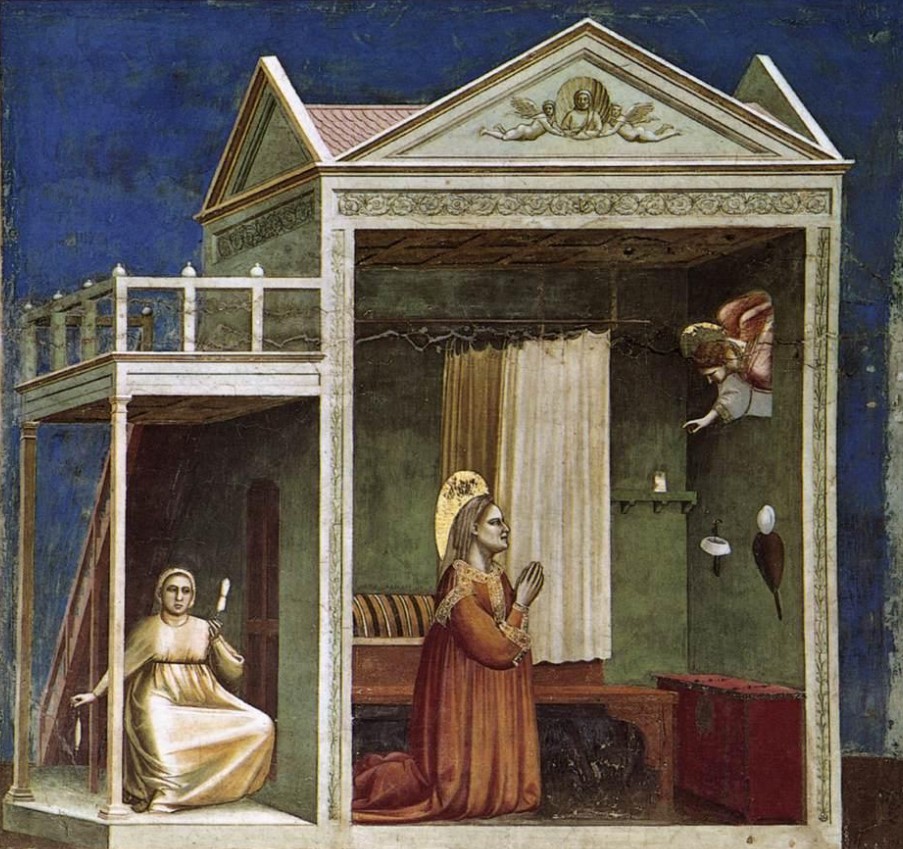
L’Annuncio a Sant’Anna di Giotto
L’Annuncio a Sant’Anna è un affresco di Giotto realizzato fra il 1303 e il 1305, facente parte delle Storie di Gioacchino e Anna nella Cappella degli Scrovegni a Padova.
Giotto dipinge Sant’Anna dandole l’aspetto di una donna con il volto segnato dal tempo. Mentre in ginocchio prega, le appare l’angelo che le annuncia il lieto evento. L’ambiente raffigurato è sobrio, umile e privo di decorazioni.
Alle spalle della scena principale si vede il letto dietro una tenda appesa al soffitto.
Sant’Anna, la Vergine e il Bambino di Leonardo da Vinci
Leonardo da Vinci dipinse tre generazioni assieme: Sant’Anna dietro alla Madonna e Gesù Bambino mentre gioca con un agnellino, simbolo della sua Passione futura e del suo sacrificio per la salvezza dell’umanità.
La Madonna siede sulle gambe della madre e protende le braccia verso di Lui gurdandolo con occhi amorevoli. Sant’Anna sorveglia la scena riuscendo a mantenere in equilibrio la Figlia che si sbilancia in avanti.
Il dipinto è databile attorno al 1510-1513 e oggi fa parte delle collezioni del Louvre.

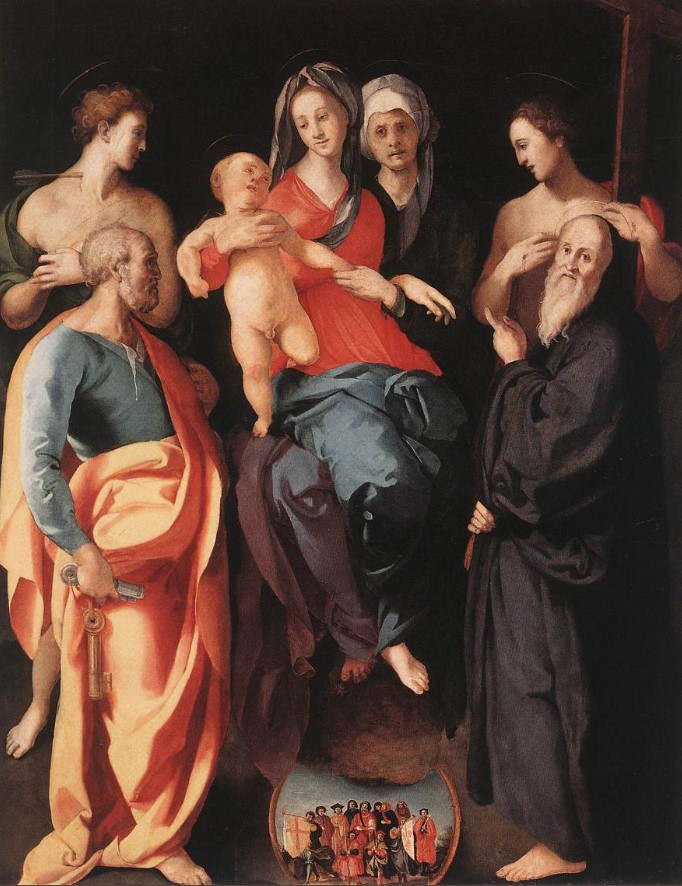
La Madonna col Bambino, Sant’Anna e quattro santi del Pontormo
Il Pontormo dipinse Sant’Anna assieme alla Madonna, al Bambino e a quattro santi per il convento di Sant’Anna in Verzaia, ubicato fuori dalla Porta San Frediano e che poi fu distrutto durante l’assedio di Firenze nel 1529.
L’artista dipinse su un fondo scuro il gruppo centrale della Vergine, la madre Anna e il Bambino scegliendo colori brillanti e contrasti luminosi che rimandano col pensiero direttamente alla Visitazione di Carmignano.
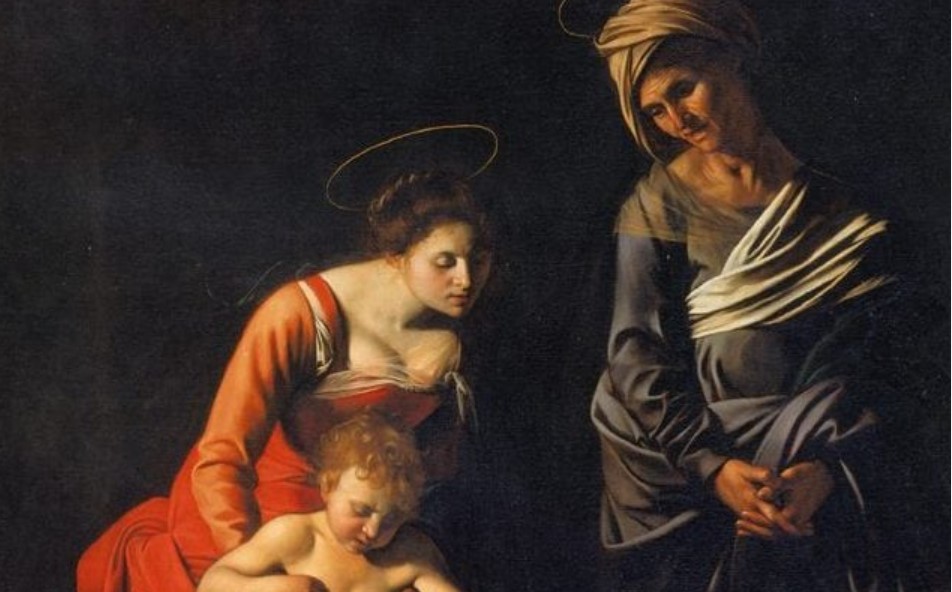
La Madonna dei Palafrenieri di Caravaggio
Caravaggio dipinge la Madonna dei Palafrenieri a olio su tela nel 1606, su commissione dell’importante arciconfraternita dei Palafrenieri Pontifici mediante l’intervento del cardinale Ascanio Colonna.
Sant’Anna osserva Gesù Bambino tenuto in piedi dalla Madonna che, con l’aiuto della Madre, schiaccia la testa a un serpente, simbolo del peccato originale e del male.
L’opera, oggi appartenente alle collezioni di Galleria Borghese, in origine era destinata alla cappella dei palafrenieri ubicata nella Nuova basilica di San Pietro In Vaticano. Avrebbe di fatto sostituito il dipinto di Sant’Anna Metterza. In quel luogo però l’opera di Caravaggio rimase per pochissimi tempo prima di essere collocata nella chiesa di Sant’Andrea dei Palafrenieri, a Roma.

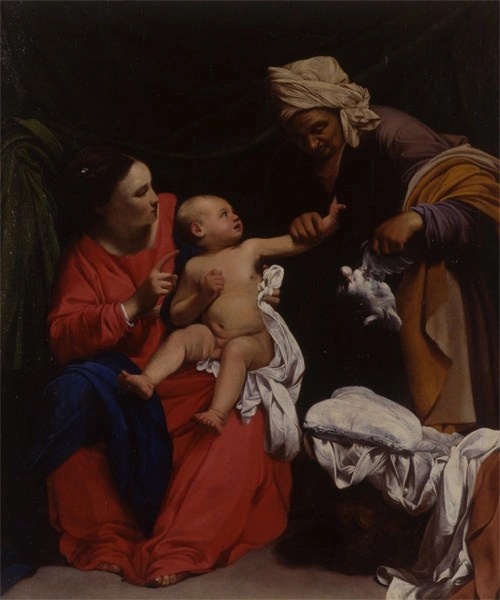
Madonna col Bambino e Sant’Anna di Carlo Saraceni
Fu Orazio Lancellotti nel 1610 a commissionare la tela della Madonna col Bambino e Sant’Anna a Carlo Saraceni, per il primo altare a destra della chiesa di San Simeone a Roma.
L’opera rimase lì fino a quando l’edificio fu raso al suolo, nel 1929 e successivamente fu portata alla Galleria Nazionale d’Arte Antica in Palazzo Barberini dove ancora si trova.
Questo dipinto ha molto a che fare con le scene di vita quotidiana della pittura fiamminga. La Madonna viene raffigurata da Saraceni come una giovane madre che sta parlando a suo Figlio il quale con la manina si aggrappa all’abito di Sant’Anna, sua nonna.
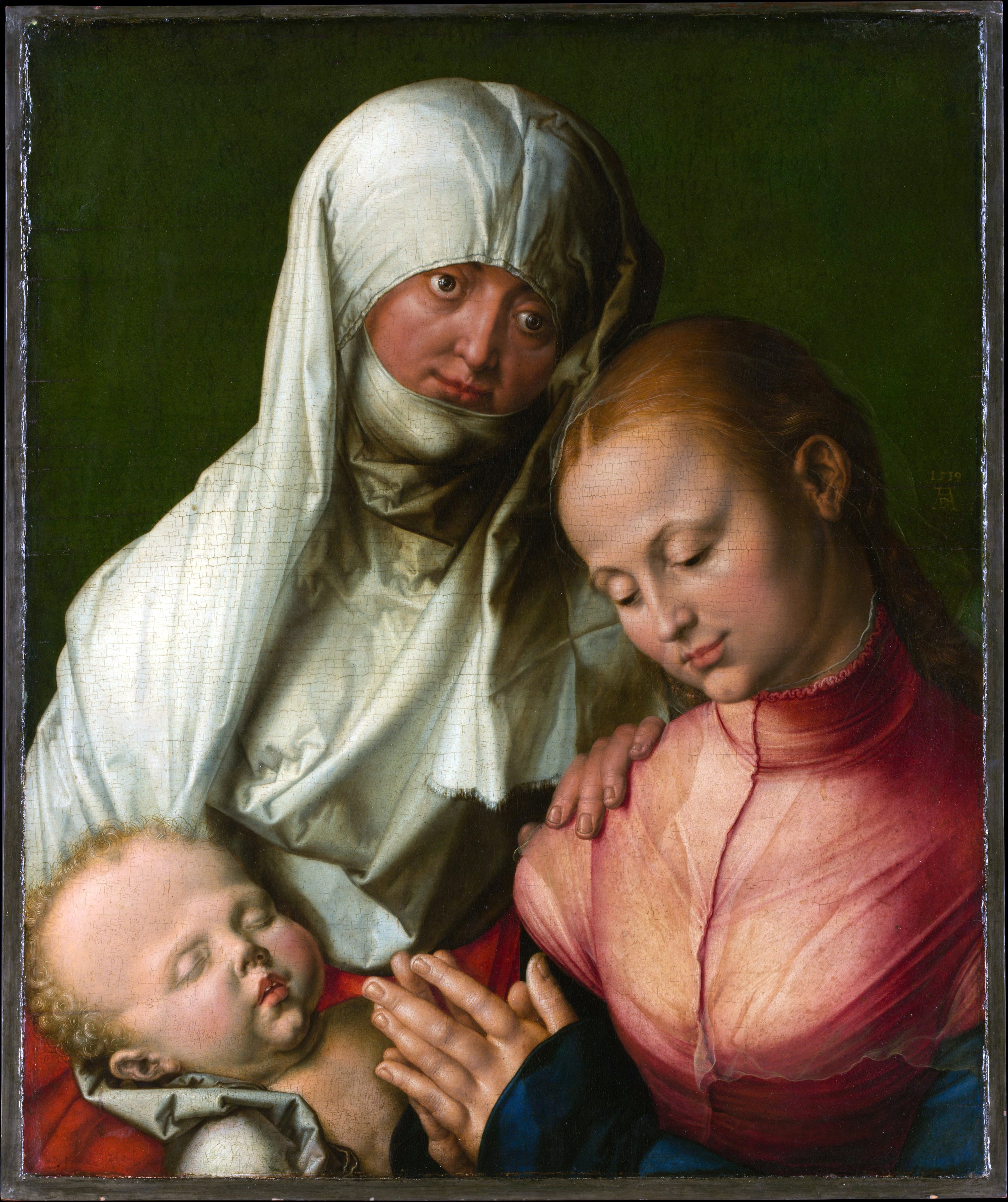
La Madonna con bambino e sant’Anna di Albrecht Durer
La Sant’Anna Metterza oggi si trova al Metropolitan Museum di New York ed è un dipinto a olio su tavola di Albrecht Durer che fu successiamente trasferito su tela, risalente al 1519.
A lungo quest’opera, a causa del cattivo stato di conservazione e per via di ridipinture successive, fu considerata una copia da Durer.
Per il momento il vostro Michelangelo Buonarroti vi saluta dandovi appuntamento ai prossimi post e sui social.
July 26: Sant’Anna depicted by the artists
July 26 is the day dedicated to Sant’Anna, the mother of the Madonna and grandmother of Christ.
Sant’Anna is the protector of pregnant women and a singular thing, there is no mention of her in the four canonical Gospels but her presence is confirmed by the apocryphal gospels of the Nativity and Childhood as well as by the Protoevangelium of James.
Over the past centuries, Sant’Anna has been the protagonist of many paintings and depicted by artists such as Giotto, Leonardo da Vinci and Caravaggio, just to name a few.
Let’s see together some of the most beautiful representations of Sant’Anna.
Giotto’s Announcement to Sant’Anna
The Announcement to Sant’Anna is a fresco by Giotto made between 1303 and 1305, part of the Stories of Joachim and Anna in the Scrovegni Chapel in Padua.
Giotto paints Sant’Anna giving her the appearance of a woman with a face marked by time. While she is on her knees praying to her, her angel appears to announce the happy event. The environment depicted is sober, humble and devoid of decorations.
Behind the main scene the bed can be seen behind a curtain hanging from the ceiling.
Saint Anne, the Virgin and Child by Leonardo da Vinci
Leonardo da Vinci painted three generations together: Sant’Anna behind the Madonna and the Child Jesus playing with a little lamb, symbol of his future Passion and his sacrifice for the salvation of humanity.
The Madonna sits on her mother’s legs and extends her arms towards him, looking at him with loving eyes. Sant’Anna watches over the scene managing to keep her daughter in balance, who leans forward.
The painting can be dated to around 1510-1513 and is now part of the Louvre collections.
The Madonna with Child, Saint Anne and four saints by Pontormo
Pontormo painted Sant’Anna together with the Madonna, Child and four saints for the convent of Sant’Anna in Verzaia, located outside the Porta San Frediano and which was later destroyed during the siege of Florence in 1529.
The artist painted the central group of the Virgin, the mother Anna and the Child on a dark background, choosing bright colors and bright contrasts that directly refer to the Visitation of Carmignano.
The Madonna of the Palafrenieri by Caravaggio
Caravaggio painted the Madonna dei Palafrenieri in oil on canvas in 1606, commissioned by the important archconfraternity of the Palafrenieri Pontifici through the intervention of Cardinal Ascanio Colonna.
Sant’Anna observes the Child Jesus held up by the Madonna who, with the help of the Mother, crushes the head of a snake, a symbol of original sin and evil.
The work, which now belongs to the collections of the Galleria Borghese, was originally intended for the chapel of the grooms located in the New Basilica of San Pietro in Vaticano. It would in fact have replaced the painting of Sant’Anna Metterza. In that place, however, Caravaggio’s work remained for a very short time before being placed in the church of Sant’Andrea dei Palafrenieri, in Rome.
Madonna and Child with Saint Anne by Carlo Saraceni
It was Orazio Lancellotti in 1610 who commissioned the canvas of the Madonna with Child and Saint Anne from Carlo Saraceni, for the first altar on the right of the church of San Simeone in Rome.
The work remained there until the building was razed to the ground in 1929 and was subsequently taken to the National Gallery of Ancient Art in Palazzo Barberini where it still is.
This painting has a lot to do with everyday life scenes in Flemish painting. The Madonna is depicted by Saracens as a young mother who is speaking to her Son who with his little hand clings to the dress of Saint Anna, her grandmother.
The Madonna and Child with Saint Anne by Albrecht Durer
The Sant’Anna Metterza today is located in the Metropolitan Museum of New York and is an oil painting on panel by Albrecht Durer which was later transferred to canvas, dating back to 1519.
For a long time this work, due to its poor state of conservation and subsequent repaintings, was considered a copy by Durer.
For the moment, your Michelangelo Buonarroti greets you by making an appointment for the next posts and on social media.

Sostienici – Support Us
Se questo blog ti piace e ti appassiona, puoi aiutarci a farlo crescere sempre più sostenendoci in modo concreto condividendo i post, seguendo le pagine social e con un contributo che ci aiuta ad andare avanti con il nostro lavoro di divulgazione. . ENGLISH: If you like and are passionate about this blog, you can help us make it grow more and more by supporting us in a concrete way by sharing posts, following social pages and with a contribution that helps us to move forward with our dissemination work.
8,00 €
-
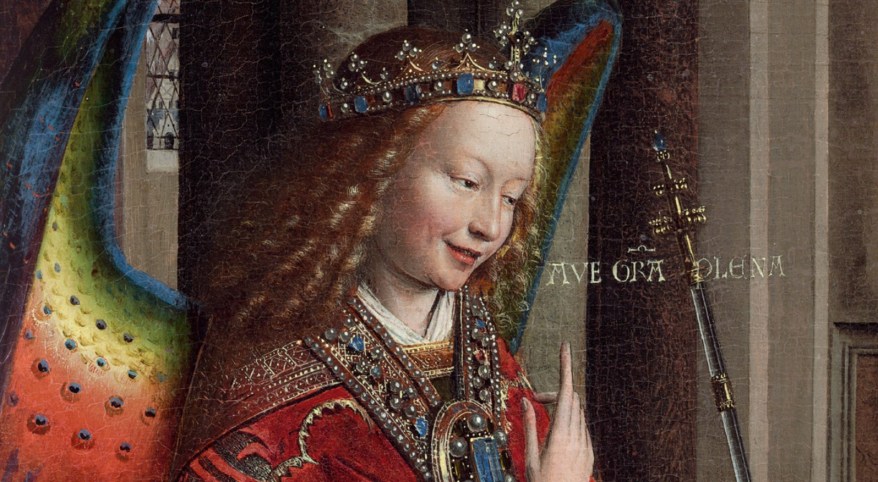
25 marzo: l’Annunciazione di Jan van Eyck, capolavoro fiammingo
🇮🇹Nel giorno del 25 marzo, tradizionalmente legato al mistero dell’Annunciazione, lo sguardo si posa su uno dei capolavori più raffinati della pittura nordica: l’Annunciazione di Jan van Eyck… 🇬🇧On March 25, traditionally linked to the mystery of the Annunciation, our gaze falls on one of the finest masterpieces of Northern European painting: The Annunciation by…
-
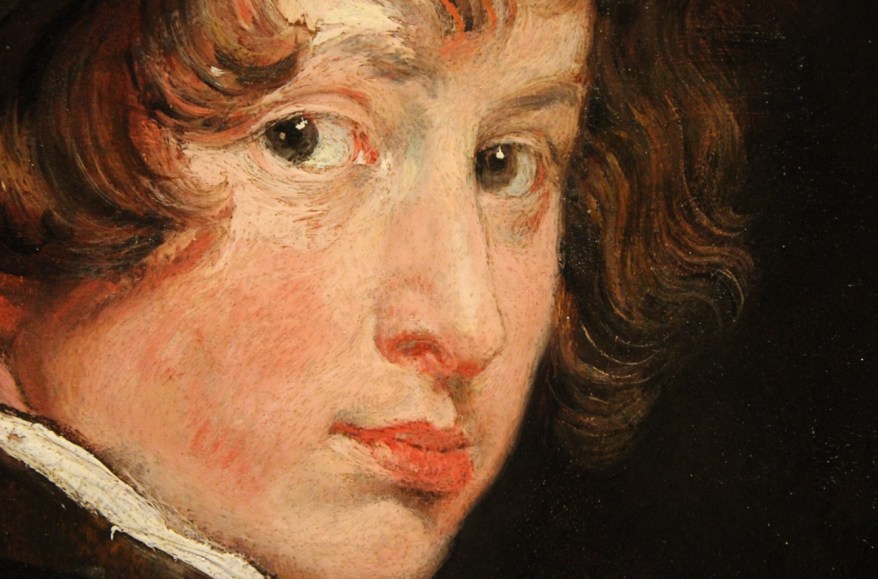
Van Dyck a Genova: la mostra che emoziona tra luce, mirabili dettagli e sguardi indimenticabili
🇮🇹Ho avuto modo di visitare la mostra “Van Dyck l’Europeo” a Genova: un viaggio emozionante tra Anversa, Genova e Londra attraverso dettagli, sguardi e capolavori senza tempo… 🇬🇧I had the opportunity to visit the exhibition “Van Dyck the European” in Genoa: an exciting journey between Antwerp, Genoa, and London through details, glances, and timeless masterpieces…
-
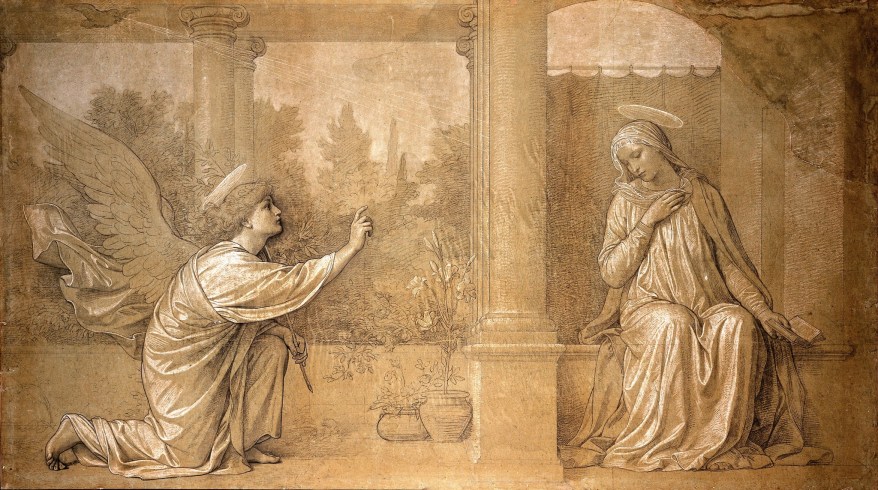
Quando il Capodanno cadeva il 25 marzo: l’Annunciazione di Alessandro Franchi
🇮🇹Il 25 marzo si celebra l’Annunciazione che per secoli, a Firenze e nel resto della Toscana, segnava l’inizio del nuovo anno. Tra le opere più suggestive che raffigurano l’Annunciazione, vi propongo il cartone realizzato da Alessandro Franchi intorno al 1884… 🇬🇧March 25th marks the celebration of the Annunciation, which for centuries marked the beginning of…
Condividi:


Questo sono io





sostienici

Sostienici – Support Us
Se questo blog ti piace e ti appassiona, puoi aiutarci a farlo crescere sempre più sostenendoci in modo concreto condividendo i post, seguendo le pagine social e con un contributo che ci aiuta ad andare avanti con il nostro lavoro di divulgazione. . ENGLISH: If you like and are passionate about this blog, you can help us make it grow more and more by supporting us in a concrete way by sharing posts, following social pages and with a contribution that helps us to move forward with our dissemination work.
€10,00


