
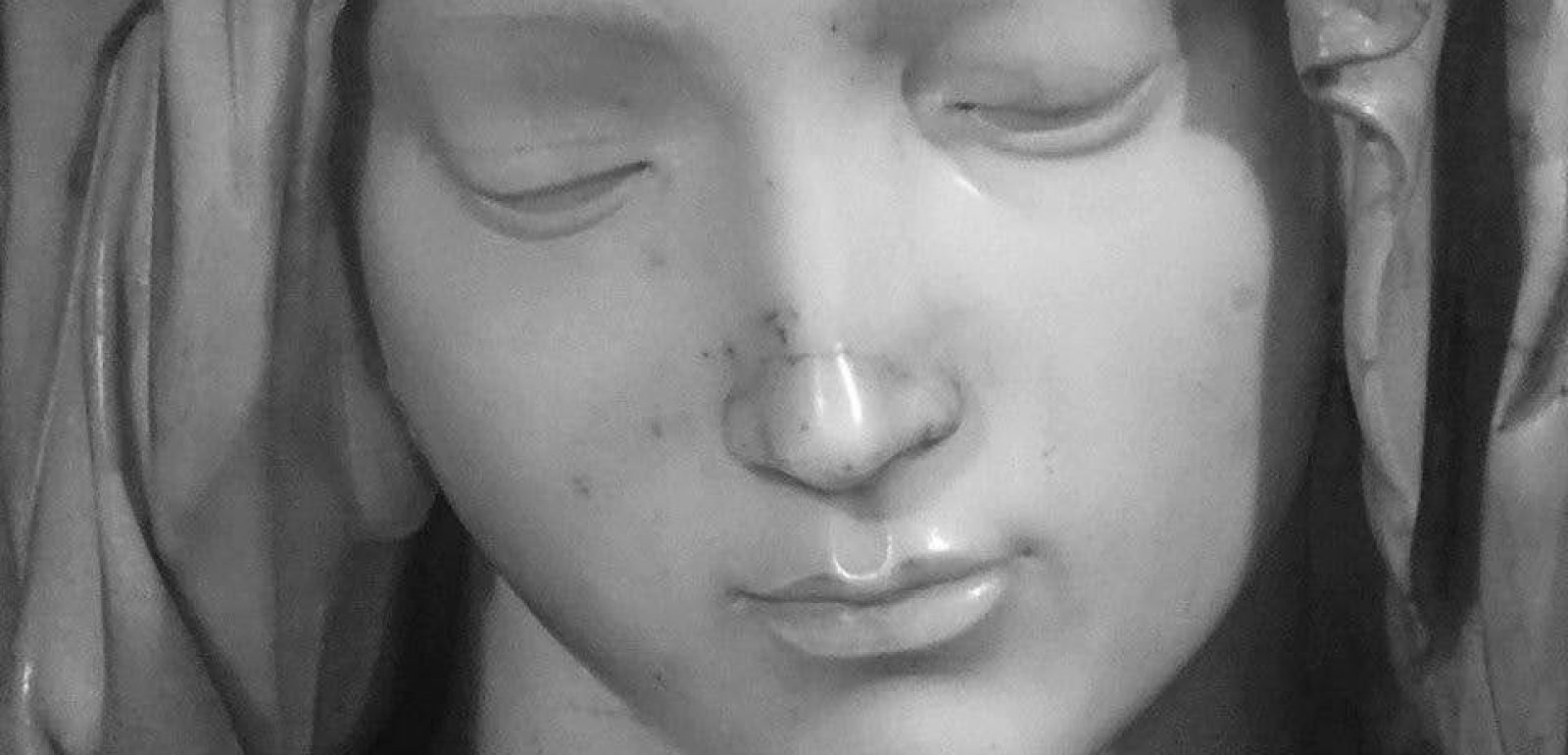
Michelangelo rapito: in mostra l’arte in guerra e il racconto della mia Testa di Fauno trafugata
“Michelangelo rapito – Capolavori in guerra dagli Uffizi al Casentino“ è la nuova mostra allestita presso il Castello di Poppi nel Casentino che ricostruisce puntualmente il salvataggio del patrimonio artistico fiorentino durante la seconda guerra mondiale.
Proprio il Castello di Poppi assieme al monastero di Camaldoli e a Villa Bocci di Soci furono per quattro anni luoghi fondamentali per la salvaguardia dell’arte. Fra il 1940 e il 1944 lì furono nascoste un gran numero di opere provenienti dai miei fiorentini nel tentativo di proteggerle dai bombardamenti e da possibili trafugamenti.
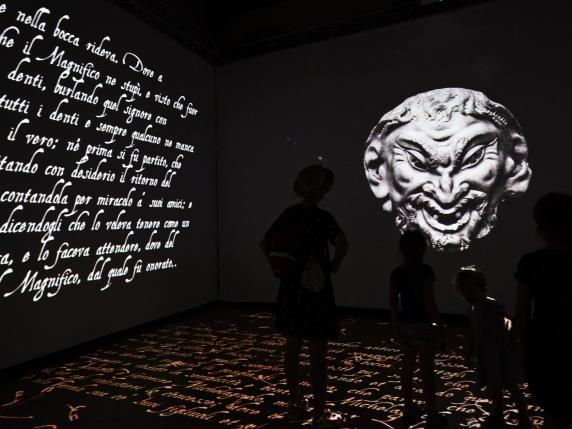
La mostra prende il titolo dalla Maschera del Fauno alla quale cavai i denti dopo l’osservazione di Lorenzo il Magnifico. Quel mascherone in marmo fu ricoverato nelle ex Scuderie del Castello di Poppi assieme a tanti altri capolavori come il mio Tondo Doni, la Madonna del Cardellino di Raffaello e la Nascita di Venere di Botticelli mentre il Monastero di Camaldoli custodì capolavori di Leonardo, Beato Angelico, Tiziano e Piero della Francesca.
Nonostante tutte le precauzioni che erano state prese per evitare proprio che le opere potessero essere trovate da malintenzionati, gli ufficiali delle SS della 305° divisione riuscirono ad entrare nel Castello di Poppi con un espediente e, oltre al mio Fauno si portarono via anche altre preziose opere.
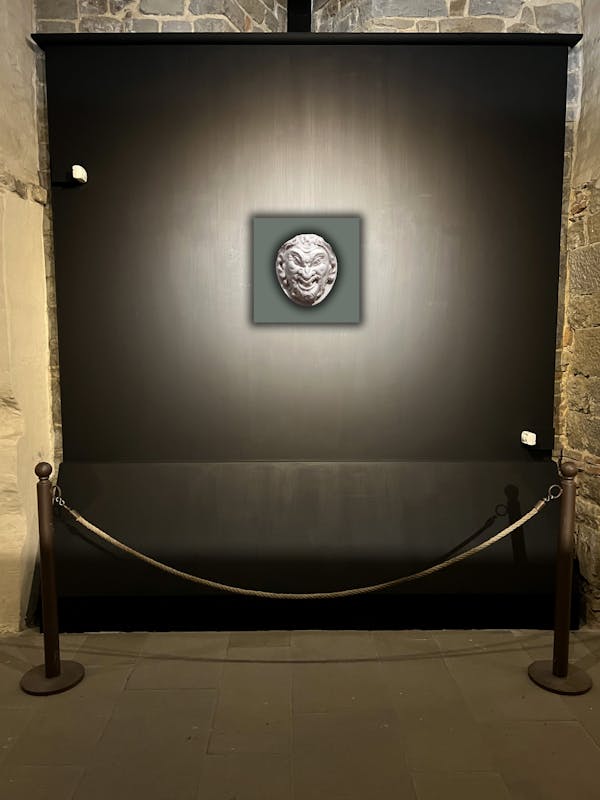
La Maschera del Fauno non fu più restituita e oggi è data per perduta. Aggiungo che quel mascherone era attribuito a me e avendolo fra le mani oggi, sarebbe possibile studiarlo in modo più dettagliato e condurre indagini approfondite che forse aiuterebbero a capirne un po’ di più in merito alla sua originalità o meno.
La mostra “Michelangelo rapito – Capolavori in guerra dagli Uffizi al Casentino“ inserita ne programma degli Uffizi Diffusi e racconta il salvataggio delle centinaia di opere proponendo al contempo un’esperienza immersiva con immagini in alta definizione.
La ricostruzione delle vicende del patrimonio artistico durante la Seconda Guerra Mondiale proposta dalla mostra è un argomento interessante, complesso e che è stato possibile fare solo mediante un’attenta ricerca archivistica e iconografica che ha fatto emergere foto storiche, filmati d’epoca e documenti fino al momento mai pubblicati.
Il percorso espositivo
Il percorso espositivo è articolato nel Cortile del Castello e nelle ex scuderie al piano terra, con opere d’arte, fotografie e filmati d’epoca, documenti archivistici e bibliografici.
Sono presenti la copia in gesso della mia testa di Fauno abitualmente esposta agli Uffizi e realizzata nel 2013 a cura dell’Istituto d’Arte di Porta Romana a Firenze su una matrice ottocentesca e antiche edizioni della Vita di Michelangelo del Vasari oltre che documenti originali dell’archivio degli Uffizi che ricostruiscono puntualmente la corsa contro il tempo per mettere al riparo le opere dei musei fiorentini.

Dagli Uffizi arriva anche il Ritratto di Giovanni II Bentivoglio di Lorenzo Costa, un dipinto emblematico per le vicende che lo riguardarono. Fu custodito nel Castello di Poppi dal novembre 1940 all’agosto 1944, momento in cui fu requisita e portata dall’esercito tedesco in Alto Adige e tornò a Firenze nel luglio 1945
Il Gabinetto fotografico degli Uffizi ha messo a disposizione gli spettacolari scatti fotografici che documentano il trasloco senza precedenti delle opere nei rifugi di campagna.
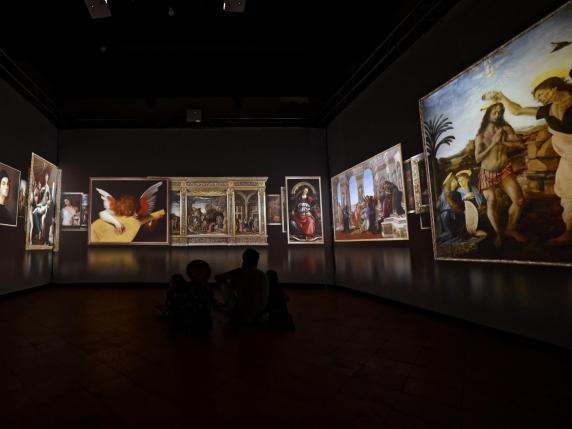
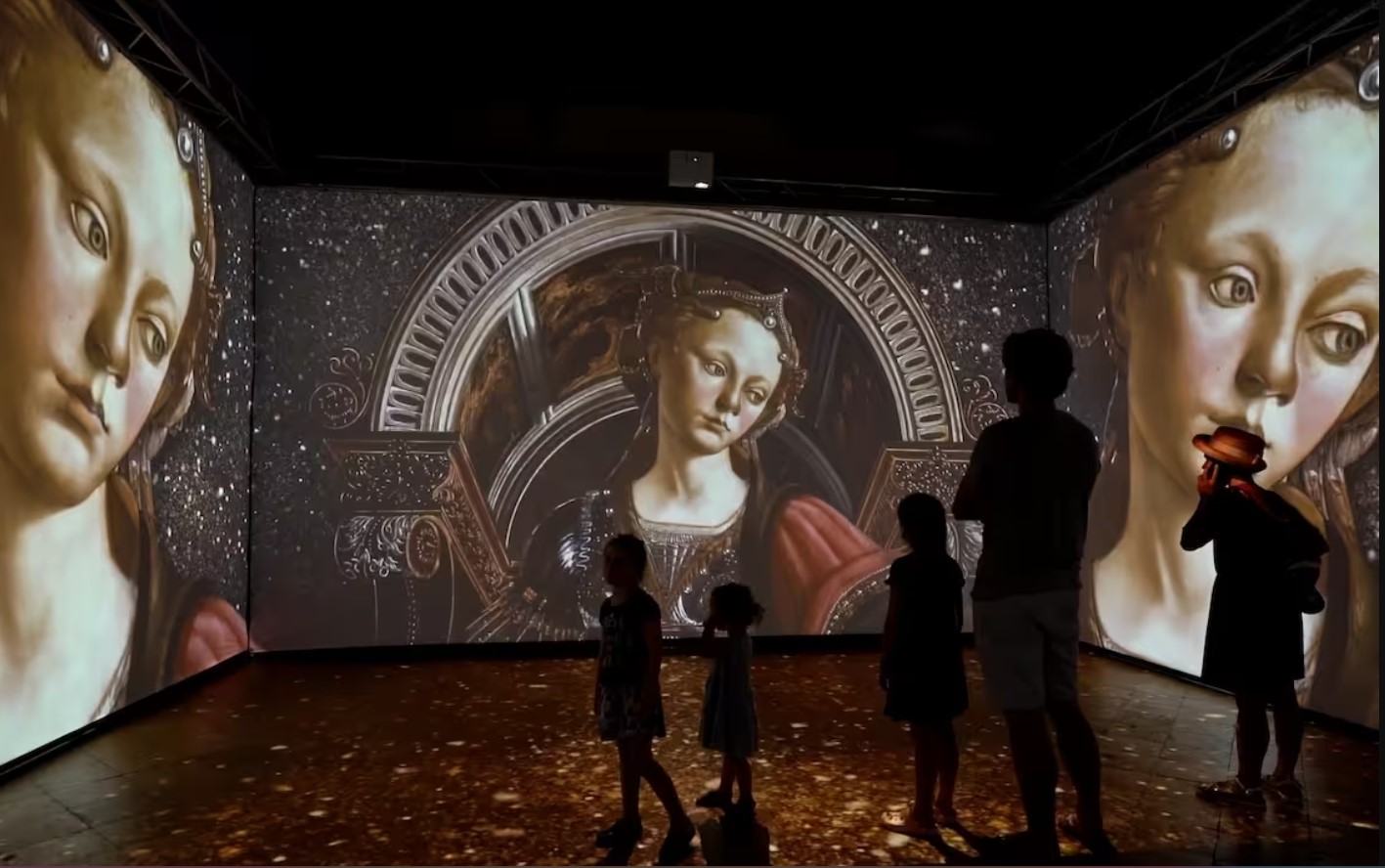
La mostra espositiva è affiancata alle suggestioni di un’esperienza immersiva, allestita negli ambienti della Biblioteca Rilliana. Il pavimento e le pareti riprodurranno particolari in alta definizione di opere legate agli Uffizi come il Tondo Doni di Michelangelo, la Madonna del Cardellino di Raffaello, l’Annunciazione di Leonardo o la Medusa di Caravaggio.
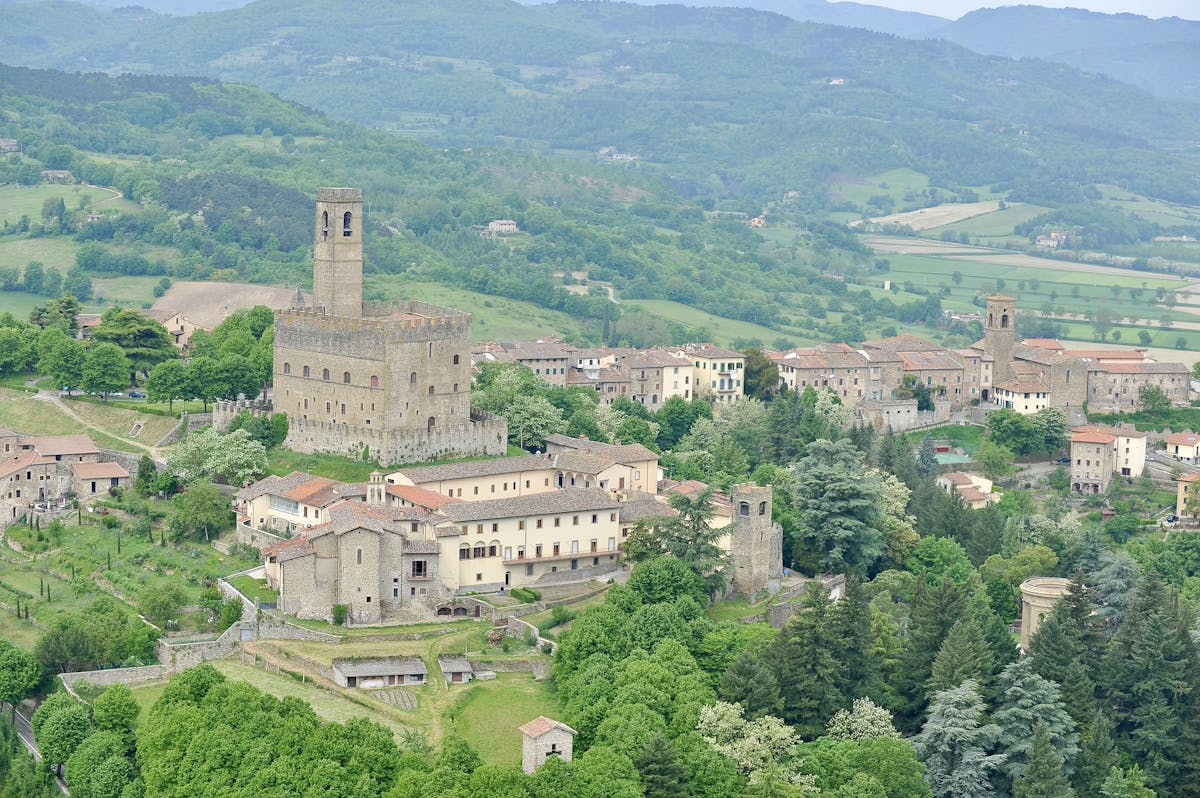
La mostra “Michelangelo rapito – Capolavori in guerra dagli Uffizi al Casentino“ curata da Alessia Cecconi, rimarrà aperta al pubblico dal 20 luglio fino al 28 gennaio 2024.
Per il momento il vostro Michelangelo Buonarroti vi saluta dandovi appuntamento ai prossimi post e sui social.
Kidnapped Michelangelo: art in war on display and the story of my stolen Faun’s Head
“Michelangelo Kidnapped – Masterpieces at War from the Uffizi to the Casentino” is the new exhibition set up at the Castle of Poppi in the Casentino that punctually reconstructs the rescue of the Florentine artistic heritage during the Second World War.
Just the Castle of Poppi together with the monastery of Camaldoli and Villa Bocci di Soci were for four years fundamental places for the protection of art. Between 1940 and 1944 a large number of works from my Florentines were hidden there in an attempt to protect them from bombings and thefts.
The exhibition takes its title from the Mask of the Faun which I pulled out after the observation of Lorenzo the Magnificent. That marble mask was kept in the former Stables of the Castle of Poppi together with many other masterpieces such as my Tondo Doni, the Madonna del Cardellino by Raphael and the Birth of Venus by Botticelli, while the Camaldoli Monastery housed masterpieces by Leonardo, Beato Angelico, Tiziano and Piero della Francesca.
Despite all the precautions that had been taken to prevent the works from being found by ill-intentioned people, the SS officers of the 305th division managed to enter the Castle of Poppi with an expedient and, in addition to my Faun, they also took away other precious works.
The Mask of the Faun was never returned and is now considered lost. I would add that that mask was attributed to me and having it in my hands today, it would be possible to study it in more detail and conduct in-depth investigations which would perhaps help to understand a little more about its originality or otherwise.
The exhibition “Michelangelo kidnapped – Masterpieces at war from the Uffizi to the Casentino” included in the program of the Uffizi Diffusi and tells the story of the rescue of hundreds of works while offering an immersive experience with high definition images.
The reconstruction of the events of the artistic heritage during the Second World War proposed by the exhibition is an interesting, complex topic which has only been possible through careful archival and iconographic research which has brought to light historical photos, period films and documents never published until now.
The exhibition itinerary
The exhibition itinerary is articulated in the courtyard of the castle and in the former stables on the ground floor, with works of art, period photographs and films, archival and bibliographic documents.
There is the plaster copy of my head of Faun usually exhibited in the Uffizi and created in 2013 by the Istituto d’Arte di Porta Romana in Florence on a 19th-century matrix and ancient editions of Vasari’s Life of Michelangelo as well as original documents from the Uffizi archive which punctually reconstruct the race against time to shelter the works of Florentine museums.
The Portrait of Giovanni II Bentivoglio by Lorenzo Costa also comes from the Uffizi, an emblematic painting for the events that concerned him. It was kept in the Castle of Poppi from November 1940 to August 1944, when it was requisitioned and taken by the German army to Alto Adige and returned to Florence in July 1945
The Uffizi photographic department has made available the spectacular photographic shots documenting the unprecedented move of the works to country shelters and the destruction to which they would have been subjected.
The exhibition is accompanied by the suggestions of an immersive experience, set up in the rooms of the Rilliana Library. The floor and walls will reproduce details in high definition of works linked to the Uffizi such as Michelangelo’s Tondo Doni, Raphael’s Madonna del Cardellino, Leonardo’s Annunciation or Caravaggio’s Medusa.
The exhibition “Michelangelo Kidnapped – Masterpieces at War from the Uffizi to the Casentino” curated by Alessia Cecconi, will remain open to the public from 20 July until 28 January 2024.
For the moment, your Michelangelo Buonarroti greets you by making an appointment for the next posts and on social media.

Sostienici – Support Us
Se questo blog ti piace e ti appassiona, puoi aiutarci a farlo crescere sempre più sostenendoci in modo concreto condividendo i post, seguendo le pagine social e con un contributo che ci aiuta ad andare avanti con il nostro lavoro di divulgazione. . ENGLISH: If you like and are passionate about this blog, you can help us make it grow more and more by supporting us in a concrete way by sharing posts, following social pages and with a contribution that helps us to move forward with our dissemination work.
8,00 €
-
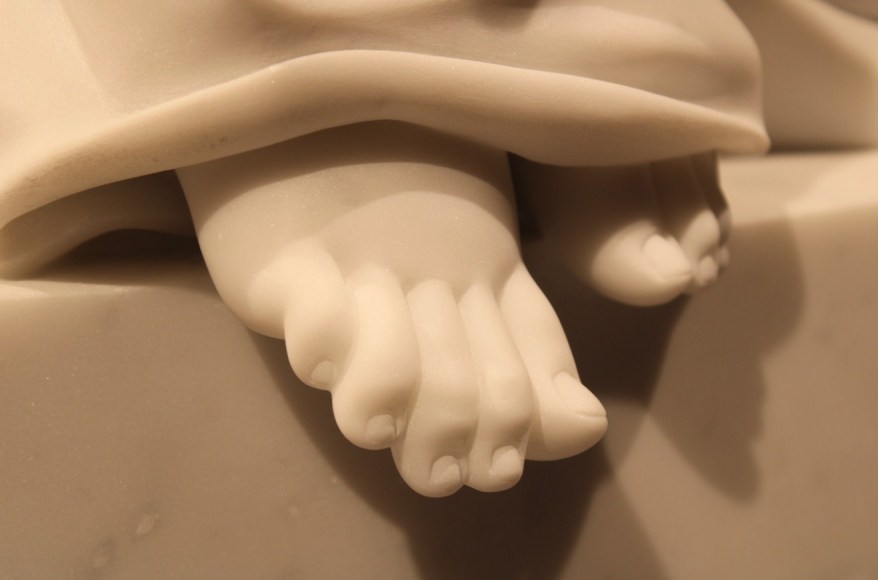
La Pietà di Tincolini: a Pontedera l’arte torna a fare domande scomode
🇮🇹“Pietà”, la scultura di Filippo Tincolini, insieme alle parole di Federico Quaranta e Andrea Pezzi, non è stato solo uno spettacolo. È stata una domanda lanciata in faccia al pubblico, impossibile da evitare: siamo ancora capaci di provare pietà? 🇬🇧 “Pietà,” Filippo Tincolini’s sculpture, along with the words of Federico Quaranta and Andrea Pezzi, wasn’t…
-
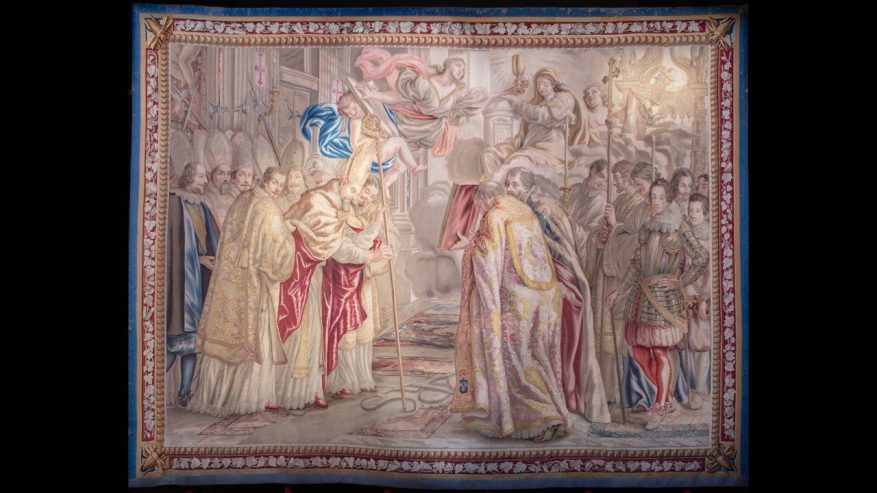
Ai Musei Vaticani i fasti barocchi di Urbano VIII: in mostra gli arazzi della manifattura Barberini
🇮🇹A quattro secoli dalla consacrazione della Basilica di San Pietro, i Musei Vaticani dedicano una mostra all’Arazzeria Barberini, simbolo di una cultura visiva capace di fondere magnificenza estetica e affermazione politica… 🇬🇧Four centuries after the consecration of St. Peter’s Basilica, the Vatican Museums are dedicating an exhibition to the Barberini Tapestry Factory, a symbol of…
-
Le Opere della Pasqua: come la Resurrezione ha ispirato Arte e Cultura
🇮🇹La Pasqua, oltre ad essere una ricorrenza religiosa è un momento in cui la storia, l’arte e la spiritualità si intrecciano per raccontare il fulcro della fede cristiana: la resurrezione di Cristo. .. 🇬🇧Easter, beyond being a religious holiday, is a moment when history, art, and spirituality intertwine to recount the core of the Christian…
Condividi:


Questo sono io





sostienici

Sostienici – Support Us
Se questo blog ti piace e ti appassiona, puoi aiutarci a farlo crescere sempre più sostenendoci in modo concreto condividendo i post, seguendo le pagine social e con un contributo che ci aiuta ad andare avanti con il nostro lavoro di divulgazione. . ENGLISH: If you like and are passionate about this blog, you can help us make it grow more and more by supporting us in a concrete way by sharing posts, following social pages and with a contribution that helps us to move forward with our dissemination work.
€10,00


1 commento »