

La scheggia sul petto
Fra gli ignudi che affrescai non vi può sfuggire la presenza di uno di loro che ha una scheggia di intonaco dipinto in mezzo al petto, al centro di quello che è un evidente distacco di colore.
Vi siete mai chiesti perché c’è quel frammento di colore al centro di una lacuna in cui è andata perduta la porzione di affresco?
Sedetevi comodi che vi racconto anche questa singolare storia che inizia nel 1570.

L’ignudo in questione si trova al di sopra della Sibilla Persica e mostra un’ampia crepa al di sotto della base del collo. Il Carnevali provvide a chiudere quella fessura con malta, aggiungendo chiodi di ferro di sicurezza, antenati delle staffe.
Per procedere con la stuccatura, riempì la parte più profonda della crepa adoperando proprio il frammento d’affresco che oggi compare su petto dell’ignudo.
Quel frammento posizionato là dentro nel 1570, fu rinvenuto durante gli ultimi lavori di restauro. Demolendo la stuccatura del Carnevali ritoccata ad acquerello per renderla meno visibile, Maurizio Rossi la ritrovò.

Fu una scoperta di non poco valore già che, analizzandolo, si scoperse che era privo degli strati di colla stesi a posteriori che con il tempo si erano ossidati e sporcati ulteriormente con polvere e i fumi delle candele.
Così la scheggia fu riposizionata al suo posto e la nuova stuccatura acquerellata per attenuare il salto cromatico fra l’incarnato dell’ignudo e quello della stuccatura stessa.
Per il momento il vostro Michelangelo Buonarroti vi saluta dandovi appuntamento ai prossimi post e sui social.

The splinter on the chest
Among the nudes that I frescoed, you cannot miss the presence of one of them who has a splinter of painted plaster in the middle of his chest, in the center of what is an evident detachment of colour.
Have you ever wondered why there is that fragment of color in the center of a gap in which the portion of the fresco has been lost?
Sit back and let me tell you this singular story that begins in 1570.
The ignudo in question is located above the Persian Sibyl and shows a large crack below the base of the neck. Carnevali provided to close that fissure with mortar, adding safety iron nails, ancestors of the stirrups.
To proceed with the grouting, he filled the deepest part of the crack using the very fragment of fresco that today appears on the chest of the nude.
That fragment placed there in 1570 was found during the last restoration works. By demolishing the stucco of Carnevali retouched in watercolor to make it less visible, Maurizio Rossi found it again.
It was a discovery of no small value since, analyzing it, it was discovered that it was devoid of the layers of glue applied afterwards which over time had oxidized and further soiled with dust and candle fumes.
Thus the splinter was repositioned in its place and the new grouting was painted with watercolors to attenuate the chromatic leap between the flesh of the nude and that of the grouting itself.
For the moment, your Michelangelo Buonarroti greets you by making an appointment for the next posts and on social media.

Sostienici – Support Us
Se questo blog ti piace e ti appassiona, puoi aiutarci a farlo crescere sempre più sostenendoci in modo concreto condividendo i post, seguendo le pagine social e con un contributo che ci aiuta ad andare avanti con il nostro lavoro di divulgazione. . ENGLISH: If you like and are passionate about this blog, you can help us make it grow more and more by supporting us in a concrete way by sharing posts, following social pages and with a contribution that helps us to move forward with our dissemination work.
8,00 €
-

Lo chiamiamo amore, ma è nostalgia del cielo
🇮🇹In questi versi, che di primo acchito possono sembrarvi lievi, si cela la stessa forza e lo stesso sudore che impiegai per scolpire… 🇬🇧In these verses, which at first glance may seem light, lies the same strength and sweat that I used to sculpt.
-
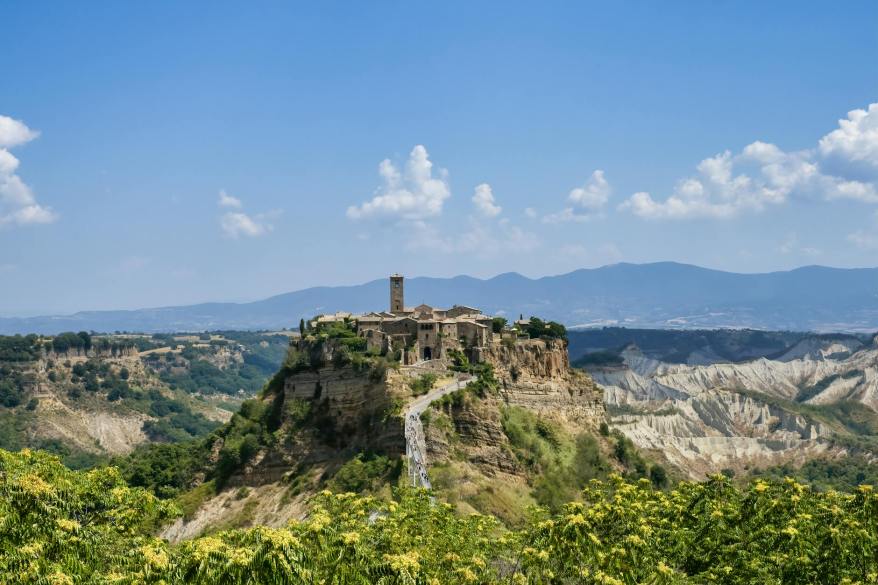
Sospesa tra cielo e terra: la storia millenaria di Civita di Bagnoregio
C’è un luogo in Italia che sembra uscito da un sogno, un borgo che resiste al tempo e alla natura, diventando oggi una delle mete più affascinanti per chi ama arte, storia e paesaggi mozzafiato. Civita di Bagnoregio, nel cuore del Lazio è un racconto vivente che attraversa secoli. Dalle origini etrusche alla città che…
-
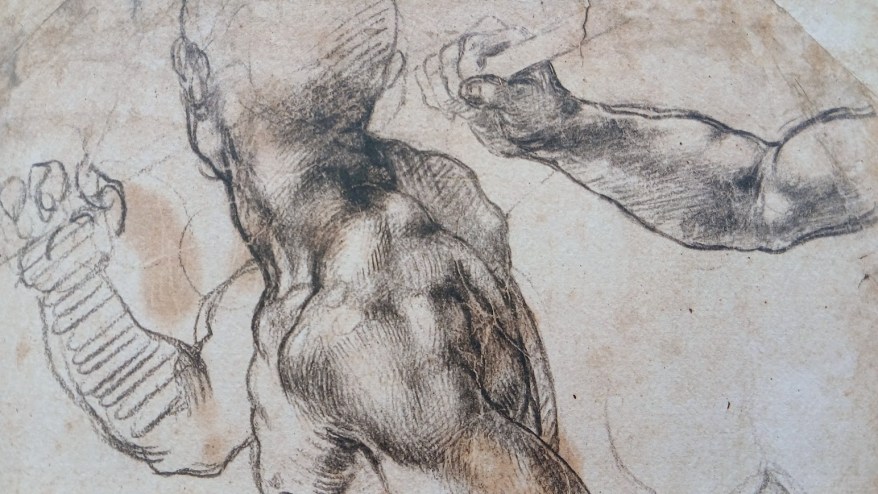
27 aprile, Giornata mondiale del Disegno: il mio studio di un soldato
🇮🇹Oggi 27 aprile si celebra la Giornata mondiale del Disegno e proprio nel dì in cui si celebra la massima arte, vi conduco dentro uno dei miei studi: il Soldato nudo che nacque per la Battaglia di Cascina, oggi custodito al Teylers Museum di Haarlem… 🇬🇧Today, April 27th, is World Drawing Day, and on the…
Condividi:


Questo sono io




sostienici

Sostienici – Support Us
Se questo blog ti piace e ti appassiona, puoi aiutarci a farlo crescere sempre più sostenendoci in modo concreto condividendo i post, seguendo le pagine social e con un contributo che ci aiuta ad andare avanti con il nostro lavoro di divulgazione. . ENGLISH: If you like and are passionate about this blog, you can help us make it grow more and more by supporting us in a concrete way by sharing posts, following social pages and with a contribution that helps us to move forward with our dissemination work.
€10,00


conoscere la storia di un’opera d’arte nei dettagli vuo dire apprezzarla maggiormente…grazie :-)*
"Mi piace"Piace a 1 persona
grazie :-*
"Mi piace"Piace a 1 persona