

La Scultura del giorno: il Duca di Montausier di Mouchy
La scultura che vi propongo oggi è l’opera che ritrae il Duca di Montausier, scolpita da Louis-Philippe Mouchy nel 1781.
Il duca Charles de Sainte-Maure fu immortalato a figura intera solo dopo che se ne fu andato dal mondo terreno. Era uno dei gran guardiani del delfino di Francia Luigi, il primogenito di Re Sole Luigi XIV e della Regina Maria Teresa, primo in linea di successione al trono francese.
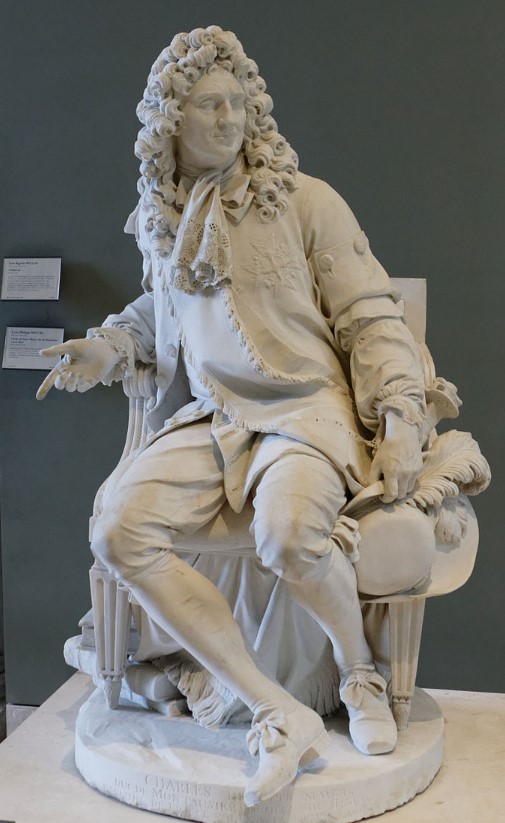
La cosa che più di altre attrae l’attenzione in questa scultura è l‘elaborata lavorazione del marmo e la resa dei dettagli particolarmente realistica.
Osservate i boccoli della parrucca, il fazzoletto da collo bordato in pizzo sottile e straforato, i bottoni della giacca, le pieghe delle maniche ma anche la fattura delle calzature, così precisa e particolareggiata con quelle calze che scendono creando le pieghe proprio a ridosso delle scarpe.

L’opera fu commissionata a Mouchy dal Conte d’Angiviller nel 1781, direttore generale dei palazzi del Re, per la serie delle sculture dei Grandi Uomini di Francia, menzionati nell’elenco redatto il 26 dicembre del 1779.
L’artista Louis-Philippe Mouchy era nato a Parigi nel 1734 e fu ammesso all’Accademia d’Arte presentando nel 1768 l’opera del Pastore in riposo. Fu uno degli allievi più promettenti di Jean Baptiste Pigalle e nel corso della sua carriera fu particolarmente apprezzato e ricercato soprattutto per scolpire ritratti.
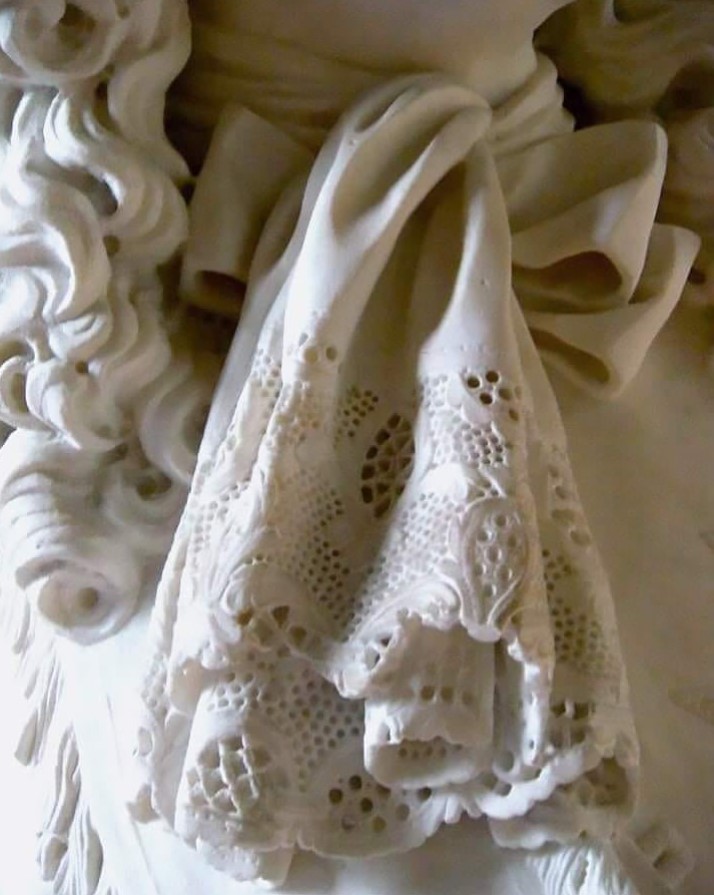
Il Louvre custodisce sia la scultura in marmo presentata al pubblico durante il Salone di Parigi del 1789 che il modello in gesso, proposto nel 1781 sempre al salone francese.
La raffinata opera del Duca di Montausier la potete ammirare presso la Galerie des Grands Hommes al Museo del Louvre.
Per il momento il vostro Michelangelo Buonarroti vi saluta dandovi appuntamento ai prossimi post e sui social.

Sculpture of the day: the Duke of Montausier by Mouchy
The sculpture that I propose to you today is the work that portrays the Duke of Montausier, sculpted by Louis-Philippe Mouchy in 1781.
Duke Charles de Sainte-Maure was immortalized in full length only after he was gone from the earthly world. He was one of the grand guardians of the Dauphin of France Louis, the eldest son of the Sun King Louis XIV and Queen Maria Theresa, first in line to the French throne.
The thing that attracts the attention more than others in this sculpture is the elaborate workmanship of the marble and the particularly realistic rendering of the details.
Observe the ringlets of the wig, the neckerchief edged in thin and openwork lace, the buttons of the jacket, the folds of the sleeves but also the workmanship of the shoes, so precise and detailed with those stockings that come down creating the folds right next to the shoes .
The work was commissioned from Mouchy by the Comte d’Angiviller in 1781, general manager of the King’s palaces, for the series of sculptures of the Great Men of France, mentioned in the list drawn up on 26 December 1779.
The artist Louis-Philippe Mouchy was born in Paris in 1734 and was admitted to the Academy of Art by presenting the work of the Shepherd at rest in 1768. He was one of the most promising pupils of Jean Baptiste Pigalle and during his career he was particularly appreciated and sought after above all for sculpting portraits.
The Louvre holds both the marble sculpture presented to the public during the Paris Salon of 1789 and the plaster model, also proposed in 1781 at the French Salon.
You can admire the refined work of the Duke of Montausier at the Galerie des Grands Hommes at the Louvre Museum.
For the moment, your Michelangelo Buonarroti greets you by making an appointment for the next posts and on social media.

Sostienici – Support Us
Se questo blog ti piace e ti appassiona, puoi aiutarci a farlo crescere sempre più sostenendoci in modo concreto condividendo i post, seguendo le pagine social e con un contributo che ci aiuta ad andare avanti con il nostro lavoro di divulgazione. . ENGLISH: If you like and are passionate about this blog, you can help us make it grow more and more by supporting us in a concrete way by sharing posts, following social pages and with a contribution that helps us to move forward with our dissemination work.
8,00 €
-
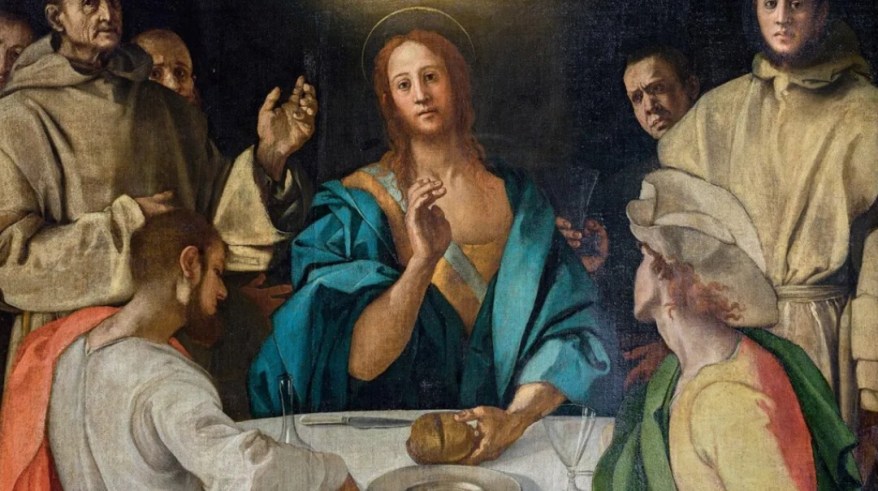
Cena in Emmaus di Pontormo: il pane, il gatto e il cane alle Scuderie del Quirinale
La Cena in Emmaus di Pontormo nasconde dettagli sorprendenti: il significato del pane, i simboli e il mistero della Resurrezione. Scopri il capolavoro del 1525 in mostra alle Scuderie del Quirinale a Roma… 🇬🇧Pontormo’s *Supper at Emmaus* conceals surprising details: the significance of the bread, various symbols, and the mystery of the Resurrection. Discover this…
-
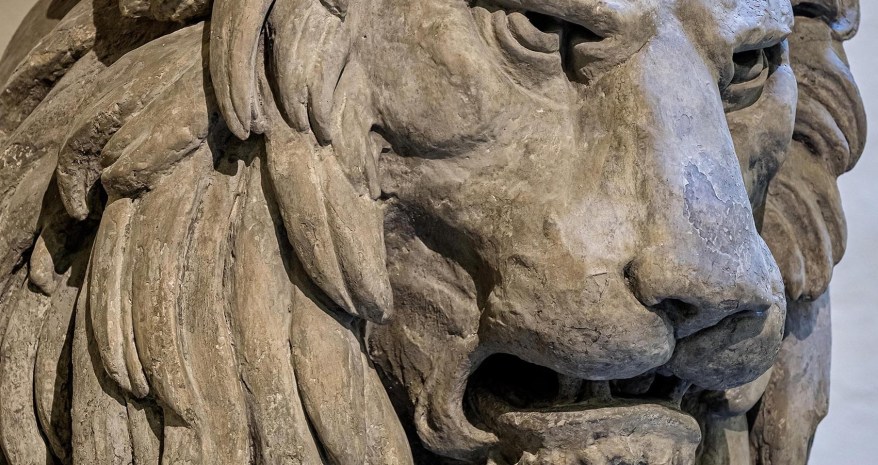
Palazzo Vecchio, il restauro svela la vera natura dei quattro leoni e il mistero della fontana greca
🇮🇹Restaurato il Cortile della Dogana di Palazzo Vecchio a Firenze: i quattro leoni sono calchi, una fontana conserva un’iscrizione greca da studiare e tornano a funzionare entrambe le fontane… 🇬🇧The Cortile della Dogana (Customs Courtyard) at Palazzo Vecchio in Florence has been restored: the four lions are casts, one fountain features a Greek inscription that…
-
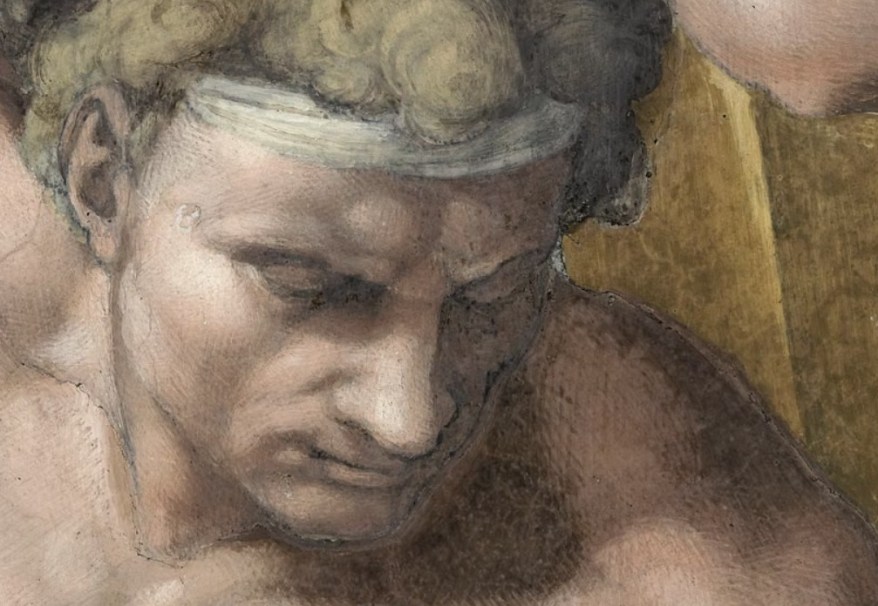
Disma, il buon ladrone nel Giudizio Universale: la misericordia e la giustizia divina
Nel Giudizio Universale della Cappella Sistina ci sono particolari che rischiano di passare inosservati, anche a chi ha avuto la fortuna di alzare gli occhi verso la mia grande parete. Tra i corpi che si sollevano, gli angeli che suonano le trombe e le anime che cercano di raggiungere il cielo, ci sono figure che…
Condividi:


Questo sono io




sostienici

Sostienici – Support Us
Se questo blog ti piace e ti appassiona, puoi aiutarci a farlo crescere sempre più sostenendoci in modo concreto condividendo i post, seguendo le pagine social e con un contributo che ci aiuta ad andare avanti con il nostro lavoro di divulgazione. . ENGLISH: If you like and are passionate about this blog, you can help us make it grow more and more by supporting us in a concrete way by sharing posts, following social pages and with a contribution that helps us to move forward with our dissemination work.
€10,00


