

La Scultura del giorno: Marte e Cupido di John Gibson
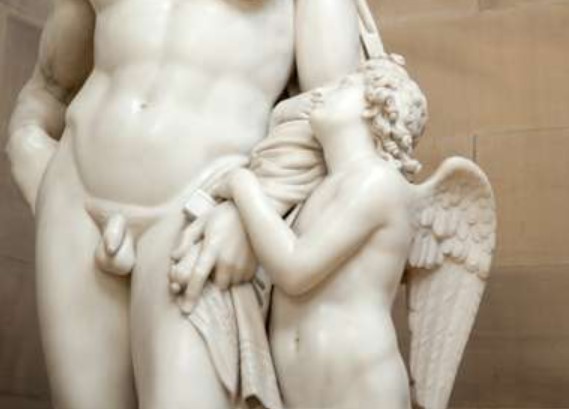
La scultura del giorno di cui voglio parlarvi oggi è Marte e Cupido realizzata nel 1825 dallo scultore gallese John Gibson.
La storia d quest’opera ebbe inizio nel 1819, quando William Cavendish, il sesto duca del Devonshire, commissionò il gruppo all’artista per cinquecento sterline.
Gibson riuscì a portare a termine Marte e Cupido nel 1825 e da allora fu posizionata in modo stabile presso la sontuosa dimora di Cavendih: la Chatworth House nel Derbyshire, dove ancora si trova.

Gibson era nato nel 1790 a Cornway ed ebbe modo di fare il suo primo apprendistato nella città di Liverpool dove appena uscito dalla scuola divenne il garzone di bottega di un ebanista.
Successivamente si trasferì a Londra dove ebbe modo di ricevere le prime commissioni grazie ai legami che aveva instaurato con Lord Brougham e i signori Christie, Manson & Wood.
Il primo mecenate dell’artista fu William Roscoe, un potete banchiere di Liverpool che gli commissionò un rilievo che raccontasse la storia di Alessandro Magno, da collocare nella propria biblioteca.
La prima opera realizzata a grandezza naturale di Gibson fu il Pastore Dormiente che subito riscosse un buon successo da parte della critica e del pubblico.
Nel 1817 raggiunse Roma dove fu accolto nel prestigioso studio di Canova. Nei suoi lavori l’influenza del maestro si fa sentire ma anche quella di Thorvaldsen che ebbe modo di conoscere e frequentare nella Città Eterna.

Nel 1821 Gibson aprì il suo studio rimano in Via del Babuino. Ecco, proprio all’interno di quello studio l’artista scolpì il gruppo di Marte e Cupido. Purtroppo non era abile nel mercanteggiare e non aveva gran dimestichezza con i costi dei marmi così accettò prima di mettersi al lavoro di essere pagato dal duca del Devonshire con 500 sterline ma, a conti fatti, spese più di quello che guadagnò.
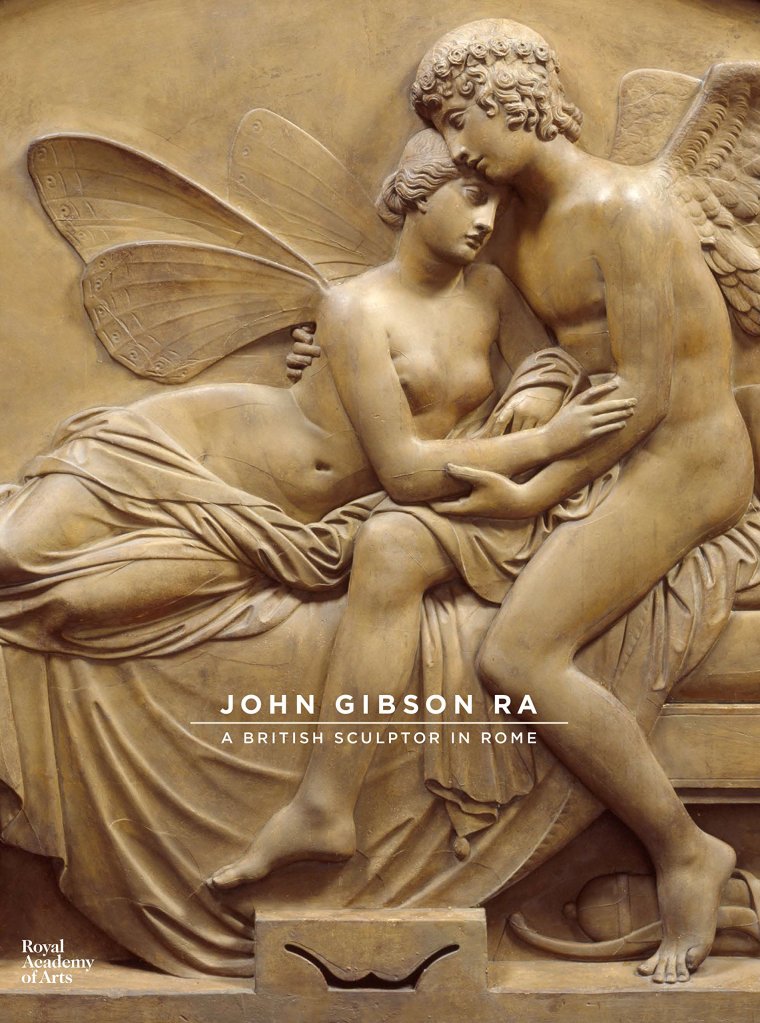
Oggi gran parte dei modelli e dei calchi delle sue opere si trovano nella nella Gibson Gallery, che fa parte della Royal Academy di Londra.

Per il momento il vostro Michelangelo Buonarroti vi saluta dandovi appuntamento ai prossimi post e sui social.
Sculpture of the day: Mars and Cupid by John Gibson
The sculpture of the day I want to tell you about today is Mars and Cupid made in 1825 by Welsh sculptor John Gibson.
The history of this work began in 1819, when William Cavendish, the sixth Duke of Devonshire, commissioned the group from the artist for five hundred pounds. Gibson was able to complete Mars and Cupid in 1825 and since then it has been permanently positioned at Cavendih’s palatial home: Chatworth House in Derbyshire, where it still stands.
Gibson was born in 1790 in Cornway and had the opportunity to make his first apprenticeship in the city of Liverpool where as soon as he left school he became a cabinetmaker’s shop boy.
Subsequently he moved to London where he was able to receive the first commissions thanks to the links he had managed to establish with Lord Brougham and Messrs. Christie, Manson & Wood.
The artist’s first patron was Gu William Roscoe, a powerful banker from Liverpool who commissioned him a relief telling the story of Alexander the Great, to be placed in his library.
Gibson’s first life-size work was the Sleeping Shepherd, which immediately met with good success from critics and the public.
In 1817 he reached Rome where he was welcomed into Canova’s prestigious studio. In his works the influence of the master is felt but also that of Thorvaldsen who he had the opportunity to know and frequent in the Eternal City.
In 1821 Gibson opened his rhyme studio in Via del Babuino. Here, right inside that studio the artist sculpted the group of Mars and Cupid. Unfortunately he wasn’t good at haggling and wasn’t very familiar with the cost of marbles so he accepted before starting work to be paid by the Duke of Devonshire with 500 pounds but on balance more than what he earned.
Today most of the models and casts of his works are in the Gibson Gallery, which is part of the Royal Academy in London.
For the moment, your Michelangelo Buonarroti greets you by making an appointment for the next posts and on social media.

Sostienici – Support Us
Se questo blog ti piace e ti appassiona, puoi aiutarci a farlo crescere sempre più sostenendoci in modo concreto condividendo i post, seguendo le pagine social e con un contributo che ci aiuta ad andare avanti con il nostro lavoro di divulgazione. . ENGLISH: If you like and are passionate about this blog, you can help us make it grow more and more by supporting us in a concrete way by sharing posts, following social pages and with a contribution that helps us to move forward with our dissemination work.
8,00 €
-
Il mio cuore prigioniero
🇮🇹Nei miei versi l’amore diventa tormento, prigionia e vita… 🇬🇧In my verses, love becomes torment, imprisonment, and life…
-
San Pietro: nella cupola ritrovate tessere minuscole e scritte nascoste da secoli
🇮🇹Tessere grandi pochi millimetri, volti forse realizzati in laboratorio e appunti lasciati dai restauratori di secoli fa: il restauro di una cupola poco conosciuta di San Pietro porta alla luce dettagli sorprendenti… 🇬🇧Tiles measuring just a few millimeters, faces perhaps created in a workshop, and notes left by restorers centuries ago: the restoration of a…
-
Facevo paura anche ai papi
🇮🇹Facevo paura persino ai papi. Non sono mai stato famoso per la diplomazia. Avevo un carattere difficile, poca pazienza e nessuna voglia di compiacere i potenti… 🇬🇧I struck fear even into popes. I was never known for diplomacy. I had a difficult temperament, little patience, and no desire to curry favor with the powerful…
Condividi:


Questo sono io




sostienici

Sostienici – Support Us
Se questo blog ti piace e ti appassiona, puoi aiutarci a farlo crescere sempre più sostenendoci in modo concreto condividendo i post, seguendo le pagine social e con un contributo che ci aiuta ad andare avanti con il nostro lavoro di divulgazione. . ENGLISH: If you like and are passionate about this blog, you can help us make it grow more and more by supporting us in a concrete way by sharing posts, following social pages and with a contribution that helps us to move forward with our dissemination work.
€10,00


