

Mai solo negli ultimi vent’anni
Per quanto la narrativa romanzesca si sia data da fare nel raccontarmi solitario durante gli ultimi anni che Dio mi concesse di trascorrere in terra, le cose non stanno esattamente così.
Mano a mano che passavano gli anni, solitario lo fui sempre meno. Con la mole di incarichi soprattutto architettonici che mi vennero affidati verso il tramonto della vita, sarebbe stato impossibile fare tutto in piena autonomia mentre le forze venivano meno.
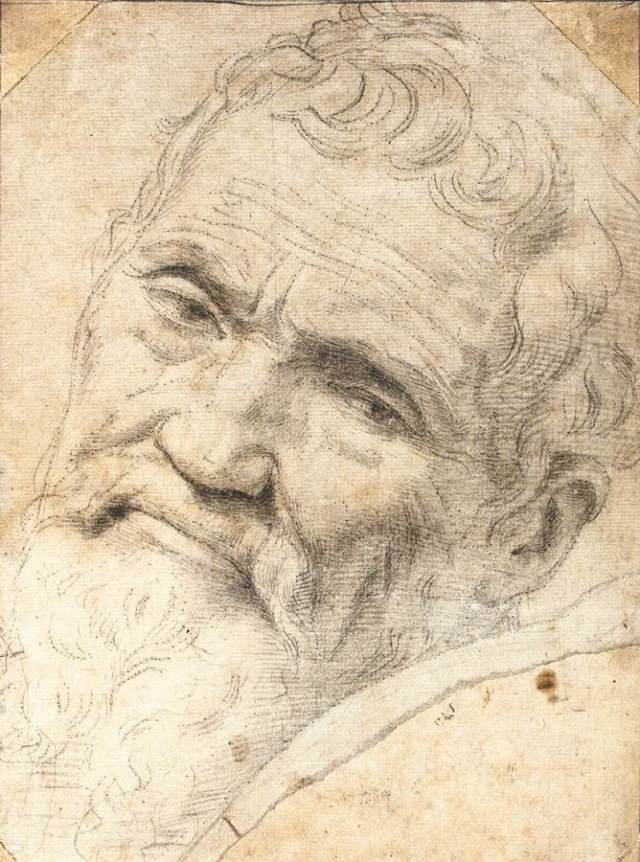
A casa mia, a Macel de’ Corvi, no ci vivevo da solo. Come avrei fatto a occuparmi di ogni cosa e a farmi carico finanche della casa? Sarebbe stato arduo.
Non potevo quotidianamente recarmi sul cantiere di San Pietro e quindi dovetti delegare parte del lavoro ad assistenti fidati che continuamente mi aggiornavano sullo stato delle cose e ai quali fornivo le indicazioni per l’avanzamento delle architetture.
Così Sebastiano Malenotti fino al 1557 poi Cesare Bettini fino al giorno del suo assassinio avvenuto nel 1563 e infine Pier Luigi Gaeta, sovrintendenti dei lavori in San Pietro, vissero fianco a fianco con me. Furono quasi vent’anni di convivenza con queste tre persone ma non solo.
Con me c’erano anche preziosi collaboratori come Tiberio Calcagni, Daniele da Volterra, Marcello Venusti e il carissimo amico Diomede Leoni. Andavano e venivano a loro piacimento così come il mio amatissimo Tommaso de’ Cavalieri. Lorenzo Mariottini e Pierantonio Bandini al quale concessi la Pietà presa a martellate con il patto che il Calcagni l’avrebbe aggiustata e terminata.
C’erano anche due medici che sempre più spesso venivano al mio cospetto e i miei servitori quali Antonio del Francese, Agata e Benedecta. Insomma, come si a a pensarmi solo con questo vai e vieni continuo di persone?
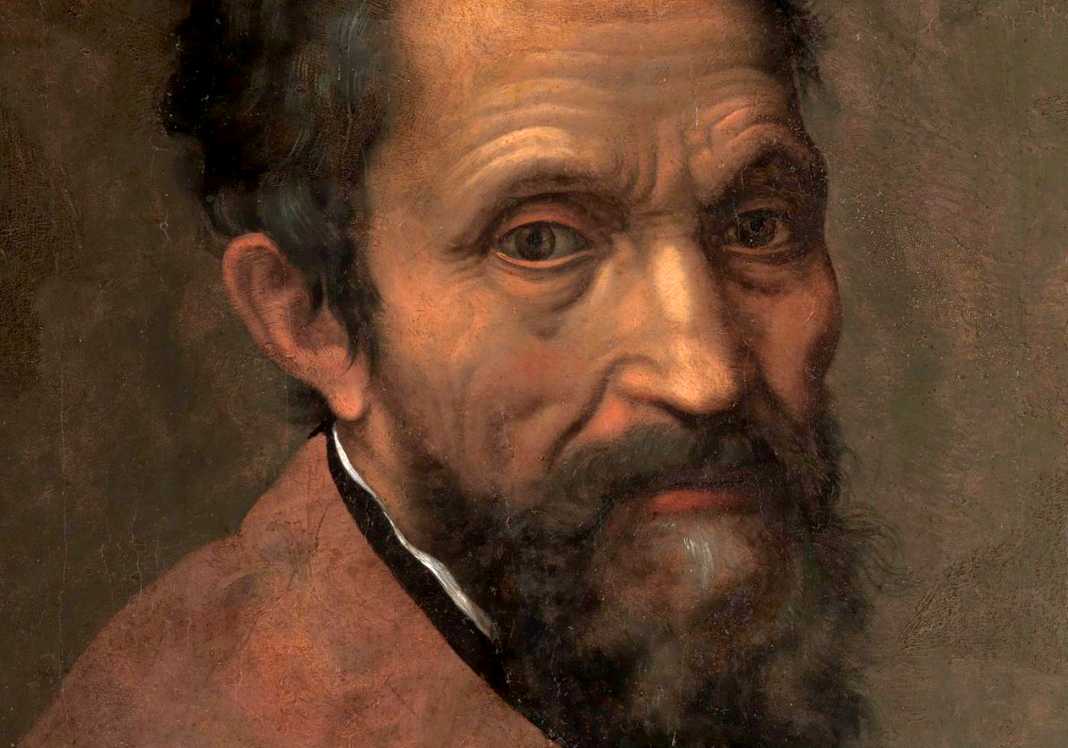
Non amavo stare costantemente in mezzo alla gente, con distrazioni continue, ma ciò non significa fossi costantemente solo, soprattutto nell’ultima parte della mia vita quando le necessità aumentavano proporzionalmente agli anni.
Per il momento il vostro Michelangelo Buonarroti vi saluta dandovi appuntamento ai prossimi post e sui social.

Never just in the last twenty years
No matter how busy fictional fiction has been in telling me how lonely I was during the last few years God allowed me to spend on earth, that’s not quite the case.
As the years went by, I became less and less lonely. With the amount of mainly architectural tasks that were entrusted to me towards the end of my life, it would have been impossible to do everything independently while my strength was failing.
At my house, in Macel de’ Corvi, I didn’t live alone. How was I going to take care of everything and even take care of the house? It would have been tough.
I could not go to the St. Peter’s site every day and therefore I had to delegate part of the work to trusted assistants who continually updated me on the state of things and to whom I provided indications for the progress of the architecture.
So Sebastiano Malenotti up to 1557 then Cesare Bettini up to the day of his assassination in 1563 and finally Pier Luigi Gaeta, superintendents of the works in St. Peter’s, lived side by side with me. It was almost twenty years of living together with these three people but not only.
With me there were also precious collaborators such as Tiberio Calcagni, Daniele da Volterra, Marcello Venusti and my dearest friend Diomede Leoni. They came and went as they pleased as did my beloved Tommaso de’ Cavalieri. Lorenzo Mariottini and Pierantonio Bandini to whom I granted the hammered Pietà with the pact that Calcagni would fix and finish it.
There were also two doctors who came to my presence more and more often and my servants such as Antonio del Francese, Agata and Benedecta. In short, how can you think of me alone with this constant coming and going of people?
I didn’t like being constantly around people, with continuous distractions, but that doesn’t mean I was constantly alone, especially in the last part of my life when the needs increased proportionally to the years.
For the moment, your Michelangelo Buonarroti greets you by making an appointment for the next posts and on social media.

Sostienici – Support Us
Se questo blog ti piace e ti appassiona, puoi aiutarci a farlo crescere sempre più sostenendoci in modo concreto condividendo i post, seguendo le pagine social e con un contributo che ci aiuta ad andare avanti con il nostro lavoro di divulgazione. . ENGLISH: If you like and are passionate about this blog, you can help us make it grow more and more by supporting us in a concrete way by sharing posts, following social pages and with a contribution that helps us to move forward with our dissemination work.
8,00 €
-
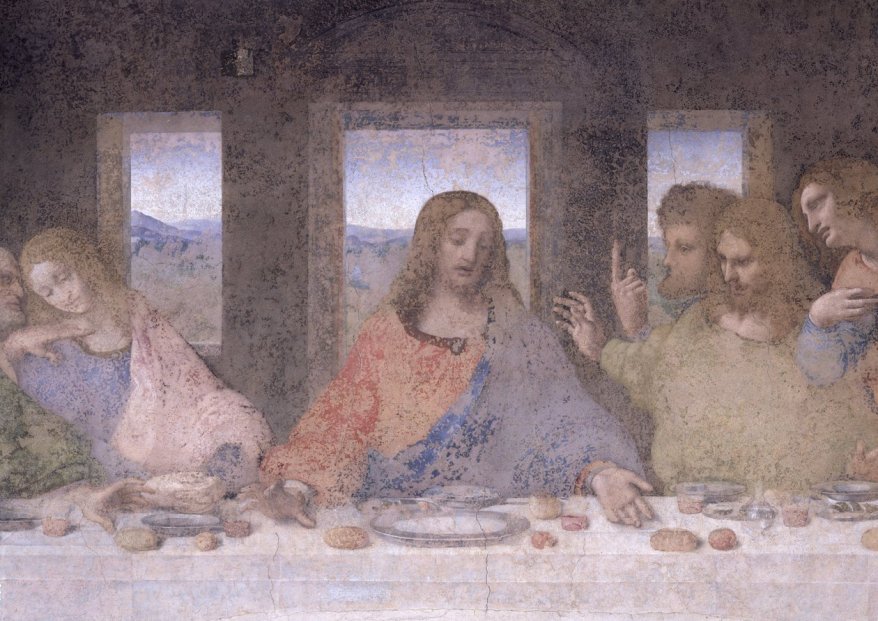
Cenacolo di Leonardo: i dettagli che raccontano il tradimento
🇮🇹Nel Cenacolo di Leonardo da Vinci, custodito a Santa Maria delle Grazie, Cristo annuncia il tradimento e il tempo si ferma… 🇬🇧In Leonardo da Vinci’s Last Supper, housed in Santa Maria delle Grazie, Christ announces the betrayal and time stands still…
-
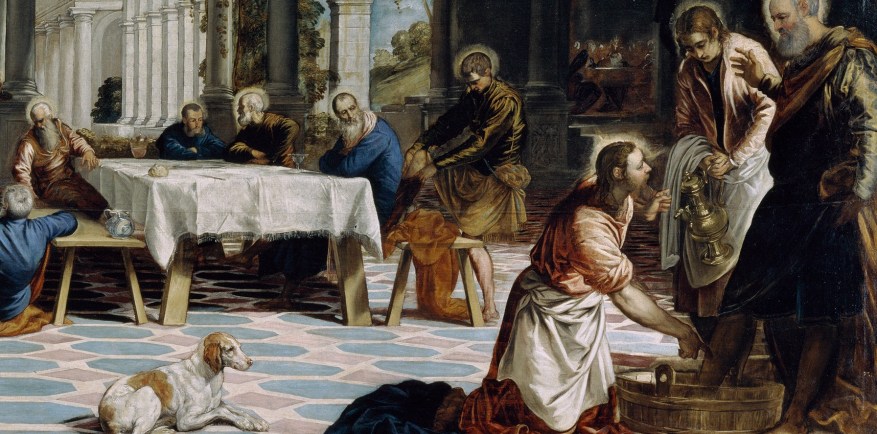
La Lavanda dei Piedi di Tintoretto: Il Capolavoro Veneziano al Prado
🇮🇹Tra i capolavori più affascinanti del Rinascimento veneziano, “La Lavanda dei Piedi” di Jacopo Tintoretto rappresenta un perfetto equilibrio tra spiritualità, innovazione compositiva e straordinaria forza narrativa… 🇬🇧Among the most fascinating masterpieces of the Venetian Renaissance, Jacopo Tintoretto’s “The Washing of the Feet” represents a perfect balance between spirituality, compositional innovation, and extraordinary narrative force…
-
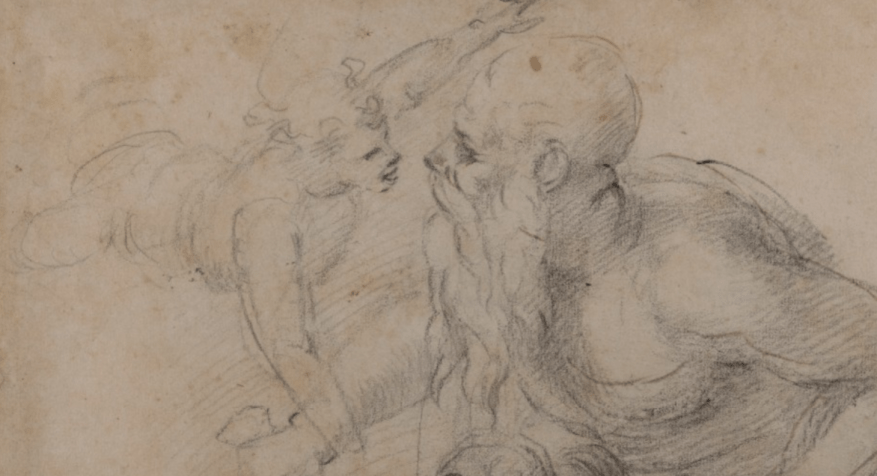
Il Sacrificio di Isacco e quel momento tra la vita e la morte
🇮🇹Oggi voglio raccontarvi alcuni dettagli sul mio disegno del Sacrificio di Isacco, conservato oggi a Casa Buonarroti. Su quel foglio volli tracciare il momento preciso in cui la paura fa spazio al miracolo… 🇬🇧Today I want to tell you some details about my drawing of the Sacrifice of Isaac, now preserved at Casa Buonarroti. On…
Condividi:


Questo sono io





sostienici

Sostienici – Support Us
Se questo blog ti piace e ti appassiona, puoi aiutarci a farlo crescere sempre più sostenendoci in modo concreto condividendo i post, seguendo le pagine social e con un contributo che ci aiuta ad andare avanti con il nostro lavoro di divulgazione. . ENGLISH: If you like and are passionate about this blog, you can help us make it grow more and more by supporting us in a concrete way by sharing posts, following social pages and with a contribution that helps us to move forward with our dissemination work.
€10,00


