
Il disegno della Madonna col Bambino
Il disegno che vi propongo della Madonna col Bambino lo realizzai su due fogli incollati l’uno accanto all’altro attorno al 1525.
Si tratta di un’opera appartenente a Casa Buonarroti, spesso definita erroneamente cartone o cartonetto ma non ha a che fare con opere dipinte mie note o da artisti a me vicini.
La Vergine, anche in questo caso, ha uno sguardo rivolto dalla parte opposta del Figlio, come stesse mirando il destino già scritto di quel frugoletto da poco venuto al mondo.
Quelle che raffigurai io sono spesso sempre maternità dolorose che non riescono a percepire altro se non la futura passione di Cristo.

In questo foglio esistono diversi pentimenti ma il più evidente è quello del volto della Vergine. In un primo momento l’avevo disegnato di profilo con lo sguardo rivolto verso il basso ma poi cambiai idea e preferii dargli la posa che potete apprezzare oggi.
Il disegno ha molto a che fare con la Madonna Medici che scolpii per la Sagrestia Nuova.

Il mio pronipote Michelangelo Buonarroti il Giovane, tanto apprezzò il disegno della Madonna col Bambino che volle esporlo nella Camera degli Angioli nel piano nobile di Casa Buonarroti, ovvero nel cuore delle sale settecentesche che lui stesso aveva provveduto ad allestire
Osservate con attenzione la parte superiore del velo della Madonna: vedete che è tagliato di netto? Ebbene non fui io a fare quello scempio ma fu ritagliata parte de foglio probabilmente nel 1875, quando per esporlo all’interno di una cornice in occasione del quattrocentesimo anno dalla mia morte, fu così amputato.
Per il momento il vostro Michelangelo Buonarroti vi saluta dandovi appuntamento ai prossimi post e sui social.
The drawing of the Madonna and Child
The drawing that I propose to you of the Madonna and Child I made on two sheets glued side by side around 1525.
It is a work belonging to Casa Buonarroti, often erroneously defined as a cartoon or cartoon but has nothing to do with painted works known to me or by artists close to me.
The Virgin, also in this case, has a gaze turned to the opposite side of the Son, as if she were looking at the already written destiny of that little baby who had just come into the world.
What I depicted are often always painful maternities that fail to perceive anything other than the future passion of Christ.
In this sheet there are several pentimenti but the most evident is that of the face of the Virgin. At first I had drawn him in profile looking down but then I changed my mind and preferred to give him the pose you can appreciate today.
This drawing has a lot to do with the Medici Madonna which I sculpted for the New Sacristy.
My great-nephew Michelangelo Buonarroti the Younger appreciated the drawing of the Madonna and Child so much that he wanted to exhibit it in the Camera degli Angioli on the noble floor of Casa Buonarroti, or in the heart of the eighteenth-century rooms that he himself had arranged for
Look carefully at the upper part of Our Lady’s veil: can you see that it is cleanly cut? Well it wasn’t me who did that havoc but the part of the upper sheet was cut out probably in 1875, when in order to display it inside a frame on the occasion of the four hundredth year after my death, it was thus amputated.
For the moment, your Michelangelo Buonarroti greets you by making an appointment for the next posts and on social media.

Sostienici – Support Us
Se questo blog ti piace e ti appassiona, puoi aiutarci a farlo crescere sempre più sostenendoci in modo concreto condividendo i post, seguendo le pagine social e con un contributo che ci aiuta ad andare avanti con il nostro lavoro di divulgazione. . ENGLISH: If you like and are passionate about this blog, you can help us make it grow more and more by supporting us in a concrete way by sharing posts, following social pages and with a contribution that helps us to move forward with our dissemination work.
8,00 €
-
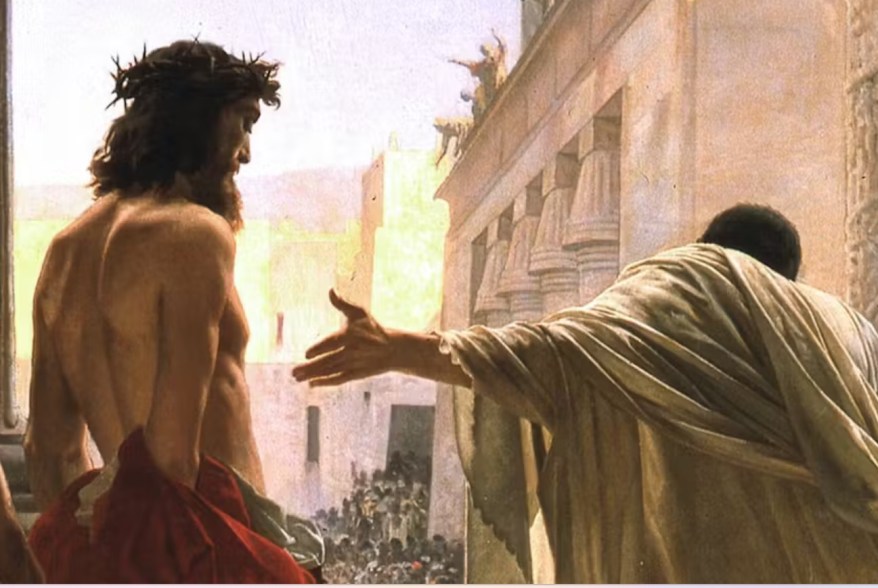
Venerdì Santo: gli “Ecce Homo” più intensi della storia dell’arte
🇮🇹Ecce Homo. Da Antonello da Messina a Tintoretto, fino al sorprendente capolavoro di Antonio Ciseri, questo soggetto ha attraversato i secoli raccontando dolore, umanità e coscienza… 🇬🇧Ecce Homo. From Antonello da Messina to Tintoretto, to Antonio Ciseri’s astonishing masterpiece, this subject has spanned the centuries, recounting pain, humanity, and conscience…
-
Attacco hacker agli Uffizi: rubati dati sensibili, mappe e codici di sicurezza
🇮🇹Attacco hacker alle Gallerie degli Uffizi: rubati dati sensibili, mappe e sistemi di sicurezza. A rischio opere, archivi e cybersicurezza del patrimonio artistico… 🇬🇧Hacker attack on the Uffizi Galleries: sensitive data, maps, and security systems stolen. Works of art, archives, and the cybersecurity of the artistic heritage are at risk…
-
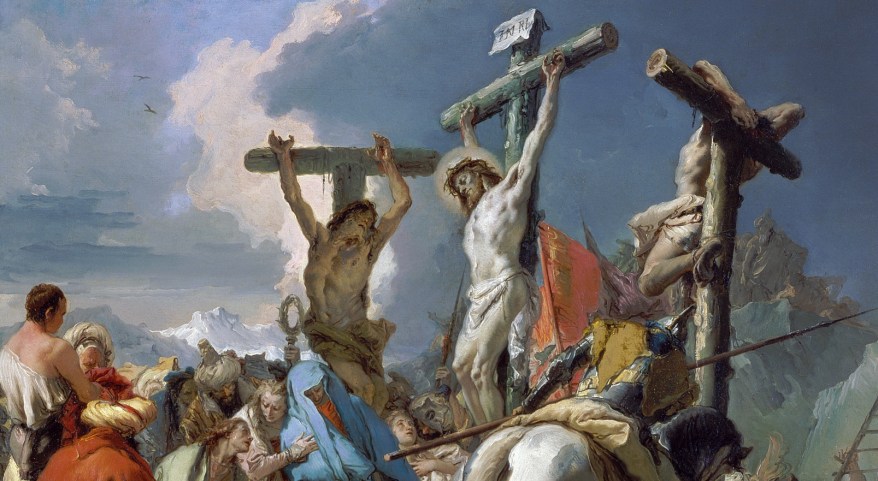
Venerdì Santo: la Crocifissione secondo Tiepolo
🇮🇹Nel giorno del Venerdì Santo, c’è un’opera che riesce ancora a scuotere lo sguardo. La Crocifissione di Giambattista Tiepolo non è come le altre: niente simmetrie perfette, niente distanza. Qui si entra dentro la scena, da un punto di vista obliquo, tra movimento, tensione e umanità… 🇬🇧On Good Friday, there’s a work that still manages…
Condividi:


Questo sono io





sostienici

Sostienici – Support Us
Se questo blog ti piace e ti appassiona, puoi aiutarci a farlo crescere sempre più sostenendoci in modo concreto condividendo i post, seguendo le pagine social e con un contributo che ci aiuta ad andare avanti con il nostro lavoro di divulgazione. . ENGLISH: If you like and are passionate about this blog, you can help us make it grow more and more by supporting us in a concrete way by sharing posts, following social pages and with a contribution that helps us to move forward with our dissemination work.
€10,00


