
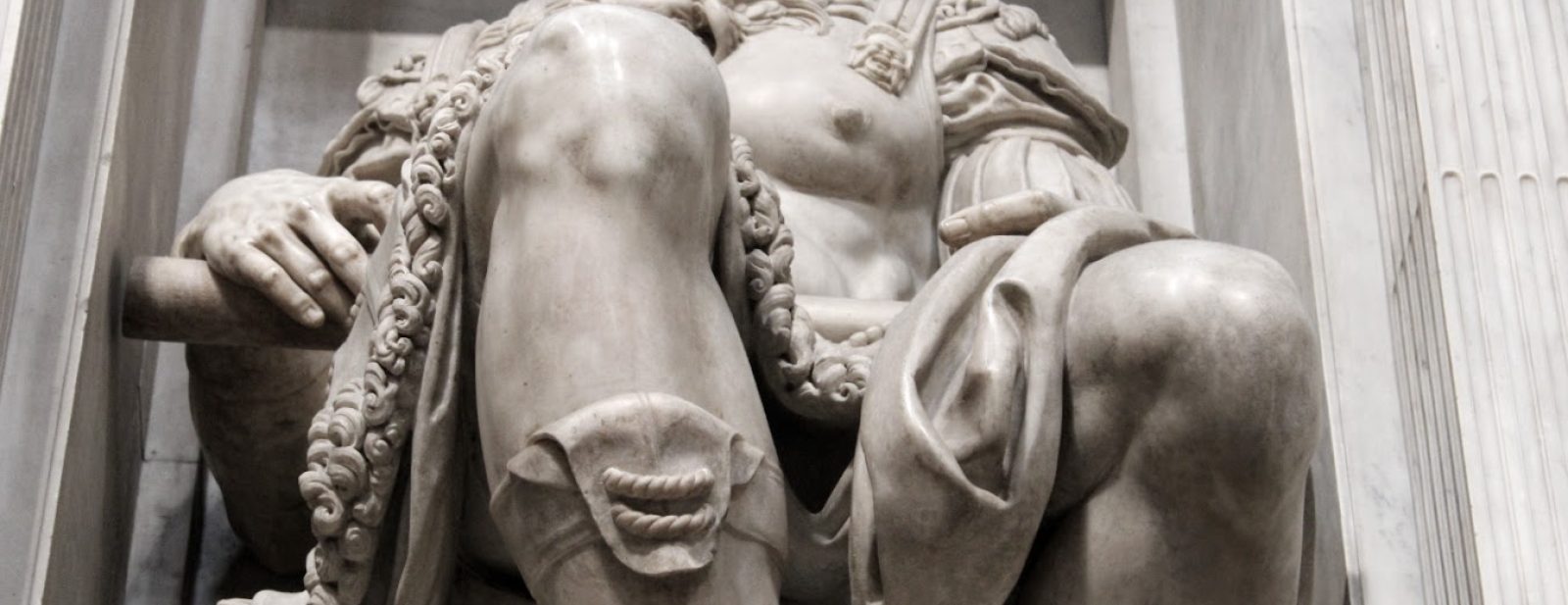
La lite furibonda con i deputati della Fabbrica di San Pietro
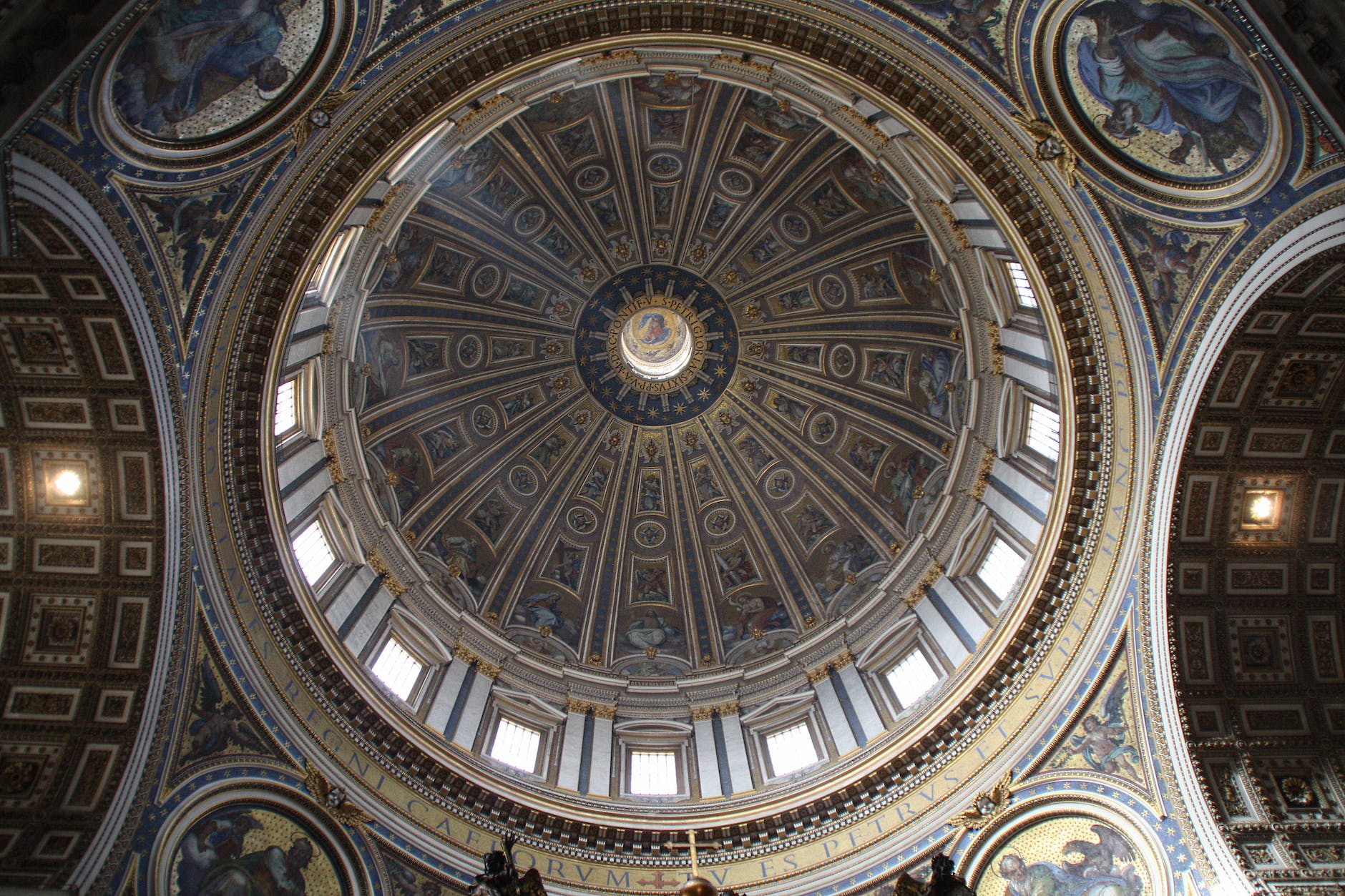
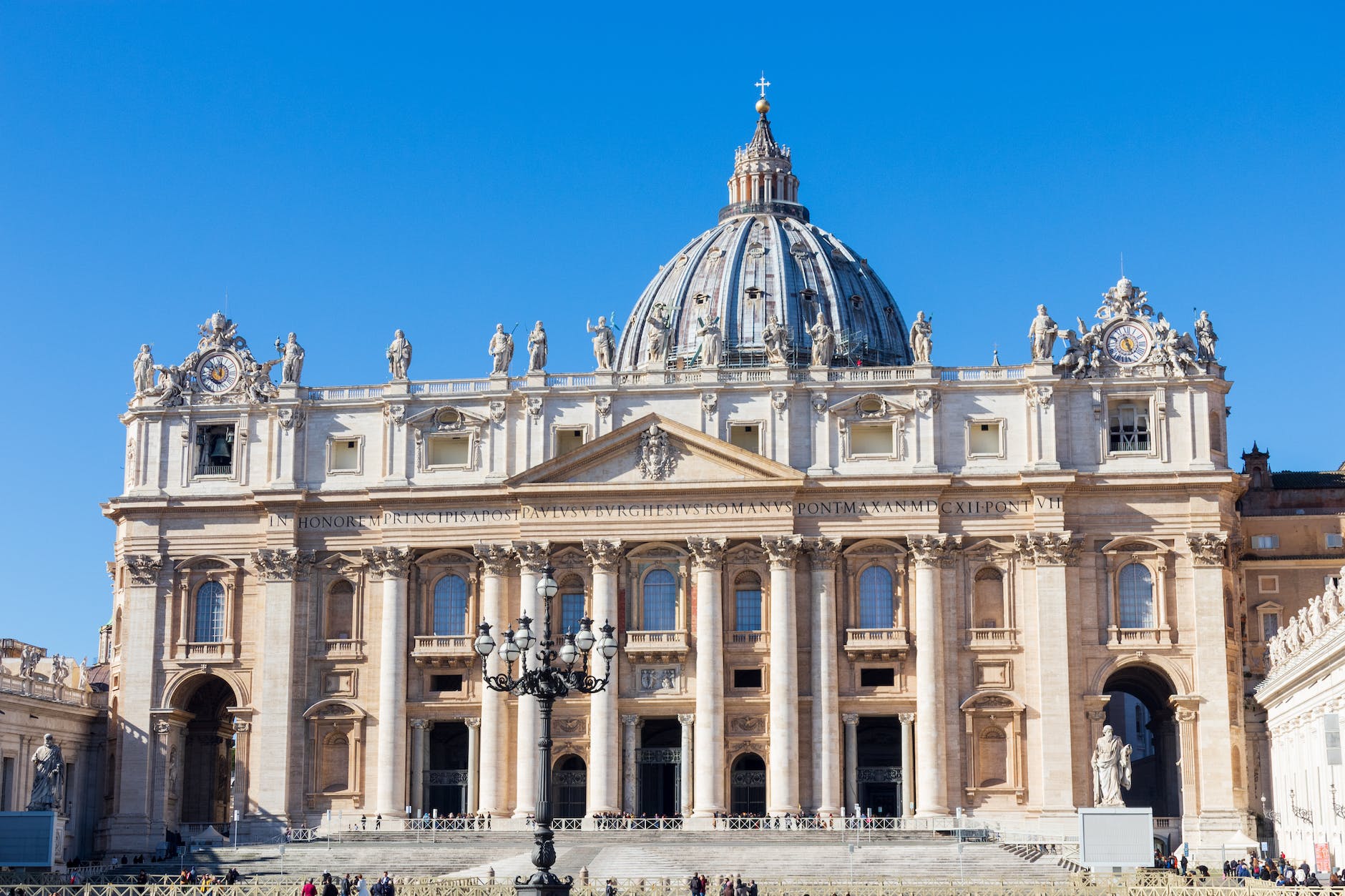
Il cantiere della basilica di San Pietro era una macchina complessa e per far fronte alle questioni di amministrazione finanziaria e tecnica fu istituita la Fabbrica.
Mentre in un primo momento sottostava esclusivamente alla volontà del papa in carica, con il passare del tempo le cose divennero meno semplici e più macchinose. Al volere di tre deputati nominati direttamente da Papa Paolo III Farnese dovevano sottostare un po’ tutti i professionisti come i soprastanti, capomastri, misuratori e altre maestranze specializzate.

Quando io subentrai nel 1546 feci presto ad accorgermi che non avrei avuto vita facile con i deputati. Non erano tre bischeri scelti a caso ma personaggi assai rilevanti. Nello specifico quel ruolo era occupato da Filippo Archinto vicario del papa, Giovanni Alberino canonico di San Pietro e Antonio Massimo, un laico appartenente a una delle famiglie più importanti della Roma dell’epoca.
A quei tre gli sarebbe piaciuto comandare anche a me, imponendomi finanche le maestranze ma era chiaro che non potevano farmi pressione più di tanto. Per lavorare bene avevo bisogno di una buona dose di autonomia e i collaboratori volevo scegliermeli da solo visto che poi mi ci dovevo rapportare io con loro.
Qualunque decisione prendessi dovevo comunicargliela in ogni modo, così prima sceglievo le maestranze che volevo e poi gli notificavo i nomi a cose fatte.
Per esempio, nel 1555, scrissi ai deputati di aver sostituito il soprastante Silvestro fiorentino nel cantiere da oltre quattro anni per la sua condotta poco onesta con Francesco Gatto e chiesi che emettessero il pagamento a suo favore.
Fino a quando mi lasciarono scegliere i collaboratori, più o meno le cose andarono bene ma poi, nel momento in cui provarono a frenare la mia autonomia impedendomi di far entrare nel cantiere il mio collaboratore Gaeta, m’arrabbiai parecchio. Era il febbraio del 1562 e minacciai i deputati di rivolgermi direttamente a papa Pio IV se non mi avessero fatto scegliere con chi lavorare.
Mi volevano far passare per uno che approfittava del suo ruolo per far lavorare gli amici ma non avevano inteso che avevo l’urgenza di circondarmi di persone fidate.
A 87 anni, non potevo certo recarmi sul cantiere tutti i giorni però in vece mia lo facevano i più stretti collaboratori per aggiornarmi costantemente sui lavori fatti e su ciò che stava accadendo in loco.
Per il momento il vostro Michelangelo Buonarroti vi saluta dandovi appuntamento ai prossimi post e sui social.

The furious quarrel with the deputies of the Fabbrica di San Pietro
The construction site of St. Peter’s Basilica was a complex machine and the Fabbrica was set up to deal with financial and technical administration issues.
While at first it submitted exclusively to the will of the pope in office, with the passage of time things became less simple and more cumbersome. At the behest of three deputies appointed directly by Pope Paul III Farnese, all the professionals such as the overseers, master builders, measurers and other specialized workers had to submit to a certain extent.
When I took over in 1546 I soon realized that I would not have an easy life with the deputies. They weren’t three goofballs chosen at random but very relevant characters. Specifically, that role was occupied by Filippo Archinto, vicar of the pope, Giovanni Alberino canon of San Pietro and Antonio Massimo, a layman belonging to one of the most important families in Rome at the time.
Those three would have liked to command me too, even imposing the workers on me, but it was clear that they couldn’t put much pressure on me. To work well, I needed a good dose of autonomy and I wanted to choose my collaborators myself since then I had to deal with them.
Whatever decision I made I had to communicate it to him in any way, so first I chose the workers I wanted and then I notified them of the names after the fact.
For example, in 1555, I wrote to the deputies that I had replaced the Florentine superintendent Silvestro in the building site for over four years for his dishonest conduct with Francesco Gatto and asked that they issue payment in favor of him.
Until they let me choose the collaborators, things went more or less well but then, when they tried to curb my independence by preventing me from letting my collaborator Gaeta enter the construction site, I got very angry. It was February 1562 and I threatened the deputies to address Pope Pius IV directly if they didn’t let me choose who to work with.
They wanted to pass me off as someone who took advantage of his role to make friends work but they didn’t understand that I had the urgency to surround myself with trusted people.
At 87 years of age, I certainly couldn’t go to the construction site every day, but my closest collaborators did it for me to constantly update me on the work done and on what was happening on site.
For the moment, your Michelangelo Buonarroti greets you by making an appointment for the next posts and on social media.

Sostienici – Support Us
Se questo blog ti piace e ti appassiona, puoi aiutarci a farlo crescere sempre più sostenendoci in modo concreto condividendo i post, seguendo le pagine social e con un contributo che ci aiuta ad andare avanti con il nostro lavoro di divulgazione. . ENGLISH: If you like and are passionate about this blog, you can help us make it grow more and more by supporting us in a concrete way by sharing posts, following social pages and with a contribution that helps us to move forward with our dissemination work.
8,00 €
-
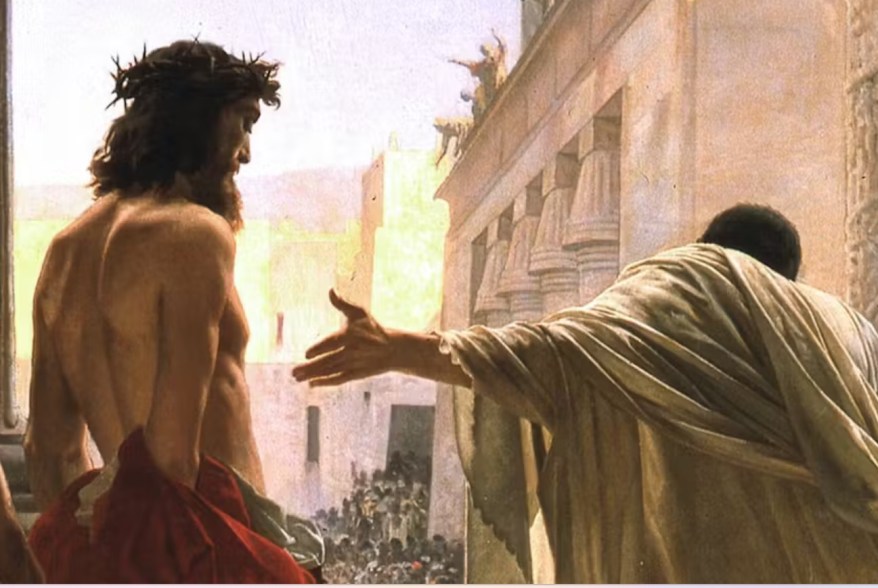
Venerdì Santo: gli “Ecce Homo” più intensi della storia dell’arte
🇮🇹Ecce Homo. Da Antonello da Messina a Tintoretto, fino al sorprendente capolavoro di Antonio Ciseri, questo soggetto ha attraversato i secoli raccontando dolore, umanità e coscienza… 🇬🇧Ecce Homo. From Antonello da Messina to Tintoretto, to Antonio Ciseri’s astonishing masterpiece, this subject has spanned the centuries, recounting pain, humanity, and conscience…
-
Attacco hacker agli Uffizi: rubati dati sensibili, mappe e codici di sicurezza
🇮🇹Attacco hacker alle Gallerie degli Uffizi: rubati dati sensibili, mappe e sistemi di sicurezza. A rischio opere, archivi e cybersicurezza del patrimonio artistico… 🇬🇧Hacker attack on the Uffizi Galleries: sensitive data, maps, and security systems stolen. Works of art, archives, and the cybersecurity of the artistic heritage are at risk…
-
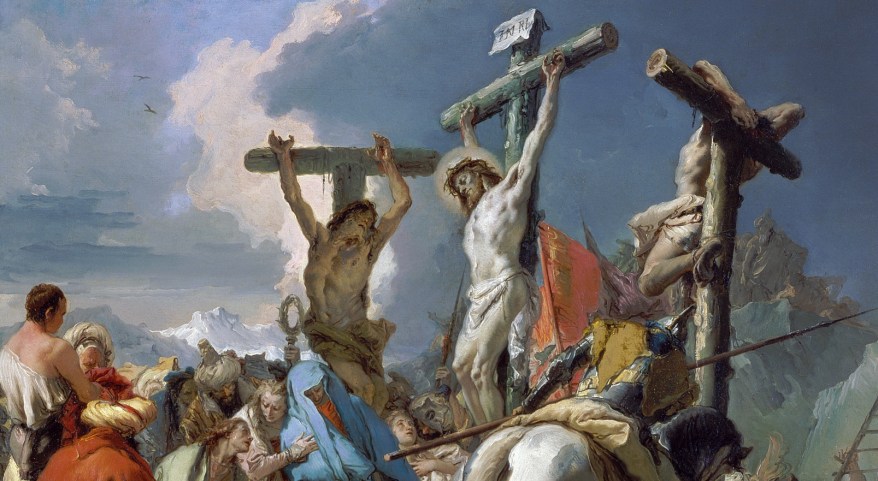
Venerdì Santo: la Crocifissione secondo Tiepolo
🇮🇹Nel giorno del Venerdì Santo, c’è un’opera che riesce ancora a scuotere lo sguardo. La Crocifissione di Giambattista Tiepolo non è come le altre: niente simmetrie perfette, niente distanza. Qui si entra dentro la scena, da un punto di vista obliquo, tra movimento, tensione e umanità… 🇬🇧On Good Friday, there’s a work that still manages…
Condividi:


Questo sono io





sostienici

Sostienici – Support Us
Se questo blog ti piace e ti appassiona, puoi aiutarci a farlo crescere sempre più sostenendoci in modo concreto condividendo i post, seguendo le pagine social e con un contributo che ci aiuta ad andare avanti con il nostro lavoro di divulgazione. . ENGLISH: If you like and are passionate about this blog, you can help us make it grow more and more by supporting us in a concrete way by sharing posts, following social pages and with a contribution that helps us to move forward with our dissemination work.
€10,00


